


In an era marked by rapid technological advancements and expanding human populations, preserving the intricate web of life on our planet is both more challenging and more crucial than ever. The future of global wildlife conservation efforts hinges on innovative strategies, international cooperation, and unwavering commitment to protecting biodiversity. This article explores the journey ahead for wildlife conservation, examining the multifaceted approaches and solutions that are shaping the future of this vital endeavor.
Understanding the Current Challenges

Wildlife conservation today faces a myriad of challenges, from habitat loss and climate change to illegal wildlife trade and human-wildlife conflict. As urban areas expand and natural resources are exploited, native species are forced into smaller and more fragmented habitats. These pressures not only threaten individual species but also disrupt entire ecosystems. Understanding these challenges is crucial for developing effective strategies that secure a sustainable future for wildlife.
The Role of Technology in Conservation

Technological innovations are transforming wildlife conservation efforts. From satellite imagery and drones to camera traps and DNA analysis, technology is providing conservationists with new tools to monitor and protect biodiversity. These advancements enable the collection of real-time data, which is vital for making informed decisions about conservation priorities and interventions. As technology continues to evolve, its role in conservation will likely grow, offering even more sophisticated methods for safeguarding wildlife.
Community Involvement and Indigenous Knowledge

Local communities and indigenous peoples have a wealth of knowledge about their natural environments, which can be invaluable in conservation efforts. Engaging these communities in conservation initiatives not only empowers them but also ensures that efforts are culturally sensitive and sustainable. Indigenous knowledge can provide insights into species behavior, migrations, and ecosystem dynamics that are crucial for successful conservation strategies.
International Cooperation and Policy Making

Wildlife conservation is a global issue that requires international cooperation. Agreements like the Convention on Biological Diversity and CITES (Convention on International Trade in Endangered Species of Wild Fauna and Flora) exemplify the need for collaborative efforts across borders. These frameworks facilitate the sharing of information, resources, and strategies, which are essential for tackling issues such as poaching and wildlife trafficking that transcend national boundaries.
Adopting Holistic Approaches
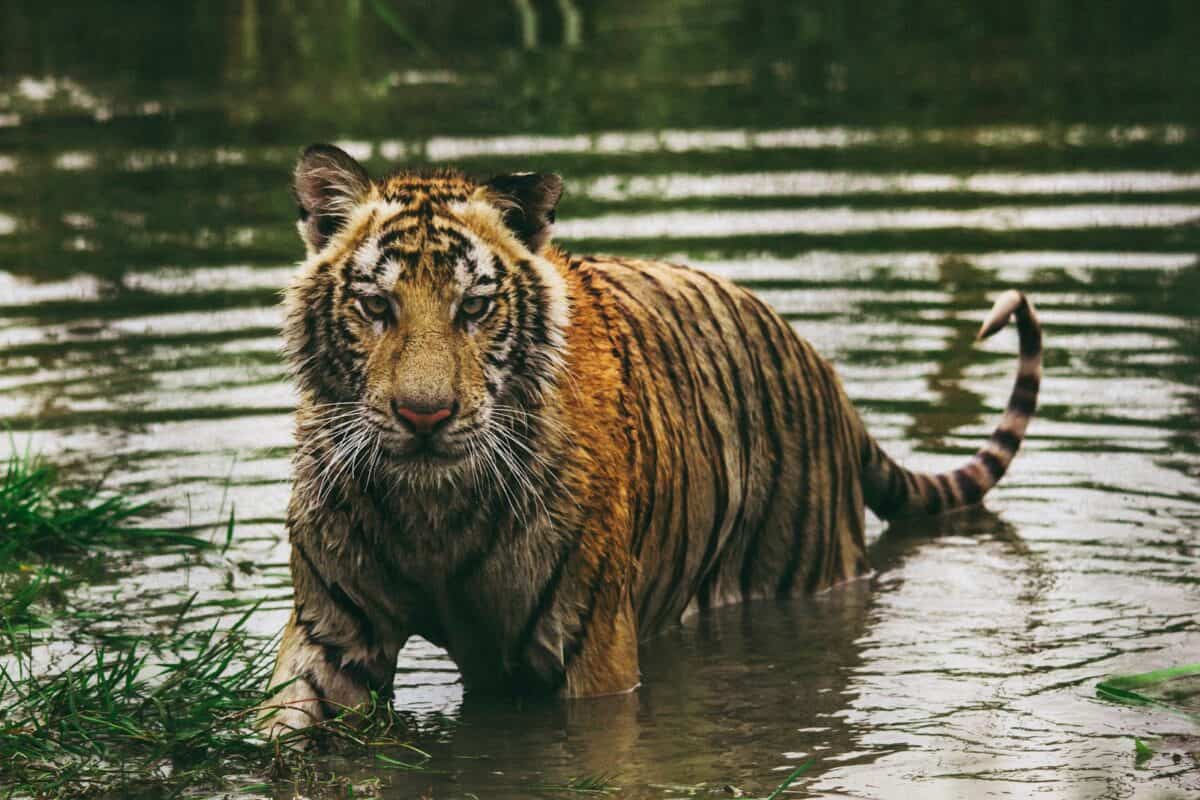
Conservation strategies are increasingly moving towards holistic approaches that consider entire ecosystems rather than focusing solely on individual species. This involves integrating habitat protection, species recovery, and human-wildlife conflict mitigation into comprehensive plans. By considering the broader ecological context, these strategies aim to maintain the balance and health of ecosystems, benefiting wildlife and human communities alike.
The Importance of Financial Investment
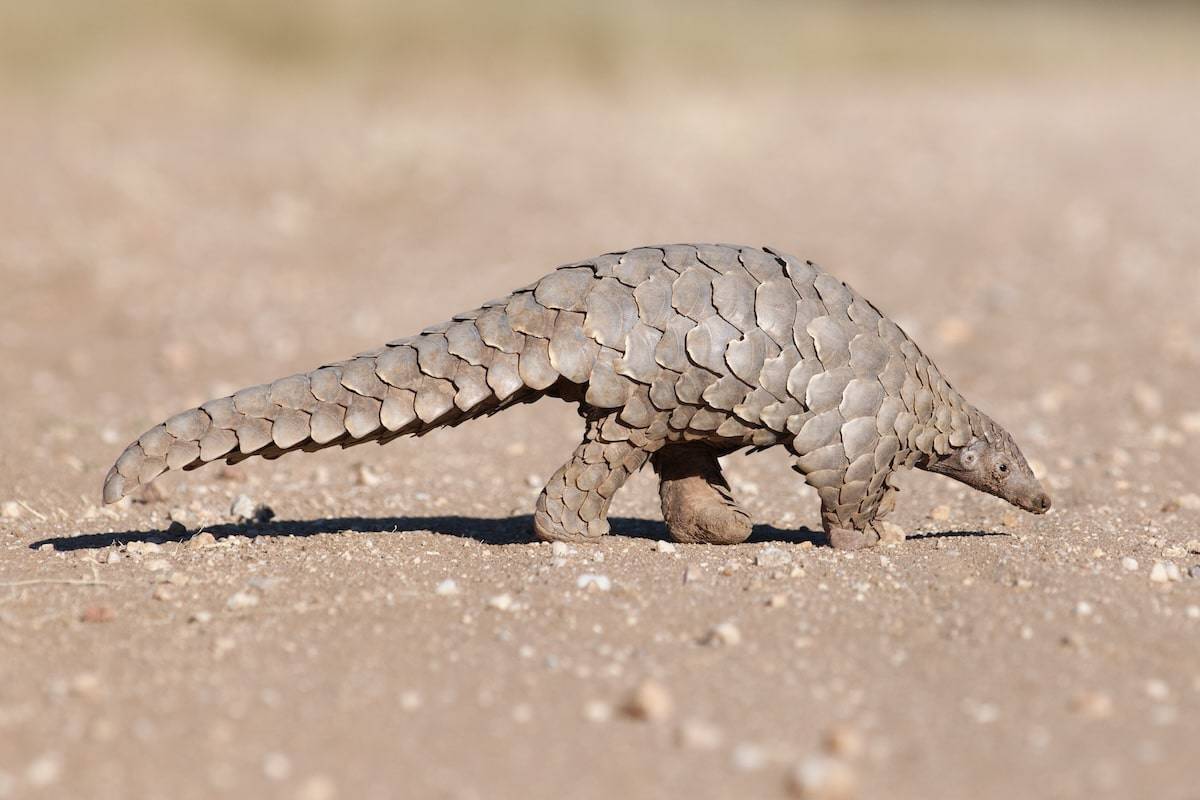
Conservation efforts require substantial financial resources. Investing in conservation not only protects biodiversity but also supports ecosystem services that are vital for human well-being, such as clean water, air, and pollination. Sustainable funding models, including public-private partnerships and ecotourism, are essential for ensuring the long-term viability of conservation projects.
Addressing Climate Change Impacts

Climate change is altering habitats and threatening species worldwide. To mitigate these impacts, conservation strategies must be adaptable and forward-thinking, incorporating climate projections and resilience-building measures. Efforts such as creating wildlife corridors and protecting climate refugia can help species adapt to changing environmental conditions.
Conservation Genetics and Biodiversity Banking

Advancements in genetic technology offer new opportunities for conservation. Techniques like genetic rescue and biodiversity banking can help preserve genetic diversity and bolster declining populations. These methods not only support the survival of individual species but also enhance the resilience of entire ecosystems.
Engaging the Next Generation

The future of wildlife conservation depends on the engagement of young people. Education and outreach programs that connect children and young adults with nature can inspire a lifelong commitment to conservation. By fostering an early appreciation for biodiversity, these efforts ensure that future generations will continue to champion the protection of wildlife.
Success Stories and Lessons Learned

Successful conservation efforts offer valuable lessons that can be applied to future initiatives. From the comeback of the bald eagle to the establishment of marine protected areas, these stories highlight the importance of perseverance, collaboration, and adaptability in conservation. By analyzing these successes, conservationists can refine their strategies for tackling the challenges ahead.
Innovative Funding Solutions

To sustain conservation efforts, innovative funding solutions are essential. Beyond traditional grants and donations, mechanisms like carbon offsets, biodiversity credits, and conservation bonds offer new revenue streams for financing conservation projects. These financial tools can create incentives for businesses and governments to invest in the protection of natural resources.
Looking Forward: A Vision for the Future
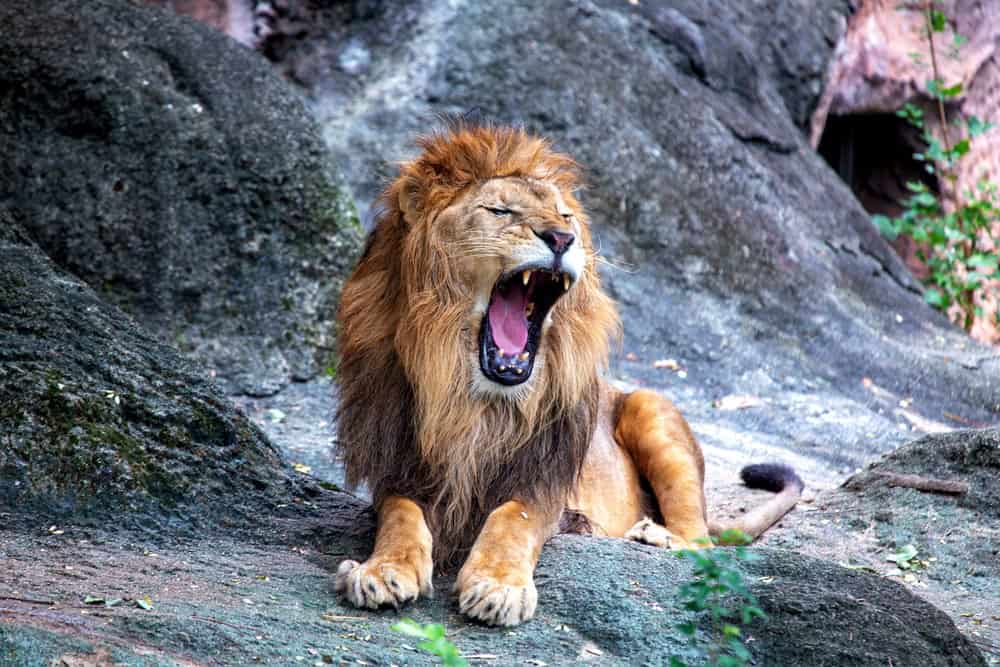
The future of global wildlife conservation is shaped by the challenges we face today and the solutions we develop in response. By leveraging technology, fostering international cooperation, and engaging communities worldwide, we can build a future where wildlife and humans coexist harmoniously. This vision requires collaboration, creativity, and a steadfast commitment to preserving the natural world for generations to come.
While the path to effective wildlife conservation is paved with obstacles, it is also illuminated by the potential for groundbreaking solutions. Our success in these endeavors will depend on the collective effort of individuals, communities, governments, and organizations around the world, working together to protect the invaluable biodiversity that sustains life on Earth.

From exploring the marine wonders in the Azores and witnessing the vast savannas of Kenya, to delving deep into the rich biodiversity of South Africa and traversing iconic landscapes in Australia and the US like Yellowstone, Chris's experiences are vast.
With a penchant for diving alongside sharks, the ocean holds a special place in his heart.
Through his academic insights, he champions wildlife conservation, striving with 'Animals Around The Globe' to cultivate a profound connection between humans and animals, enhancing our mutual appreciation.
Connect with him at Feedback@animalsaroundtheglobe.com.
- What Happens If a Crocodile Fights a Hippo? - July 20, 2026
- This Turtle Has Hair - July 20, 2026
- This Small U.S. Island Hosts Hundreds of Feral Horses - July 20, 2026