

Netflix’s docuseries “Tiger King” took the world by storm with its colorful cast of characters and the larger-than-life story of Joe Exotic, capturing the public imagination in 2020. But behind the sensational drama rests a more profound and often troubling reality about the operations of private zoos across America. This article delves into the complexities of private zoos, exploring the controversial practices, regulatory challenges, and ethical implications of keeping exotic animals in captivity.
Understanding Private Zoos

Private zoos refer to facilities owned by individuals or private organizations holding exotic animals, often for profit or personal enjoyment. Unlike public zoos, which are typically involved in education and conservation efforts, private zoos’ primary focus can vary significantly. Motivated by economic gain, personal interest, or purported conservation, these institutions may lack the resources and expertise to care for the animals appropriately.
A Glimpse into the World of Exotic Animals
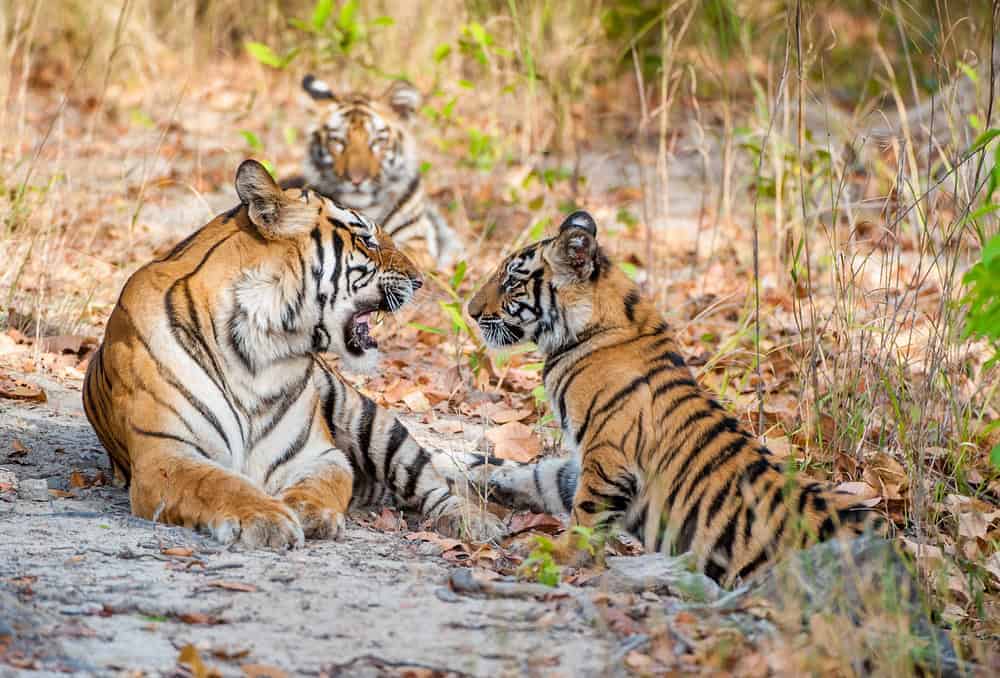
Exotic animals, ranging from big cats and primates to reptiles and birds, are often the main attractions in private zoos. While the allure of interacting with such creatures can be potent, the reality of housing such animals in non-native environments poses numerous challenges. Such environments often struggle to replicate the complex needs, both dietary and behavioral, that these animals require for a fulfilling life.
The Impact of ‘Tiger King’

The release of “Tiger King” thrust the controversial practices of private zoos into the spotlight. Viewers were introduced to the chaotic world of Joe Exotic, Carole Baskin, and the elusive Doc Antle, among others. Their stories raised public awareness about the questionable ethics and welfare issues prevalent in the private zoo industry.
Regulatory Shortcomings
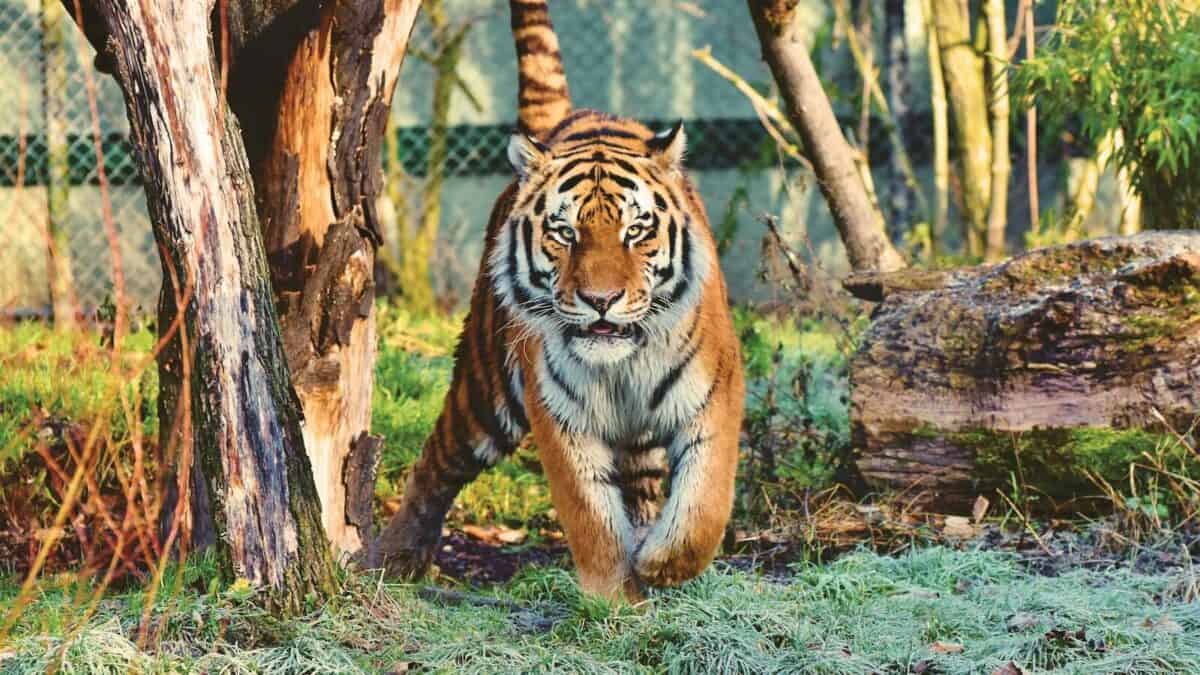
The United States has a patchwork regulatory framework governing private zoos. The Animal Welfare Act (AWA) sets minimum standards for care, but enforcement is a persistent challenge, with limited USDA resources to conduct regular inspections. State laws vary greatly, and in some states, private zoo owners operate with virtually no legal oversight, complicating efforts to ensure animal welfare.
Ethical Considerations

The ethics of keeping exotic animals in zoos, especially private ones, involves serious moral questions. Critics argue that these zoos prioritize profit over animal welfare, leading to overcrowded conditions and inadequate care. Numerous studies suggest that no private facility can entirely meet the ethological and psychological needs of exotic animals, raising concerns about their quality of life.
Welfare and Conservation Claims
Supporters of private zoos often claim they play a role in conservation. However, conservationists argue that breeding programs in these zoos focus more on producing attractions rather than preserving genetic diversity. Truly effective conservation programs involve more than just breeding; they require habitat preservation and scientific research, aspects often missing from private zoos’ efforts.
The Role of Animal Sanctuaries

True animal sanctuaries provide lifelong care for their residents, largely rescued from cases of abuse, neglect, or those retired from circuses or zoos. These facilities typically do not breed animals, trade them, or allow direct visitor interaction, focusing instead on providing a more natural and less stressful environment for the animals with human access being limited to educational tours.
Public Safety Concerns
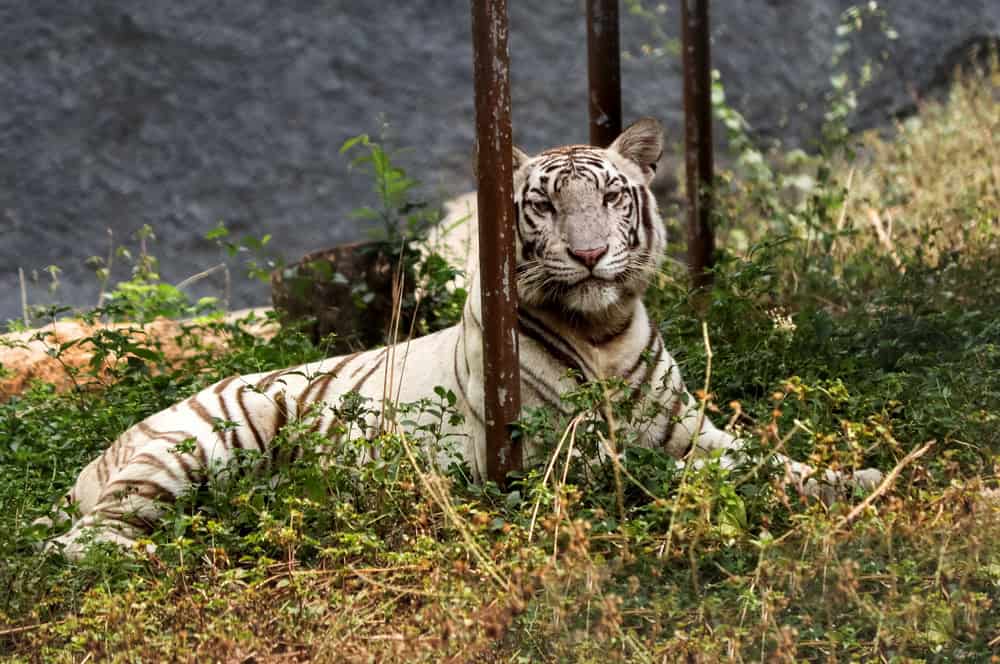
Private zoos pose not only ethical problems but also public safety concerns. Escapes and attacks, while rare, highlight the dangers of keeping wildcard animals in confined settings. Numerous incidents of injuries and deaths attributed to exotic animals in private zoos underline a need for strict regulatory controls and better public education.
The Influence of Popular Culture
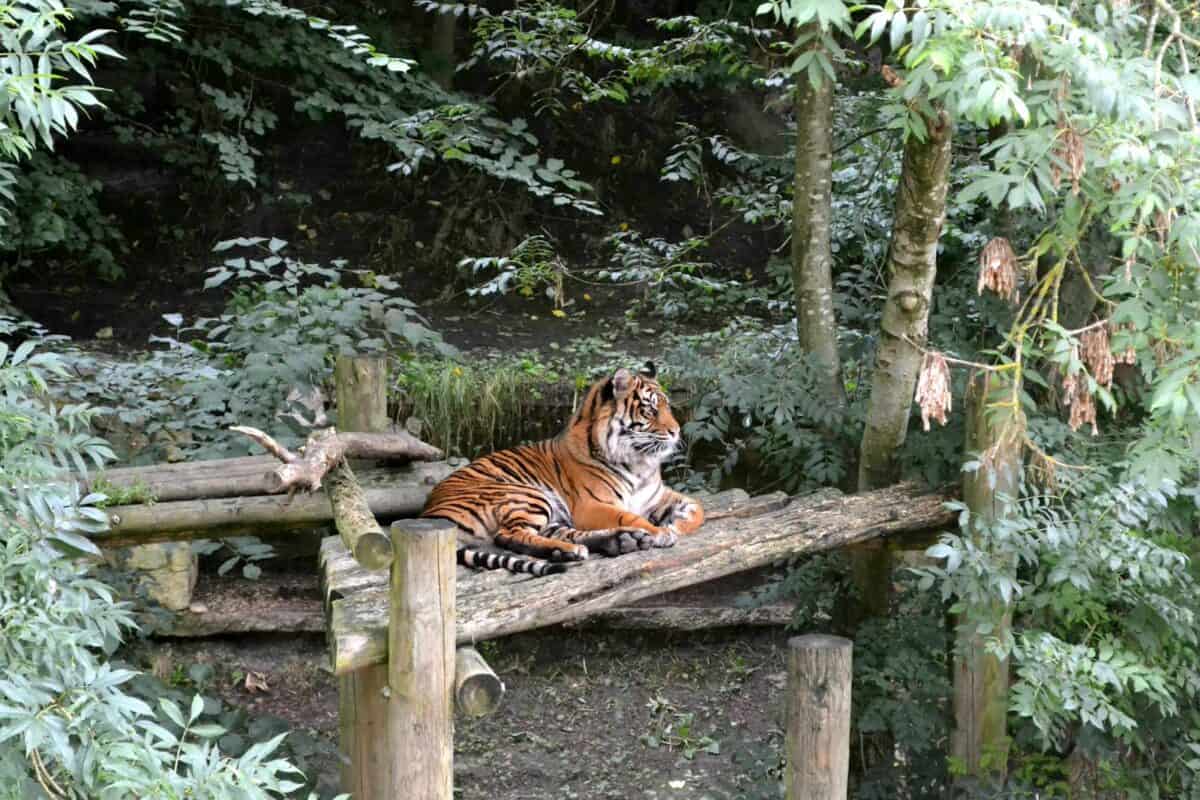
The sensational portrayal of exotic animal ownership in media, amplified by “Tiger King,” can glamorize an ultimately detrimental practice. This cultural canonization often leads to spikes in illegal pet trade and misguides public understanding of animal welfare. Moreover, high-profile cases often skew public perception, overshadowing less dramatic but equally important aspects of animal care and conservation.
Efforts Toward Regulatory Reform
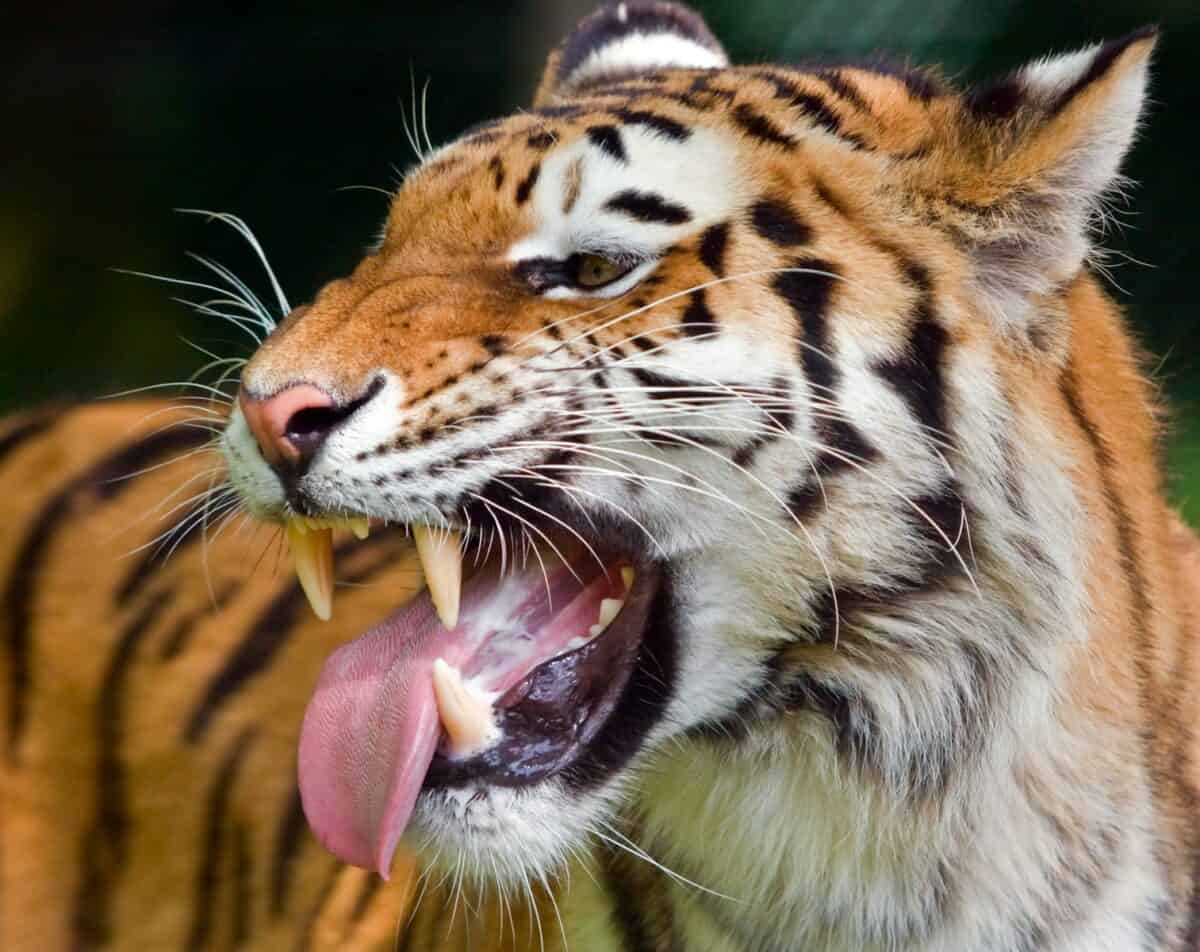
The exposure from “Tiger King” has sparked a renewed push for regulatory reform. Initiatives such as the Big Cat Public Safety Act aim to prohibit private individuals from owning big cats, thereby strengthening regulations and enhancing public safety. Advocacy groups continue to lobby for stricter laws that align with fair welfare standards.
Finding a Balance: Education and Entertainment
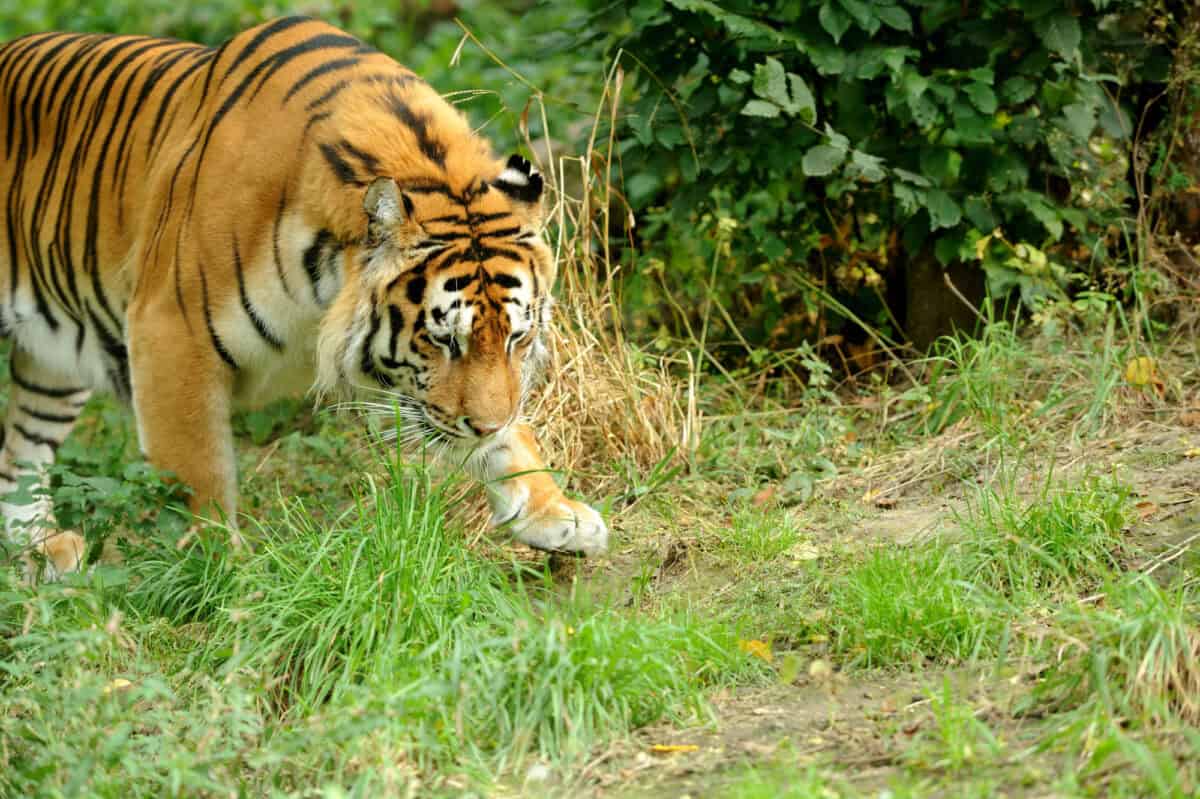
While there is no denying the public’s fascination with exotic animals, balancing education and entertainment is crucial. Zoos, both public and private, should aim to provide enriching and educational experiences without compromising animal welfare. Public engagement should foster curiosity and respect for wildlife, promoting conservation-minded agendas.
A Call for Ethical Awareness

As the “Tiger King” phenomenon fades, the conversation about private zoos must evolve. The general public, bolstered by increased access to information, has the power to drive change and demand higher standards. Whether it’s through supporting accredited zoos or advocating for policy changes, every action counts in the collective effort to improve the lives of these majestic creatures.
In summary, the world of private zoos is complex, with deep-rooted ethical and welfare issues that the public is only beginning to unravel. While “Tiger King” opened the lid on a hidden world, true change hinges on continued awareness and advocacy for improved regulation and animal welfare. Let us strive toward a more informed and compassionate approach to exotic animal care, ensuring that the world we share with these incredible beings remains a safe and respectful place for all.

- The Secret Language of Dolphins Decoded by Researchers - July 20, 2026
- 7 Animals That Can Survive Extreme Environments You Couldn’t - July 20, 2026
- The Longest Snake Ever Found in the U.S. - July 20, 2026