

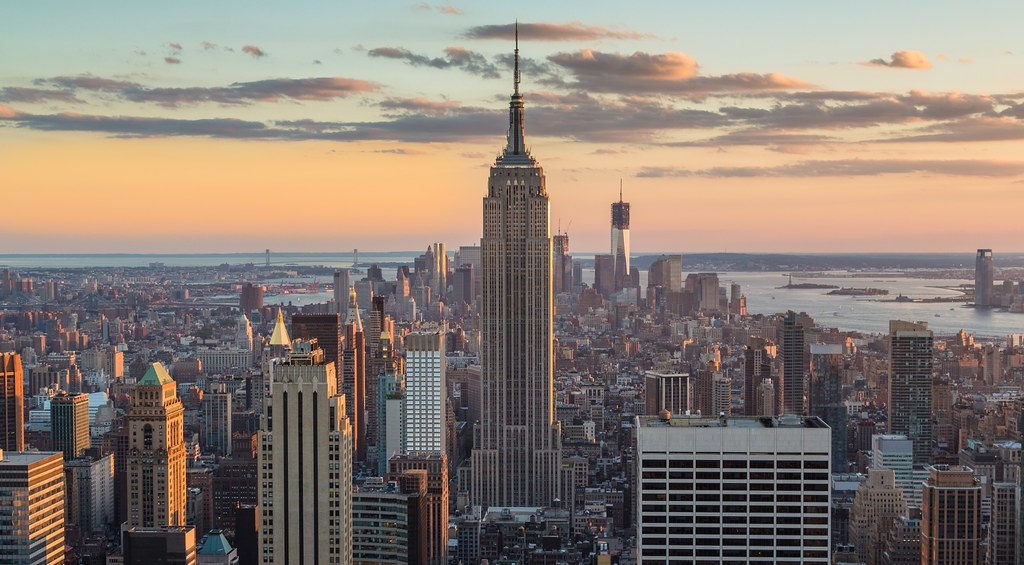
Early Spring Signals Emerge in Western States (Image Credits: Flickr)
NOAA’s Climate Prediction Center outlined a contrasting weather picture for March 2026, with warmer conditions expected in much of the West and South contrasted against cooler temperatures in the Northeast and northern regions.[1][2]
Early Spring Signals Emerge in Western States
The forecast pointed to above-normal temperatures across the Rockies, much of the West, and interior regions, setting the stage for accelerated spring transitions. Areas like the southern Rockies, Four Corners states, and parts of California stood out with the strongest signals for warmth. This shift promised higher snow levels in mountain ranges, potentially leading to mixed precipitation events rather than persistent snow cover.[1]
Forecasters noted that such conditions could spur early blooms in lower elevations, benefiting some outdoor sectors while raising concerns over rapid snowmelt in higher terrain. The Pacific Northwest presented a partial exception, where slightly cooler pockets near the Canadian border might preserve snowpack longer. Overall, the warming trend aligned with broader patterns observed in recent seasons.
Southern and Central Regions Tilt Toward Dry Warmth
South-central Plains and the lower Mississippi Valley emerged as hotspots for the most pronounced above-average temperatures during March. Drier-than-normal precipitation accompanied this warmth across much of the southern and central United States, including the Southeast. These conditions heightened drought risks in vulnerable areas already strained by prior dry spells.[1]
Agricultural interests monitored the outlook closely, as the combination of heat and low moisture could impact early planting decisions. Meanwhile, storms concentrated potential wetness in the Pacific Northwest, northern Rockies, Great Lakes, and Ohio Valley, offering relief in those zones but little elsewhere in the South.
Northeast and Northern Areas Face Extended Chill
In contrast, the Northeast and parts of the northern High Plains braced for below-normal temperatures, prolonging winter’s grip amid equal chances elsewhere in the East. Uncertainty lingered over the Appalachians and broader Northeast, though signals leaned toward milder averages overall. Alaska joined this cooler cohort, consistent with its typical variability.[1]
These cooler forecasts stemmed from ongoing atmospheric influences, including remnants of stratospheric patterns affecting jet stream flow. Residents prepared for possible late-season snow events, particularly where precipitation tilted above normal in the interior Northeast.
Precipitation Patterns Add Layer of Complexity
The monthly outlook highlighted above-normal precipitation risks in select areas like the Pacific Northwest, northern Rockies, Great Lakes, Ohio Valley, and interior Northeast. Conversely, below-normal amounts dominated the Sierra Nevada, Great Basin, southern Rockies, central and southern High Plains, and Southeast.
- Pacific Northwest: Wetter, with cooler temps boosting snow chances.
- Southern Rockies and Plains: Drier, warmer conditions prevail.
- Great Lakes and Ohio Valley: Elevated precipitation amid neutral to warmer temps.
- Southeast: Dry bias intensifies drought potential.
This split underscored the month’s potential for both flood concerns in wet zones and water stress elsewhere.[1]
Key Takeaways:
- Warmer-than-normal temperatures favored in Rockies, Plains, Midwest, and much of the East.
- Cooler conditions likely in Pacific Northwest, northern High Plains, and Alaska.
- Drier South and central US; wetter Pacific Northwest, northern Rockies, and Great Lakes.
As March 2026 unfolds, these predictions reflected evolving climate dynamics, prompting preparations from farmers to winter sports enthusiasts. The regional disparities highlighted the need for localized planning amid shifting seasonal norms. What impacts do you anticipate in your area? Share your thoughts in the comments.

- Urban Coyotes Show Remarkable Adaptability, Learning to Thrive in City Environments - July 22, 2026
- Beavers Are Nature’s Engineers, Creating Vital Habitats for Other Wildlife Species - July 21, 2026
- The Recovery of the California Condor Offers Hope for Other Critically Endangered Birds - July 21, 2026