
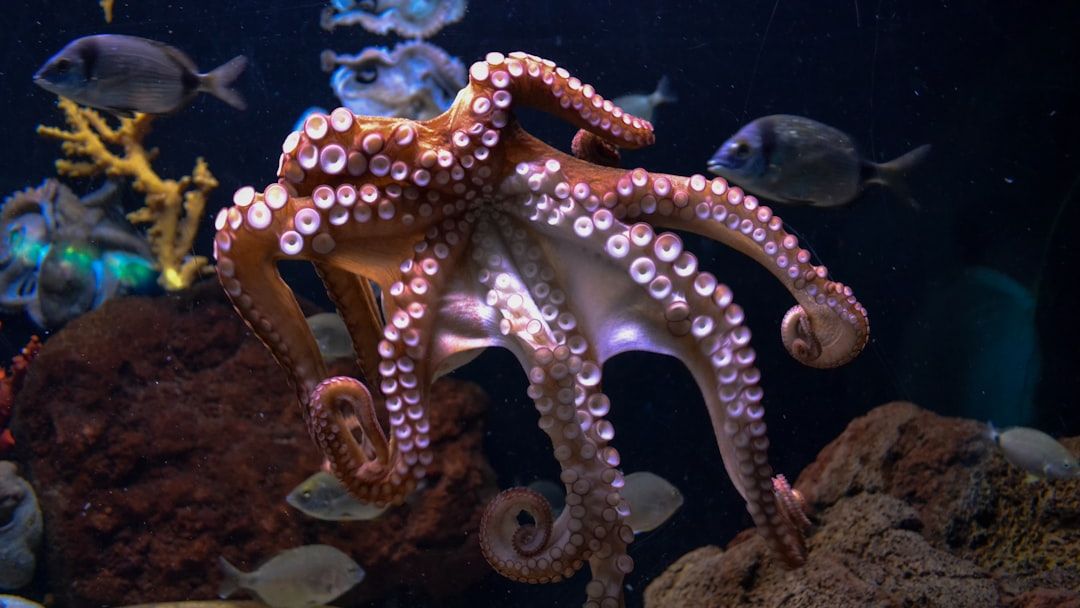
Three Hearts Working in Tandem
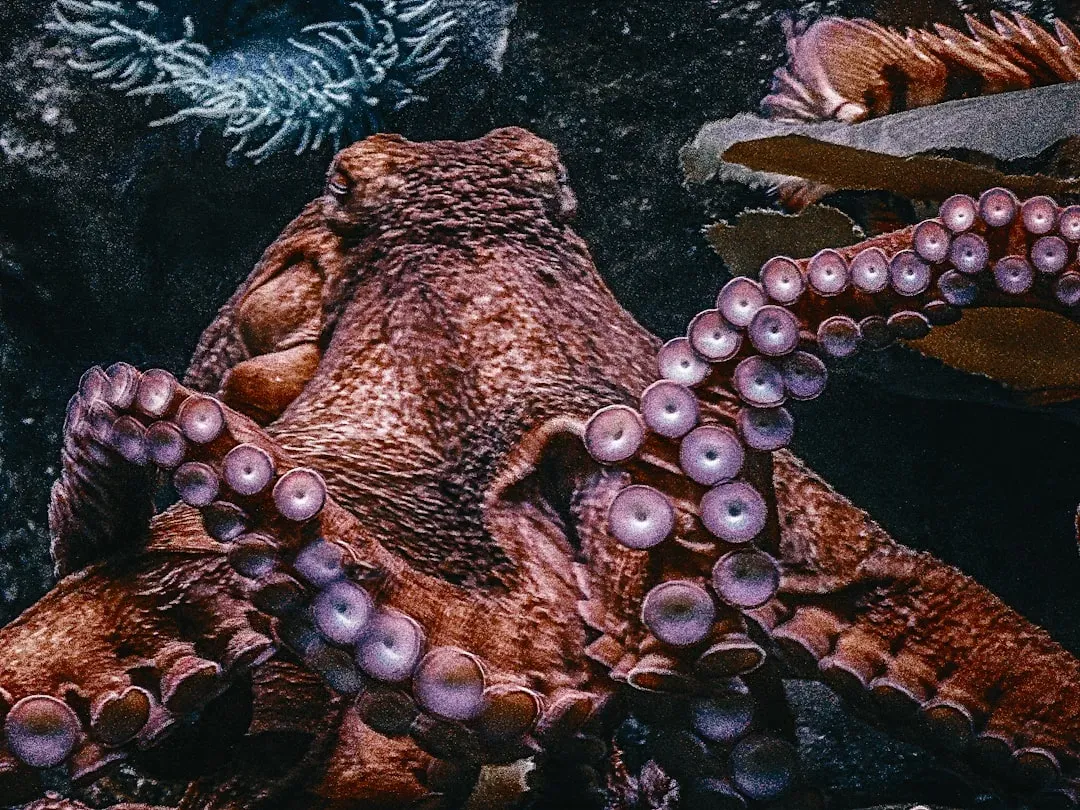
Octopuses rely on three separate hearts to keep blood moving through their bodies. Two of them sit near the gills and handle the flow of blood that has just picked up oxygen. The third heart pumps that oxygenated blood out to the rest of the body and brain.
This division of labor becomes especially important during active moments like swimming or hunting. When an octopus jets through water, the two gill hearts slow down while the main heart works harder. The arrangement keeps oxygen delivery steady even under changing demands.
The Mystery of Blue Blood
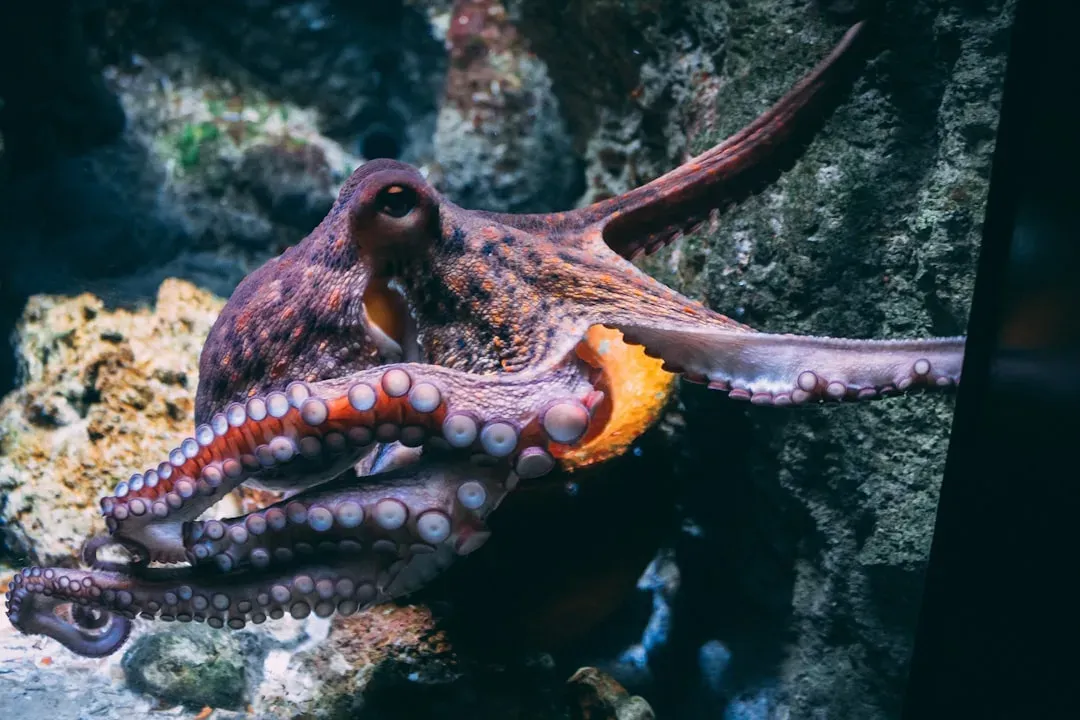
Instead of iron based hemoglobin that turns blood red in humans, octopuses use a copper based protein called hemocyanin. This gives their blood a distinct blue tint when it carries oxygen. The copper version works better in the cold, low oxygen waters where many octopus species live.
Blue blood also helps these animals tolerate varying temperatures and pressures as they move between shallow reefs and deeper zones. The trade off is that hemocyanin is less efficient at carrying large amounts of oxygen compared to hemoglobin. Still, the system suits the octopus lifestyle perfectly.
Neurons Spread Across the Body
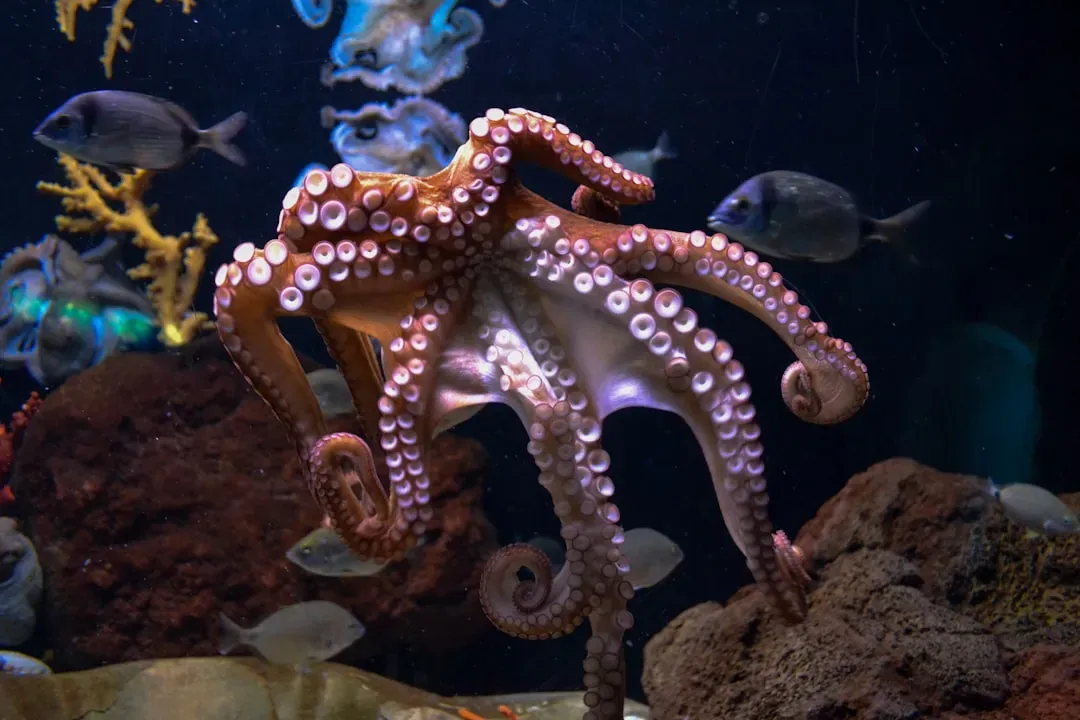
Roughly two thirds of an octopus nervous system sits outside the central brain and inside the arms. Each arm contains its own cluster of neurons that can process information and send signals without constant input from the head. This setup creates a kind of distributed intelligence.
The remaining third of the neurons forms the brain proper, which coordinates overall behavior and decision making. Because so much processing happens locally, an arm can react to touch or taste on its own. Scientists have observed arms continuing to explore even after separation from the body in certain experiments.
Arms That Think for Themselves
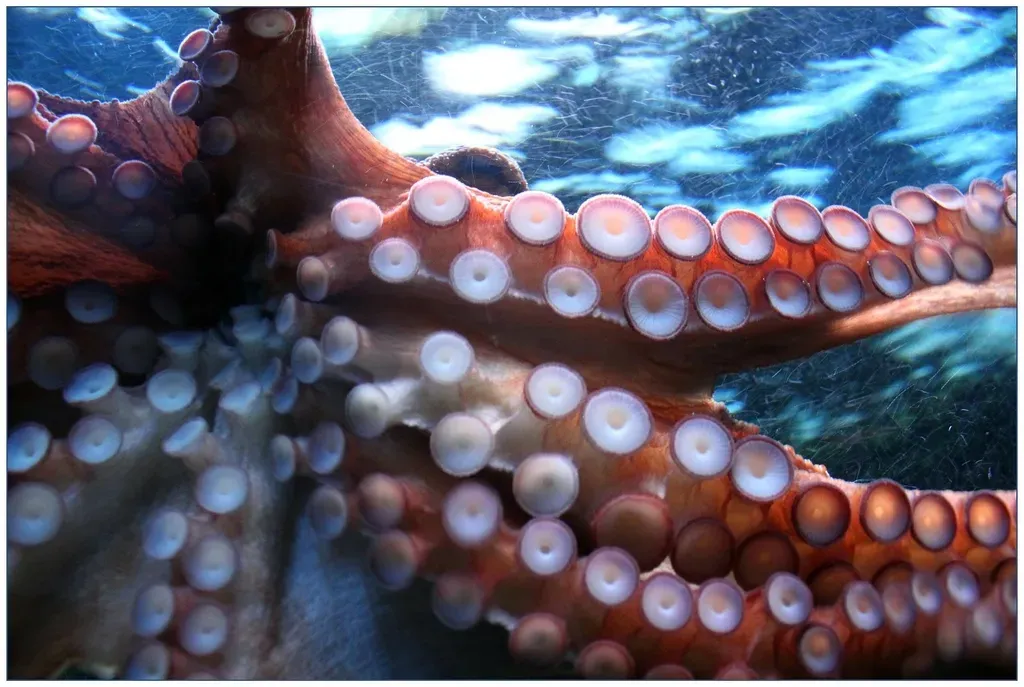
An octopus arm can taste, touch, and manipulate objects with remarkable independence. It senses chemicals in the water or on surfaces and decides whether to grasp or avoid something. This local control frees the central brain to focus on bigger picture tasks like navigation or predator avoidance.
Researchers have noted that arms sometimes seem to have preferences or even argue with one another during tasks. One arm might reach for food while another holds back. Such coordination without direct brain oversight highlights how the nervous system spreads decision making across the whole animal.
How This Setup Aids Hunting and Escape
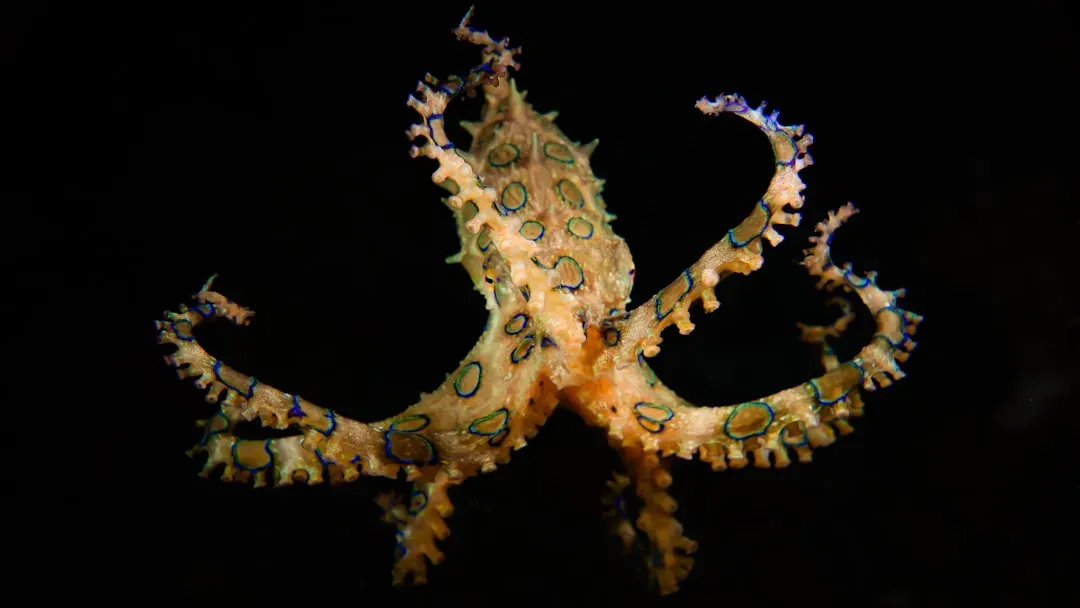
The combination of multiple hearts, blue blood, and arm based neurons supports the octopus need for quick bursts of activity followed by long rests. During a hunt, arms can probe crevices while the body stays camouflaged. If threatened, the animal can detach an arm and still have it move convincingly to distract a predator.
Escape responses benefit too. An octopus can jet away while its arms continue to feel the surroundings and steer. The distributed neurons allow split second adjustments that a single central brain might not manage fast enough in complex environments like coral reefs or rocky seabeds.
Insights Into Octopus Behavior and Learning
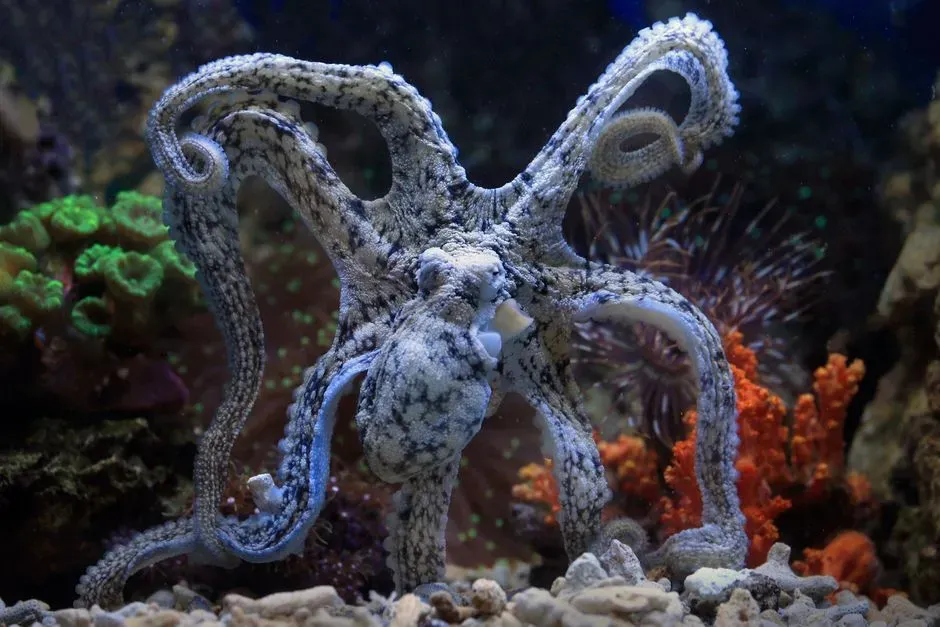
Observations in labs and the wild show octopuses solving puzzles, opening jars, and even using tools. The arm heavy nervous system likely contributes to this flexibility. Each arm gathers detailed sensory data that feeds back into learning processes.
Because the arms handle so much routine sensing and movement, the central brain can focus on pattern recognition and memory. This division may explain why octopuses adapt quickly to new situations and remember solutions over time. Their intelligence appears shaped by a body plan that spreads cognitive load rather than concentrating it.
Why These Traits Challenge Our View of Intelligence
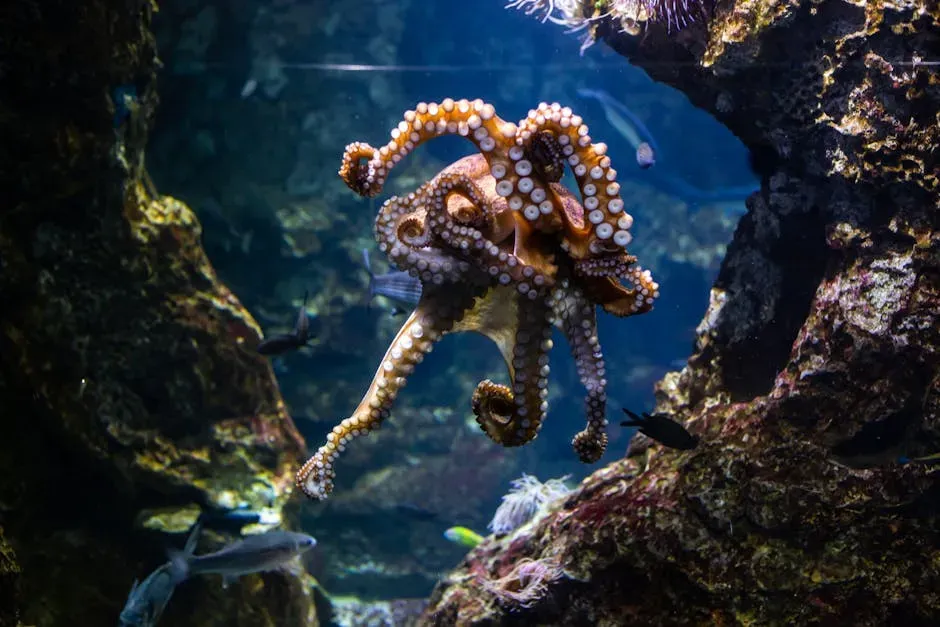
Octopus biology forces a rethink of what counts as smart in the animal world. Instead of a single powerful brain calling all the shots, these animals thrive with a network of smaller processing centers. The result is a form of intelligence that feels both alien and highly effective for their environment.
Such traits also raise questions about how we measure consciousness or awareness across species. An octopus experiences the world through systems that do not map neatly onto vertebrate models. This difference invites curiosity rather than quick comparisons, reminding us that evolution finds many paths to complex behavior. In the end, the octopus stands as a quiet example of how life can organize itself in ways that continue to surprise even seasoned observers.
