

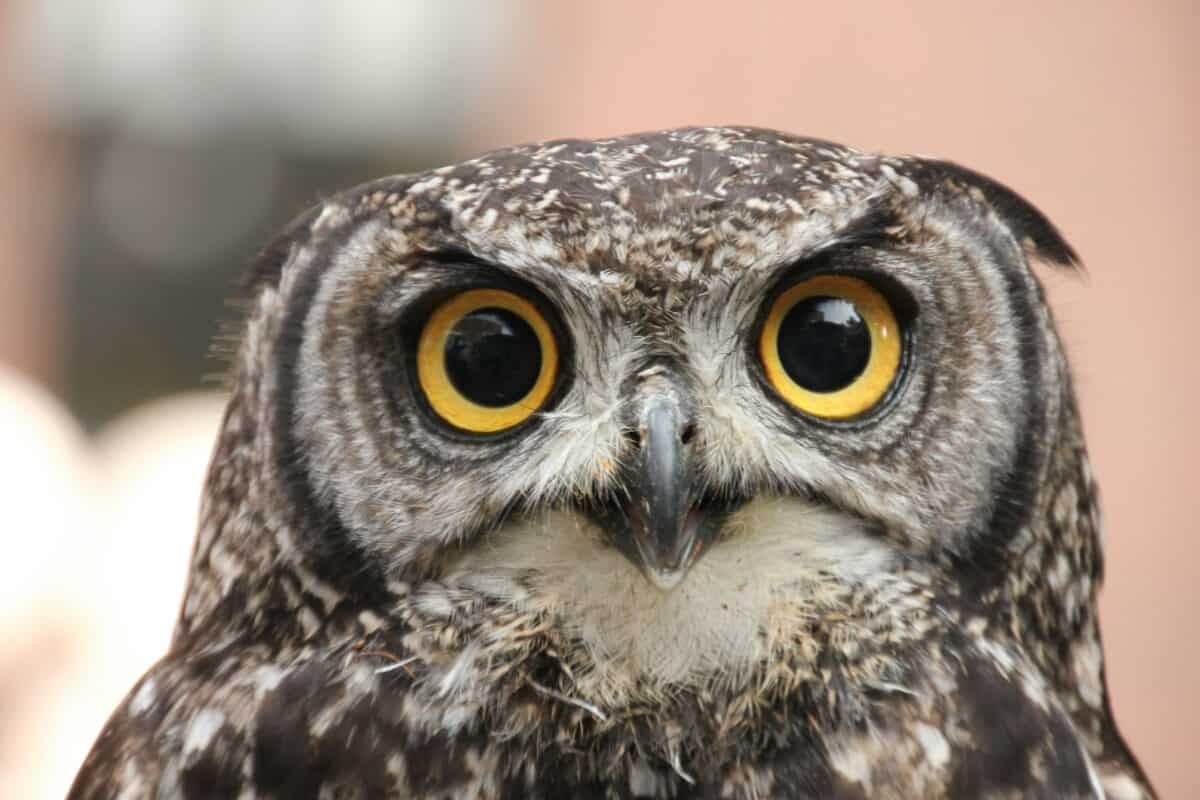
Nevada’s vast desert landscapes, characterized by rugged terrain and sweeping valleys, are home to an array of species that have adapted to thrive in its challenging conditions. Among these resilient inhabitants are the charming and enigmatic Burrowing Owls. These small, yet charismatic birds add a layer of fascination to the Silver State’s natural tapestry. Let’s delve into the world of Burrowing Owls and discover what makes these desert dwellers so special.
What Are Burrowing Owls?

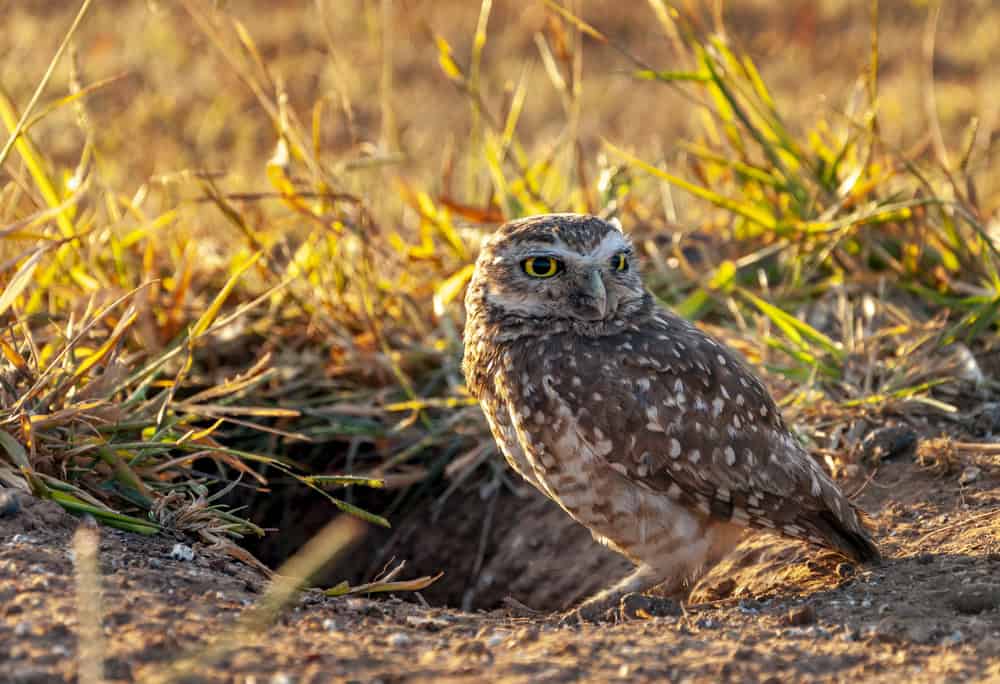
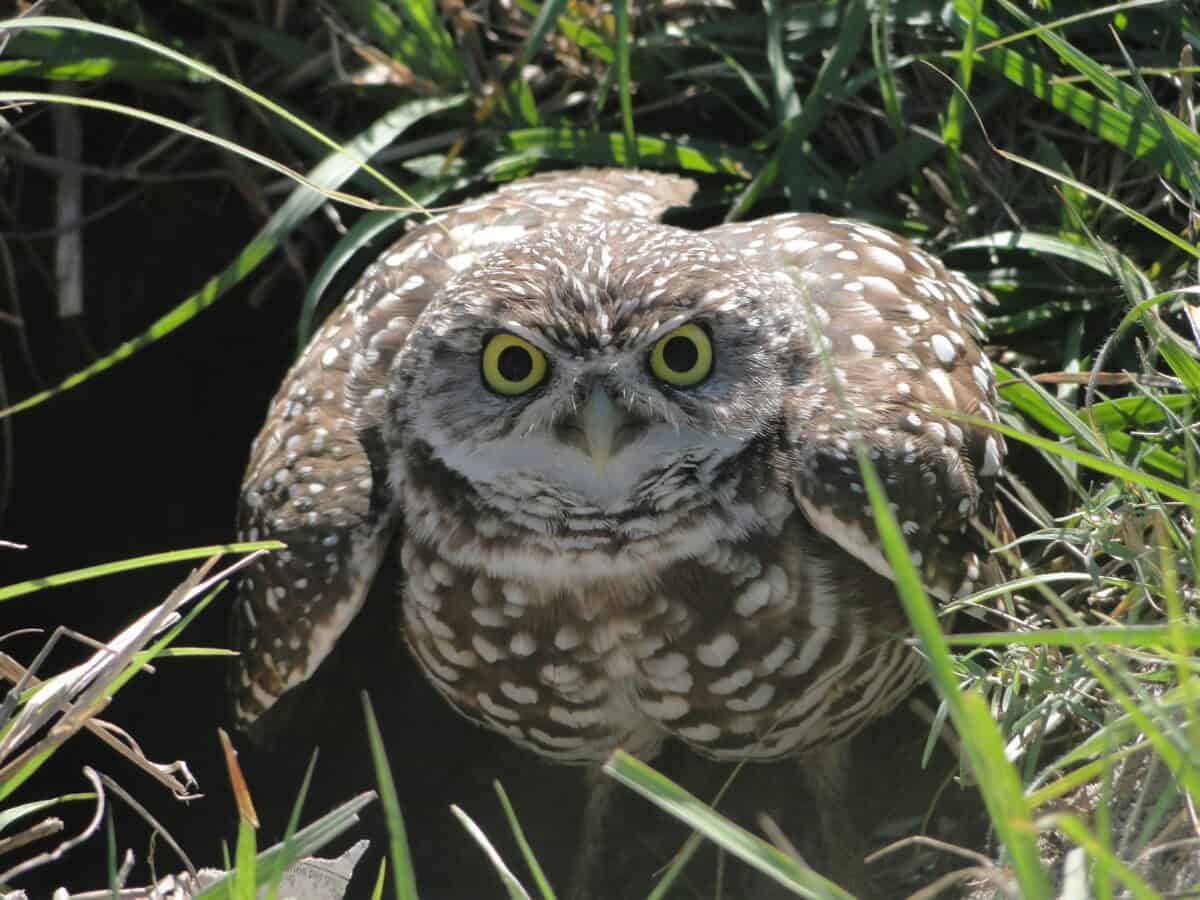
Burrowing Owls (Athene cunicularia) stand out from the typical image of a forest-dwelling owl perched on a tree branch. Instead, these small, long-legged owls prefer the ground, living in burrows they’ve either excavated themselves or taken over from other animals. They’re easily recognizable by their bright yellow eyes and distinctive “coo-coo-coo” call.
A Home in Nevada’s Desert
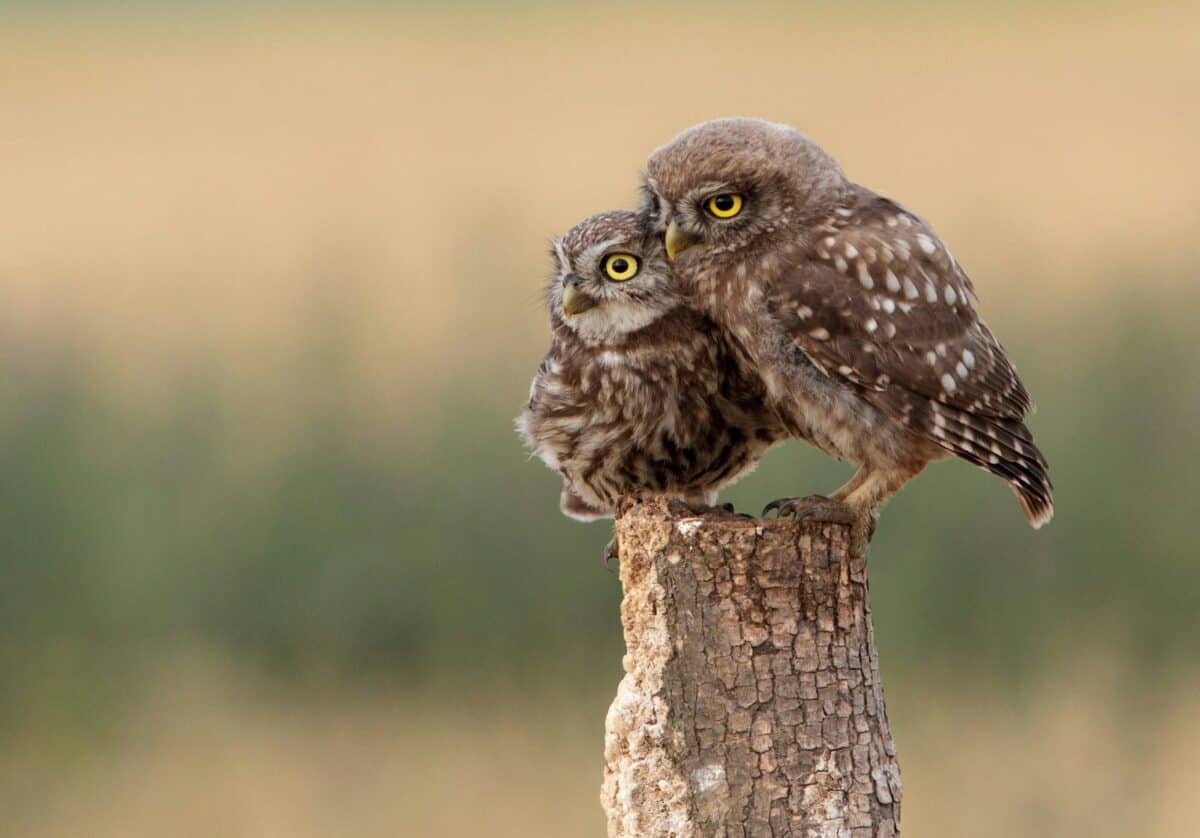
The arid expanses of Nevada’s desert serve as the perfect backdrop for the Burrowing Owl’s habitat. These owls are found in open landscapes where the ground is soft enough for burrowing but hard enough not to collapse. Their presence indicates a healthy underground ecosystem.
Their Diet: A Varied Menu

Burrowing Owls have a broad diet that includes insects, rodents, small birds, and reptiles. Their role as predators helps control the population of various pests, demonstrating their importance in maintaining ecological balance.
Unique Hunting Strategies

Unlike many owls, Burrowing Owls are often active during the day. Their hunting strategy involves waiting on a perch near their burrow or running along the ground to catch prey. Their daylight activity patterns help them avoid competition with other nocturnal predators.
Adaptations to Desert Life
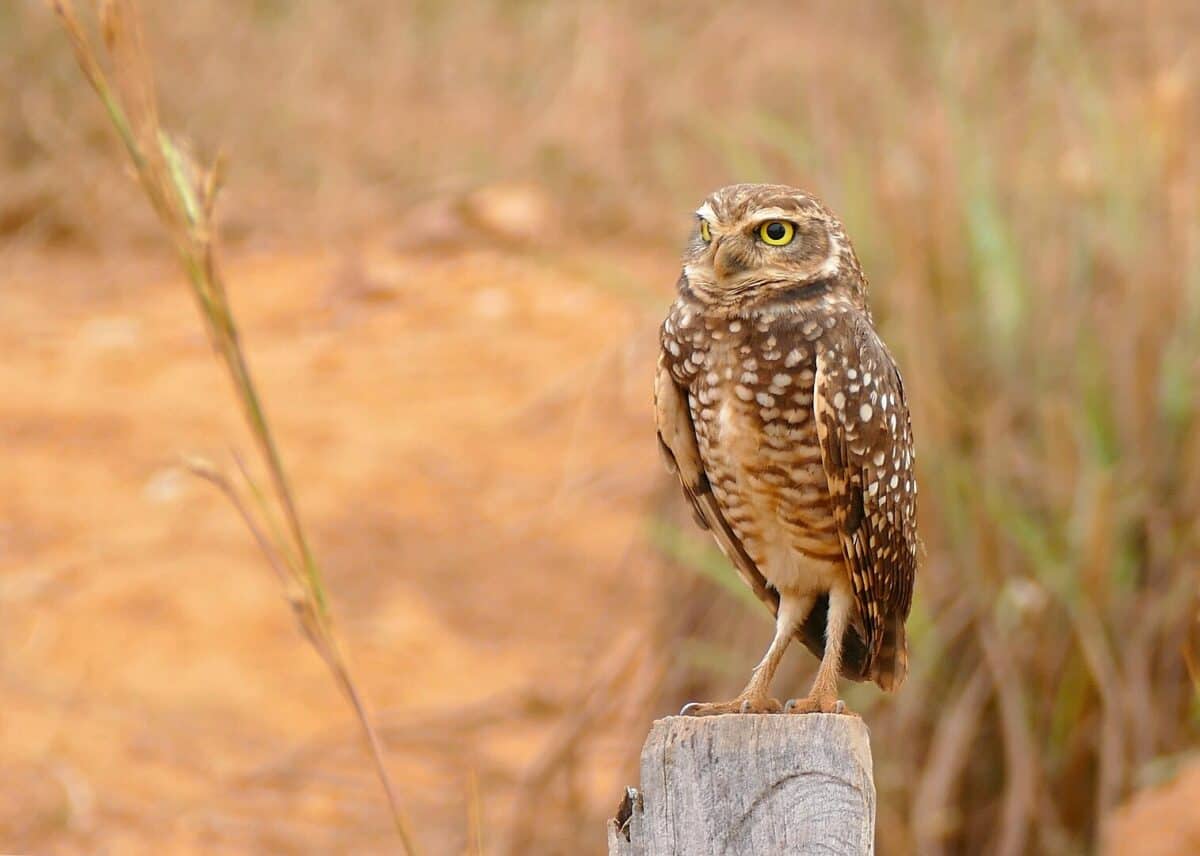
Surviving in the desert requires special adaptations. Burrowing Owls have developed longer legs to sprint and capture prey. Their ability to tolerate higher temperatures allows them to thrive in Nevada’s climate. Furthermore, these owls can survive for long periods without direct water intake, obtaining moisture from their food.
The Importance of Burrows
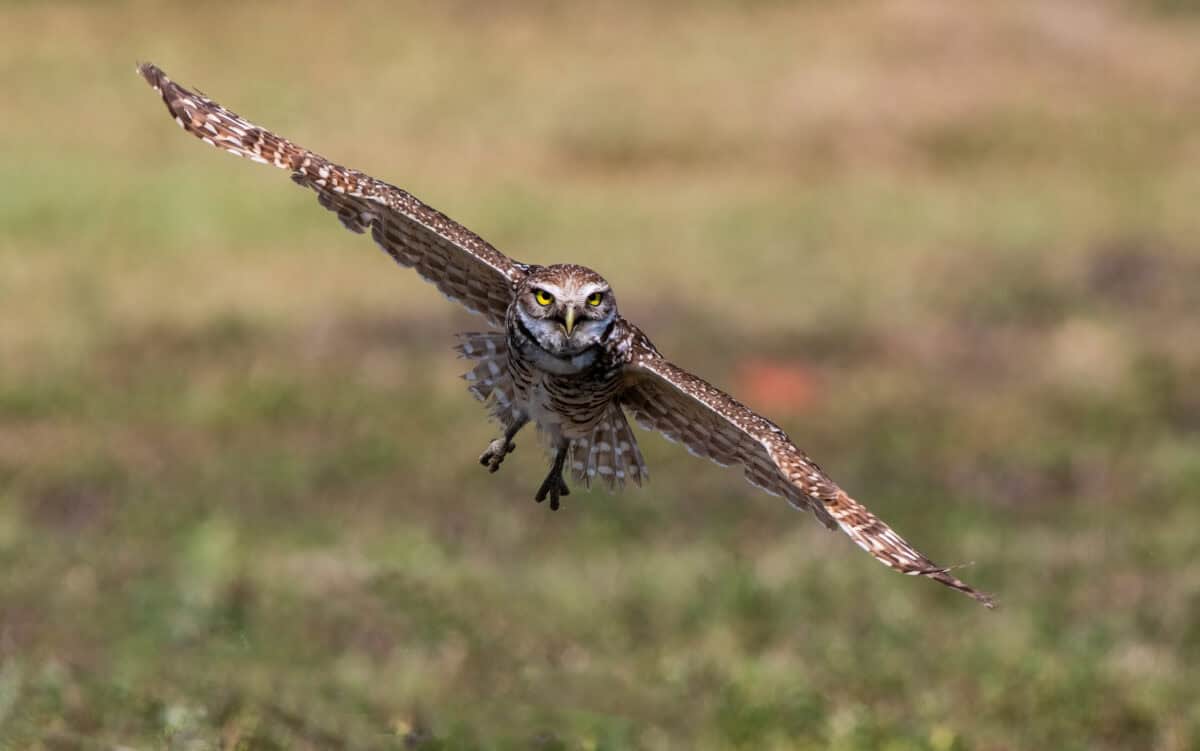
Burrows are not just homes for these owls; they’re essential for their survival, providing protection from predators and harsh weather. The burrows are also used for nesting and raising their young.
Mating and Reproduction

During the breeding season, Burrowing Owls become quite territorial. They lay between 4 to 12 eggs, which are incubated primarily by the female, while the male provides food. The young owls, or owlets, are born blind and helpless but grow rapidly.
Conservation Status
While not currently listed as endangered, Burrowing Owls face significant threats from habitat destruction due to urban development and agriculture. Conservation efforts are crucial to ensuring their habitats are preserved and that the populations remain stable.
Living Alongside Humans

Interestingly, Burrowing Owls can adapt to human-altered landscapes to some extent. They are sometimes found living near airports, vacant lots, and other open spaces within urban areas, highlighting their adaptability.
Citizen Science and Conservation
Public participation in monitoring Burrowing Owl populations can greatly aid their conservation. Citizen scientists play a vital role in tracking sightings, which helps researchers and conservationists in their efforts to protect these birds.
Protecting Burrowing Owls
To assist in the conservation of Burrowing Owls, you can participate in habitat restoration projects, support wildlife organizations, and educate others about the importance of these birds to Nevada’s desert ecosystem.Burrowing Owls enrich Nevada’s biodiversity. Their presence underscores the interconnectedness of desert life and the importance of each species in maintaining balance within their ecosystem. By understanding and protecting these captivating birds, we ensure the resilience of our natural landscapes.
In conclusion, Burrowing Owls are not just a fascinating aspect of Nevada’s wildlife; they are integral to the desert’s ecological health. Their unique lifestyle, adaptability, and role in the environment illustrate the complexity of life within the desert. As stewards of our planet, recognizing the significance of species like the Burrowing Owl is a step toward more conscientious conservation and a deeper appreciation of nature’s wonders.
