

In the frigid landscapes of North America, an extraordinary amphibian performs what seems like a miracle each winter. The wood frog (Lithobates sylvaticus) possesses an almost supernatural ability—it can freeze nearly solid for weeks or even months, showing no signs of life, only to thaw and hop away when spring arrives. This remarkable survival strategy represents one of nature’s most astonishing adaptations, pushing the boundaries of what living organisms can endure. As climate patterns become increasingly unpredictable, understanding how these resilient creatures manage such extreme conditions offers valuable insights not just for biology, but potentially for human medicine as well.
The Remarkable Wood Frog

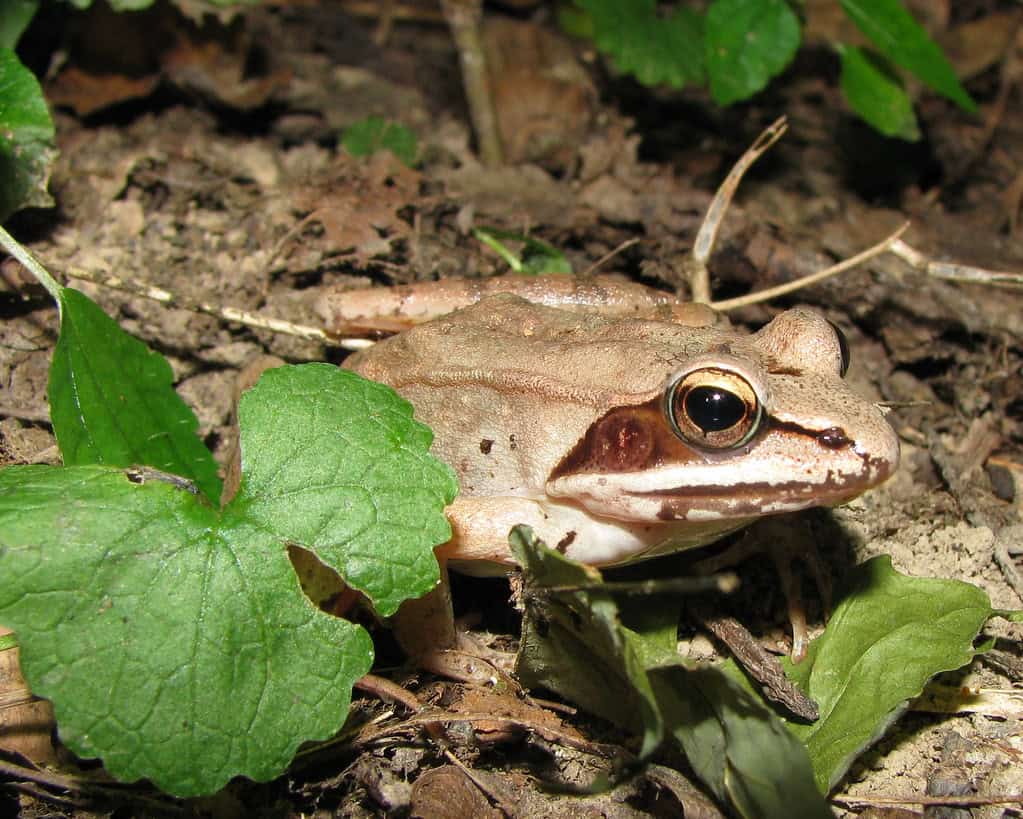
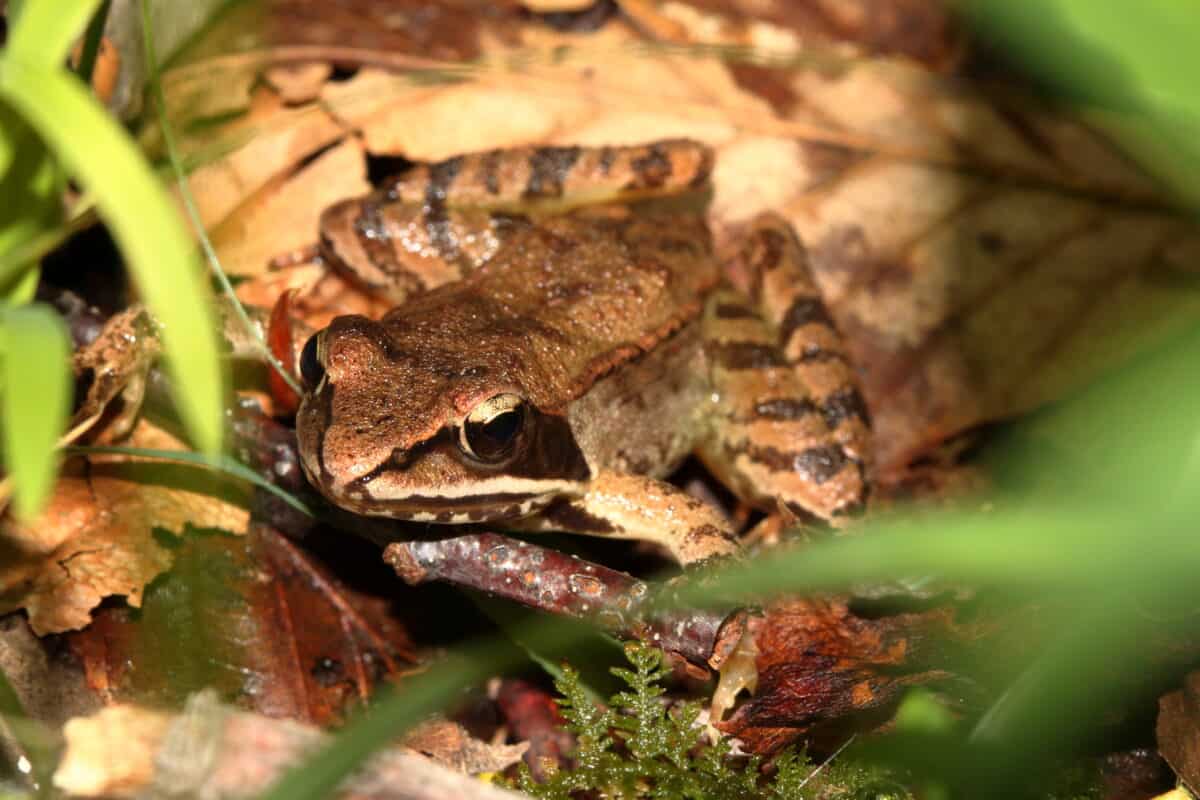
The wood frog (Lithobates sylvaticus) is a medium-sized amphibian, typically measuring between 1.5 to 3 inches in length. Distinguished by its mask-like dark patch extending from the eye to the tympanum (eardrum) and a white upper lip, this unassuming creature has a range that extends farther north than any other North American amphibian. Their coloration varies from tan to dark brown, sometimes with a reddish tint, allowing them to blend perfectly with the forest floor. Despite their ordinary appearance, these frogs possess extraordinary physiological capabilities that have fascinated scientists for decades. Wood frogs can be found throughout much of Canada, Alaska, and the northeastern United States, typically inhabiting moist woodlands and adjacent areas.
The Science of Freeze Tolerance

Freeze tolerance in wood frogs represents a sophisticated adaptation that differs fundamentally from mere cold resistance. Unlike hibernation, where animals maintain a minimum body temperature above freezing, wood frogs actually permit ice to form within their tissues and organs. During freezing, up to 65-70% of the frog’s total body water converts to ice. Their heartbeat stops, breathing ceases, and all measurable metabolic activity becomes undetectable. From all outward appearances, the frog appears lifeless—hard to the touch and unable to respond to stimuli. This state represents a form of cryptobiosis, or “hidden life,” where normal biological functions are temporarily suspended in response to adverse environmental conditions. What makes this adaptation particularly remarkable is that the frogs can endure multiple freeze-thaw cycles within a single winter, each time recovering without apparent harm.
Cryoprotectant Chemistry
The wood frog’s survival depends on sophisticated biochemical mechanisms that protect its cells from the devastating effects of ice formation. As temperatures drop, the frog’s liver begins converting stored glycogen into glucose at an extraordinary rate, flooding the bloodstream with this natural antifreeze. Glucose concentrations in the blood can increase up to 200-fold compared to normal levels—a condition that would cause severe diabetes in humans but serves as a lifesaving adaptation for the frog. This glucose permeates cell membranes throughout the body, preventing excessive dehydration and offering protection against cell damage. Additionally, the frogs produce specialized proteins that help manage ice formation, ensuring it occurs in extracellular spaces rather than within cells where it would cause lethal damage. Some research has also identified urea and other compounds that work synergistically with glucose to enhance freeze protection, creating a complex cryoprotectant system refined through millennia of evolution.
The Freezing Process

When autumn temperatures begin to fall, wood frogs prepare for their remarkable winter dormancy. Rather than seeking deep burrows below the frost line as many amphibians do, wood frogs typically nestle just beneath leaves or shallow soil where they will be exposed to freezing temperatures. The freezing process begins when ice crystals form on the skin, which triggers nucleation—the initiation of ice formation—in other parts of the body. Within hours, ice progressively spreads throughout the frog’s body, crystallizing in spaces between cells and organs. Blood flow ceases as the heart stops beating, and breathing halts completely. The eyes turn white as the lens freezes, giving the frog a ghostly appearance. Brain activity becomes undetectable, and the frog enters a state of suspended animation that defies conventional definitions of life. This process typically occurs gradually over several hours, allowing the frog’s protective biochemical responses to activate properly—a too-rapid freeze would be fatal.
Surviving the Thaw
Perhaps even more remarkable than the freezing process is the wood frog’s ability to recover from it. As temperatures rise in spring, the thawing begins from the inside out, with the vital organs resuming function first. Within hours of thawing, the heart begins beating again, circulating blood to oxygen-deprived tissues. Brain activity returns, and within a day or two, the frog regains motor function and responds to stimuli. Remarkably, the frogs show no signs of tissue damage or impaired function following these freeze-thaw cycles. Within 24 hours of thawing, many frogs are already hopping toward breeding ponds, ready to reproduce. The wood frog’s rapid recovery represents an extraordinary feat of biological resilience, as the organism must manage potentially damaging processes like rapid reoxygenation of tissues and clearing of accumulated waste products that built up during dormancy. Researchers have found that wood frogs can survive multiple freeze-thaw cycles within a single winter, each time recovering fully from what would be fatal conditions for most vertebrates.
Evolutionary Advantages

The wood frog’s freeze tolerance has evolved as a strategic adaptation to its northern habitat. By surviving in a frozen state near the surface, rather than burrowing below the frost line, wood frogs can respond quickly to spring thaws. This gives them a competitive advantage in breeding, as they are often the first amphibians to arrive at breeding ponds—sometimes even when ice still partially covers the water. This early arrival allows them to breed and have their tadpoles develop before predators become active and before competition from other amphibian species intensifies. The ability to survive freezing has also enabled wood frogs to expand their range far northward into Alaska and across Canada, inhabiting regions where many other amphibians cannot survive. From an evolutionary perspective, freeze tolerance represents a fascinating example of how physiological adaptations can open ecological niches that would otherwise be inaccessible. The energy conservation of remaining in shallow hibernation sites, compared to the effort required to dig deep below the frost line, may also provide survival advantages in resource-limited northern environments.
Geographic Distribution and Habitat

Wood frogs possess the northernmost range of any amphibian in North America, extending from the southern Appalachians through Canada and into the Arctic Circle in Alaska. This remarkable distribution is made possible by their freeze tolerance, which allows them to survive in regions where winter temperatures routinely fall far below freezing. Wood frogs typically inhabit moist woodlands, forested wetlands, and adjacent meadows, where they spend much of their time among leaf litter on the forest floor. Unlike many amphibians that require permanent water bodies, wood frogs are somewhat terrestrial, returning to water primarily for breeding. During summer, they may venture quite far from water sources, feeding and sheltering in forests. Their ability to disperse through upland areas has contributed to their wide distribution across northern landscapes. Interestingly, research has shown that populations in different parts of their range show variations in freeze tolerance abilities, with northern populations generally able to survive lower temperatures than their southern counterparts—a clear example of local adaptation to environmental conditions.
Annual Life Cycle

The wood frog’s life follows a rhythmic seasonal cycle punctuated by dramatic physiological transitions. As one of the earliest amphibians to emerge in spring, male wood frogs gather at breeding ponds, sometimes when patches of ice still remain, producing distinctive duck-like calls to attract females. Breeding is explosive and synchronized, with most mating occurring within just a few days. Females lay egg masses containing hundreds of eggs, typically attached to submerged vegetation in shallow water. The eggs develop rapidly, hatching into tadpoles within 1-3 weeks depending on water temperature. Tadpole development continues for 6-15 weeks before metamorphosis into froglets. Young frogs disperse into surrounding woodlands, where they feed and grow throughout summer. As fall approaches, wood frogs begin preparing for winter by accumulating glycogen in their liver and adjusting their physiological systems for the coming freeze. This annual cycle represents a remarkable balance of rapid reproduction, growth, and preparation for extreme survival conditions, all compressed into the brief active season available in northern climates.
Research and Scientific Importance

Wood frogs have become important research subjects across multiple scientific disciplines. Cryobiologists study their freeze tolerance mechanisms to better understand how biological systems can survive extreme conditions. Medical researchers examine wood frogs for insights that might improve organ preservation for transplantation—if frog tissues can survive freezing, perhaps human organs could be preserved longer using similar mechanisms. Conservation biologists monitor wood frog populations as indicators of ecosystem health, as their permeable skin makes them sensitive to environmental toxins and changes. Their widely scattered breeding sites and annual migrations make them useful for studying habitat connectivity and fragmentation effects. Developmental biologists investigate how their embryos and tadpoles can develop normally in extremely cold water that would compromise development in many other species. The wood frog’s remarkable adaptations continue to inspire scientific inquiry and potentially groundbreaking applications, demonstrating how fundamental research on wildlife can lead to unexpected benefits for human knowledge and technology.
Other Freeze-Tolerant Animals

While wood frogs represent perhaps the most studied freeze-tolerant vertebrate, they are not alone in this remarkable adaptation. Several other North American frogs, including spring peepers (Pseudacris crucifer), chorus frogs (Pseudacris species), and gray treefrogs (Hyla versicolor), also demonstrate varying degrees of freeze tolerance. Beyond amphibians, certain reptiles like the painted turtle (Chrysemys picta) can survive partial freezing, while hatchlings of this species show remarkable tolerance to freezing conditions. In the invertebrate world, freeze tolerance is more common, with numerous insects employing similar biochemical strategies involving specialized antifreeze proteins and cryoprotectants. The Arctic woolly bear moth caterpillar (Gynaephora groenlandica) can survive freezing for multiple winters, sometimes taking up to 14 years to complete its life cycle in the harsh Arctic environment. Marine life in polar regions, including certain fish species, have evolved antifreeze proteins that prevent ice crystal formation in their bloodstream. Each of these organisms represents a unique evolutionary solution to surviving extreme cold, though few match the wood frog’s remarkable ability to recover from near-complete freezing of body tissues.
Conservation Concerns
Despite their remarkable resilience to cold, wood frogs face growing threats from human activities. Habitat destruction and fragmentation represent significant challenges, particularly because wood frogs depend on both woodland habitats and seasonal breeding ponds, requiring safe passage between these environments. Climate change presents a complex threat; while warming temperatures might initially seem beneficial for cold-adapted species, the increased frequency of freeze-thaw cycles during winter can be deadly if frogs exhaust their energy reserves through repeated freezing and thawing. Environmental contaminants, including road salt, agricultural chemicals, and pollutants, can compromise the frogs’ freeze tolerance mechanisms and general health. Seasonal wetlands, essential for breeding, receive limited protection in many areas and are frequently drained or filled for development. Disease pressures, including the amphibian chytrid fungus that has devastated many frog populations worldwide, represent another potential threat. Conservation efforts focus on maintaining connected habitats with protected corridor areas and preserving the seasonal wetlands essential for breeding. Some jurisdictions have implemented specific protections for vernal pools where wood frogs and other amphibians breed, recognizing their ecological importance beyond their small physical footprint.
Applications to Human Medicine

The wood frog’s remarkable freeze tolerance has captured the attention of medical researchers seeking ways to improve organ preservation for transplantation. Currently, human organs remain viable for transplantation for relatively short periods—typically hours—significantly constraining the logistics of organ transplantation. If the mechanisms used by wood frogs to protect their cells during freezing could be adapted for medical use, it might revolutionize organ preservation, potentially extending viability from hours to days or even weeks. Researchers are particularly interested in how wood frogs prevent cell death during ischemia (lack of blood flow) and reperfusion (return of blood flow), conditions that occur during organ transplantation and cause significant damage. Studies on glucose transport mechanisms and natural antifreeze proteins from freeze-tolerant animals have already influenced experimental approaches to hypothermic preservation techniques. Beyond organ preservation, understanding freeze tolerance mechanisms could potentially inform treatments for frostbite, improve blood storage techniques, and even contribute to theoretical exploration of human cryopreservation. While direct applications remain largely experimental, the wood frog demonstrates how nature has already solved problems that continue to challenge medical science.
Conclusion
The wood frog stands as a remarkable testament to the extraordinary adaptations that have evolved in response to environmental challenges. Through sophisticated biochemical mechanisms developed over millions of years of evolution, these unassuming amphibians accomplish what seems impossible—surviving in a frozen state and returning to normal function without apparent harm. Their freeze tolerance not only enables them to thrive in harsh northern environments but also offers valuable insights that may someday transform fields from medicine to conservation biology. As we face growing environmental uncertainties, the wood frog’s resilience provides both inspiration and practical lessons about adaptation and survival. Perhaps most importantly, these remarkable creatures remind us that some of nature’s most extraordinary innovations often exist in common species we might otherwise overlook, waiting for us to discover and understand their secrets.

- The Story of the Arctic Fox’s Incredible Seasonal Transformation - July 18, 2026
- 10 Most Venomous Snakes in US National Parks - July 18, 2026
- The Moth That Drinks Blood - July 18, 2026