

Dinosaurs, those magnificent creatures that ruled Earth for over 165 million years, have long captured our imagination. From towering sauropods to fearsome predators like Tyrannosaurus rex, these prehistoric beings seem almost mythical. Yet, recent paleontological discoveries have revealed something profoundly humanizing about these ancient reptiles—they suffered from cancer, just like modern animals and humans. This discovery bridges a gap of millions of years, connecting us to these prehistoric creatures through shared biological vulnerabilities. The identification of malignancies in dinosaur fossils not only provides insights into dinosaur pathology but also offers valuable perspectives on the evolutionary history of cancer as a disease that has affected vertebrates for millions of years.
The Breakthrough Discovery of Cancer in Dinosaurs

In a groundbreaking study published in 2020, scientists identified an aggressive form of bone cancer called osteosarcoma in a Centrosaurus apertus, a horned dinosaur that lived approximately 77 million years ago during the Late Cretaceous period. The fossil, discovered in the Dinosaur Provincial Park in Alberta, Canada, showed evidence of advanced cancer in its fibula (lower leg bone).
Initially, paleontologists thought the malformed bone was the result of a healed fracture, but through detailed examination using advanced imaging techniques including high-resolution computed tomography (CT) scans, researchers conclusively identified the growth as malignant cancer. This marked the first confirmed case of malignant cancer in a dinosaur and shattered the misconception that cancer is primarily a modern human disease influenced by contemporary environmental factors and lifestyles.
Types of Cancer Found in Dinosaur Remains

Beyond osteosarcoma, paleontologists have identified several other potential cancer types in dinosaur fossils. Evidence suggests cases of hemangiomas (benign tumors of blood vessel cells) in duck-billed hadrosaurs, and possible instances of metastatic cancer in various specimens. Researchers have also documented lesions consistent with osteomas (benign bone tumors) in Tyrannosaurus specimens. Each discovery adds to our understanding of cancer’s prevalence in the Mesozoic Era. While the fossil record inevitably presents an incomplete picture of dinosaur pathology due to the rare conditions needed for fossilization, these findings suggest that cancer affected many dinosaur species across different taxonomic groups, indicating that the disease has deep evolutionary roots and is not merely a consequence of modern living conditions.
How Scientists Identify Cancer in Fossil Bones
Identifying cancer in fossilized remains presents unique challenges that require sophisticated methodologies. Researchers employ a multidisciplinary approach combining paleontology, veterinary medicine, and human pathology. The process typically begins with visual inspection of abnormal bone structures, followed by advanced imaging techniques such as CT scans and micro-CT technology that can reveal internal bone structure without damaging the specimen. X-ray diffraction analysis helps determine bone composition and detect abnormalities at the mineral level.
In some cases, thin sections of fossil bone are examined under microscopes to observe histological features characteristic of tumors. Scientists also use comparative analysis, contrasting suspected cancerous lesions with those found in modern animals to confirm diagnoses. This rigorous methodology ensures that cancer identifications in dinosaur fossils are not merely speculative but based on solid scientific evidence comparable to modern medical diagnostics.
The Case of the Centrosaurus with Osteosarcoma
The Centrosaurus specimen with confirmed osteosarcoma represents one of the most compelling cases of dinosaur cancer. This specific individual suffered from an advanced malignant bone tumor that had severely damaged and deformed its fibula. What makes this case particularly interesting is that despite having an aggressive, terminal cancer that would have significantly compromised mobility, the dinosaur wasn’t isolated—it was found in a bone bed with numerous other Centrosaurus individuals, suggesting it died alongside its herd during a flooding event.
This indicates that despite its illness, the dinosaur continued to move with its social group, potentially receiving passive protection from predators through herd behavior. The study of this specimen involved over 30 specialists from diverse fields including pathology, radiology, and orthopedic surgery. Their analysis confirmed that the cancer’s cellular pattern, growth, and progression closely resembled osteosarcoma seen in humans today, despite the 77-million-year gap separating us from this dinosaur.
Cancer in Different Dinosaur Species

Evidence of cancer has been identified across various dinosaur lineages, suggesting that the disease affected diverse species throughout the Mesozoic Era. Among theropods, a specimen of Allosaurus fragilis from the Cleveland-Lloyd Dinosaur Quarry exhibited lesions consistent with a possible neoplastic growth. Hadrosaurs (duck-billed dinosaurs) appear particularly well-represented in the fossil cancer record, with multiple specimens showing evidence of various tumors, possibly due to their abundance in the fossil record.
One famous case involves a Edmontosaurus with multiple bone tumors discovered in the Lance Formation. Among ceratopsians, beyond the Centrosaurus with osteosarcoma, researchers have identified potential cases of benign growths in Triceratops specimens. Even among sauropods, the giant long-necked dinosaurs, there are specimens with vertebral deformities that some researchers believe could represent cancerous growths. This wide distribution suggests that cancer susceptibility was common across the dinosaur family tree, affecting both herbivores and carnivores, large and small species alike.
Cancer Through Deep Time: From Dinosaurs to Humans

The discovery of cancer in dinosaur fossils illuminates the ancient origins of this disease, proving it isn’t uniquely human or even mammalian. Cancer predates the dinosaurs, with evidence found in fossilized fish from the Devonian period approximately 400 million years ago. The fundamental mechanisms of cancer—uncontrolled cell division resulting from genetic mutations—appear to be as old as multicellular life itself. There’s a striking continuity in cancer’s manifestation across vast evolutionary time; the osteosarcoma in a Centrosaurus from 77 million years ago displays patterns remarkably similar to those in modern humans and animals.
This evolutionary persistence suggests that cancer is an inherent vulnerability in complex cellular organisms, a kind of biological trade-off that comes with the advantages of multicellularity. Understanding cancer’s deep evolutionary history provides context for modern cancer research, reminding us that we’re battling a disease process that has been refined by natural selection over hundreds of millions of years. This perspective may influence therapeutic approaches, as we recognize that cancer’s resilience has evolutionary roots extending back to the time of dinosaurs and beyond.
The Prevalence of Cancer in Prehistoric Times
Determining the true prevalence of cancer among dinosaurs presents significant challenges due to the incomplete nature of the fossil record. Only a small fraction of dinosaurs that ever lived became fossilized, and of those, only a tiny percentage have been discovered and studied. Moreover, cancer primarily affects soft tissues, which rarely fossilize, meaning our view is largely limited to bone cancers or advanced cancers that affected skeletal structures. Despite these limitations, the growing number of identified cases suggests cancer wasn’t rare among dinosaurs.
Some researchers estimate that cancer rates among certain dinosaur species might have been comparable to those seen in modern wild animals, with perhaps 1-3% of individuals affected by some form of neoplasia during their lifetime. Environmental factors unique to the Mesozoic Era, such as periods of intense volcanic activity that released carcinogenic compounds into the atmosphere, could have influenced cancer rates. Additionally, the long lifespans of larger dinosaur species might have increased their lifetime cancer risk, similar to how cancer risk increases with age in modern animals.
Environmental Carcinogens in the Mesozoic Era

The Mesozoic environment contained numerous potential carcinogens that may have contributed to cancer development in dinosaurs. Intense volcanic activity, particularly during the Cretaceous period, released substantial amounts of ash and gases containing naturally occurring carcinogens such as arsenic, chromium, and radioactive elements into the atmosphere. The planet also experienced periods of decreased ozone layer protection, potentially exposing dinosaurs to higher levels of ultraviolet radiation—a known carcinogen.
Natural radiation from cosmic sources and radioactive minerals in the environment would have been present, as they are today. Some plants of the Mesozoic Era produced toxic compounds as defense mechanisms, and dinosaurs consuming these plants might have ingested potential carcinogens. Additionally, some researchers speculate that certain parasites and viral infections that affected dinosaurs might have contributed to cancer development, similar to how human papillomavirus (HPV) can lead to cervical cancer in humans today. While we cannot directly measure dinosaurs’ exposure to these carcinogens, the presence of cancer in their fossils suggests that environmental factors played a role in dinosaur health much as they do in modern ecosystems.
Peto’s Paradox and Dinosaur Cancer

Peto’s Paradox—named after epidemiologist Richard Peto—observes that larger animals with more cells and longer lifespans don’t suffer from higher cancer rates than smaller animals, despite having more cells that could potentially become cancerous. This paradox takes on fascinating dimensions when applied to dinosaurs, particularly the massive sauropods that could weigh over 70 tons and potentially live for a century or more. Based on size alone, these giants should have been riddled with cancer, yet they thrived for millions of years. This suggests they likely evolved enhanced cancer suppression mechanisms.
Research on modern large animals such as elephants shows they possess multiple copies of the tumor-suppressor gene p53, compared to only one pair in humans. Similarly, dinosaurs, especially large species, may have evolved sophisticated genetic safeguards against cancer. Some scientists hypothesize that sauropods might have had additional copies of tumor-suppressor genes, more efficient DNA repair mechanisms, or enhanced immune surveillance systems that detected and eliminated cancerous cells before they could form tumors. Studying cancer in dinosaurs, particularly how the largest species potentially evaded it, could provide valuable insights for human cancer research.
Comparative Oncology: Dinosaurs, Modern Reptiles, and Birds
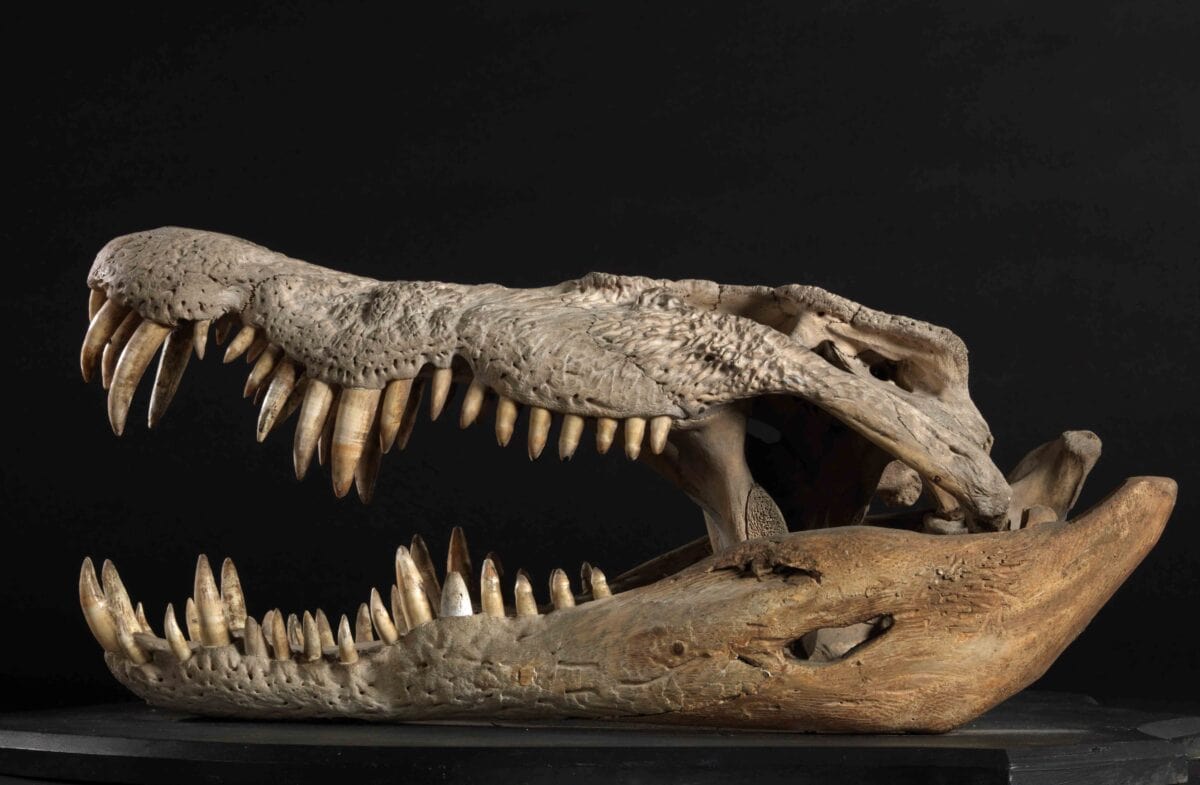
Birds, as living dinosaur descendants, and reptiles, as their close relatives, offer valuable comparisons for understanding dinosaur cancer. Modern reptiles develop neoplasms with patterns similar to those identified in dinosaur fossils. For example, crocodilians, which share a common ancestor with dinosaurs, exhibit osteosarcomas comparable to the one identified in the Centrosaurus specimen. Birds show various cancer types, though generally at lower rates than mammals, possibly due to efficient metabolic and cellular repair mechanisms inherited from their dinosaur ancestors.
Significantly, birds, especially larger species, demonstrate exceptional cancer resistance—a trait potentially inherited from dinosaur lineages that may have evolved robust anti-cancer defenses. The field of “paleo-oncology” now brings together experts in veterinary medicine, human oncology, and paleontology to study these evolutionary connections. By examining cancer across this evolutionary spectrum—from extinct dinosaurs to their living descendants—researchers gain insights into the fundamental nature of cancer as a biological process that has affected vertebrates for at least 245 million years, while potentially identifying novel cancer-resistance mechanisms that evolved in dinosaur lineages and persist in modern birds.
Implications for Our Understanding of Cancer Evolution

The discovery of cancer in dinosaur fossils profoundly impacts our understanding of cancer’s evolutionary history. It firmly establishes that cancer is an ancient disease process rather than a primarily modern affliction, challenging the notion that cancer is mainly caused by contemporary factors like industrial pollution or processed foods. These findings suggest that the fundamental vulnerability to cancer is deeply embedded in vertebrate biology, arising from the inherent risk of mutations during cell division in complex multicellular organisms.
Simultaneously, the study of how different dinosaur lineages may have evolved varying degrees of cancer resistance—particularly in larger species like sauropods—offers potential insights into natural cancer suppression mechanisms that evolved over millions of years. This evolutionary perspective prompts researchers to consider cancer not merely as a disease to be eliminated but as a biological process that has been shaped by natural selection throughout vertebrate evolution. Such understanding could potentially inform novel approaches to cancer treatment and prevention by revealing naturally evolved anti-cancer mechanisms that have been refined across millions of years of evolution, from the age of dinosaurs to the present day.
The Future of Dinosaur Cancer Research

The field of dinosaur cancer research (paleo-oncology) stands at an exciting frontier, with technological advances promising to deepen our understanding in coming years. Non-destructive imaging technologies continue to improve, allowing researchers to examine fossil specimens with unprecedented detail without damaging irreplaceable materials. Advanced synchrotron imaging facilities can now reveal microscopic structures within fossilized bones, potentially identifying more subtle evidence of cancer and other diseases. Biomolecular techniques may soon allow scientists to extract and analyze ancient proteins preserved in some exceptionally well-preserved fossils, potentially revealing molecular signatures of cancer.
Machine learning algorithms are being developed to help identify pathological patterns in fossils that might otherwise go unnoticed by human observers. Beyond technology, growing collaborations between paleontologists and medical professionals bring clinical expertise to fossil interpretation. Future research will likely focus on establishing more accurate prevalence rates of cancer across different dinosaur groups, identifying additional cancer types beyond bone tumors, and investigating how different dinosaur lineages may have evolved cancer resistance mechanisms. These studies promise not only to enrich our understanding of dinosaur biology but also to provide evolutionary context for human cancer research.
Conclusion: What Dinosaur Cancer Teaches Us
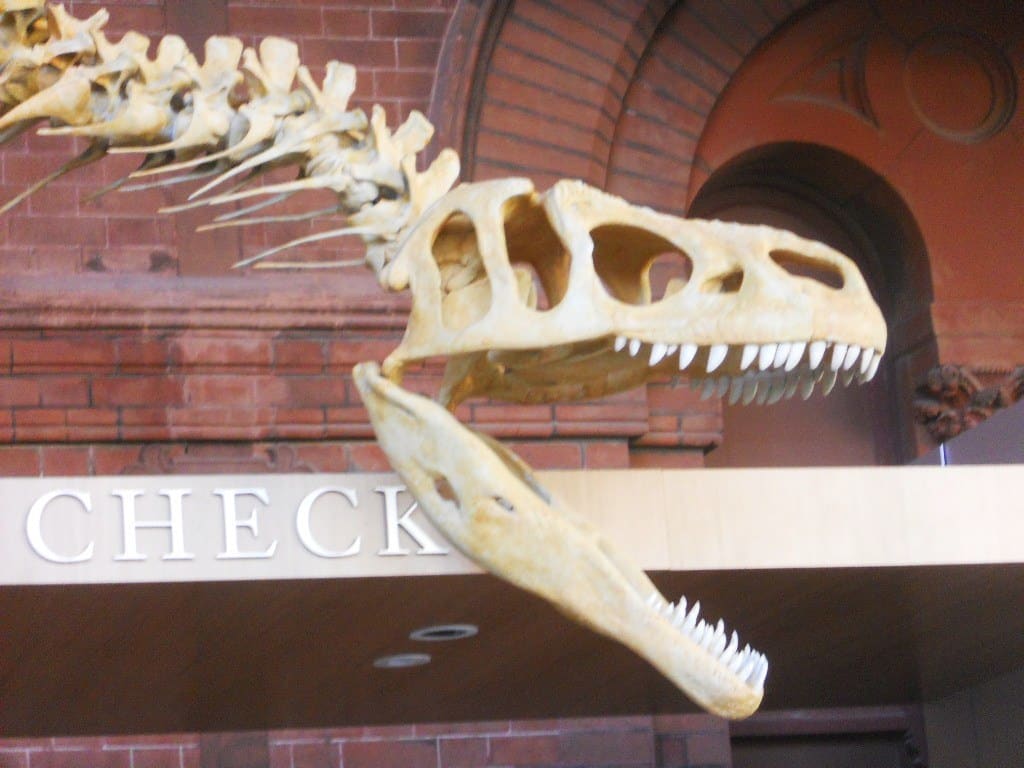
The discovery of cancer in dinosaur fossils provides a profound connection across evolutionary time, revealing that even the mightiest creatures that ever walked the Earth were susceptible to the same biological vulnerabilities that affect modern animals and humans. This shared susceptibility underscores the fundamental nature of cancer as an ancient disease process inherent to complex multicellular life, rather than being primarily a product of modern environments or lifestyles. By studying how different dinosaur lineages coped with cancer—particularly how larger species potentially evolved enhanced tumor suppression mechanisms—we may uncover evolutionary strategies for cancer resistance that could inform modern medical approaches.
Furthermore, these paleontological findings remind us that cancer has been a selective pressure throughout vertebrate evolution, shaping the development of cellular repair mechanisms and immune surveillance systems across hundreds of millions of years. As we continue to battle cancer in the modern era, there’s something strangely comforting in knowing that we share this struggle with the dinosaurs, making our fight against this disease part of an ancient evolutionary story that extends deep into Earth’s past.

From exploring the marine wonders in the Azores and witnessing the vast savannas of Kenya, to delving deep into the rich biodiversity of South Africa and traversing iconic landscapes in Australia and the US like Yellowstone, Chris's experiences are vast.
With a penchant for diving alongside sharks, the ocean holds a special place in his heart.
Through his academic insights, he champions wildlife conservation, striving with 'Animals Around The Globe' to cultivate a profound connection between humans and animals, enhancing our mutual appreciation.
Connect with him at Feedback@animalsaroundtheglobe.com.
- The Largest Predator Ever Found in Freshwater - July 19, 2026
- From Celebration to Criticism: The Changing Role of Meat in Rituals - July 18, 2026
- The Link Between Pollinators and Your Morning Tea - July 18, 2026