

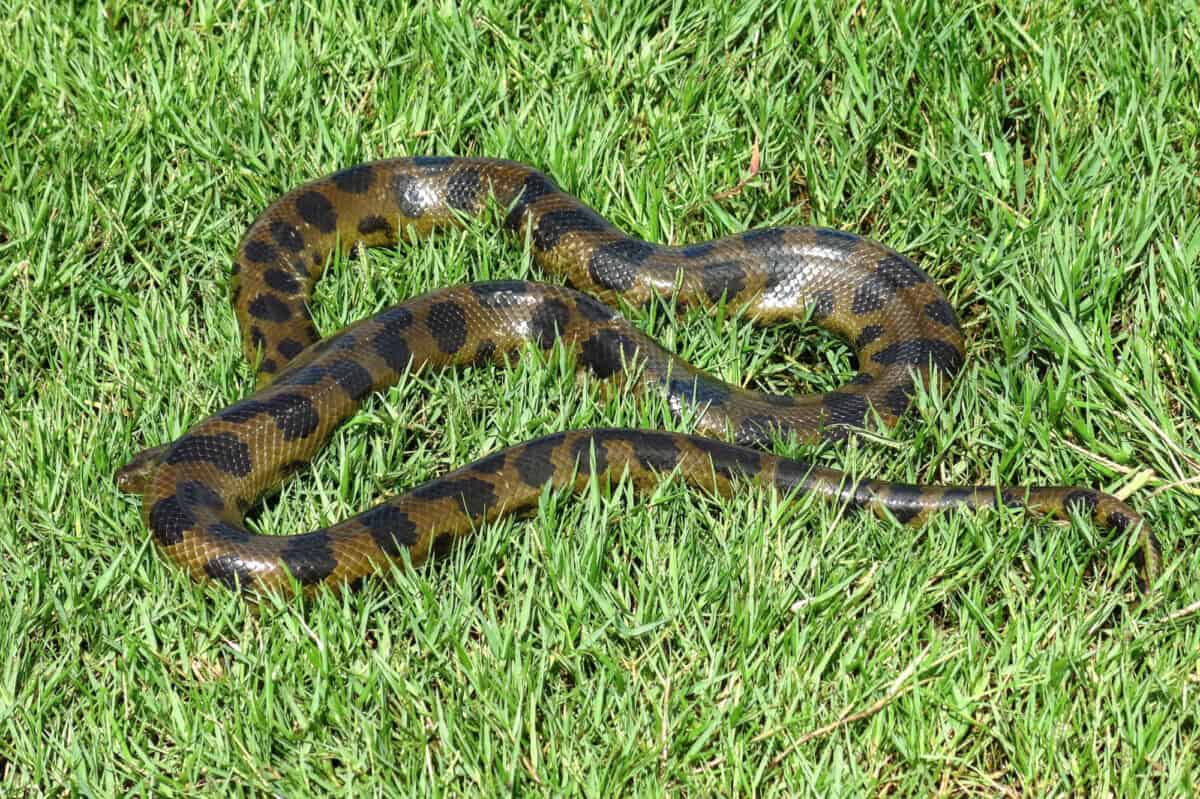
In the shadowy depths of rainforests and amid the lush vegetation of tropical regions, some of Earth’s most formidable predators silently prowl. Among these magnificent creatures, one stands out for its sheer mass and incredible strength: the green anaconda, holder of the record for the heaviest snake ever documented.
These remarkable reptiles have captured human imagination for centuries, featuring in folklore, mythology, and modern media as symbols of primal power and awe-inspiring might. This article explores the fascinating world of the heaviest snakes on our planet, examining not only record-breaking specimens but also the biology, behavior, and conservation status of these magnificent animals that represent nature at its most spectacularly massive.
The Reigning Champion: Green Anaconda
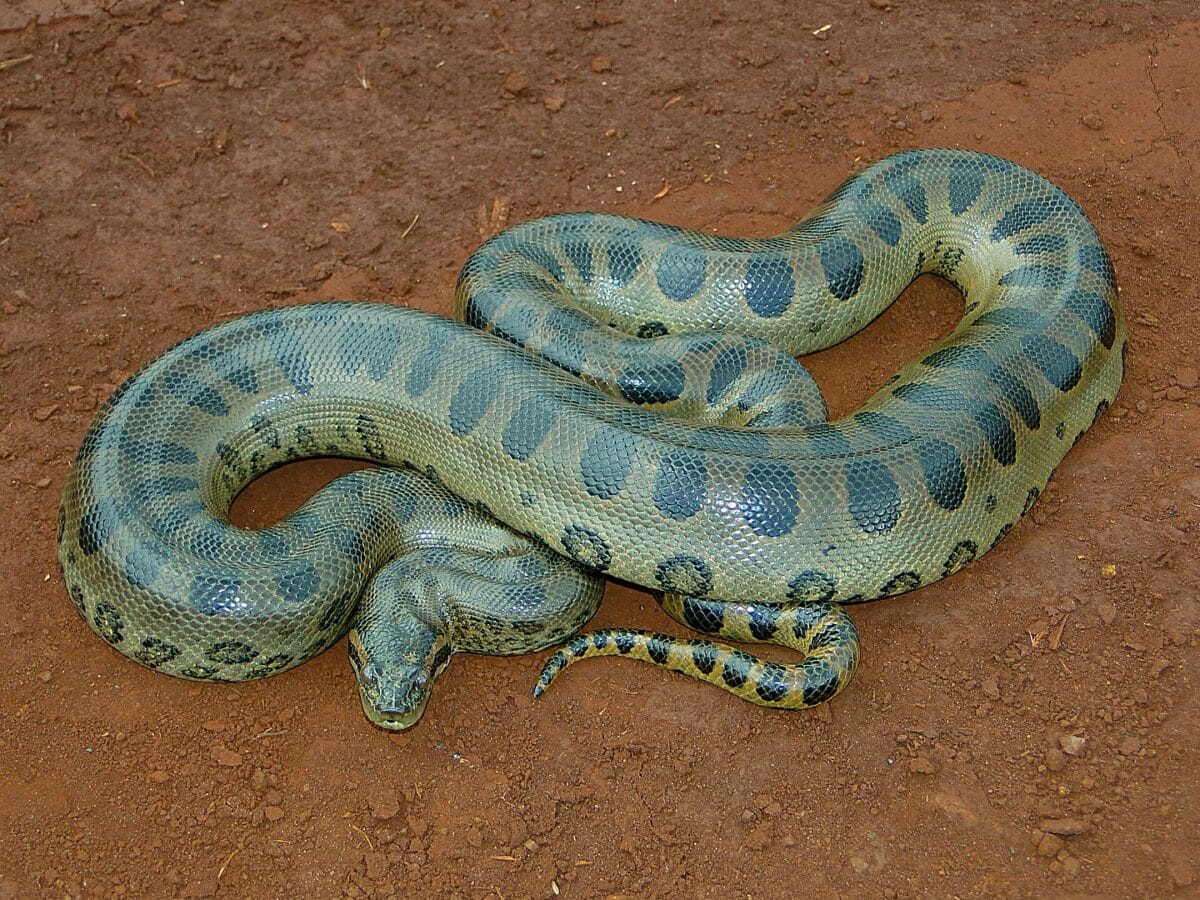
The green anaconda (Eunectes murinus) holds the undisputed title of the world’s heaviest snake. Native to the tropical regions of South America, particularly the Amazon and Orinoco basins, these behemoths can reach astonishing weights. The heaviest reliably documented specimen weighed approximately 500 pounds (227 kilograms), though this pales in comparison to unverified reports of specimens weighing up to 1,000 pounds.
Unlike many other snake species that are primarily length-focused in their growth, green anacondas are notable for their exceptional girth, with adults commonly measuring between 20-30 inches in circumference. Females dramatically outweigh males, sometimes by a factor of five or more, making them among the most extreme examples of sexual dimorphism in the reptile world.
Record-Breaking Measurements and Verification Challenges

Verifying claims about massive snake specimens presents significant challenges to herpetologists. The largest scientifically documented green anaconda measured approximately 29 feet (8.8 meters) long and weighed around 500 pounds (227 kilograms). However, the scientific community approaches many historical claims with healthy skepticism. Tales of 40-foot anacondas weighing over 1,000 pounds persist in folklore but lack scientific verification.
The challenges of measuring these giants are numerous: anacondas rarely stretch to their full length when alive, accessing their remote habitats is difficult, and specimens deteriorate rapidly after death in hot, humid environments. Additionally, snakes can stretch considerably when measured, creating inconsistencies. Modern verification protocols now require multiple witnesses, video documentation, standardized measuring techniques, and sometimes DNA analysis to confirm species identification for record claims.
Biology and Adaptations for Size
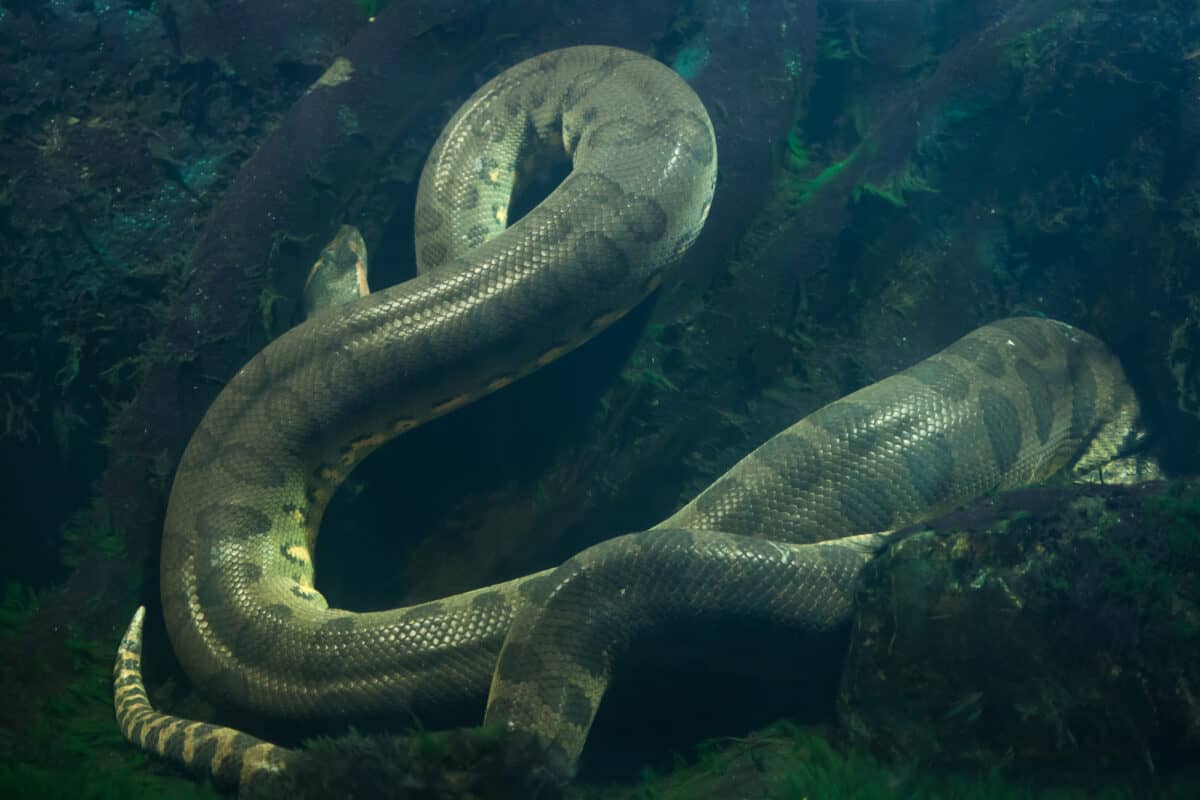
The green anaconda’s remarkable size results from specific evolutionary adaptations perfectly suited to its semi-aquatic lifestyle. Their incredibly dense, muscular bodies provide the power needed to constrict large prey, while their relatively slow metabolism allows them to convert more food energy into body mass rather than heat. Anatomically, anacondas possess specialized jaw structures with multiple joints and stretchy ligaments that enable them to swallow prey much larger than their head.
Their cardiovascular system includes adaptations to maintain blood pressure despite their length, and their lungs extend nearly the entire length of their body to support oxygen needs. Perhaps most importantly, the buoyancy provided by water supports their massive weight, reducing the energy cost of movement and allowing them to grow larger than would be possible for a strictly terrestrial snake. These adaptations represent millions of years of evolutionary refinement to create nature’s perfect aquatic constrictor.
The Legendary Reticulated Python Contender
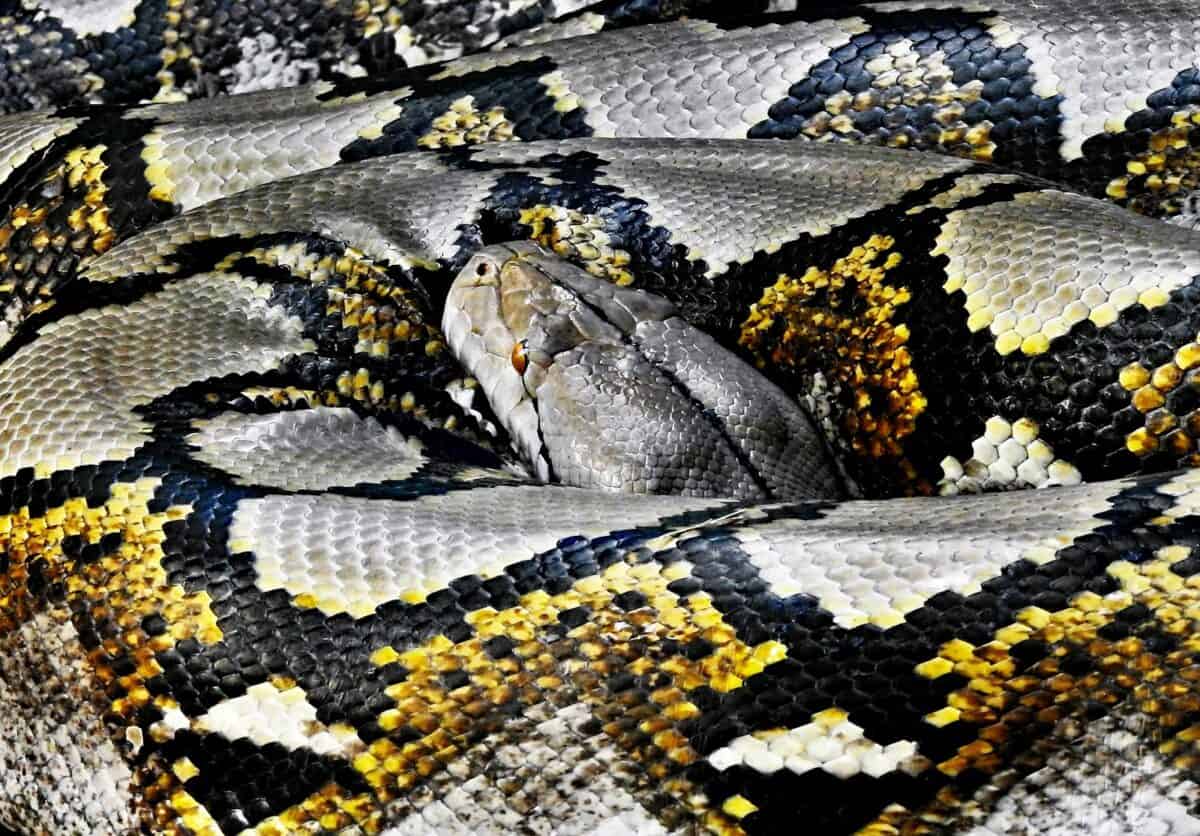
While the green anaconda holds the title for heaviest snake, the reticulated python (Python reticulatus) presents a worthy rival, particularly in terms of length. Native to Southeast Asia, these magnificent constrictors currently hold the record for the longest snake species. The longest reliably measured specimen reached 33 feet (10 meters), though most adults typically measure between 15-20 feet. Weight-wise, the heaviest verified reticulated python tipped the scales at approximately 350 pounds (159 kilograms), impressive but still substantially less than record anacondas.
The comparison between these two giants reflects different evolutionary strategies: anacondas evolved for girth and aquatic prowess in South American waterways, while reticulated pythons developed extreme length for traversing the rainforest canopies of Asia. This contrast demonstrates how similar ecological niches in different regions can produce convergent yet distinct evolutionary outcomes in terms of gigantism.
Diet and Hunting Behavior of Giants

The dietary requirements of the world’s heaviest snakes are as impressive as their size. Adult green anacondas primarily target large prey, including capybaras (the world’s largest rodents), caimans, deer, and occasionally jaguars. Their hunting strategy revolves around ambush tactics, typically lurking partially submerged in water before launching lightning-fast strikes. Once captured, prey is subdued through constriction, with the anaconda’s massive body coiling around the victim and tightening with each exhale until asphyxiation occurs.
Perhaps most remarkable is their feeding capacity – large anacondas can consume prey weighing up to 50% of their own body weight. After such substantial meals, they enter extended digestive periods lasting weeks or even months, during which powerful stomach acids and specialized enzymes break down everything, including bones and hooves. This feast-or-famine approach to nutrition allows them to survive lean periods between successful hunts, a crucial adaptation for maintaining their enormous body mass.
Habitat and Geographic Distribution

The natural habitat of green anacondas encompasses the vast watersheds of northern South America, particularly across Brazil, Venezuela, Colombia, Ecuador, Peru, Bolivia, and Trinidad. These snakes thrive in tropical environments characterized by high humidity and temperatures consistently above 70°F (21°C). They show a strong preference for slow-moving water bodies including swamps, marshes, streams, and flooded forests of the Amazon and Orinoco basins.
This semi-aquatic lifestyle serves multiple purposes: water provides buoyancy to support their massive weight, helps regulate body temperature, aids in hunting, and offers protection from predators. Interestingly, individual anacondas establish defined home ranges rather than migrating seasonally, with studies suggesting females maintain territories of approximately 1-2 square miles when not breeding. Conservation concerns have risen as deforestation, pollution, and climate change increasingly threaten these critical wetland habitats, potentially impacting the maximum size these snakes can attain in degraded environments.
Reproduction and Growth Patterns

The reproductive biology of green anacondas offers fascinating insights into how these massive snakes perpetuate their species. Unlike many reptiles, anacondas are viviparous, giving birth to live young rather than laying eggs. Their mating season typically coincides with the dry season, when shallow waters concentrate both prey and potential mates. During courtship, multiple males (sometimes dozens) may form “breeding balls” around a single receptive female, creating writhing masses that can last for weeks as males compete for fertilization opportunities.
After a gestation period of approximately 6-7 months, females deliver between 20-40 live young, each measuring around 2 feet (60 cm) and weighing about 3.5 ounces (100 grams). The newborns receive no parental care and immediately begin independent hunting. Growth rates are initially rapid, with juveniles potentially doubling their size in the first year, though growth slows considerably after sexual maturity. Females continue growing throughout their lives, explaining the extreme sexual dimorphism that allows them to reach record-breaking weights.
Historical Records and Famous Specimens

Throughout history, several famous giant snake specimens have captured public imagination and scientific attention. In 1944, petroleum geologist Vincent Roth shot what remains one of the largest scientifically measured anacondas – a 25-foot (7.6 meter) specimen in Colombia. The “Samantha” exhibit at the Pittsburgh Zoo featured a female green anaconda that reached 22 feet and approximately 300 pounds before her death in 2007.
Perhaps most famously, in 2016, the Smithsonian Channel documented a massive female anaconda in Brazil exceeding 20 feet and 500 pounds during filming of the series “Wildest Islands.” Historical accounts include Col. Percy Fawcett’s controversial 1907 claim of shooting a 62-foot anaconda in Brazil, though this lacks verification and is generally dismissed by modern herpetologists. These documented giants, while impressive, still fall short of the mythical proportions described in folklore, highlighting the gap between scientific evidence and cultural narratives about these impressive creatures.
Myths and Misconceptions
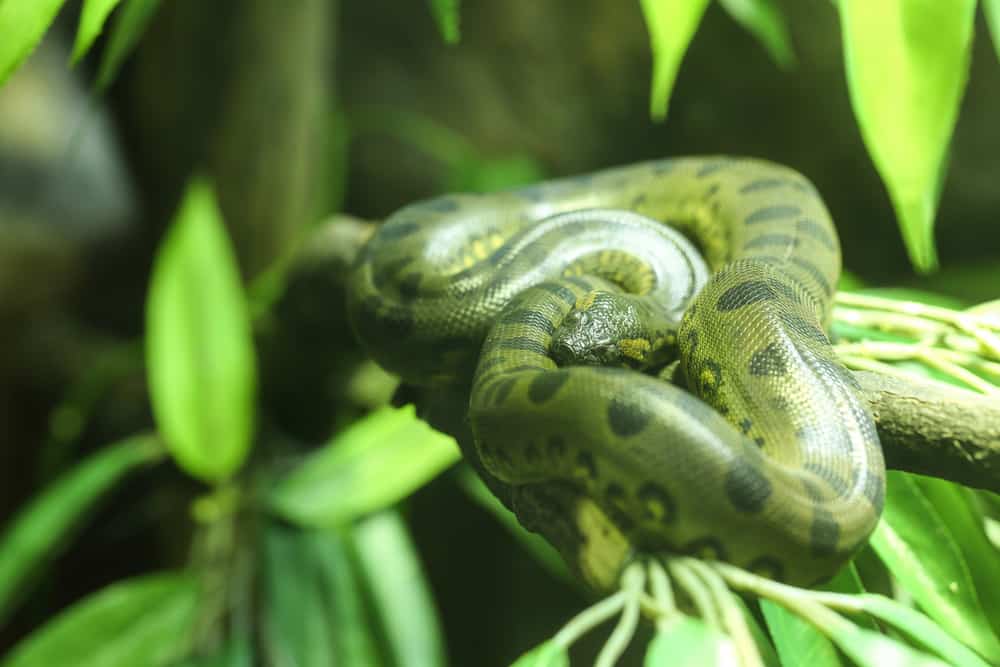
Giant snakes have been fertile ground for myths and exaggerations throughout human history. Perhaps the most persistent misconception involves claims of anacondas reaching 40-60 feet in length, measurements far exceeding scientifically verified maximums. Another common fallacy suggests these snakes routinely eat humans, when in reality, confirmed predation on people is extremely rare and typically involves exceptional circumstances.
Indigenous South American folklore contains numerous tales of anacondas with supernatural powers, sometimes portrayed as shape-shifting river spirits or deities. Colonial explorers frequently embellished snake encounters in their reports, contributing to Western misconceptions that persist today. Hollywood has further distorted public perception through films like “Anaconda” (1997), which depicted genetically impossible behaviors and sizes.
These cultural narratives, while entertaining, create conservation challenges by promoting fear rather than respect for these ecologically important predators. Scientists continue working to separate fact from fiction, emphasizing that while truly massive specimens do exist, they remain within the biological limitations of reptilian physiology.
Scientific Methods for Measuring Giant Snakes

Modern herpetologists employ rigorous methodologies when documenting large snake specimens to ensure accuracy and scientific validity. Standard protocol requires measuring along the dorsal (top) surface rather than stretching the ventral (bottom) side, which can artificially increase length measurements by up to 20-30%. Digital photogrammetry has revolutionized field measurements, allowing scientists to calculate dimensions from photographs with calibrated reference markers, minimizing handling stress for the animals.
For weight determination, specialized suspension scales or platform scales designed for livestock are typically employed, though this often requires sedation for the safety of both researchers and the snake. Radio telemetry and implanted PIT (Passive Integrated Transponder) tags allow long-term monitoring of growth rates in wild specimens. DNA sampling has become standard practice to confirm species identification and analyze genetic factors that might contribute to exceptional size. Perhaps most importantly, documentation now requires multiple independent observers, photographic evidence, and peer review before measurements enter scientific literature, standards that were not consistently applied to historical claims.
Conservation Status and Threats

Despite their impressive size and predatory prowess, even the world’s heaviest snakes face significant conservation challenges. While green anacondas are not currently classified as endangered, they face mounting pressures from habitat destruction, particularly the draining of wetlands for agriculture and development throughout their range. Climate change poses an additional threat by altering precipitation patterns in the Amazon basin, potentially reducing suitable habitat. The exotic pet trade continues to impact wild populations, with large specimens particularly valued by collectors despite the challenges of housing them ethically.
In some regions, anacondas are killed out of fear or for their skins, which are used in leather products. Pollution, particularly mercury contamination from gold mining operations, has been detected in anaconda tissues, with unknown long-term effects on reproduction and survival. Conservation efforts include habitat protection initiatives, regional hunting restrictions, and CITES (Convention on International Trade in Endangered Species) regulations limiting international trade. Scientists emphasize that protecting these apex predators is crucial for maintaining healthy ecosystems, as they help control populations of rodents and other potential disease vectors.
Comparison with Extinct Giant Snakes

While today’s green anacondas impress with their massive proportions, they are dwarfed by certain prehistoric relatives. The most notable extinct giant was Titanoboa cerrejonensis, which lived approximately 60 million years ago during the Paleocene epoch in what is now Colombia. Discovered in 2009, Titanoboa fossils indicate a snake that reached lengths of 42-50 feet (12.8-15.2 meters) and weighed an estimated 2,500 pounds (1,135 kilograms) – roughly five times heavier than the largest modern anacondas.
Paleontologists believe Titanoboa thrived in a significantly warmer climate, as reptiles can grow larger in higher ambient temperatures due to their ectothermic metabolism. Other notable extinct giants include Gigantophis garstini from North Africa, which reached approximately 33 feet (10 meters), and Madtsoia, a prehistoric constrictor that approached similar dimensions. Comparing these ancient behemoths with modern species provides valuable insights into evolutionary patterns and environmental factors influencing maximum body size in snakes. It also suggests that today’s record holders may represent a scaled-down version of what once slithered across prehistoric landscapes during periods of higher global temperatures.
Conclusion: Giants Among Us

The green anaconda stands as a remarkable testament to the extraordinary evolutionary potential of reptiles, achieving weights that make it the undisputed heavyweight champion of the snake world. These magnificent creatures represent one of nature’s most successful designs – a predator so perfectly adapted to its environment that it has remained largely unchanged for millions of years. Despite centuries of human fascination and scientific study, much remains to be learned about these elusive giants, particularly regarding their maximum potential size under optimal conditions.
As we continue to explore and document the natural world, the stories of record-breaking anacondas remind us of the importance of preserving the wild places where such biological marvels can thrive. In protecting these magnificent reptiles and their habitats, we maintain not only an ecological balance but also the opportunity for future generations to experience the wonder and awe that comes from knowing we share our planet with such remarkable creatures.

From exploring the marine wonders in the Azores and witnessing the vast savannas of Kenya, to delving deep into the rich biodiversity of South Africa and traversing iconic landscapes in Australia and the US like Yellowstone, Chris's experiences are vast.
With a penchant for diving alongside sharks, the ocean holds a special place in his heart.
Through his academic insights, he champions wildlife conservation, striving with 'Animals Around The Globe' to cultivate a profound connection between humans and animals, enhancing our mutual appreciation.
Connect with him at Feedback@animalsaroundtheglobe.com.
- A Bear Journey Through The USA: 18 Best Bear Photos from 18 US States - July 19, 2026
- Elephant Matriarchs Know Every Waterhole for Miles - July 19, 2026
- Top 10 Dinosaur Relatives Still Roaming Earth Today - July 19, 2026