

Worried about unexpected vet bills?
Pet insurance can cover thousands in unexpected vet costs. Get a free quote from Lemonade in under 2 minutes.
Get My Free Quote →Sponsored · Opens Lemonade.com
When Stan Lee and Steve Ditko created Spider-Man in 1962, they needed a scientifically plausible origin story that would explain how an ordinary teenager could suddenly possess extraordinary abilities. Their solution was brilliant in its simplicity: a bite from a radioactive spider that transferred arachnid powers to young Peter Parker. This concept captivated readers’ imaginations and launched one of the most beloved superheroes of all time. While the radioactive part is pure fiction, the spider abilities that inspired the character are very real and, in many ways, even more remarkable than their comic book interpretations.
Though Stan Lee never specified exactly which spider species bit Peter Parker in the original comics, subsequent adaptations have offered various explanations. In the 2002 Sam Raimi film, the culprit was identified as a genetically modified “super spider,” while the 2012 reboot “The Amazing Spider-Man” featured a red and blue Steatoda grossa spider that had been subjected to cross-species genetic experimentation. Regardless of the fictional specifics, real-world spiders possess fascinating abilities that make them worthy of superhero status in their own right.
Darwin’s Bark Spider: The True Champion of Web Strength
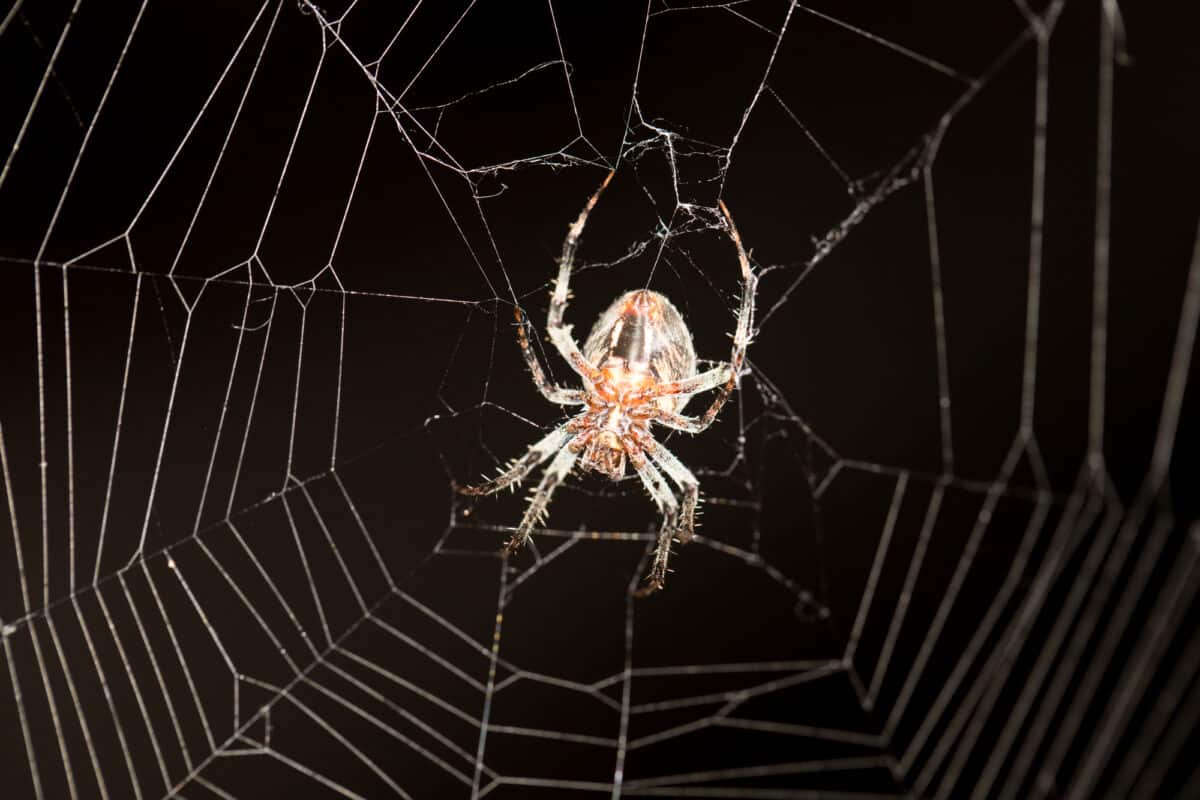
If there’s one spider species that could legitimately claim to be the inspiration for Spider-Man’s incredible web-slinging abilities, it would be Darwin’s bark spider (Caerostris darwini). Discovered in Madagascar in 2009, this remarkable arachnid produces the strongest natural fiber known to science. Its silk is ten times stronger than Kevlar and twice as strong as any previously discovered spider silk. This extraordinary material has a tensile strength of up to 520 MJ/m³, making it tougher than steel when comparing equal diameters.
Darwin’s bark spider not only produces incredibly strong silk but also constructs the largest orb webs ever recorded. These webs can span rivers, stretching more than 80 feet (25 meters) across, with anchor lines extending up to 164 feet (50 meters). These massive structures allow the spider to catch prey flying over water bodies, a unique ecological niche. If Peter Parker’s web-shooters were truly based on natural spider silk, Darwin’s bark spider would undoubtedly be the scientific model for his technology.
The Jumping Spider: Wall-Crawling Specialist

Spider-Man’s ability to cling to walls and ceilings is one of his most iconic powers, and this ability is directly inspired by real jumping spiders (family Salticidae). These remarkable arachnids possess specialized setae (hair-like structures) on their legs that allow them to adhere to virtually any surface. Each foot has hundreds of thousands of microscopic hairs that create molecular attraction forces (van der Waals forces) between the spider and the surface it’s climbing. This allows them to defy gravity with ease, walking up glass, across ceilings, and along vertical surfaces without falling.
Jumping spiders are also known for their exceptional leaping abilities, capable of jumping distances up to 50 times their body length. This would be equivalent to a human jumping the length of a football field. Unlike Spider-Man, who relies on his muscles for jumping power, these spiders use hydraulic pressure in their legs to make their impressive leaps. They pump hemolymph (spider blood) into their legs to extend them rapidly, propelling themselves through the air with remarkable precision. Their jumping prowess combined with their wall-climbing abilities makes them natural parkour experts of the arachnid world.
Spider-Sense: The Truth Behind Arachnid Perception
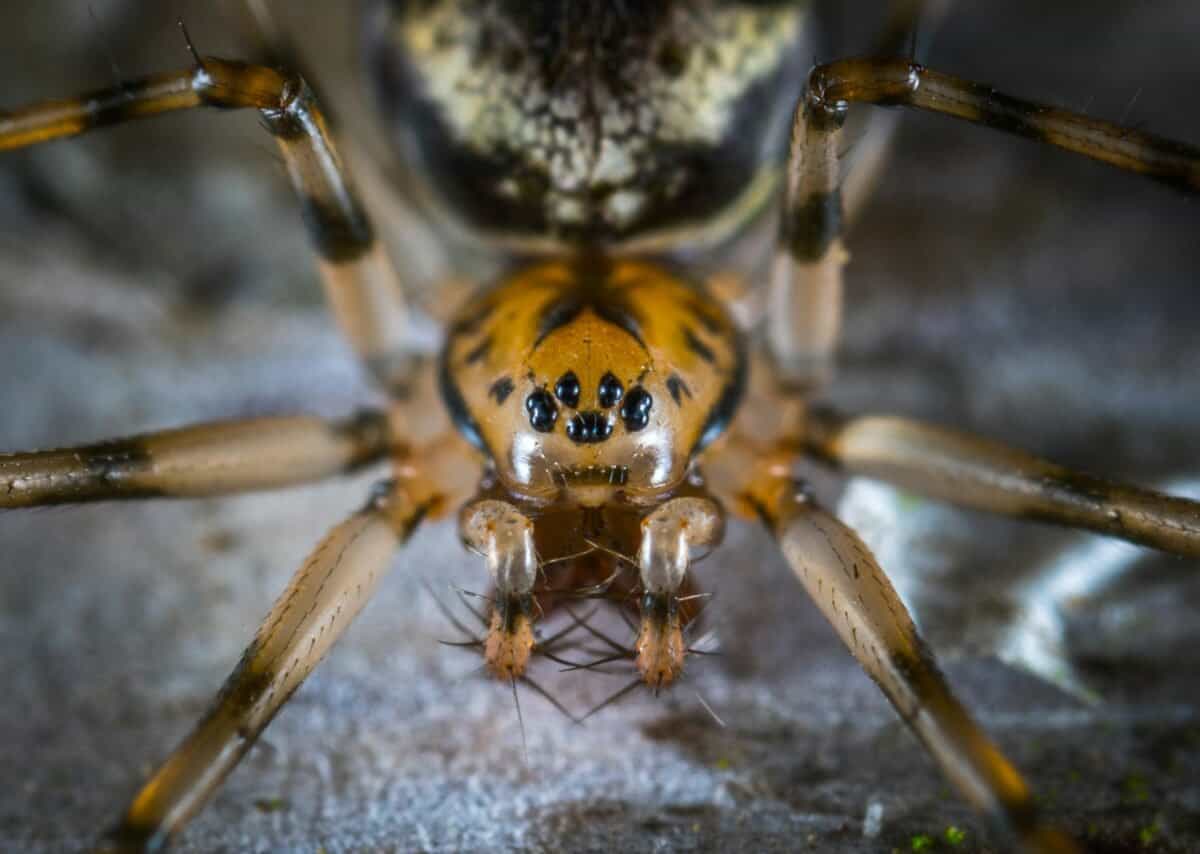
One of Spider-Man’s most mysterious powers is his “spider-sense,” an almost precognitive ability to detect danger before it strikes. While real spiders don’t have psychic abilities, they do possess an extraordinary sensory system that might have inspired this concept. Spiders have specialized hairs called trichobothria that are extremely sensitive to air vibrations and can detect the slightest movements around them. These sensory hairs are so sensitive they can detect air displacement from a fly’s wing beats several inches away, giving spiders their seemingly uncanny ability to react to threats before they make physical contact.
Beyond their sensitive hairs, many spiders also have eight eyes arranged in patterns that give them nearly 360-degree vision. While their visual acuity varies by species, jumping spiders have particularly excellent vision, with the ability to detect motion up to 20 cm away and identify specific shapes and colors. Wolf spiders can sense vibrations through the ground using specialized organs in their legs called slit sensilla. Together, these sensory adaptations create a multi-dimensional awareness system that allows spiders to perceive their environment in ways humans cannot – a real-life version of the fictional “spider-sense.”
Proportional Strength: The Science of Spider Power

In the comics, Spider-Man possesses “the proportional strength of a spider,” allowing him to lift cars and punch through walls. This concept is based on a real biological principle: smaller animals often possess strength that is proportionally greater relative to their body size than larger animals. Spiders can indeed carry items many times their own body weight. The Rhinoceros beetle, though not a spider, can lift objects 850 times its own weight. If humans had this same proportional strength, a person could lift approximately 65 tons – not far from Spider-Man’s reported lifting capacity in the comics.
The scientific explanation for this phenomenon involves the square-cube law, which states that as an object’s size increases, its volume (and therefore mass) grows at a faster rate than its strength, which is related to muscle cross-section. In simpler terms, if you were shrunk to the size of a spider, your strength relative to your body weight would increase dramatically. Of course, Spider-Man retains human size while gaining spider-proportional strength, which is where the fiction departs from reality. Nevertheless, the concept of proportional strength is firmly rooted in actual biological principles.
Web-Shooting: Natural vs. Mechanical Methods

In most Spider-Man adaptations, Peter Parker creates mechanical web-shooters rather than producing webs biologically. This is actually a departure from how real spiders operate. Spiders produce silk through specialized glands in their abdomen called spinnerets. These glands contain liquid protein solutions that solidify when exposed to air, creating the remarkably strong fibers used in web construction. Different spider species can produce up to seven types of silk for various purposes, from capturing prey to protecting eggs.
Interestingly, the 2002 Spider-Man film with Tobey Maguire deviated from comic canon by giving Peter the ability to produce webs organically from his wrists. While this is closer to how real spiders produce silk, it still differs significantly from actual spider biology. The mechanical web-shooters from the comics and later film adaptations, which rely on a specially formulated “web fluid,” actually represent a more scientifically plausible adaptation of spider abilities to human physiology. They suggest that Peter’s scientific genius allowed him to synthetically recreate spider silk’s properties, which is theoretically more realistic than a human body spontaneously developing spinnerets.
The Ogre-Faced Spider: Nature’s Web-Slinger

If there’s one spider that truly embodies the web-slinging action associated with Spider-Man, it’s the ogre-faced spider (family Deinopidae). These remarkable arachnids create a small, rectangular web between their front legs, which they use as a net to actively catch prey. When hunting, they hang upside down and literally throw their web at passing insects with astonishing speed and accuracy. High-speed photography has revealed that they can stretch and release this web in less than a millisecond, making them among the fastest predatory strikers in the animal kingdom.
The ogre-faced spider’s hunting technique bears a striking resemblance to Spider-Man’s combat style, where he often uses webbing to ensnare villains from a distance. These spiders have evolved specialized muscles and neural systems that allow them to react with such incredible speed that they can catch flying insects out of the air. They can even catch prey without seeing it, using the sensitive hairs on their legs to detect vibrations in the air – another parallel to Spider-Man’s spider-sense. Their remarkable hunting strategy makes them nature’s true web-slingers.
The Peacock Spider: Arachnid Agility and Reflexes

Spider-Man’s superhuman agility and reflexes allow him to dodge bullets and navigate through the urban landscape with breathtaking grace. While no real spider can dodge bullets, the peacock spider (genus Maratus) demonstrates agility and reflexes that are equally impressive at their scale. These tiny Australian spiders, measuring just 4-5mm in length, are known for their elaborate mating dances that require extraordinary coordination, timing, and spatial awareness. Males perform complex choreographed movements, raising colorful abdominal flaps and moving their legs in precise patterns to attract females.
The neurological processing speed required for a peacock spider’s mating dance is remarkable. Their tiny brains must coordinate eight legs and their abdominal movements with split-second timing while responding to the female’s reactions. Research has shown that spiders can process visual information much faster than humans, with some species able to detect motion at a rate equivalent to 1000 frames per second (humans process around 60 frames per second). This enhanced perception effectively slows down the world around them, allowing for the lightning-fast reactions that Spider-Man demonstrates in his adventures – albeit on a much smaller scale.
The Missing Power: Spider Venom

One spider ability that Spider-Man notably lacks is venom production. Nearly all spiders produce venom, which they use to subdue their prey. These venoms are complex cocktails of proteins and peptides that have evolved to target specific neurological or physiological systems. The Sydney funnel-web spider (Atrax robustus), for example, produces one of the most dangerous venoms to humans, while the Brazilian wandering spider (Phoneutria nigriventer) produces venom that can cause painful priapism (unwanted erections) in human males – a side effect that has led to research for potential erectile dysfunction treatments.
Stan Lee and Steve Ditko likely omitted venomous abilities from Spider-Man’s power set to maintain his heroic nature, as venom is often associated with villainous characters. However, in the comics universe, a villain named Venom eventually emerged, incorporating this missing spider trait into the Spider-Man mythology. Interestingly, real spider venoms are becoming increasingly important in medical research, with compounds being studied for treating conditions ranging from pain to heart attacks to cancer. Perhaps in this way, spider venom still contributes to saving lives, much like Spider-Man himself.
The Spitting Spider: Nature’s Ranged Attacker
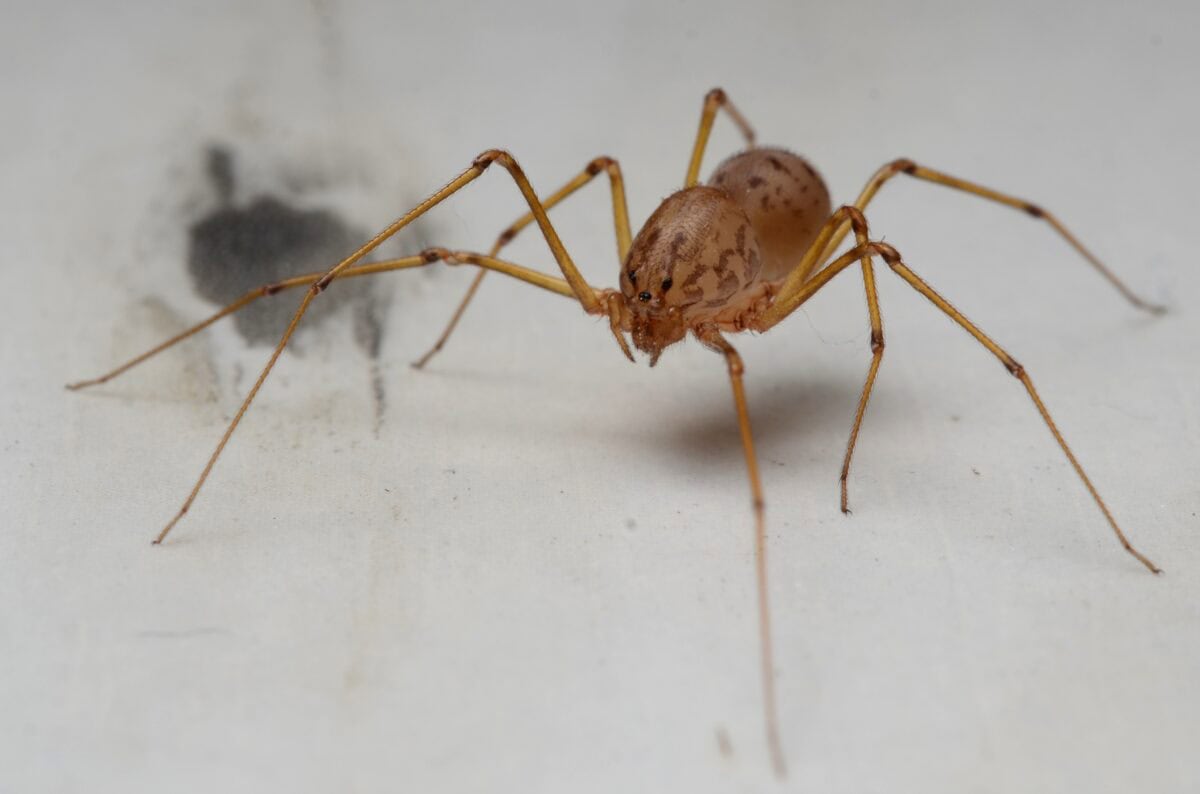
While Spider-Man primarily uses his mechanical web-shooters as tools for transportation and restraining enemies, spitting spiders (family Scytodidae) have evolved a remarkable ranged attack method that parallels some of Spidey’s combat techniques. These specialized hunters can expel a venomous silk mixture from their fangs, effectively “spitting” a sticky, toxic substance at their prey from a distance of up to 1-2 centimeters. This mixture rapidly hardens upon contact, simultaneously immobilizing and envenomating the target in a single efficient attack.
The spitting mechanism of these arachnids involves a modified venom gland that produces a combination of venom and glue-like silk compounds. When hunting, the spider executes a rapid oscillating movement of its fangs, creating a zigzag pattern of toxic silk that increases the likelihood of ensnaring prey. This unique hunting strategy allows spitting spiders to safely capture dangerous prey like other spiders without engaging in direct combat. The precision and effectiveness of this ranged attack system bears a conceptual resemblance to Spider-Man’s ability to incapacitate opponents from a distance using his web-shooters, representing yet another fascinating parallel between fiction and arachnid reality.
Spider Silk: Beyond Strength

While Spider-Man’s webs are primarily portrayed as incredibly strong ropes or nets, real spider silk has properties that go far beyond mere tensile strength. Spider silk is one of nature’s most remarkable materials, combining strength, elasticity, and lightness in ways that human engineering has yet to fully replicate. Different types of silk produced by the same spider can have varying properties – some strands are sticky to catch prey, while others are non-adhesive to allow the spider to move across its own web. The flagelliform silk used in the capture spiral of orb webs can stretch up to 200% of its length before breaking, allowing it to absorb the kinetic energy of flying insects without snapping.
Beyond its mechanical properties, spider silk has other extraordinary characteristics that make it a subject of intense scientific research. It’s antimicrobial, hypoallergenic, and biodegradable, qualities that make it potentially valuable for medical applications like sutures and wound dressings. Scientists have also discovered that some spider silks can conduct heat better than most materials, including metals, despite being lightweight and protein-based. If Spider-Man’s fictional web fluid incorporated all these remarkable properties of natural spider silk, his web-shooters would be even more versatile than they’re portrayed in comics and films.
The Enduring Legacy of Arachnid-Inspired Superheroism

Spider-Man’s enduring popularity stems partly from the ingenious way his creators adapted real spider abilities into superhuman powers. By grounding their fictional character in the actual extraordinary capabilities of spiders, Stan Lee and Steve Ditko created a superhero whose powers feel biologically plausible despite their fantastical nature. Real spiders truly are remarkable creatures whose abilities, when scaled up to human proportions, would indeed grant many of the powers that Peter Parker possesses. From the incredible strength-to-weight ratio of spiders to their remarkable silk production, wall-climbing abilities, and sensory perception, nature provided all the inspiration needed for a compelling superhero.
The scientific accuracy underlying Spider-Man’s powers has inspired generations of readers to learn more about real spiders, contributing to greater understanding and appreciation of these often-misunderstood creatures. As arachnologists continue to discover new spider species and uncover more details about their remarkable adaptations, the line between Spider-Man’s fictional abilities and the real capabilities of spiders sometimes seems to blur. In the decades since Spider-Man’s creation, research has revealed that real spiders possess abilities that are, in many ways, even more impressive than those of their superhero counterpart. The enduring appeal of Spider-Man reminds us that sometimes truth is indeed stranger – and more wonderful – than fiction.
Worried about unexpected vet bills?
Pet insurance can cover thousands in unexpected vet costs. Get a free quote from Lemonade in under 2 minutes.
Get My Free Quote →Sponsored · Opens Lemonade.com

From exploring the marine wonders in the Azores and witnessing the vast savannas of Kenya, to delving deep into the rich biodiversity of South Africa and traversing iconic landscapes in Australia and the US like Yellowstone, Chris's experiences are vast.
With a penchant for diving alongside sharks, the ocean holds a special place in his heart.
Through his academic insights, he champions wildlife conservation, striving with 'Animals Around The Globe' to cultivate a profound connection between humans and animals, enhancing our mutual appreciation.
Connect with him at Feedback@animalsaroundtheglobe.com.
- Why Pangolins Are the Most Trafficked Mammals on Earth - June 10, 2026
- 10 Animals with the Craziest Defensive Mechanisms in the Wild - June 10, 2026
- The Most Magical Forests to See Orangutans in the Wild - June 10, 2026