

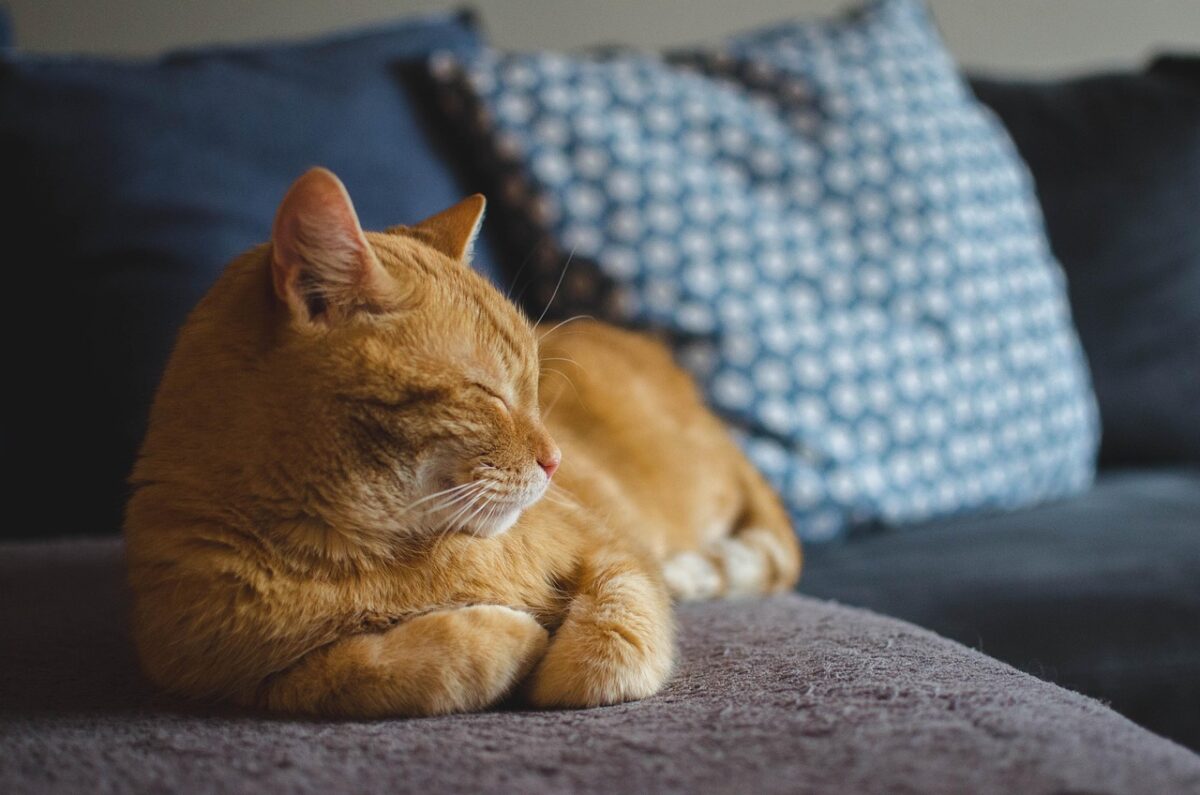
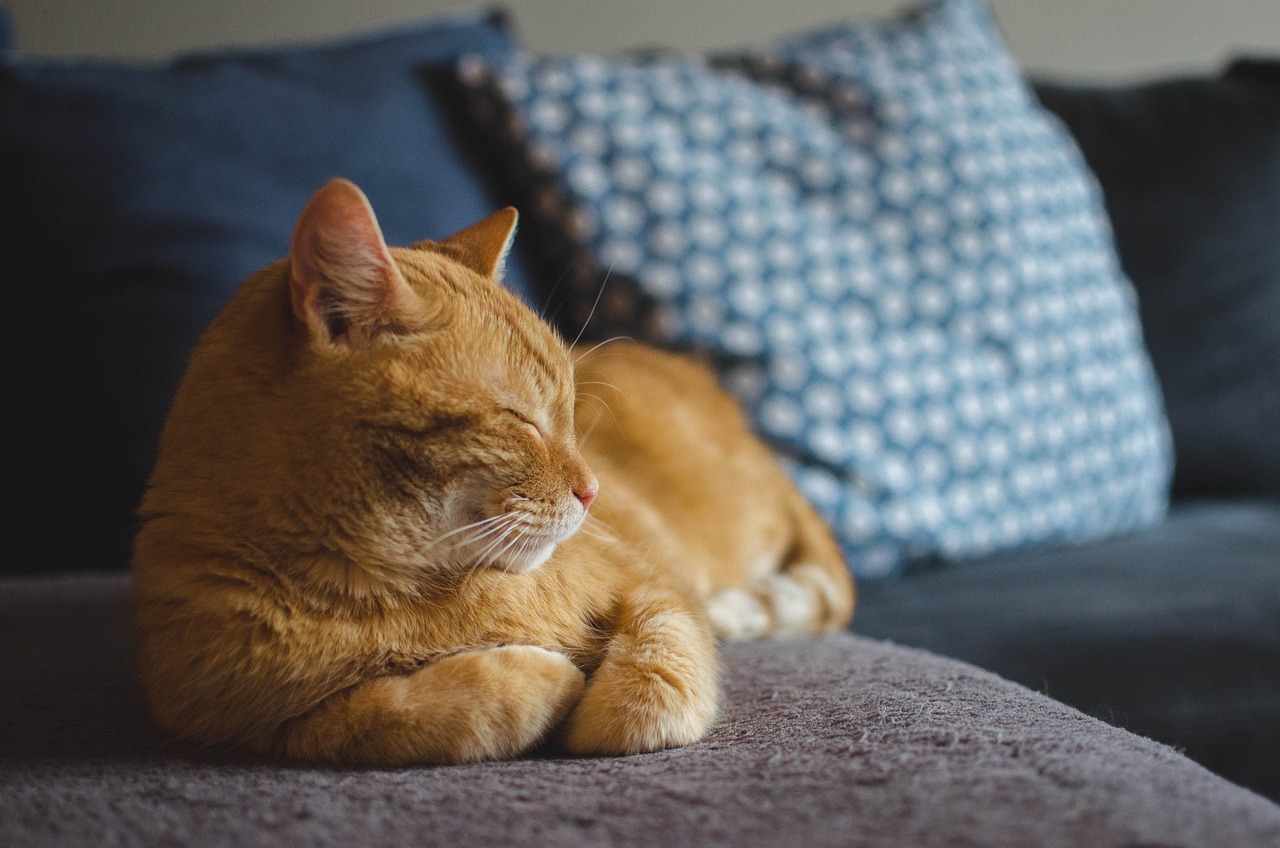
A Stance Geared for Instant Action (Image Credits: Pixabay)
Cats often display a peculiar sleeping posture with their heads propped up, captivating observers with its blend of relaxation and readiness.
A Stance Geared for Instant Action
Cats position their heads upward during sleep to maintain a heightened state of awareness. This allows them to respond swiftly to potential threats, such as sudden noises or nearby movements.[1][2] In this light sleep phase, they avoid deep slumber, enabling a quick transition from rest to pursuit or escape.
The posture resembles the sphinx or loaf position, where front paws tuck under the body while the head stays raised. Owners notice cats in this pose perking up at the slightest sound, underscoring their predatory heritage.[1]
Echoes of Wild Ancestors
This elevated head position traces back to the solitary wildcats from which domestic cats descend. Those ancestors rested in vulnerable environments, necessitating vigilance even during naps.[1] Predators and prey alike demanded constant readiness, so cats evolved to sleep lightly with senses attuned.
Modern house cats retain this trait, scanning their surroundings from elevated perches or propped positions. The behavior persists despite safe homes, highlighting deep-rooted survival programming.[2]
Comfort as a Key Driver
Beyond instinct, many cats simply find the head-up pose comfortable. The support from paws, walls, or furniture provides stability, mimicking a natural cradle. Older cats or those with joint stiffness often prefer it for easier entry and exit from sleep.
Skeletal structure plays a role too. Cats stiffen neck muscles in this position, balancing rest with mobility. It conserves heat while protecting vital organs, much like the loaf where paws tuck neatly beneath.[1]
Common Feline Sleep Positions
Cats cycle through various postures, each signaling mood or need. Understanding these offers glimpses into their well-being.
- Curled Ball: Conserves body heat and shields organs, ideal for cooler nights.
- Superman Stretch: Belly down with limbs extended, quick for pouncing while cooling off.
- Belly Up: Total trust and relaxation, exposing the vulnerable underside.
- Sphinx or Loaf: Head elevated, paws tucked – prime for vigilance and comfort.
- Side Sleeper: Deep rest, indicating security in the environment.
These positions shift with temperature, stress, or health, providing pet owners valuable cues.[1][2]
When Changes Signal Concern
A sudden preference for head-elevated sleep warrants attention. Respiratory challenges, like congestion or heart issues, might prompt it to ease breathing.[1] Watch for accompanying signs such as open-mouth breathing or lethargy.
Veterinarians note that shifts in habits often tie to pain, arthritis, or cognitive changes in seniors. Routine monitoring ensures timely intervention.
Key Takeaways
- Head-up sleep primarily signals light rest and predator-prey instincts.
- It offers physical comfort, especially for aging cats.
- Sudden patterns may indicate health needs – consult a vet promptly.
Cats’ elevated head sleep reveals a fascinating mix of survival savvy and simple preference, reminding us of their wild essence in cozy homes. What sleeping quirk does your cat show most? Share in the comments.

- Urban Coyotes Show Remarkable Adaptability, Learning to Thrive in City Environments - July 22, 2026
- Beavers Are Nature’s Engineers, Creating Vital Habitats for Other Wildlife Species - July 21, 2026
- The Recovery of the California Condor Offers Hope for Other Critically Endangered Birds - July 21, 2026