

Earth is populated with all sorts of weird and wacky creatures, including ourselves, that have evolved alongside one another for millennia. Naturally, some interesting interactions are bound to occur between different species or even within the same species.
Sometimes we’re lucky enough to witness or, better yet, capture footage of these interactions as they happen. This gives us some insight into the world as other animals experience it. Luckily, we have stories of many such occasions, ready to be read or watched!

Symbiotic Relationships
“Symbiosis” refers to any type of biological interaction between two animals of different species. There are three main types of symbiotic relationships that animals may have with one another: mutualism, commensalism, and parasitism.
Mutualism
- Mutual benefit
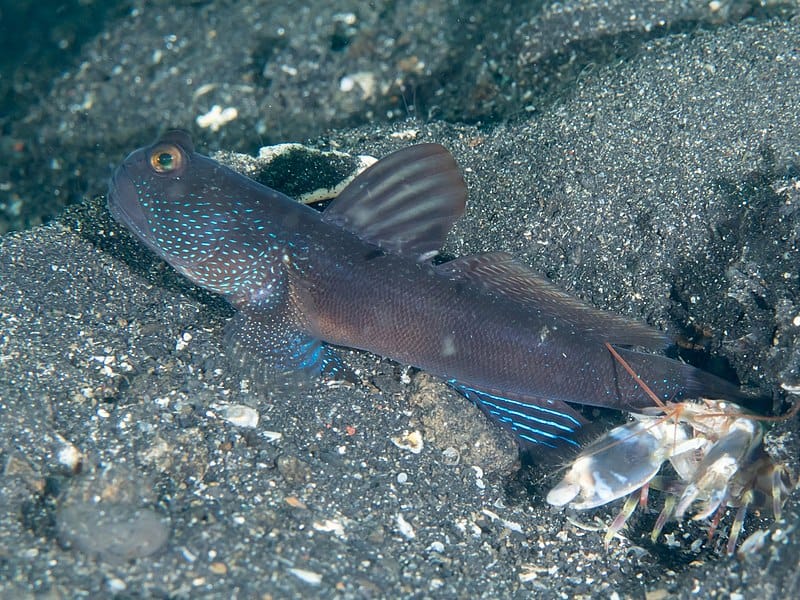
Goby & shrimp: Goby fish and shrimp sometimes live together in a sandy burrow dug by the shrimp. The shrimp keeps the burrow clean by feeding on stray particulate matter; however shrimps are almost blind, so when a predator approaches, the goby fish will tap the shrimp to warn it, and they will both retreat into the burrow for safety. This is, thus, a mutually beneficial relationship.
Commensalism
- One benefit, one no effect
Cattle & cattle egrets: Cattle egrets are aptly named birds as they spend most of their time perched on the backs of cattle. As the cattle graze in the fields, various insects fly up from their spots in the grass, making them easily accessible food for the egrets. The cattle are unaffected by this interaction, but the egrets benefit from it.
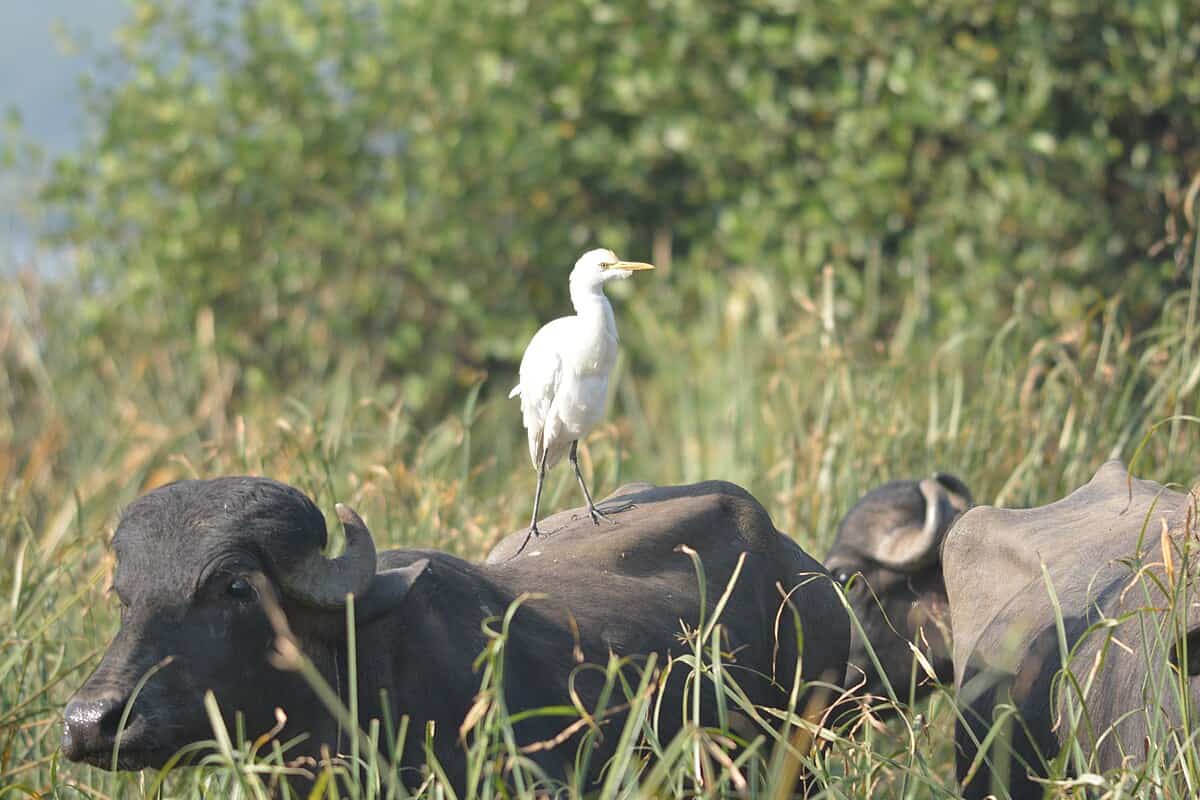
Dr. Raju Kasambe, CC BY-SA 4.0, via Wikimedia Commons
Parasitism
- One harmed, one benefit
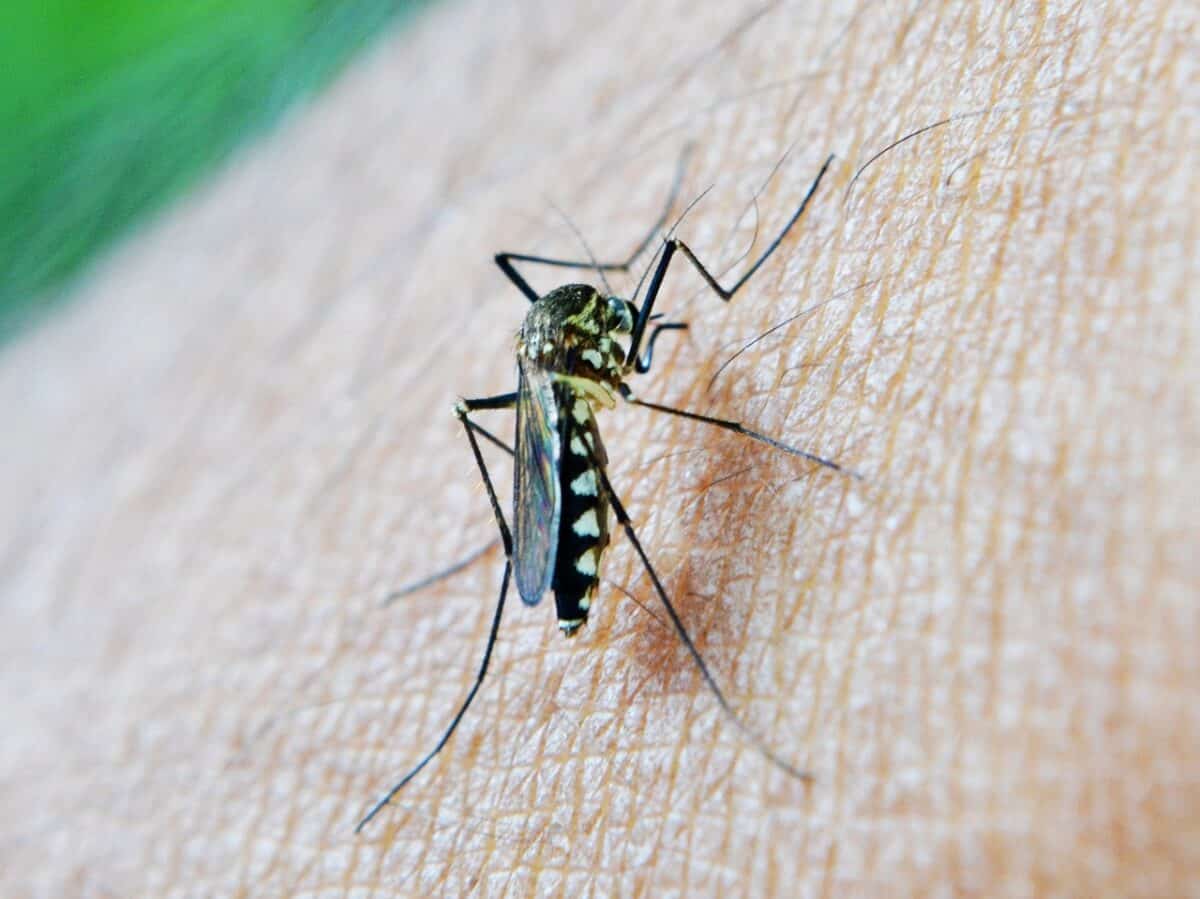
Mosquitos & humans: This is a relationship many of us are far too familiar with. Mosquitoes feed on blood, including, and perhaps in particular, human blood. Mosquitos leave behind an itchy bite mark when they are finished feasting, but worse still, many mosquitoes carry deadly diseases such as malaria, yellow fever, and the Zika virus, to name a few. Horrifyingly, mosquitoes are responsible for killing 700,000 human deaths every year.
Latest Animal Interactions News
-
The Incredible Migrations of Whale Sharks
-
Stray Dog Hops Onto Scooter and Adopts Himself
-
The Deep Sea’s Brightest Glow-in-the-Dark Creature Is a Living Light Show
-
10 Things Wolves Do Before a Hunt — And 3 When It Goes Wrong
-
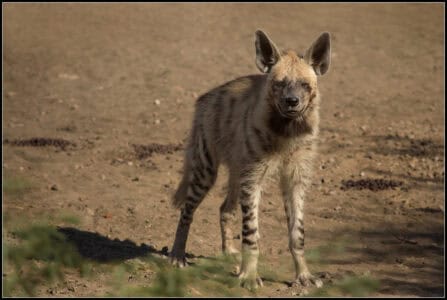
Hyenas in African Lore: Villains or Shamans?
-
Zoo Welcomes Four Rare Barbary Lion Cubs: A Sub Species Now Extinct in The Wild
FAQs
Animals communicate with different species via sounds, such as hissing or barking, scent, such as to mark their territory, or body language, such as baring their teeth. Animals of different species don’t often communicate, unless for warning.
Animals may form mutualistic relationships with other animals as a survival mechanism, like in the case of shrimp and gory fish, or due to living in close proximity, like in zoos or as pets in a household.
Zoo advocates argue that they function to save endangered species and educate people about animal conservation; whereas activists argue that the animals have a much poorer quality of life in their small enclosures with very little privacy, even if they are endangered.
Taming refers to modifying the behavior of a wild-born animal, whereas domesticating refers to the permanent genetic modification of a lineage of animals over time.
Animal Interaction News
-

Why Dolphins Are Gathering in Record Numbers Near California
-

New Research Finds How Animal Characters in Children’s Books Improves Cognitive and Psychological Development
-

Tourist Sprints Towards Mother Bear And Her Cubs In Yellowstone National Park
-

Came For The Tuna Got A Hug Instead
-
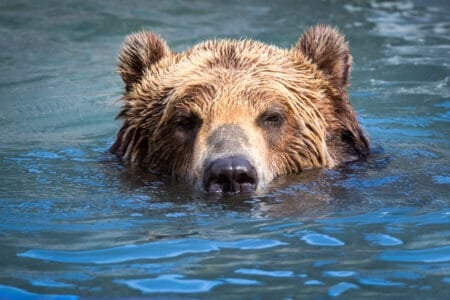
What To Do When Attacked By a Bear
-

Lucky Surfer Surfs with a Pod of Dolphins
-
Meet the Kereru: The Drunkest Bird In The World
-

Incredible Footage of Utah Hiker’s Terrifying Mountain Lion Encounter
-
Freediving With Sharks In South Africa
-
Meet The Japanese Snow Monkey
-
The Big Reason Why Rhinos are Airlifted Hanging Upside Down
-
Massive Anaconda and Caiman Come Face to Face In Gripping Standoff
History of Domestication
Animal domestication began over 15,000 years ago with wolves, who have been selectively bred into every breed of modern dog alive today. Wolves and humans formed a mutualistic relationship, with wolves providing protection and humans providing food.
The oldest known burial site featuring a cat is dated to around 9,500 years ago; however, the first clear evidence of domesticated cats dates back 8,000 years ago in Egypt. If you know anything about cats, you’ll know that it is more than likely they domesticated themselves. They may have opted to live close to humans because of the rodent populations that accompanied growing civilizations.
Cattle, goats, pigs, and sheep were domesticated around 11,000 years ago in an area which is now Northern Africa, Middle East, and West Asia. These animals were bred for their fur, wool, and, of course, meat.
Why Do We Write About Animal Interactions?
Currently, according to the IUCN Red List, there are over 44,000 species that are threatened with extinction. We hope that by sharing some incredible interaction stories we can bring awareness to these species and encourage good practice when viewing these animals in their natural habitats.
Ultimately, watching and reading about animal interactions is a way that you can learn more about these animals while also having fun and being entertained!
You may also like these animal interactions:
Newest Category: Interactions

Please send any feedback to feedback@animalsaroundtheglobe.com
- 10 Animals That Live In Extreme Environments - August 13, 2026
- Realistic Images of Earth’s First Animals: The Ediacaran Period - July 31, 2026
- Cats Try Catnip For The First Time - July 25, 2026