


The wolf has long been a symbol that evokes mystery, strength, and wisdom. As a spirit animal, the wolf can offer guidance and insight into our deepest instincts and emotional landscapes. This article delves into the rich symbolism and meaning associated with the wolf as a spirit animal, providing readers with an understanding of its historical, cultural, and personal significance.
Historical and Cultural Significance
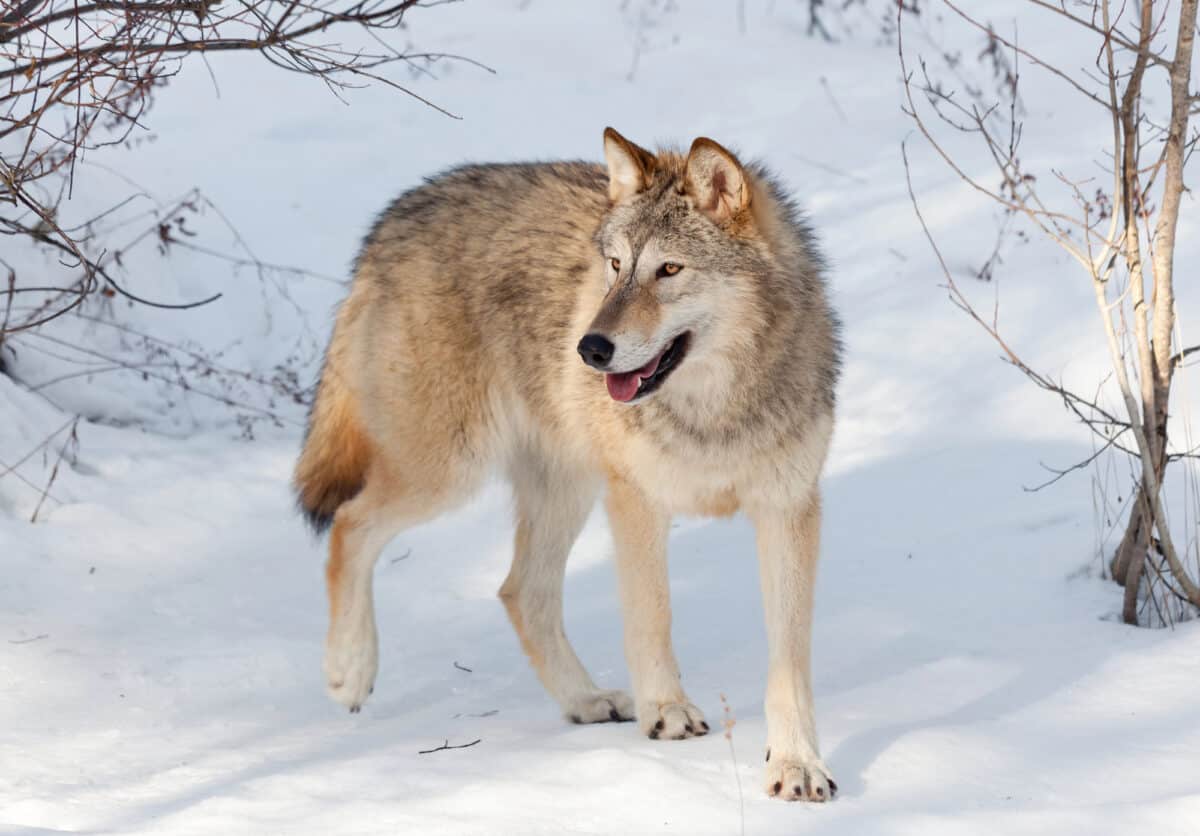
The wolf’s imagery has played a powerful role across various cultures throughout history. In Native American traditions, the wolf is often seen as a teacher, symbolizing loyalty, perseverance, and intuition. Tribes such as the Pawnee revered wolves for their hunting skills, while the Apache saw the creature as a symbol of family and unity.
In ancient Norse mythology, wolves were prominent figures, embodying both noble and fearsome qualities. The epic tales feature Fenrir, a monstrous wolf prophesied to play a key role in the cataclysmic events of Ragnarok and Geri and Freki, companions of the god Odin.
Similarly, in Roman mythology, Romulus and Remus, the founders of Rome, were said to have been raised by a she-wolf, symbolizing the protective and nurturing aspects of the wolf spirit. These historical and cultural perspectives highlight the diverse interpretations of the wolf as a spirit animal across time and geography.
Symbolism Associated with the Wolf
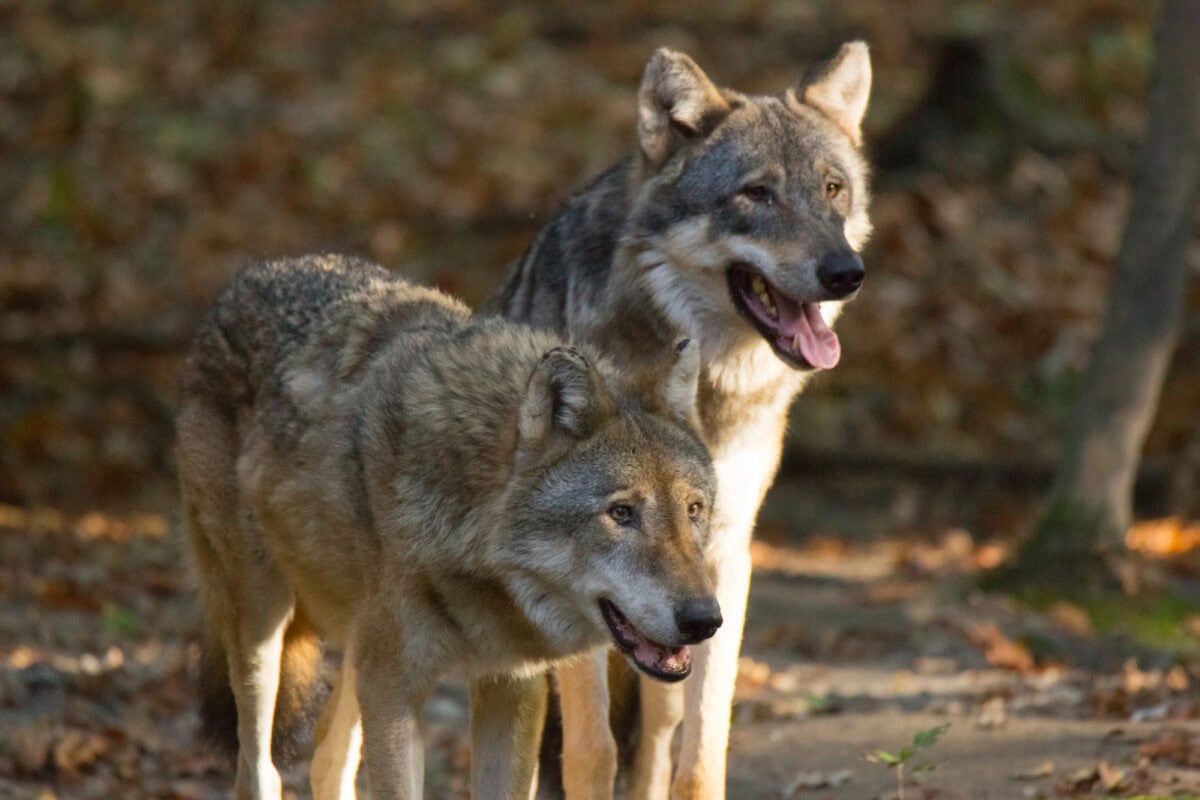
The wolf as a spirit animal is laden with symbolism that reflects its complex nature. Here are some of the key meanings associated with the wolf:
- Intuition and Instinct: Wolves are known for their keen instincts and ability to make swift decisions. As a spirit animal, the wolf encourages individuals to trust their inner voice and guidance.
- Loyalty and Family: Living in packs, wolves embody the essence of family loyalty and social structure. They teach the importance of strong familial bonds and teamwork.
- Freedom and Independence: While wolves thrive in packs, they also possess a significant degree of individual strength and independence. The wolf spirit encourages a balance between communal support and personal autonomy.
- Strength and Courage: As apex predators, wolves symbolize natural strength and courage, inspiring resilience in the face of challenges.
- Transformation and Change: Wolves often symbolize the transformative power of personal growth and the ability to shed old habits and embrace new ones.
The Wolf as a Personal Guide

For individuals who resonate with the wolf as their spirit animal, this connection can provide profound lessons and guidance in their personal and spiritual lives. The wolf may appear during times of change or when a person is seeking clarity and direction. By tuning into the wolf’s energy, one can gain insights into the path of self-discovery and the courage to step into the unknown.
Additionally, the wolf spirit reminds us to trust and nurture our instincts, promoting a deeper understanding of personal boundaries and the importance of standing up for ourselves. Through this connection, those inspired by the wolf can explore the balance between independence and community, fostering a sense of belonging while honoring individual freedom.
How to Connect with the Wolf Spirit

Embracing the wolf as a spirit animal involves cultivating awareness and openness to its messages. Here are some steps to foster this connection:
- Meditation and Visualization: Spend quiet moments in meditation, visualizing the presence of a wolf and inviting its guidance. Pay attention to any messages or feelings that arise.
- Nature Connection: If possible, spend time in natural settings, observing the behaviors of wolves in documentaries or the wild. This can enhance your understanding and appreciation of their qualities.
- Reflection and Journaling: Reflect on dreams, thoughts, or experiences that feature wolves. Keeping a journal can help uncover patterns and insights related to the wolf spirit’s influence in your life.
- Symbolic Representation: Incorporate wolf imagery into your daily life, such as art, jewelry, or totems, as a continual reminder of the wolf’s presence and teachings.
Conclusion

The wolf, as a spirit animal, offers a deep well of wisdom and inspiration, drawing from its rich symbolism and profound historical presence in cultures worldwide. By embracing the lessons of the wolf, individuals can enhance their intuition, find strength in community, and navigate life’s changes with courage and confidence. Whether as a guide or protector, the wolf spirit animal remains a powerful companion on the journey of personal and spiritual growth.

As a little kid, I fell in love with nature, wildlife, and animals. Living in the USA, South Africa, Italy, China and Germany gave me the opportunity to discover the world's Wildlife. My favorite animals are Mountain Gorillas, Siberian Tigers, and Great White Sharks.
I'm a certified PADI Open Water Diver, went to Everest Base Camp and Trekked Gorillas in Uganda. I hold a Master of Science in Economics and Finance.
Please send any feedback to feedback@animalsaroundtheglobe.com
- 13 Cat Breeds That Get Along with Dogs - July 20, 2026
- The 12 Largest Dog Breeds That Still Love to Cuddle - July 20, 2026
- 12 Pet Habits That Secretly Mean They Love You - July 20, 2026