


Floating gracefully across tropical oceans with its translucent blue sail catching the wind, the Portuguese Man O’ War presents a deceptively beautiful but dangerous presence. Despite its jellyfish-like appearance, this fascinating marine organism harbors an extraordinary secret: it isn’t a single animal at all. The Portuguese Man O’ War (Physalia physalis) represents one of nature’s most remarkable examples of colonial living – four distinct types of highly specialized organisms working together as a single entity. This complex arrangement, known as a siphonophore, challenges our understanding of what constitutes an individual organism and demonstrates evolution’s capacity for creating intricate biological partnerships. From its painful sting to its unusual reproductive methods, the Portuguese Man O’ War continues to intrigue scientists and beachgoers alike, offering valuable insights into the diverse ways life can organize itself in our oceans.
The Colonial Organism: A Biological Conundrum

The Portuguese Man O’ War belongs to a group called siphonophores, which are colonial hydrozoans – relatives of jellyfish and corals within the phylum Cnidaria. Unlike true jellyfish, which are single multicellular organisms, the Man O’ War is a colony composed of specialized individual organisms called zooids. These zooids are genetically identical but perform vastly different functions, working together so seamlessly that they appear to be a single animal. This level of integration is so complete that the colony cannot survive if separated, as each zooid type depends entirely on the others.
This colonial arrangement evolved as a highly successful adaptation, allowing the Portuguese Man O’ War to thrive in open ocean environments where resources are scarce and widely distributed. The zooids develop from a single fertilized egg that divides and differentiates into the various specialized forms, creating what biologists call a “superorganism.” This evolutionary strategy represents a fascinating middle ground between individual organisms and true multicellularity, challenging our conventional understanding of what constitutes an individual life form in the natural world.
The Four Specialized Zooids and Their Functions
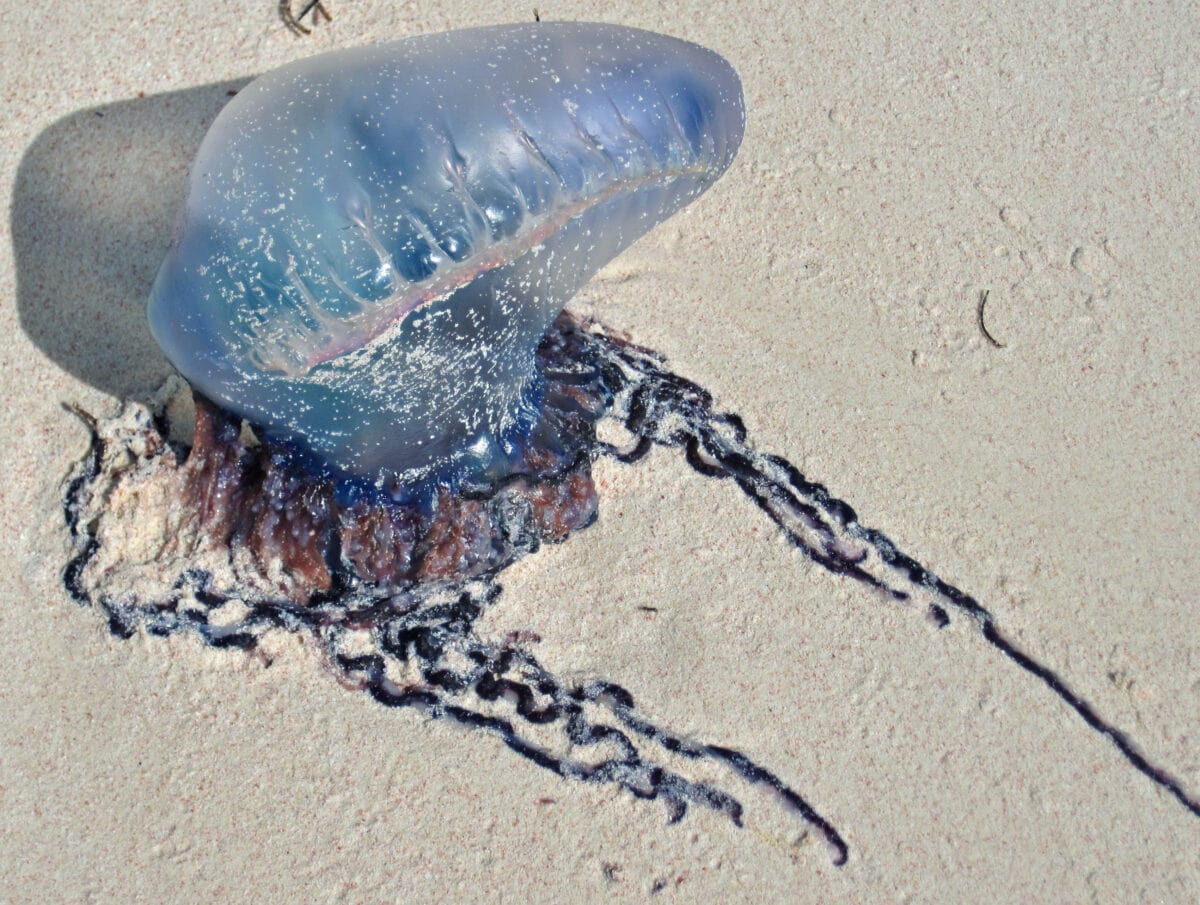
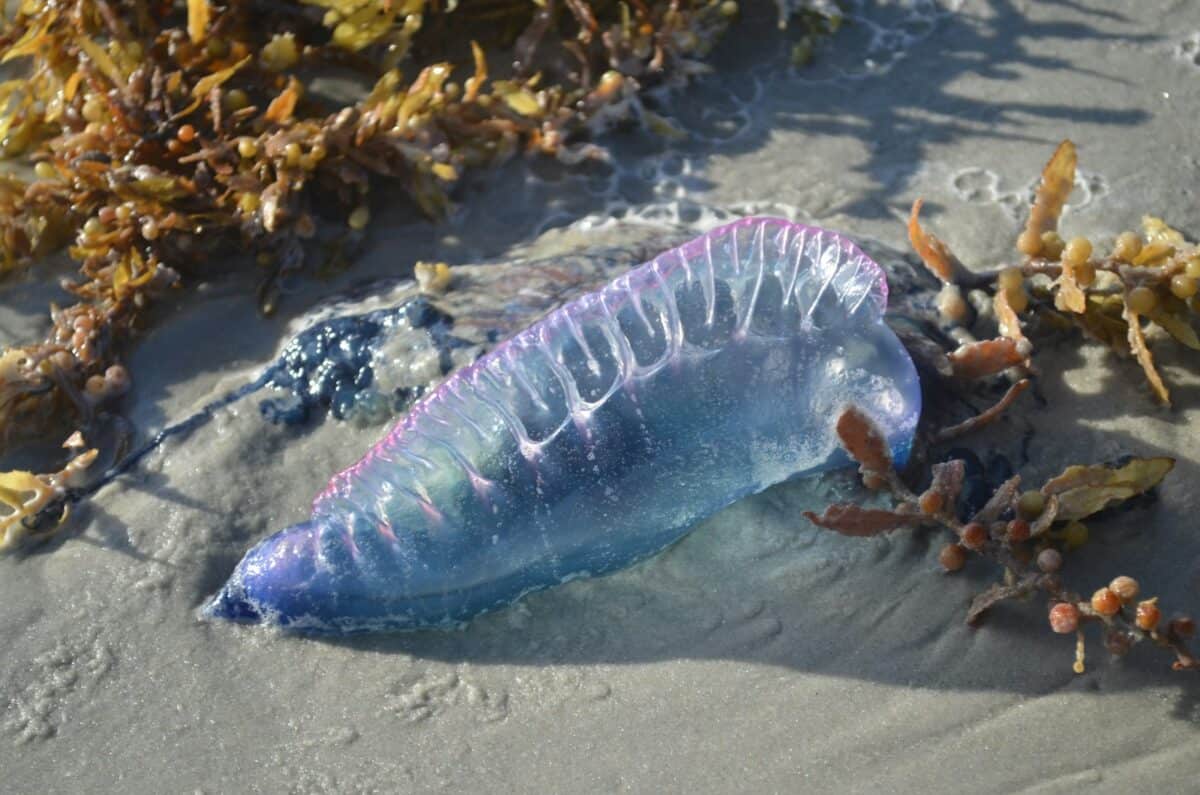
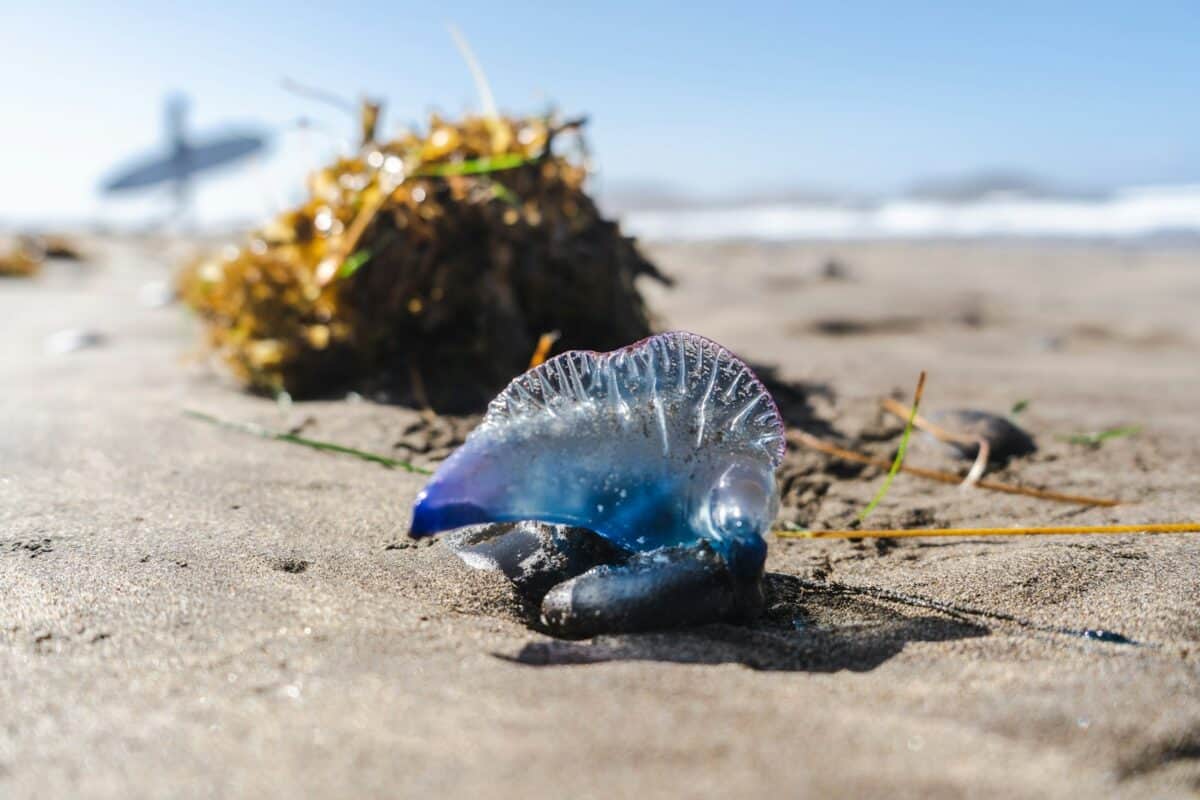
The Portuguese Man O’ War’s colonial structure consists of four distinct types of zooids, each performing specialized functions essential to the colony’s survival. The pneumatophore, or float, is perhaps the most recognizable component – a gas-filled, translucent blue or pink sail that rises above the water’s surface. This specialized zooid produces its own gas mixture (primarily carbon monoxide and nitrogen) to maintain buoyancy and acts as the colony’s sail, catching the wind to propel the organism across the ocean. The pneumatophore can inflate or partially deflate to adjust position and can grow up to 12 inches long in mature specimens.
The three remaining zooid types operate beneath the surface. Dactylozooids form long, venomous tentacles that can extend up to 100 feet, used for capturing prey and defense. Gastrozooids are responsible for digestion, breaking down captured prey and distributing nutrients throughout the colony. Finally, gonozooids handle reproduction, producing eggs or sperm that combine with those from other colonies to create new Portuguese Men O’ War. This remarkable division of labor allows the colony to function effectively as what appears to be a single sophisticated organism, though it’s actually a highly integrated team of specialized components.
The Distinctive Sail: Nature’s Masterful Design

The pneumatophore, or sail, represents one of the most remarkable adaptations in marine biology. This specialized zooid forms a translucent, gas-filled float that typically displays a bluish or purplish tint, though it sometimes appears pink or violet depending on lighting conditions. The sail’s crest contains muscular bands that allow it to expand or contract slightly, controlling the colony’s orientation relative to wind direction. Interestingly, Portuguese Men O’ War develop with their sails oriented either leftward or rightward, creating two distinct populations that drift in slightly different directions when blown by the same wind – an evolutionary strategy that prevents all colonies from washing ashore during strong onshore winds.
The sail contains specialized cells called pneumatocytes that actively transport gases from the surrounding seawater into the float. The gas mixture inside, which contains up to 90% nitrogen and significant amounts of carbon monoxide (a gas toxic to most organisms), helps maintain buoyancy with remarkable efficiency. The sail’s structure represents an elegant example of natural engineering, balancing the need for visibility to attract certain fish species that have immunity to its venom (and form symbiotic relationships with the Man O’ War) while providing enough surface area to harness wind power effectively. This adaptation allows these organisms to travel vast distances across open oceans without expending energy on active swimming.
Deadly Tentacles: An Arsenal of Venom
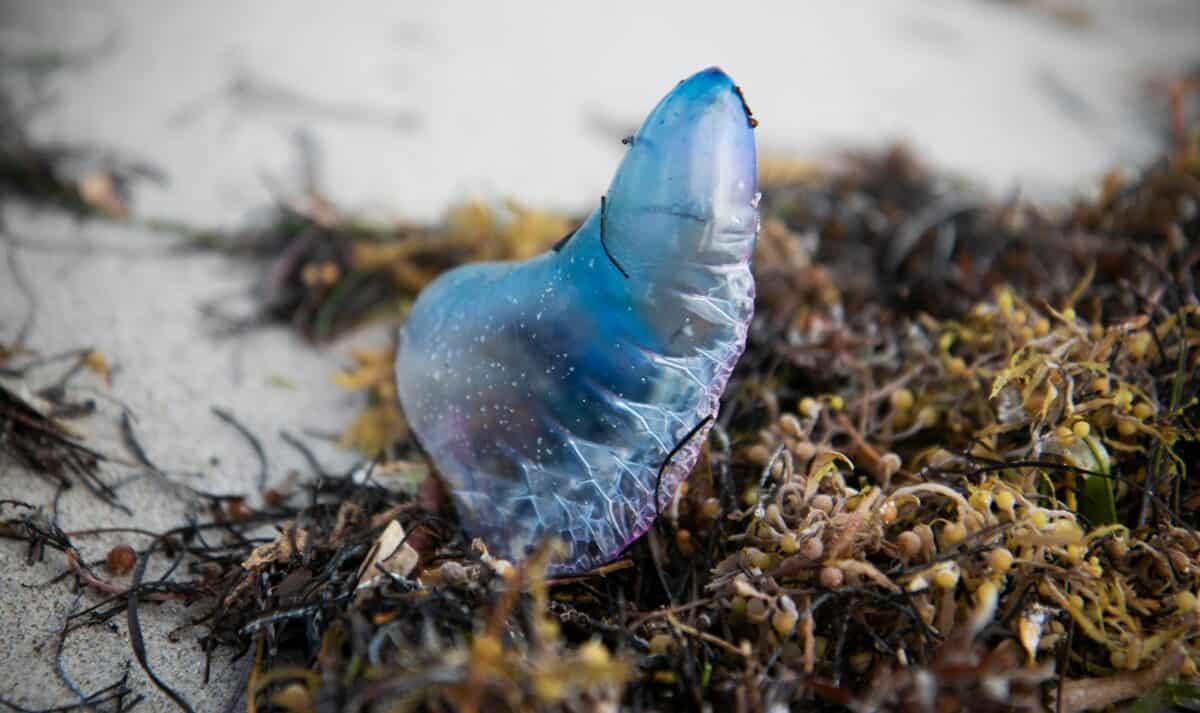
The fishing tentacles of the Portuguese Man O’ War represent one of the most formidable weapons in the marine world. These dactylozooids can extend up to 100 feet (30 meters) below the surface, creating an extensive underwater trap for prey. Each tentacle is equipped with thousands of specialized stinging cells called nematocysts, which function like microscopic harpoons. When triggered by contact, these cells explosively discharge tiny venom-filled threads that can penetrate the skin of prey or potential threats, delivering a powerful neurotoxin. This venom is designed to immobilize small fish and other marine organisms almost instantly, allowing the colony to reel in and consume its prey.
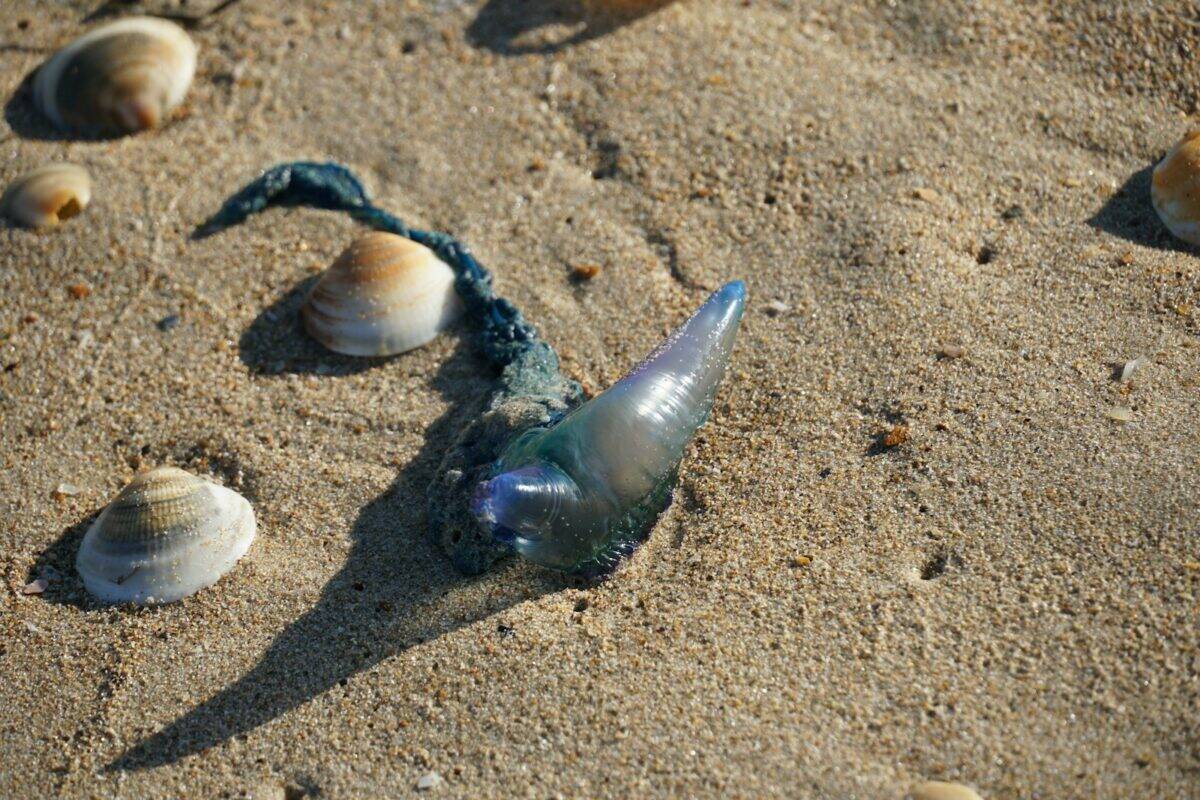
For humans, contact with these tentacles produces immediate, intense pain described as feeling like being branded with hot metal. The venom can cause welts, muscle cramps, breathing difficulties, and in rare cases, more severe systemic reactions including cardiac complications. What makes these tentacles particularly dangerous is their ability to sting even when detached from the main colony or when the organism appears dead on a beach. The nematocysts respond to chemical and physical triggers independently of the colony’s living status, meaning washed-up specimens remain hazardous for days. This remarkable defensive system evolved primarily for hunting, but serves equally well as protection against potential predators.
Feeding and Digestion: A Coordinated Effort
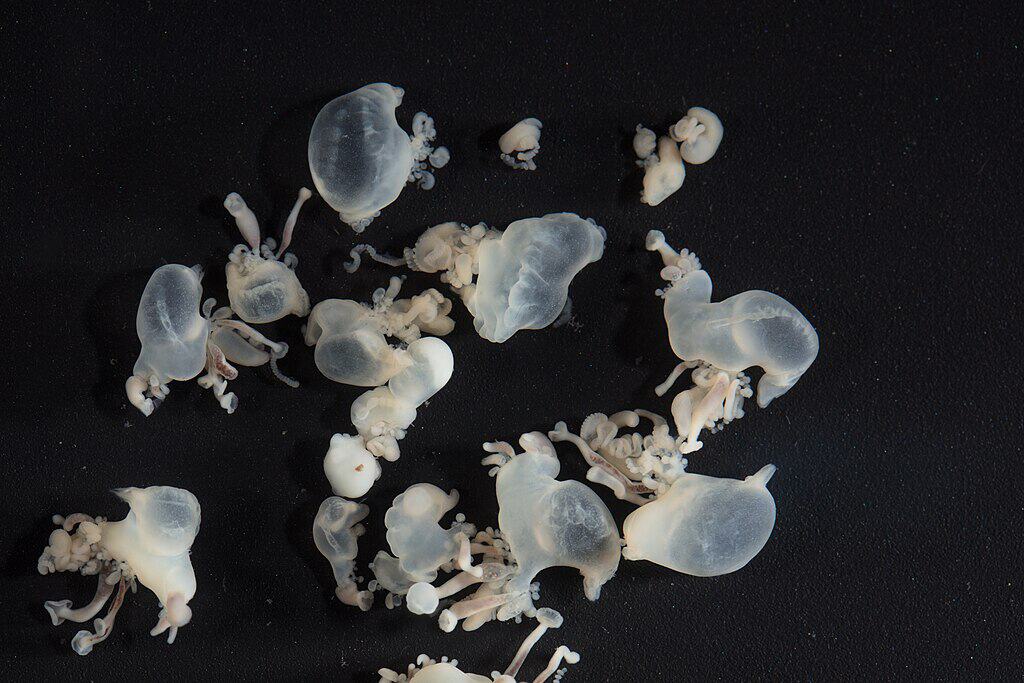
The feeding process of the Portuguese Man O’ War demonstrates the remarkable coordination between its specialized zooids. Once prey becomes entangled in the venomous fishing tentacles and immobilized by the toxins, the tentacles contract and bring the food toward specialized digestive zooids called gastrozooids. These polyps secrete powerful enzymes that begin breaking down the prey externally before internalizing partially digested material. Unlike many predators that consume their prey whole, the Man O’ War essentially performs a significant portion of its digestion outside its body, a process known as extracellular digestion.
What makes this system particularly efficient is the colony’s nutrient distribution network. After the gastrozooids process the nutrients, they enter a shared gastrovascular cavity that connects all zooids in the colony. This allows the energy and building blocks extracted from prey to be distributed precisely where needed throughout the entire organism. This sophisticated resource allocation system ensures that energy captured from relatively rare successful hunts can be optimally utilized, supporting everything from venom production to reproduction. The entire feeding process represents a triumph of biological specialization and coordination between distinct organisms functioning as a single entity.
Reproduction: Creating New Colonial Organisms
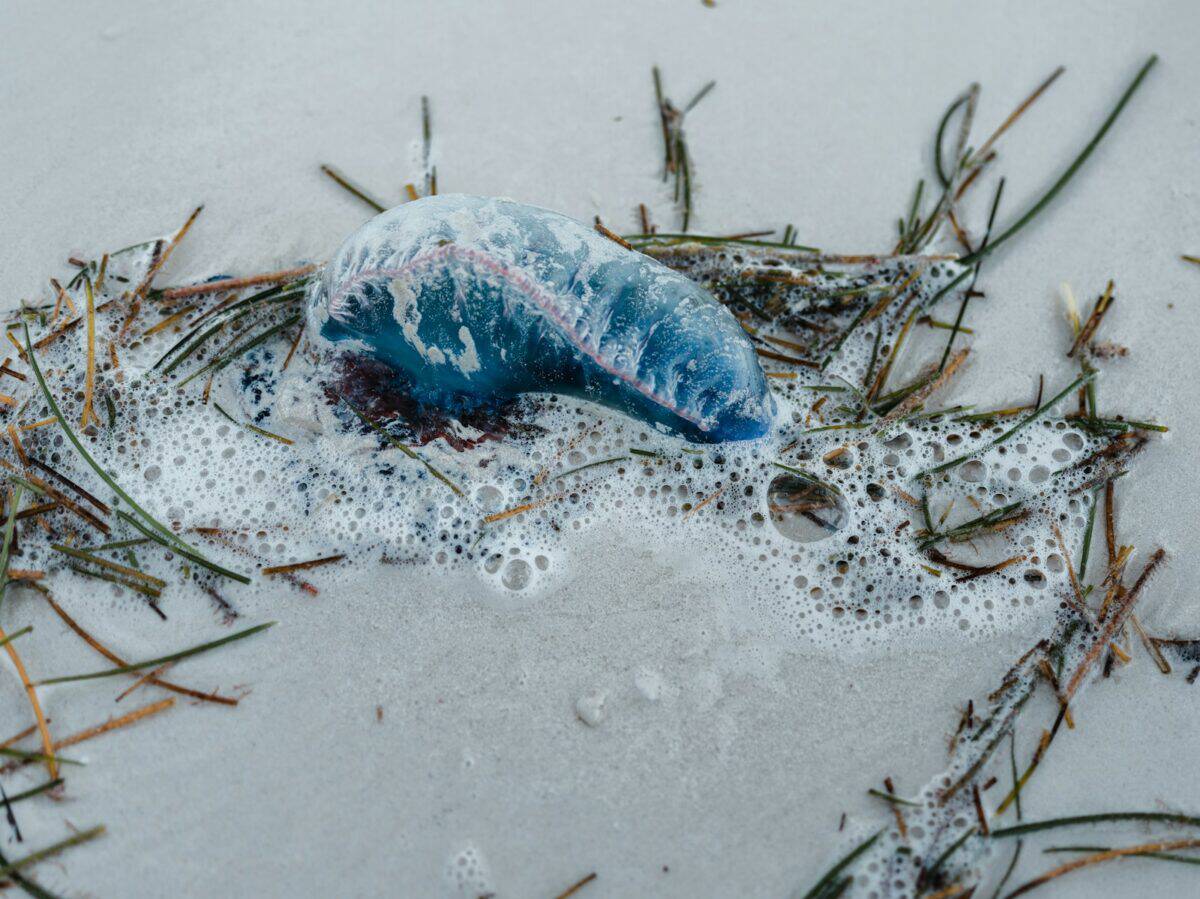
The reproductive strategy of the Portuguese Man O’ War further illustrates its complexity as a colonial organism. Unlike single animals that produce gametes directly, reproduction is handled by specialized reproductive zooids called gonozooids. These structures produce either eggs or sperm, as each Man O’ War colony is either male or female. During reproductive periods, mature colonies release their gametes into the ocean, where fertilization occurs externally when egg and sperm from different colonies meet in the water. This strategy allows for genetic diversity while maintaining the colonial nature that defines these organisms.
After fertilization, the zygote develops into a free-swimming larval form that undergoes a remarkable process of colonial development. Rather than growing as a single multicellular organism, the initial cell divides and begins to differentiate into the various specialized zooids. The pneumatophore (sail) develops first, followed by the other specialized structures, eventually forming a complete new colony. This developmental pathway demonstrates how the colonial lifestyle is encoded from the earliest stages of the organism’s existence. Young Portuguese Men O’ War are miniature versions of adults, already containing all four specialized zooid types, though they continue to grow and add more structures throughout their lifespan, which typically ranges from one to three years in natural conditions.
Global Distribution and Habitat
The Portuguese Man O’ War inhabits warm tropical and subtropical waters throughout the world’s oceans, though it is particularly common in the Atlantic, Indian, and Pacific Oceans. Despite its name, which originated from its resemblance to 18th-century Portuguese warships under full sail, the species did not originate in Portuguese waters. These organisms thrive in open ocean environments, where their sail structure can capture winds effectively for movement. They typically prefer surface waters with temperatures between 68°F and 86°F (20°C to 30°C), though they can survive brief exposures to cooler conditions.
Their distribution is heavily influenced by ocean currents and prevailing winds, which can sometimes lead to mass strandings when weather patterns push large numbers toward coastlines. The Gulf Stream in the Atlantic Ocean and the Kuroshio Current in the Pacific frequently transport these organisms across vast distances. Climate change appears to be affecting their distribution patterns, with some research suggesting expanded ranges into waters that were previously too cool to support them. These colonial organisms represent important components of pelagic (open ocean) ecosystems, providing habitat for certain fish species immune to their venom while also contributing to the control of small fish populations through predation.
Ecological Relationships and Symbiosis
Despite their fearsome reputation, Portuguese Men O’ War participate in fascinating ecological relationships that highlight the complexity of ocean ecosystems. Perhaps most notable is their relationship with certain fish species, particularly the Man O’ War fish (Nomeus gronovii) and young Amberjacks (Seriola species). These fish have developed immunity to the Man O’ War’s venom and use the tentacles as protection from their own predators. The small, silvery Man O’ War fish even feeds on portions of the tentacles without triggering the stinging cells, representing a remarkable adaptation to living among these venomous structures. This relationship benefits the fish through protection and food while potentially providing the Man O’ War with cleaning services and attracting additional prey fish.
In broader ecosystem contexts, Portuguese Men O’ War serve as both predators and prey. While they consume significant numbers of small fish and zooplankton, they in turn become food for sea turtles, particularly leatherback turtles, which have specialized throat adaptations that protect them from stings. The ocean sunfish (Mola mola) also consumes these colonial organisms, representing one of the few vertebrate predators capable of doing so safely. When Portuguese Men O’ War wash ashore and die, they contribute nutrients to beach ecosystems, though their slow decomposition means this impact is relatively minor compared to other marine inputs. These ecological relationships demonstrate how even organisms with powerful defenses occupy specific niches within marine food webs.
Human Interactions and Safety Concerns
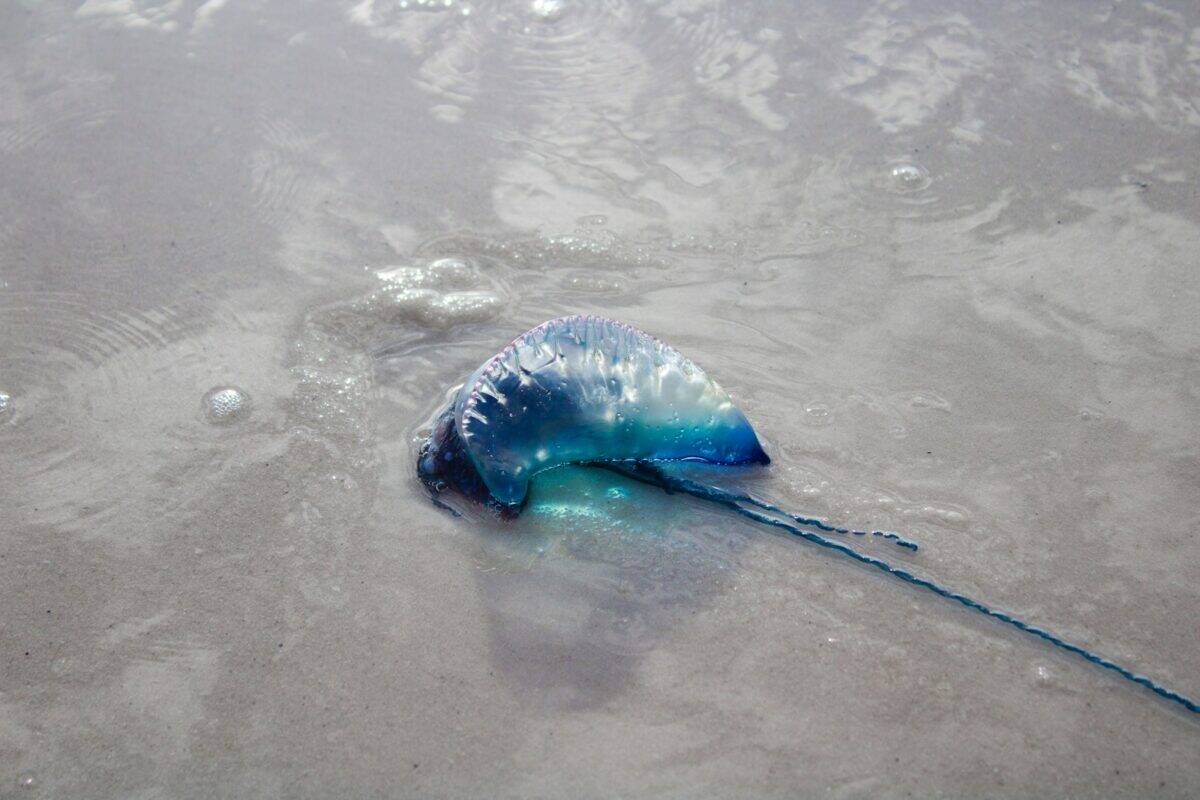
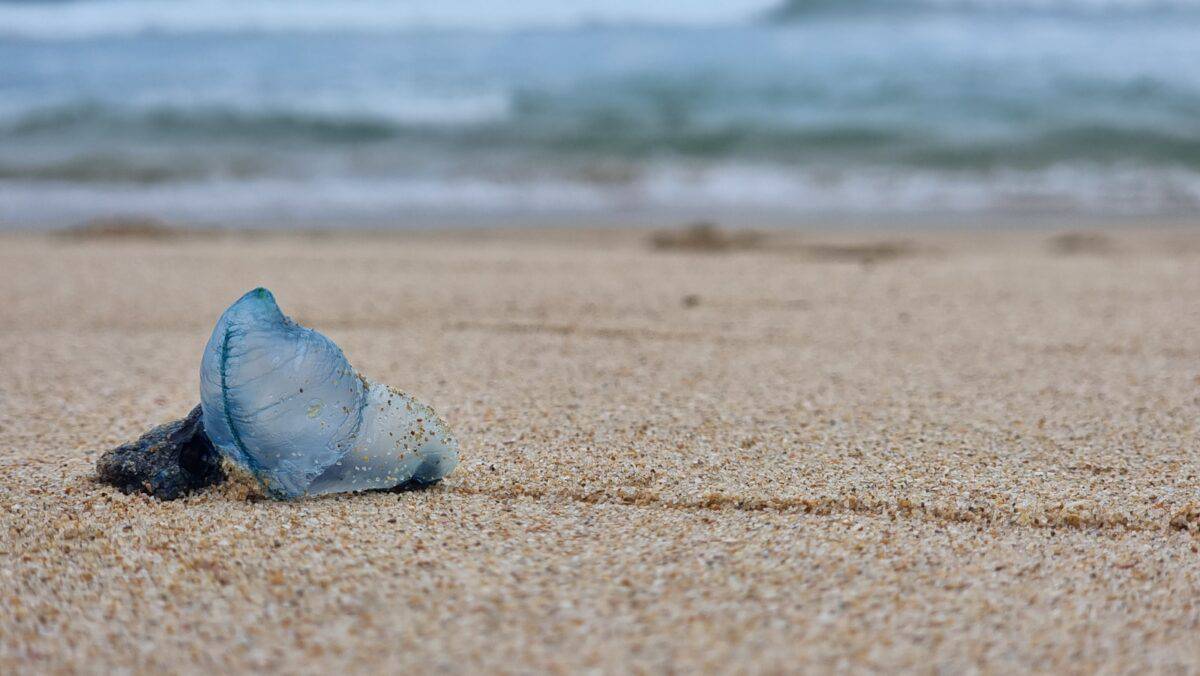
Encounters between humans and Portuguese Men O’ War typically occur along beaches, where these organisms may wash ashore in large numbers following certain wind patterns and currents. The most immediate concern is their powerful sting, which can cause intense pain, raised welts, and in some cases, more serious systemic reactions. The traditional advice to treat stings with vinegar, effective for true jellyfish stings, can actually worsen Man O’ War stings by causing unfired nematocysts to discharge. Current medical recommendations suggest rinsing with seawater (not fresh water, which can trigger more stinging cells), carefully removing tentacles with an object (never bare hands), and applying heat rather than cold to neutralize the venom components.
Beyond individual encounters, these organisms occasionally arrive in mass strandings that can temporarily close beaches and impact coastal tourism. However, they also attract scientific and educational interest, with many marine science centers featuring displays about their unique colonial nature. While no documented fatalities have been directly attributed to Portuguese Man O’ War stings in recent decades, they can cause serious medical complications for individuals with allergic sensitivities or when stings cover large body areas. Swimmers and beachgoers in affected areas are advised to heed warning flags and avoid entering water when these organisms are present, as their long, nearly invisible tentacles can extend far from the visible sail.
Scientific Research and Discoveries
The Portuguese Man O’ War continues to fascinate scientists across multiple disciplines, from evolutionary biology to biomechanics and toxicology. Recent genomic studies have provided insights into the genetic mechanisms that allow the different zooids to develop from identical genetic material yet express entirely different forms and functions. This research has implications for understanding cellular differentiation and specialization in other organisms, including humans. The venom components have attracted particular scientific interest, with researchers identifying compounds with potential applications in pain management and neuroscience. Some peptides isolated from Man O’ War venom show promise as models for novel analgesics that could work through different mechanisms than current pain medications.
Biomechanical engineers have studied the sail structure for inspiration in designing wind-powered surveillance devices and environmental monitoring systems that can operate autonomously in marine environments. The tentacle design, with its remarkable combination of strength, flexibility, and functional organization, has informed developments in soft robotics and extendable mechanical systems. Ecological researchers continue to monitor Portuguese Man O’ War populations as biological indicators of changing ocean conditions, particularly warming trends and shifting current patterns related to climate change. Their visible presence and distinctive appearance make them useful markers for citizen science projects tracking marine ecosystem changes along coastlines worldwide.
Similar Colonial Organisms in the Ocean
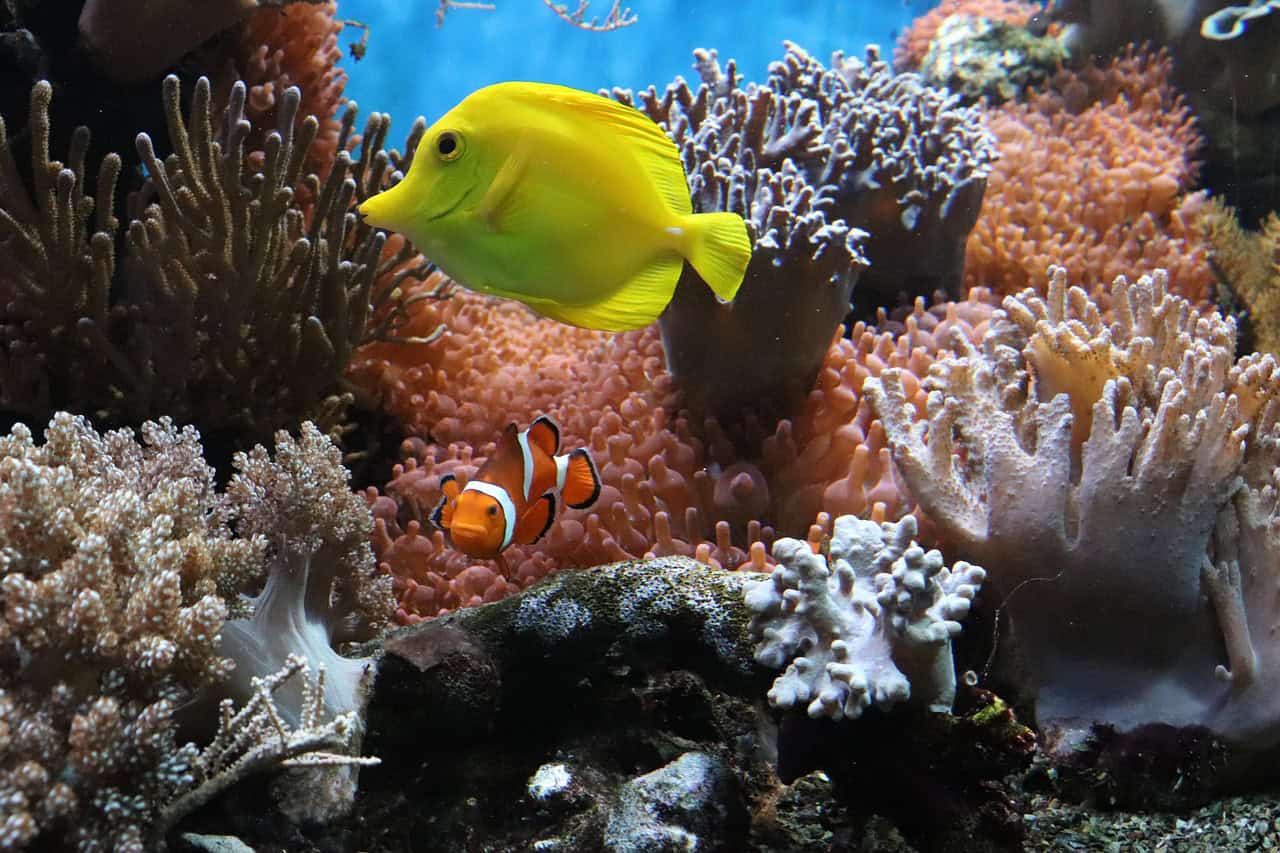
While the Portuguese Man O’ War represents one of the most recognizable colonial organisms, it belongs to a broader category of fascinating colonial marine life. Other siphonophores, like the deep-sea Praya dubia, can form colonies stretching over 130 feet (40 meters) long, making them among the longest organisms in the ocean. Unlike the surface-dwelling Man O’ War, many siphonophores inhabit deeper waters and display bioluminescence – producing their own light through chemical reactions – creating spectacular displays that attract prey in the darkness of the deep sea. These deep-water relatives often have more complex arrangements of specialized zooids, sometimes numbering in the thousands per colony.
Beyond siphonophores, the oceans contain other remarkable colonial organisms including coral polyps, which create the massive structures of coral reefs through colonial living, and salps, which form long chains of identical individuals that propel themselves through coordinated water pulsation. Colonial ascidians (sea squirts) create colorful mat-like structures on rocky substrates, while certain bryozoans form delicate branching colonies that filter feed in coastal waters. Each of these colonial lifestyles represents a different evolutionary solution to the challenges of marine living, demonstrating how the boundary between individual and colony has been repeatedly blurred throughout evolutionary history. The Portuguese Man O’ War, however, remains distinctive for its high degree of specialization and integration among its component zooids.
Conclusion: Nature’s Remarkable Example of Colonial Living
The Portuguese Man O’ War stands as one of nature’s most fascinating examples of how distinct organisms can integrate into a functional whole that transcends the capabilities of any individual component. This remarkable colonial arrangement – four specialized organisms functioning as one – challenges our conventional understanding of what constitutes an individual life form and demonstrates evolution’s capacity for creating innovative biological partnerships. From its wind-catching sail to its extensive venomous tentacles, each aspect of the Portuguese Man O’ War represents specialized adaptation refined over millions of years of evolution. As we continue to study these complex colonial organisms, they offer valuable insights into fundamental biological concepts including specialization, integration, and the blurred boundaries between individual and collective existence.
Beyond their scientific significance, Portuguese Men O’ War remind us of the endless creativity of evolutionary processes and the diverse ways life can organize itself to meet environmental challenges. While their painful stings make them unwelcome encounters for beachgoers, their remarkable biology deserves appreciation and protection as part of our planet’s incredible biodiversity. In a world where human activities increasingly impact marine ecosystems, understanding and preserving such unique organisms becomes ever more important, ensuring future generations can continue to marvel at nature’s extraordinary solutions to the challenges of survival in Earth’s vast oceans.

From exploring the marine wonders in the Azores and witnessing the vast savannas of Kenya, to delving deep into the rich biodiversity of South Africa and traversing iconic landscapes in Australia and the US like Yellowstone, Chris's experiences are vast.
With a penchant for diving alongside sharks, the ocean holds a special place in his heart.
Through his academic insights, he champions wildlife conservation, striving with 'Animals Around The Globe' to cultivate a profound connection between humans and animals, enhancing our mutual appreciation.
Connect with him at Feedback@animalsaroundtheglobe.com.
- The Brightest Animal Lives in the Sea - June 30, 2026
- This Ocean Creature Moves the Slowest—but Lives the Longest - June 30, 2026
- 12 Biggest Dinosaur Fossils Ever Found - June 30, 2026