
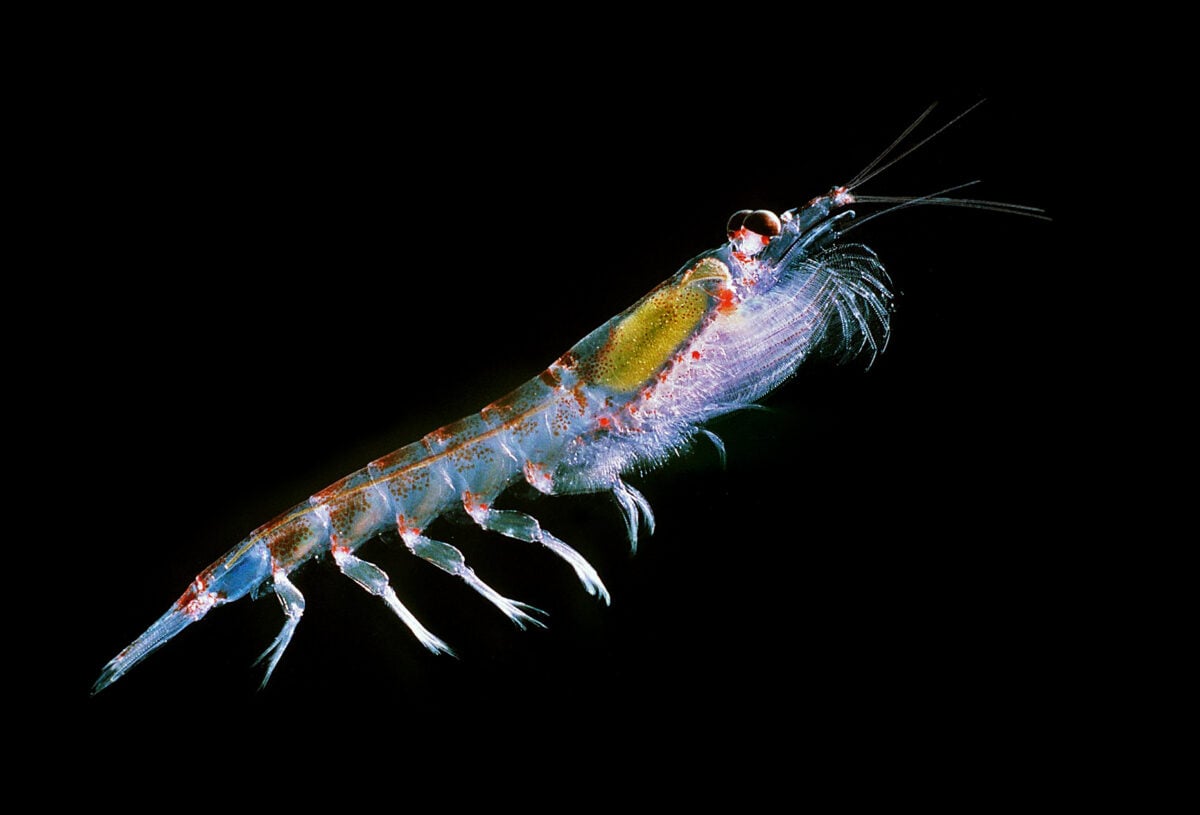

Next time you take a slow breath at the beach, consider where that air may have started. Not in the trees behind you, and not in some distant forest. A large share of it likely began as a byproduct of life too small to see, drifting in the water in front of you.
The claim that the ocean supplies about half of our oxygen gets repeated a lot, and it’s worth a closer look. The real story is more nuanced than a catchy statistic, and in some ways more interesting. It involves tiny organisms, huge numbers, and a balance that scientists are still working to measure well.
Where the Half Figure Comes From

The idea comes from estimates of photosynthesis across the planet. Scientists calculate how much carbon is fixed by plants on land and by phytoplankton in the sea, and oxygen release follows from that. Those estimates generally put ocean photosynthesis at roughly half of the global total, or somewhat less depending on the method.
NOAA describes the figure as being between about half and more of the oxygen, produced by ocean plants, including plankton and kelp. Still, it’s a rough estimate and not a precise measurement. Different studies land on slightly different numbers, so “about half” is best read as a sensible ballpark.
Meet the Plankton Doing the Work
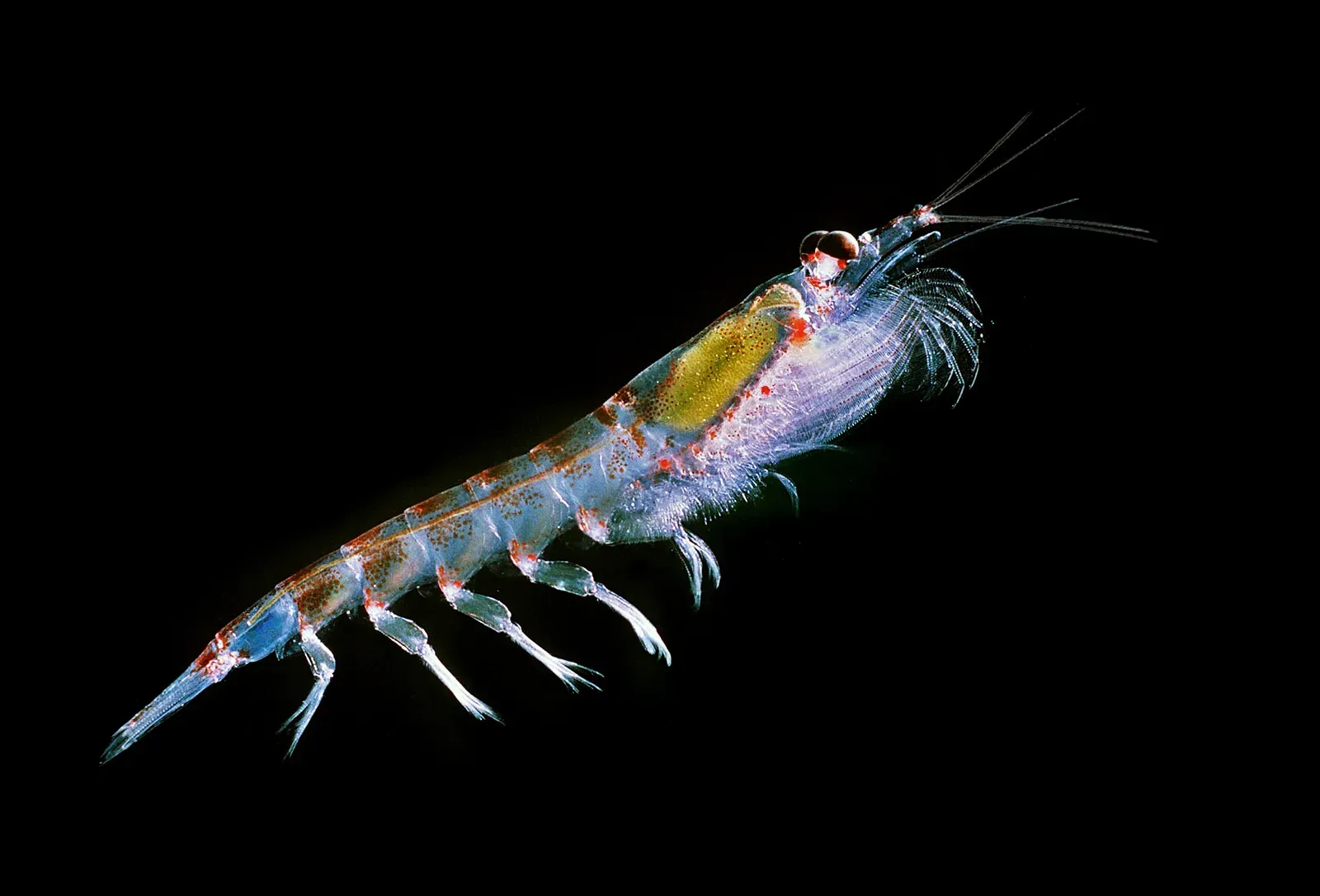
Phytoplankton are single celled organisms that photosynthesize, much like plants do. They drift near the sunlit surface of the ocean, using light, carbon dioxide, and nutrients to grow. Along the way, they release oxygen.
The group includes diatoms, dinoflagellates, and cyanobacteria. Among these, a tiny marine bacterium called Prochlorococcus is thought to be one of the most abundant photosynthesizers on Earth. It’s so small that it went undiscovered until the 1980s, which says a lot about how much of the ocean we’ve only recently begun to understand.
Why Small Organisms Add Up to Big Numbers
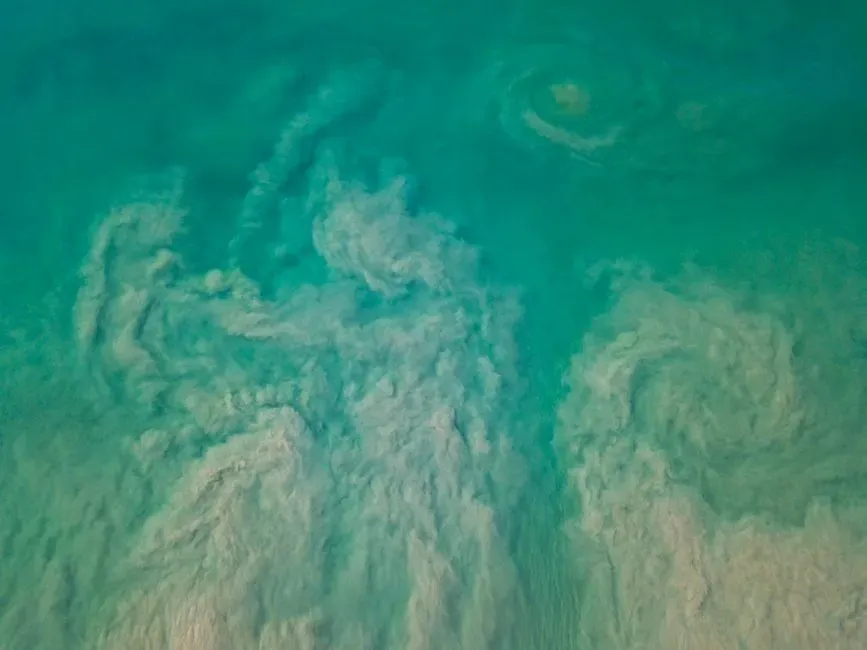
One plankton cell makes almost no oxygen. The trick is volume. The ocean covers about seventy percent of the planet’s surface, and phytoplankton can live across a huge portion of its sunlit upper layer.
They also reproduce quickly, often within days, so the population keeps renewing itself. Measured by total mass at any given moment, plankton are far smaller than land plants. Yet because they turn over so fast, their yearly output rivals that of the forests and grasslands on land.

Air Purifiers for Home Pets Large Room Up to 3000 Ft²,HEPA Air Cleaner with Washable Double-Side Filter, PM2.5 Air Quality Monitor,15dB Sleep Mode for Bedroom Odor Dust Pollen,White
Check Price on AmazonAs an Amazon Associate, we earn from qualifying purchases.
10/8/2026 8:23 am GMTi

Glass Hummingbird Feeder for Outdoors Hanging, 16 oz Leak-Proof Nectar Feeder with Bee Guards & Ant Moat
Check Price on AmazonAs an Amazon Associate, we earn from qualifying purchases.
10/7/2026 1:22 pm GMTi

Halloween Cat Costume Cloak Witch Hat Pet Accessories
Check Price on AmazonAs an Amazon Associate, we earn from qualifying purchases.
10/9/2026 2:44 pm GMTi

Smart Bird Feeder with Camera Solar Powered, 2K HD Live Video, 10,000+ Bird Species AI Identification
Check Price on AmazonAs an Amazon Associate, we earn from qualifying purchases.
10/7/2026 1:22 pm GMTi

Earth Rated XL Dog & Puppy Pee Pads, Discreet Top, Max Absorbency
Check Price on AmazonAs an Amazon Associate, we earn from qualifying purchases.
10/7/2026 1:28 pm GMTi
Oxygen Made Is Not Oxygen Added
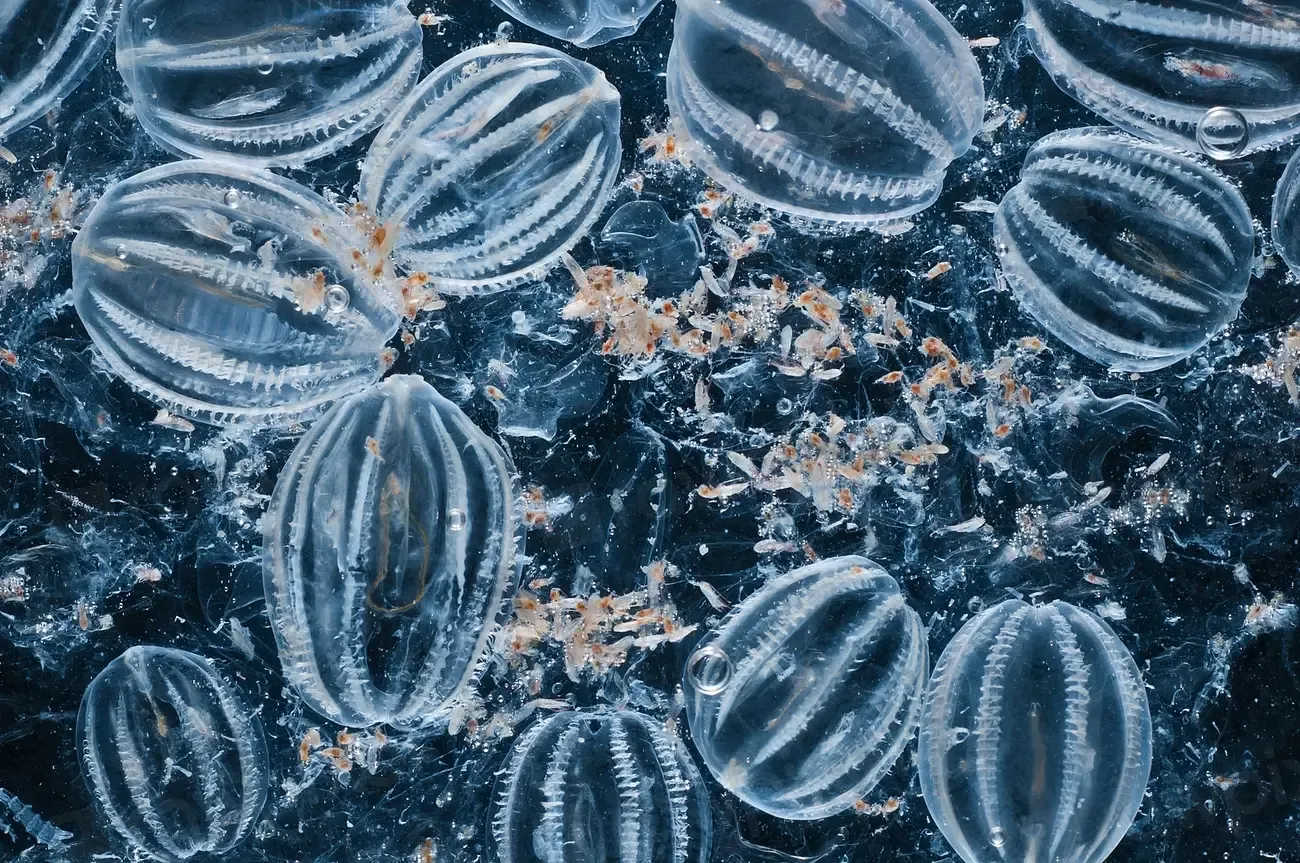
Here’s a detail that often gets lost. Much of the oxygen produced in the ocean is used up again there. Marine animals, bacteria, and even the plankton themselves consume oxygen when they respire or when dead organic matter breaks down.
The same is true on land, where decomposing plants consume much of what they produced. What accumulates in the atmosphere comes from a small fraction of organic carbon that gets buried instead of fully consumed. So the “half” figure describes production, not the net gain, which is a distinction worth keeping in mind.
The Ocean Also Stores Carbon
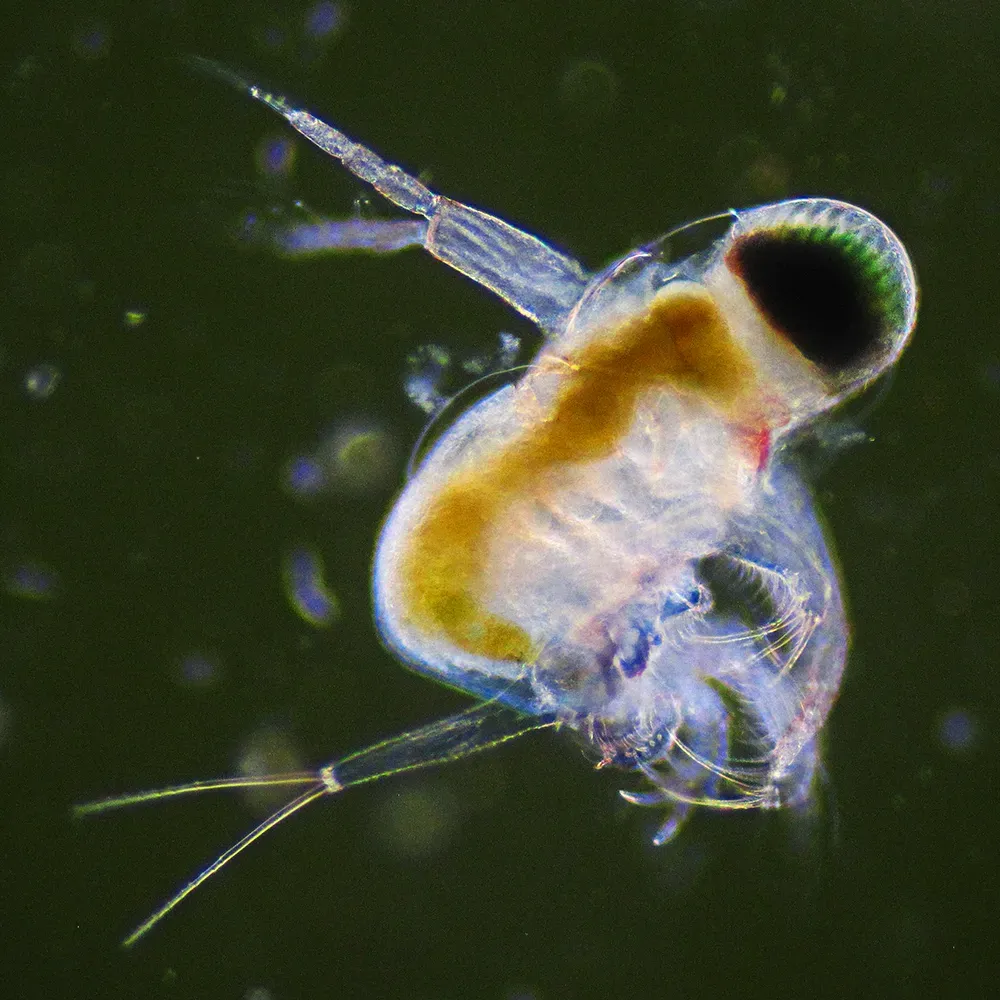
Oxygen is only half of the plankton’s equation. As they photosynthesize, they pull carbon dioxide out of the water, which lets the ocean absorb more from the air. When they die, some of that carbon sinks to deeper waters and sediments.
Scientists call this movement of carbon downward the biological pump. It’s one of the ways the ocean helps regulate the climate over long timescales. It also means that changes in plankton communities can ripple well beyond oxygen supplies.

Hand Blown Glass Hummingbird Feeders for Outdoors Hanging, 24oz Wild Bird Nectar Feeder
Check Price on AmazonAs an Amazon Associate, we earn from qualifying purchases.
10/7/2026 1:23 pm GMTi

Professional 7 in 1 Dog Paw Cleaner for Dogs & Cats - Includes 1 Portable Paw Washer, 1 Bath Brush
Check Price on AmazonAs an Amazon Associate, we earn from qualifying purchases.
10/7/2026 1:26 pm GMTi

PetSafe Oasys Pet Fountain, 1/2 Gallon (64 oz), Small Dogs & Cats
Check Price on AmazonAs an Amazon Associate, we earn from qualifying purchases.
10/8/2026 8:14 am GMTi

2 Pcs Halloween Pet Hat Bandana Set, Witch Pumpkin Costumes for Dogs
Check Price on AmazonAs an Amazon Associate, we earn from qualifying purchases.
10/9/2026 2:45 pm GMTi

Portable Dog Water Bottle Foldable Dog Travel Water Bottle
Check Price on AmazonAs an Amazon Associate, we earn from qualifying purchases.
10/7/2026 1:29 pm GMTi
What Could Threaten Plankton
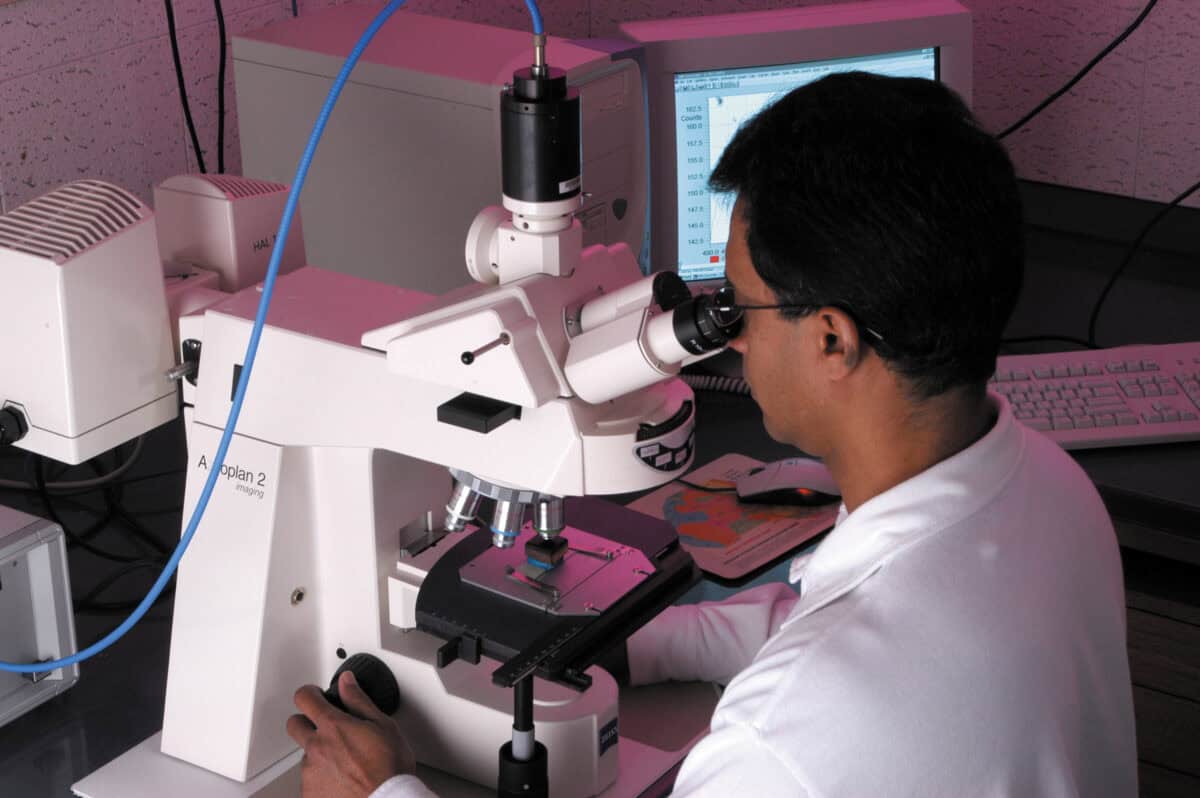
Plankton respond to temperature, sunlight, and nutrient supply, and all of those are shifting as the planet warms. Warmer surface water can become more layered, which may limit the mixing that brings nutrients up from below. Researchers are studying how this could change plankton growth, but results vary by region and species, and the global picture is not settled.
Ocean acidification and pollution add further pressure, including nutrient runoff that feeds harmful algal blooms. Those blooms can create low oxygen zones, sometimes called dead zones, where marine life struggles. Satellites now track ocean color to monitor chlorophyll, giving scientists a steadier view of how these communities change over time.
Why Not to Panic, and Why to Care
Some headlines suggest we could run short of breathable air if plankton fell apart. That isn’t supported by the science. The atmosphere holds an enormous reserve of oxygen, and it would take a very long time for any change in production to noticeably alter what we breathe.
Still, the ocean’s role is real, and it deserves more attention than it gets. Healthy plankton support food webs, fisheries, and climate balance. Oxygen is just the most personal reason to care.

Dog Stairs for Bed 18" H, 4-Step Dog Steps for High Bed
Check Price on AmazonAs an Amazon Associate, we earn from qualifying purchases.
10/9/2026 2:42 pm GMTi

Glass Hummingbird Feeder for Outdoors Hanging
Check Price on AmazonAs an Amazon Associate, we earn from qualifying purchases.
10/7/2026 1:21 pm GMTi

Halloween Dog Collar with Bow, Orange Cute Ghost Collar,
Check Price on AmazonAs an Amazon Associate, we earn from qualifying purchases.
10/9/2026 2:43 pm GMTi

Orthopedic Extra Large Dog Bed, Waterproof Washable XL Pet Bed 44"
Check Price on AmazonAs an Amazon Associate, we earn from qualifying purchases.
10/7/2026 1:32 pm GMTi
Final Thoughts
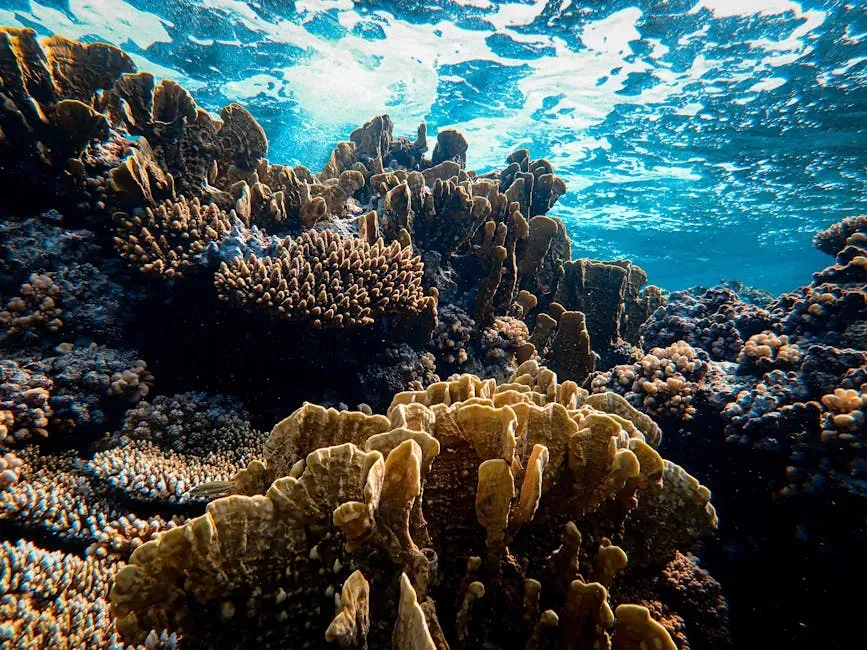
My view is simple: we’ve been romantic about forests and oddly casual about the sea. Trees get the posters and the slogans, while the plankton doing comparable work get almost no credit. That seems backwards.
The half figure may be approximate, but the lesson isn’t. Protecting the ocean from pollution, overfishing, and runaway warming isn’t a distant environmental cause. It’s tied directly to the air in your lungs, and that’s a good reason to give a drifting speck of green its due.

- How Beavers Are Naturally Restoring Wetlands and Preventing Flooding - November 11, 2026
- The Universe Is Not Empty: Amazing Discoveries in Space - November 11, 2026
- Even the Smallest Backyard Critters Play a Vital Role in Our Ecosystems - November 11, 2026