
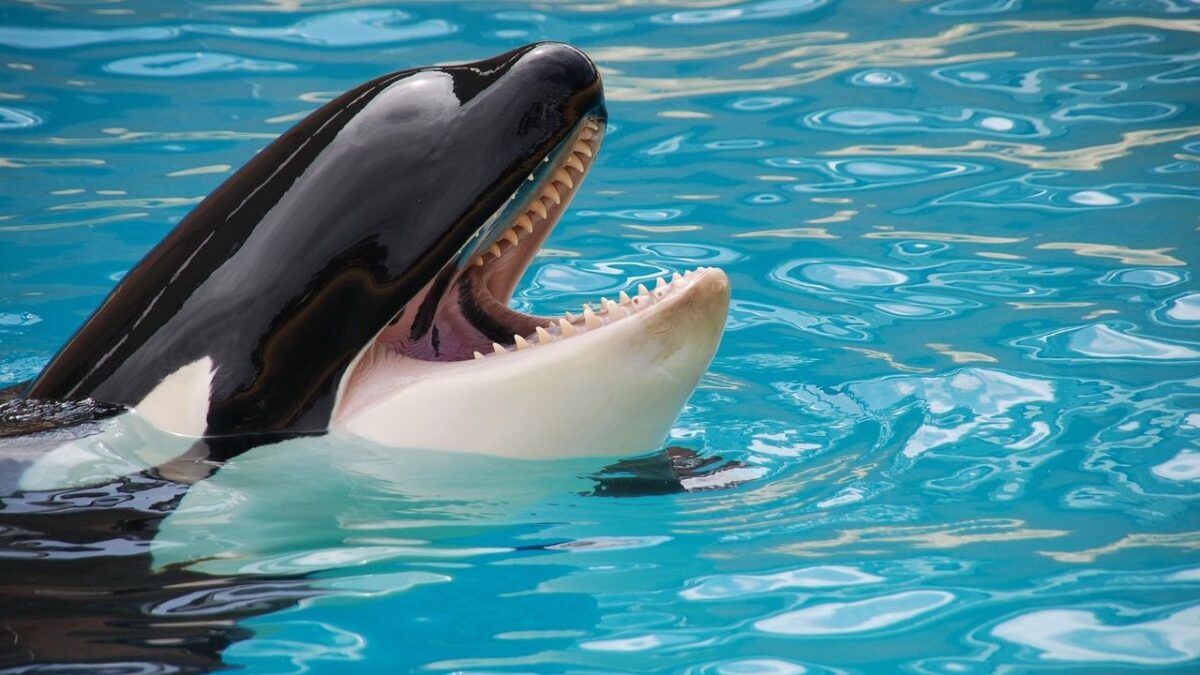
When you think about the ocean’s most formidable predators, images of great white sharks might spring to mind. Yet there’s another creature cruising through the seas with brains, brawn, and a social system so intricate it rivals our own. Orcas, those striking black and white behemoths often called killer whales, live in family groups that would make any anthropologist jealous. Their societies aren’t just about survival. They’re about connection, tradition, and a level of cooperation that makes them stand apart from nearly every other marine creature on the planet.
What makes these animals truly fascinating isn’t just their size or their apex predator status. It’s the way they organize themselves, communicate across miles of open water, and pass down hunting techniques like heirlooms from one generation to the next. Let’s dive into what makes orca pods one of nature’s most remarkable social experiments.
Matriarchs Rule the Waves
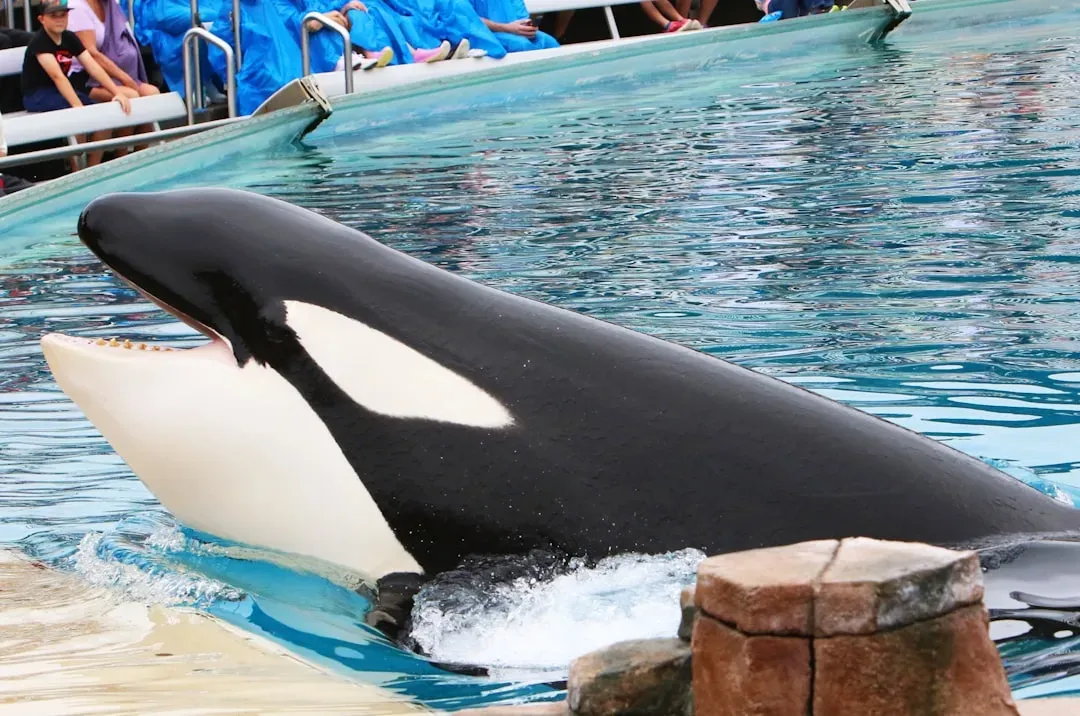
The matriarch’s role is paramount; she holds the collective knowledge of the group, including critical information about food sources and migration paths, passed down through generations. These aren’t just any family groups. Family groups are based on matrilines consisting of the eldest female (matriarch) and her sons and daughters, and the descendants of her daughters, with the average size of a matriline being 5.5 animals, and because females can reach age 90, as many as four generations travel together.
Here’s the thing that sets orcas apart from most mammals: both sons and daughters stay with their mothers for life. Among these whales, both males and females stay with their mothers for their entire lives, an arrangement almost unheard of in the animal kingdom, and these tightly bonded families travel together, forage for salmon together, and are rarely out of contact for more than a couple of hours. Imagine never leaving home, yet thriving because of it.
Female orcas over age 42 are considered ‘post-reproductive,’ but these older females remain crucial to the survival of their families, not just as providers but as leaders, and findings suggest that older females are keepers of knowledge that benefits the population as a whole. Think of them as living libraries of the sea, storing decades of survival wisdom that younger whales desperately need.
Dialects That Define Identity
If you’ve ever noticed how people from different regions sound distinct, you’ll appreciate this: orcas have their own dialects too. Pods are often seen travelling together and tend to have dialects (the calls they make) that are distinctive and these can be readily identifiable acoustically. It’s not just random noise. These calls are cultural markers, ways of saying “we belong together.”
Family-specific calls have been observed more frequently in the days following a calf’s birth, which may help the calf learn them, and dialects are probably an important means of maintaining group identity and cohesiveness. Mothers essentially teach their babies to speak the family language.
They produce three categories of sounds: clicks, whistles, and pulsed calls, with clicks believed to be used primarily for navigation and discriminating prey and other objects in the surrounding environment, but are also commonly heard during social interactions. Different pods have developed different acoustic traditions, and scientists can often identify which family an orca belongs to just by listening. It’s culture in its purest form.
Cooperative Hunting Like No Other
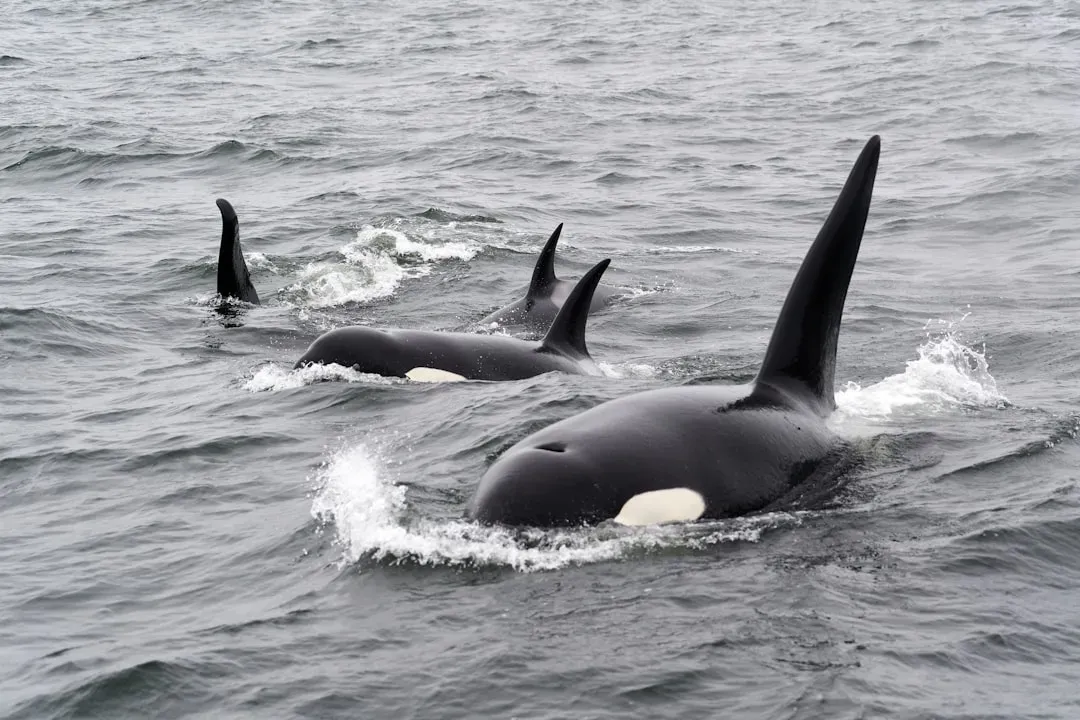
Let’s be real: watching orcas hunt is both mesmerizing and brutal. These animals don’t just chase prey. They strategize. Cooperative hunting is a hallmark of killer whale behavior, enabling them to tackle larger prey or execute complex hunting maneuvers, and by working together, individuals within a pod can coordinate their movements to corral prey or create strategic distractions, increasing the likelihood of a successful hunt.
Pack Ice killer whales are famous for their wave washing technique, and once they have found prey on an ice shelf, which is mostly the Weddell seal, via spy hopping, the matriarch comes up with an exact plan on how to coordinate the attack. The precision required is staggering. They need to create a wave at just the right angle to wash seals off ice floes into the water where they become vulnerable.
In other regions, orcas use completely different methods. Hunts of gray whale calves were often initiated and led by adult female orcas, and the group would chase the mother gray whale and calf until the calf started to tire, then the orcas worked to separate the calf, coming between it and the mother and grabbing on to the calf to drag it away. The level of coordination required for such an operation demands not just intelligence but trust and practiced teamwork.
Cultural Transmission Across Generations
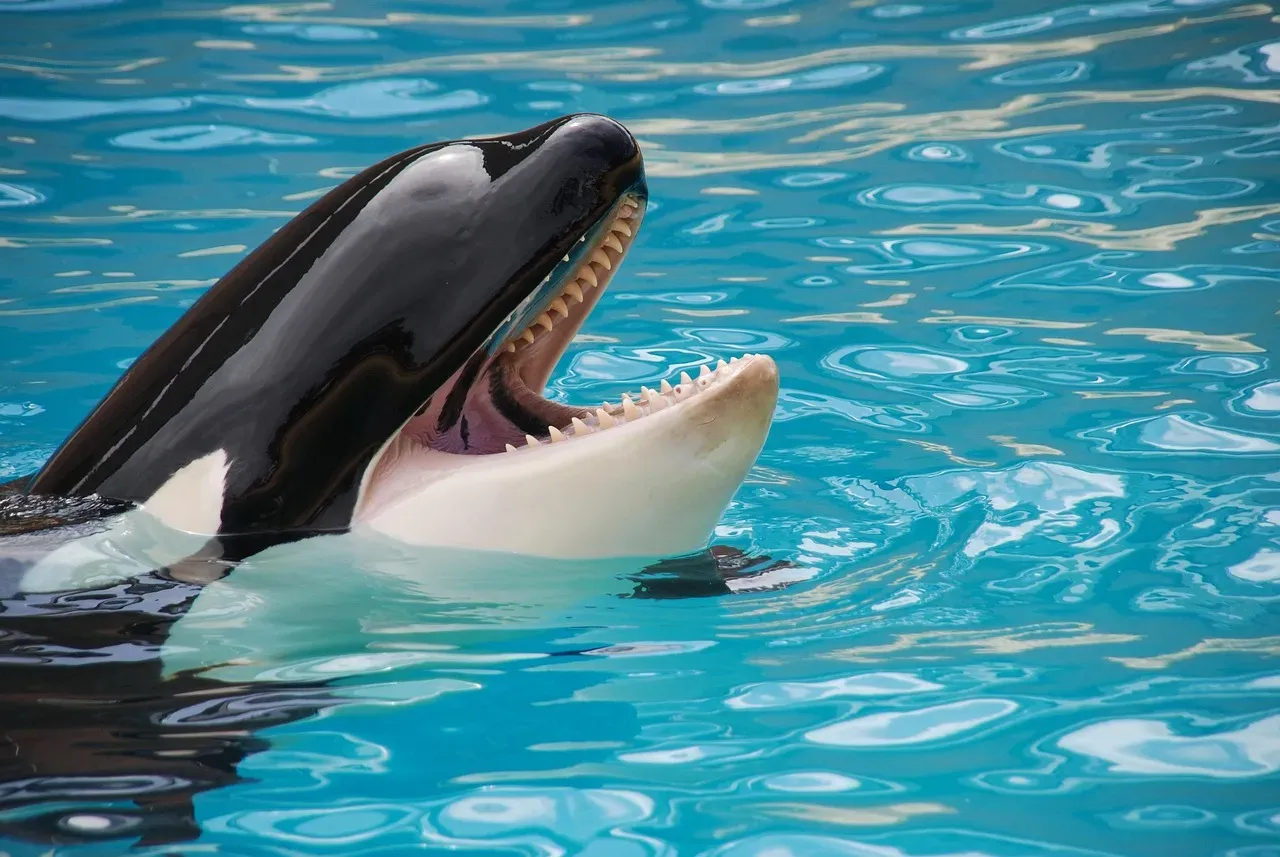
Here’s where it gets truly remarkable. As a result of their intelligence and sociability, killer whale pods have developed novel hunting strategies that are handed down through multiple generations, and the techniques vary from region to region depending on available food items, but they are all a testament to the killer whale’s keen predatory intelligence and ingenuity.
Honestly, I think this is one of the most underappreciated aspects of orca behavior. The strategies used to capture this diverse variety of prey are almost ritualistic in nature, and are passed down from generation to generation. Young calves watch the adults and learn by example, sometimes for years before attempting a technique themselves.
Orca mothers frequently assist the calves in launching the attack as well, thereby teaching by example, and the mother’s investment in assisting her calf through possibly fatal hunting techniques enhances the calf’s survival by reducing the risks associated with predation. It’s hard to imagine the patience and dedication involved in teaching a young whale to beach itself intentionally to catch a seal without getting stranded.
Social Bonds That Save Lives
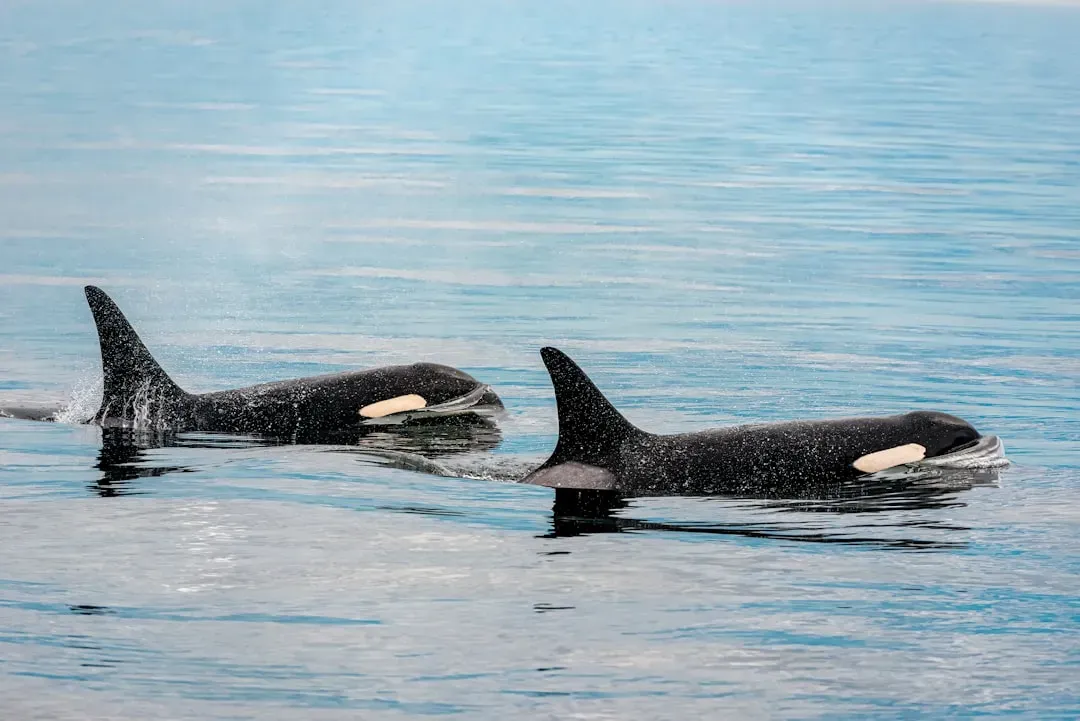
The social network of an orca pod isn’t just about feeling good. It’s literally life or death. Researchers believe this phenomenon is linked to the whales’ habit of sharing food with their social connections, and male killer whales are larger than females and need more salmon to sustain themselves, so they’re especially reliant on shared food, with the most important source of shared food for a male orca being his mother.
Orcas are deeply familial creatures, and resident killer whale offspring stay with their mothers for their entire lives, forming a nearly inseparable family group called a matriline. When a matriarch dies, the impact reverberates through the entire pod structure. Males who lose their mothers face significantly higher mortality rates, especially as they age.
It is a highly intelligent animal that makes its kills with the help of every member of its pod, and all kills are shared between pod members. This level of cooperation creates resilience but also vulnerability. The strength of the pod depends entirely on its members staying connected and working together.
Conclusion
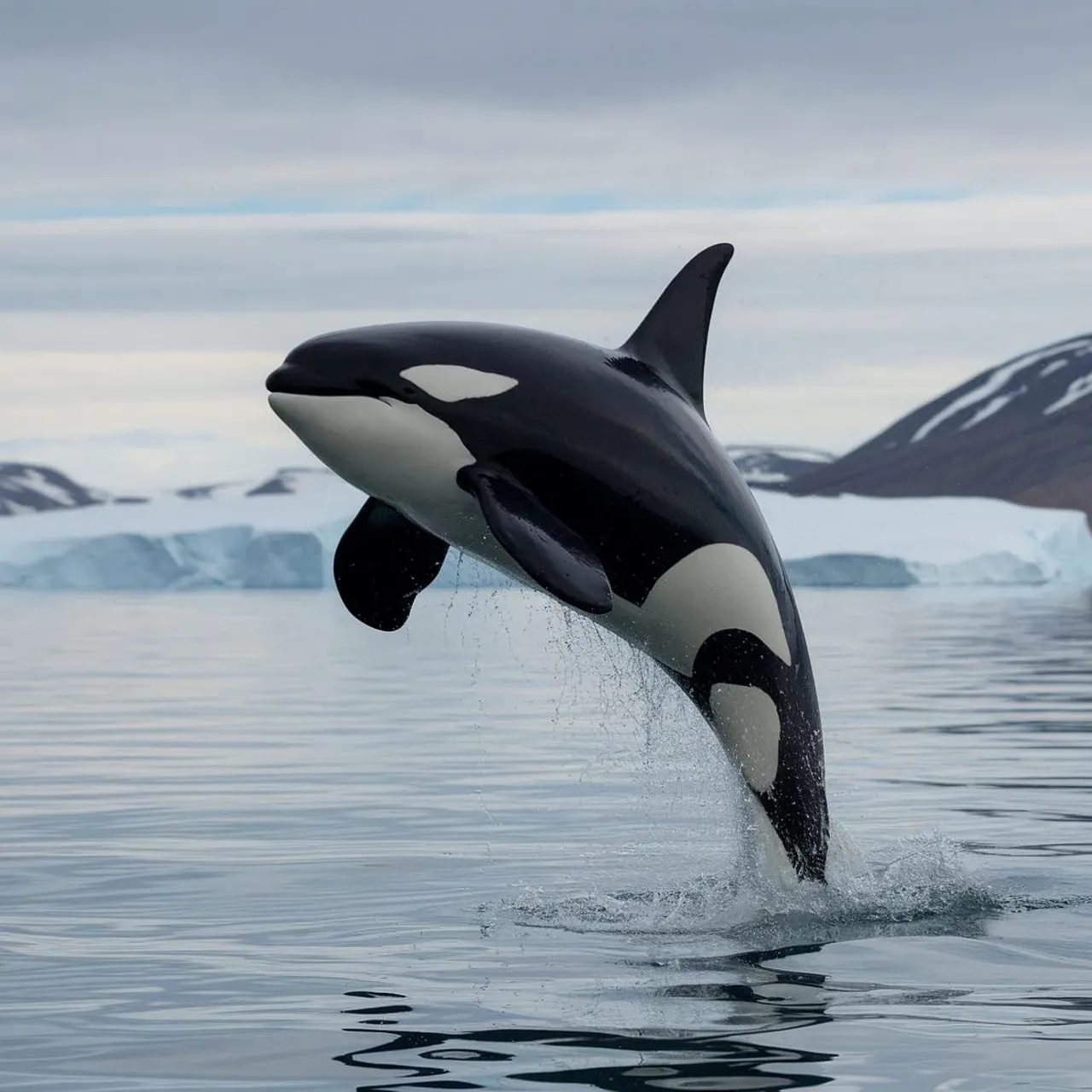
The more we learn about orcas, the more we realize they’re not just intelligent predators. They’re cultured beings with social systems that mirror our own in complexity and importance. Their matriarchal societies, distinct dialects, cooperative hunting strategies, and cultural transmission of knowledge place them in a league of their own among ocean dwellers.
These aren’t just animals following instinct. They’re individuals with relationships, traditions, and knowledge that spans generations. Protecting orca populations means more than preserving numbers. It means safeguarding entire cultures that have evolved over thousands of years in the world’s oceans.
What do you think about the complexity of orca societies? Does it change how you view these incredible animals? Share your thoughts below.
