
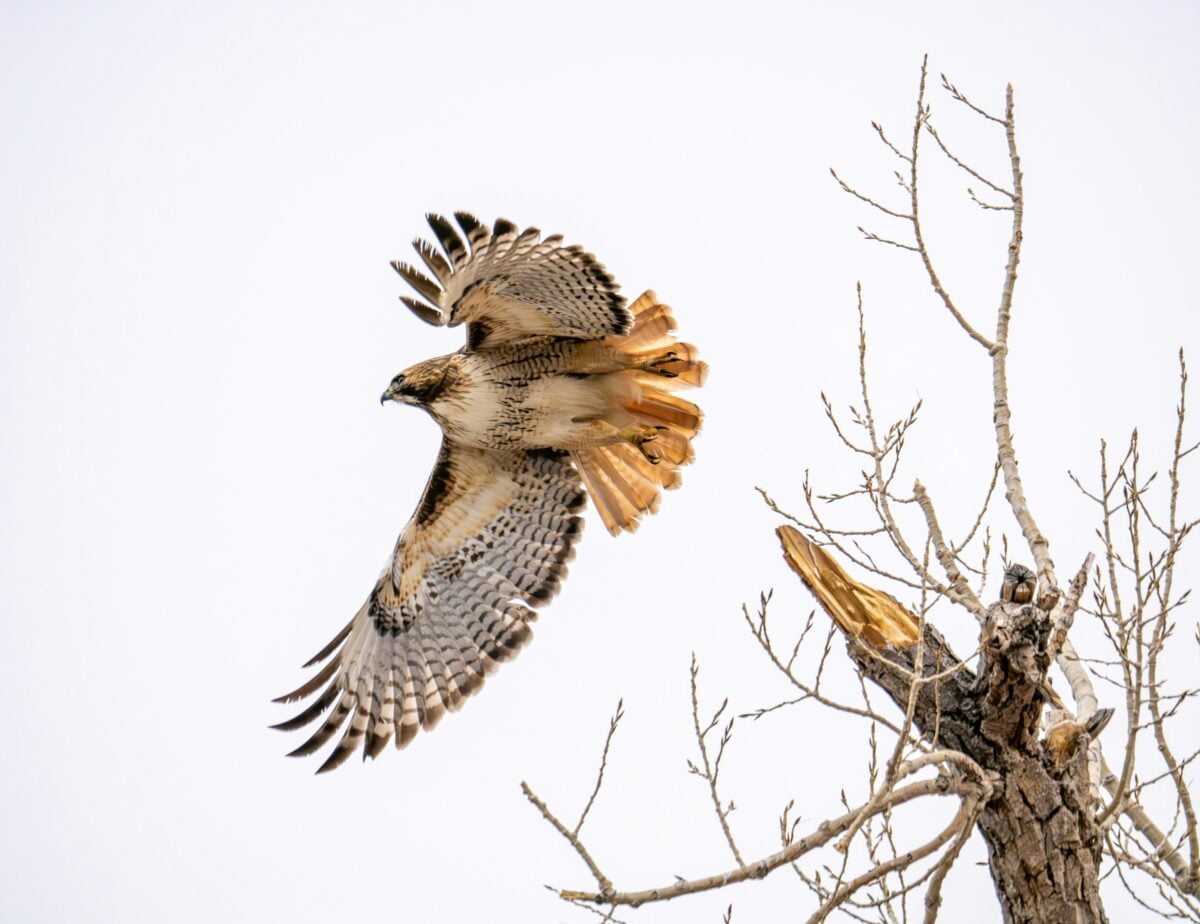
Imagine stepping out your front door each spring to the familiar sight of a red-tailed hawk soaring overhead or perched atop a nearby tree. It’s not just a coincidence; these majestic raptors often choose to return s year after year. But what draws them back so consistently?
Familiarity Breeds Success
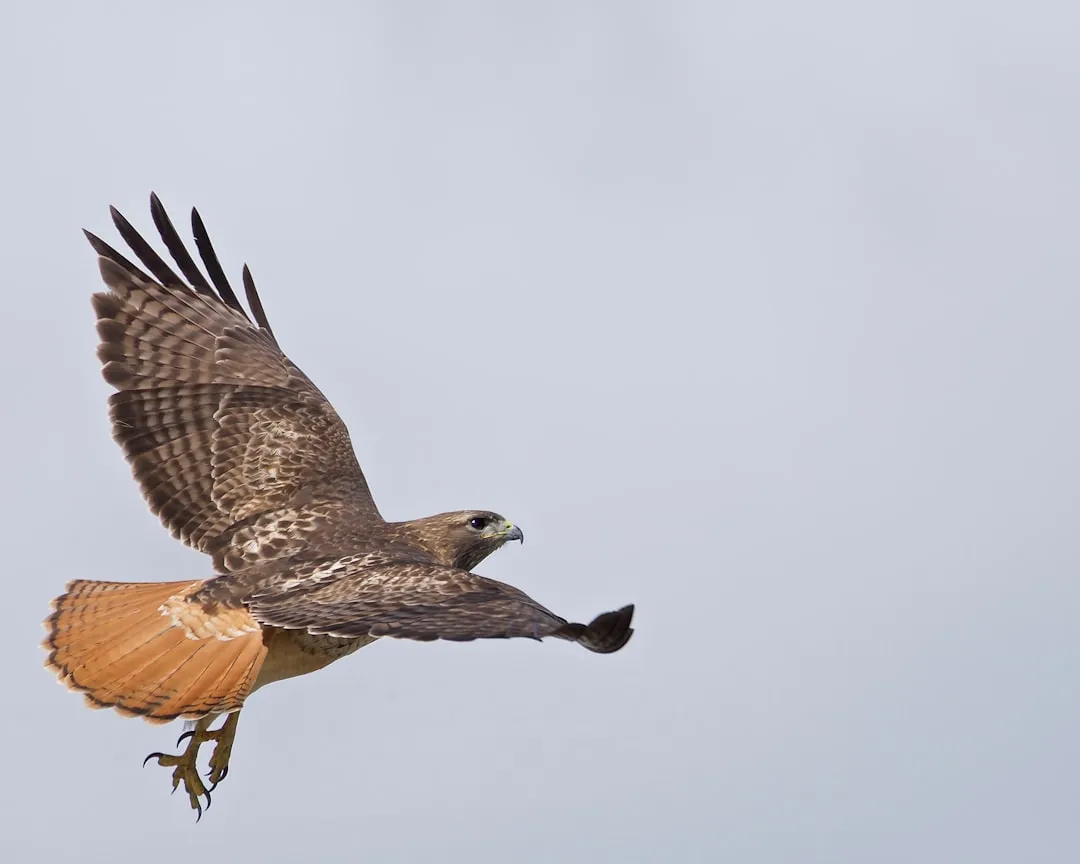
Red-tailed hawks are creatures of habit. Once they establish a territory that meets their needs, they tend to stick with it. This familiarity allows them to navigate the area efficiently, knowing where to find food and safe nesting sites. It’s akin to humans preferring their hometowns, where every street and shortcut is known.
By returning to the same area, these hawks can capitalize on their previous experiences. They remember which trees offer the best vantage points and where prey is most abundant. This knowledge gives them a significant advantage during hunting and nesting seasons.
Abundant Food Sources
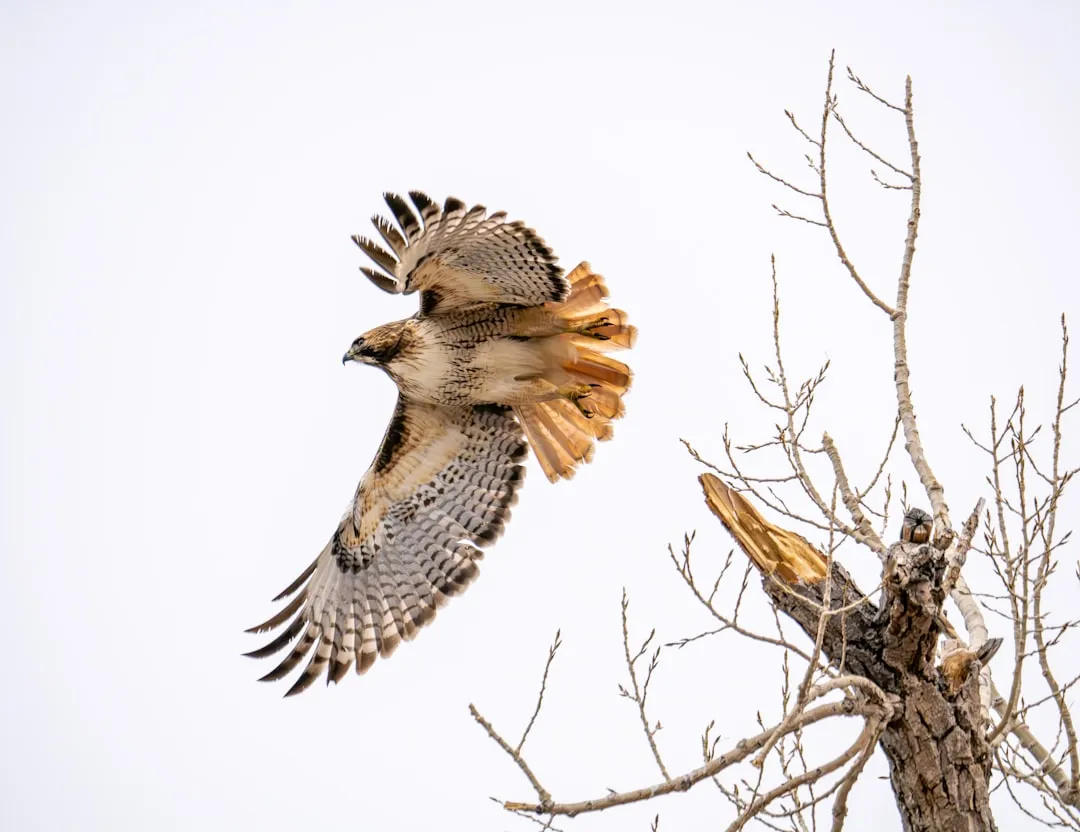
One of the primary reasons red-tailed hawks return to specific neighborhoods is the availability of food. These raptors have a diverse diet, including small mammals, birds, and reptiles. Areas with open fields, parks, or even suburban backyards can provide ample hunting grounds.
Urban and suburban environments often have a steady supply of rodents and other small animals, making them attractive to these hawks. The consistent food supply ensures that the hawks can sustain themselves and their offspring throughout the breeding season.
Optimal Nesting Sites
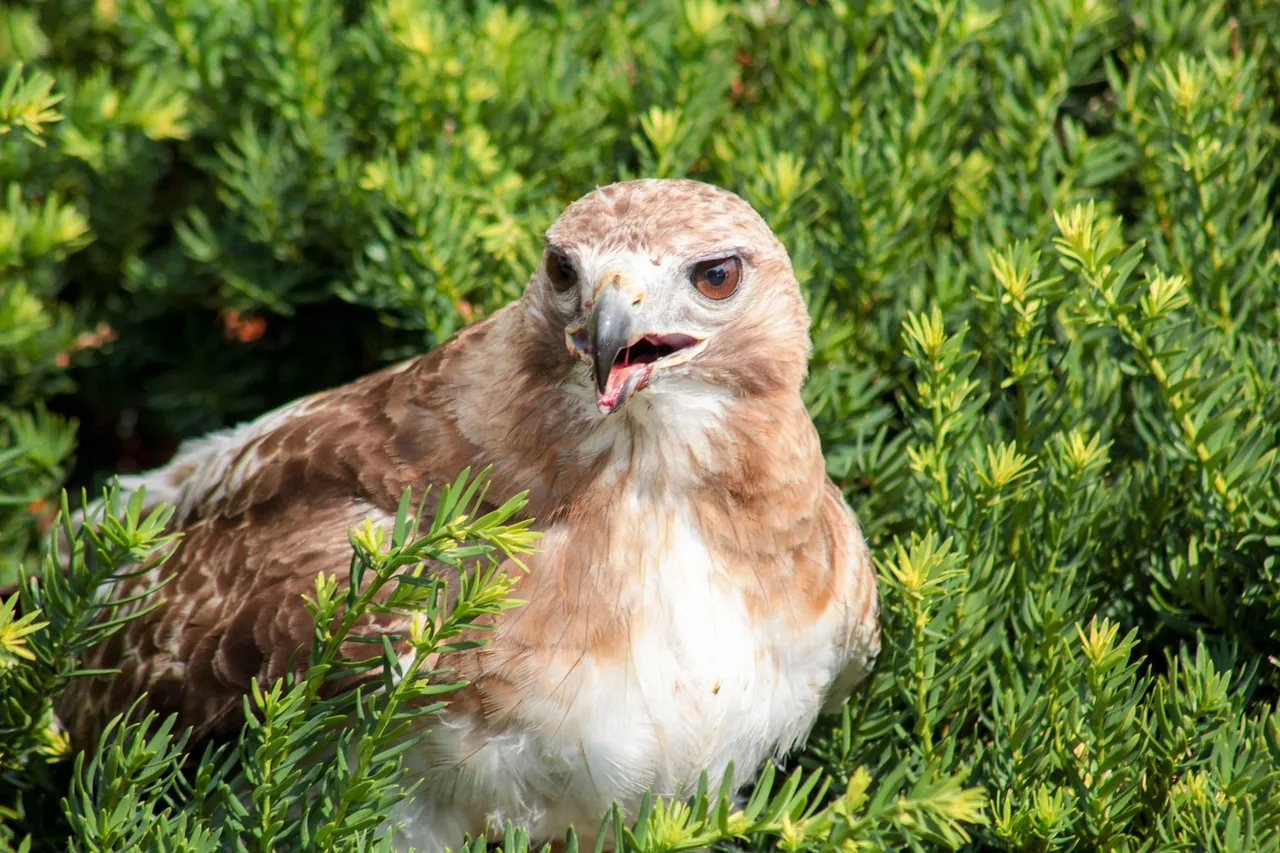
Nesting is a critical aspect of a red-tailed hawk’s life. They prefer tall trees or structures that offer a broad view of the surroundings, ensuring they can spot potential threats and prey. Once a suitable nesting site is found, they often return to it annually, refurbishing the nest as needed.
In urban areas, these hawks have adapted to nesting on man-made structures like communication towers, building ledges, and even fire escapes. The stability and height of these structures provide the security they seek for raising their young.
Minimal Human Disturbance
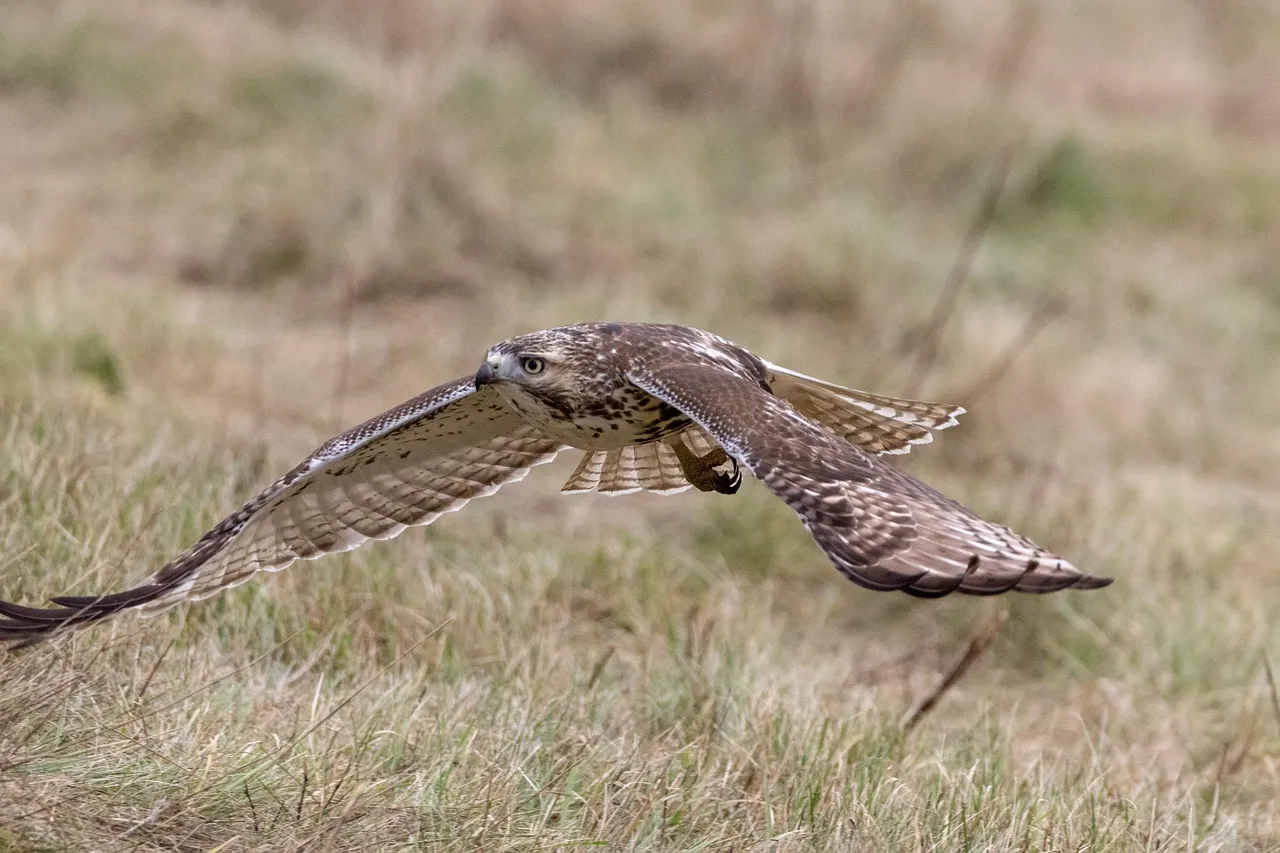
While red-tailed hawks can adapt to human presence, they still prefer areas where disturbances are minimal. Neighborhoods that offer quiet, green spaces with less foot traffic are more appealing. This tranquility allows them to hunt and nest without constant interruptions.
Residents who respect wildlife and avoid interfering with nesting sites contribute to creating a hospitable environment. Such neighborhoods become sanctuaries for these birds, encouraging their return each year.
Territorial Behavior
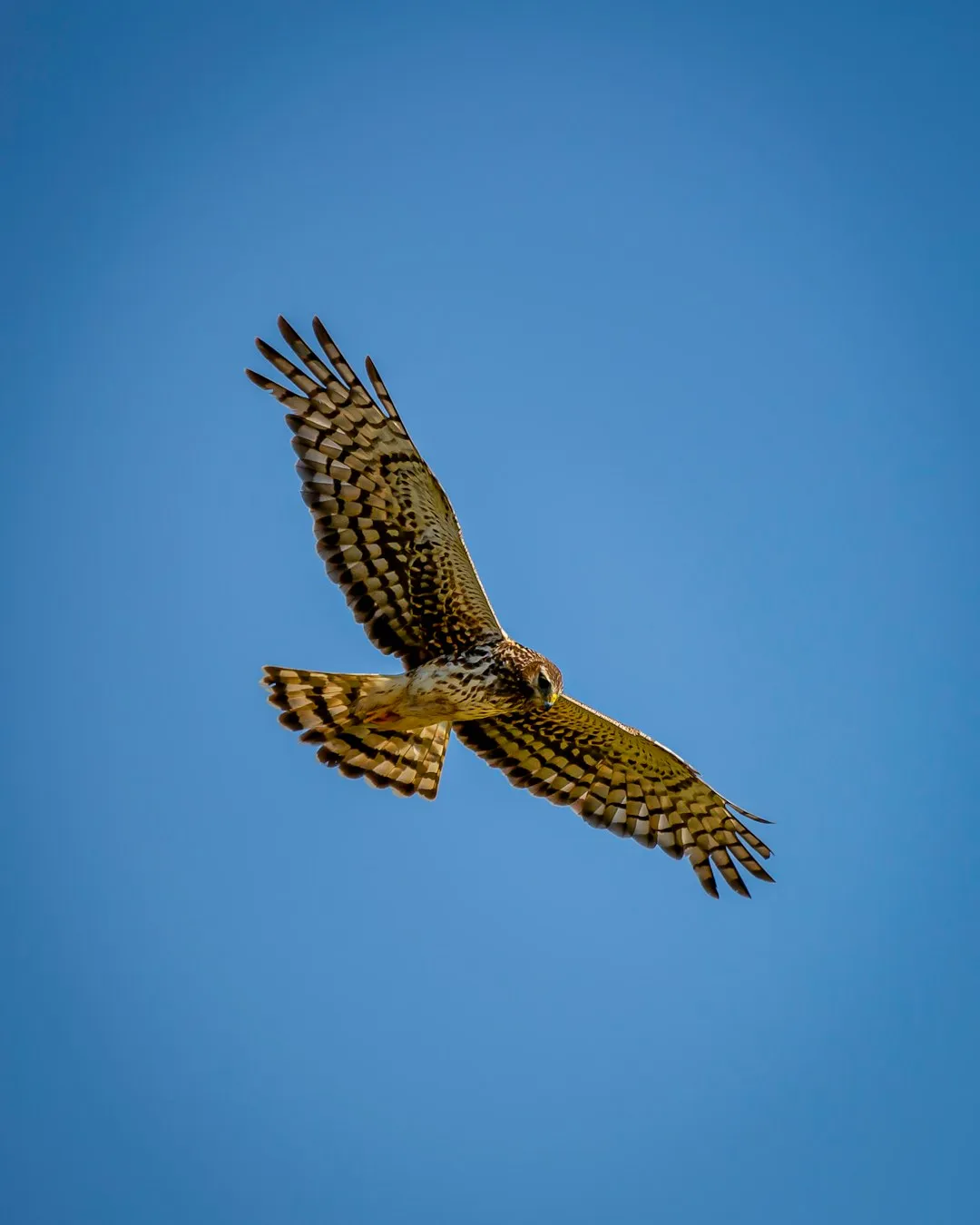
Red-tailed hawks are territorial creatures. Once they claim an area, they defend it vigorously against other hawks and potential threats. This territoriality ensures that they have exclusive access to the resources within that space.
By returning to the same neighborhood, they reinforce their claim, deterring other hawks from encroaching. This behavior ensures a stable environment for raising their young and accessing food sources.
Adaptation to Urban Environments
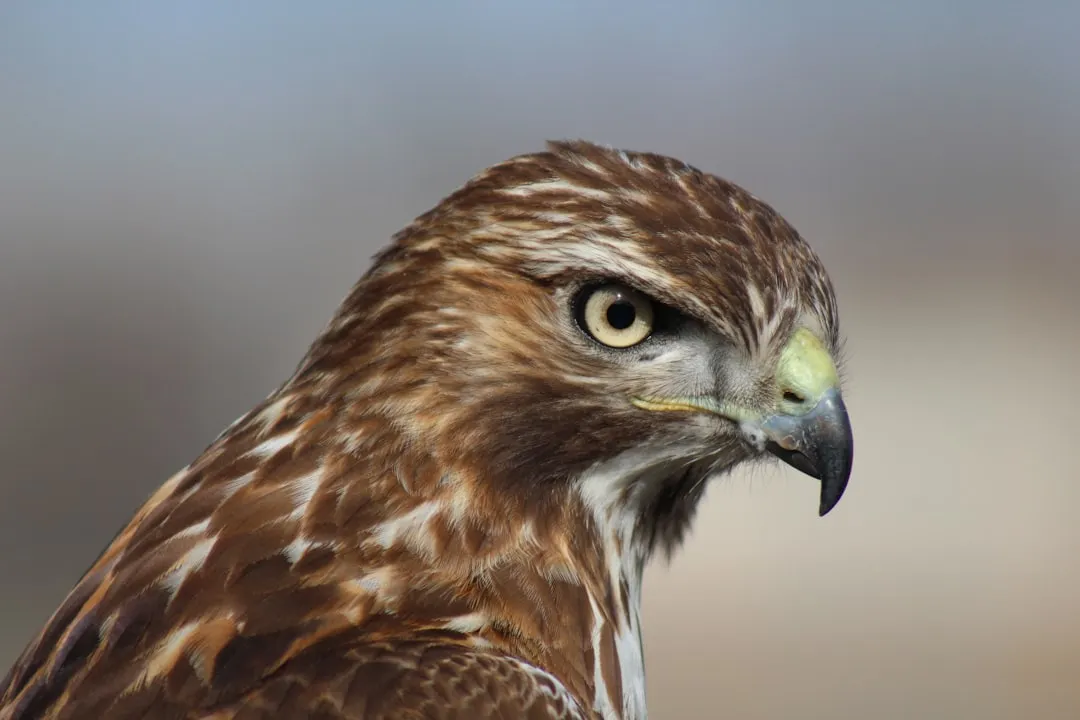
Over the years, red-tailed hawks have shown remarkable adaptability to urban settings. Cities and suburbs, with their mix of open spaces and tall structures, mimic the hawks’ natural habitats. This adaptability has led to an increase in their presence in such areas.
Their ability to thrive in human-altered landscapes demonstrates their resilience and flexibility. As long as the environment meets their basic needs, these hawks will continue to return and even flourish in urban neighborhoods.
Conclusion
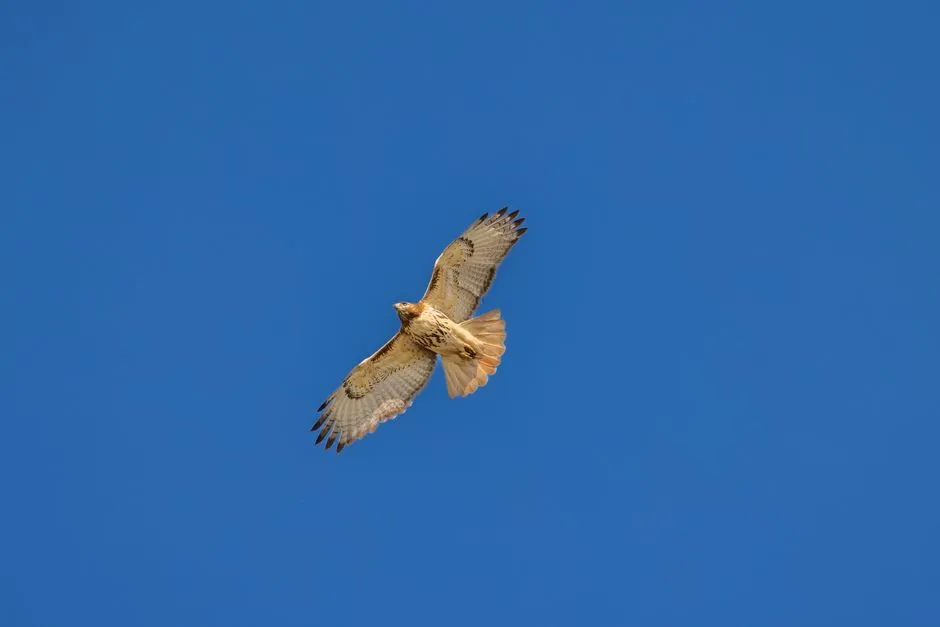
The consistent return of red-tailed hawks to the same neighborhoods is a testament to their adaptability and the suitability of these areas to their needs. From abundant food sources to optimal nesting sites and minimal disturbances, these factors combine to create ideal habitats. As urban areas continue to expand, understanding and preserving the elements that attract these magnificent birds will be crucial. After all, who wouldn’t want the awe-inspiring sight of a red-tailed hawk gracing their neighborhood skies each year?
