
Earth’s history is marked by periods of immense destruction, where vast numbers of species vanished in a short time. These catastrophic events, known as mass extinctions, have reshaped life on our planet multiple times. While mass extinctions might seem like ancient history, they hold crucial lessons for understanding the challenges facing modern ecosystems.
Paleontology—the study of ancient life through fossils—plays a key role in uncovering the causes, effects, and patterns of these extinctions. By studying fossilized remains, rock layers, and ancient climate data, scientists can piece together the story of how life was wiped out and rebounded over millions of years. Here’s how paleontology helps explain mass extinctions and what it reveals about our planet’s past and future.
Understanding the Five Major Mass Extinctions

Earth has experienced five major mass extinctions, each wiping out a significant portion of life. These events, identified through fossil records, help scientists recognize patterns in how species respond to environmental changes.
From the Ordovician-Silurian extinction (which eliminated 85% of marine species) to the Cretaceous-Paleogene event that ended the dinosaurs, paleontologists analyze how these extinctions occurred. By studying fossilized plants, animals, and microscopic organisms, they determine how life adapted—or failed to adapt—after each catastrophe.
Clues from the Fossil Record

Fossils serve as nature’s time capsules, preserving details about extinct species and the environments they lived in. By examining fossilized bones, shells, and even pollen, paleontologists can reconstruct ancient ecosystems and understand how they changed over time.
For example, sudden disappearances of certain fossils from rock layers indicate mass extinction events. Changes in fossil diversity also reveal how some species thrived while others perished, providing insight into survival strategies that worked during past environmental crises.
The Role of Climate Change in Extinctions

Paleontological evidence shows that many mass extinctions were triggered by drastic climate changes. Whether caused by volcanic activity, asteroid impacts, or shifts in ocean currents, these events dramatically altered Earth’s temperature, oxygen levels, and weather patterns.
For instance, the Permian-Triassic extinction—known as “The Great Dying”—was likely caused by massive volcanic eruptions that released greenhouse gases, leading to extreme global warming. Studying past climate shifts helps scientists predict how current human-driven climate change might impact modern biodiversity.
Asteroid Impacts and Sudden Catastrophes
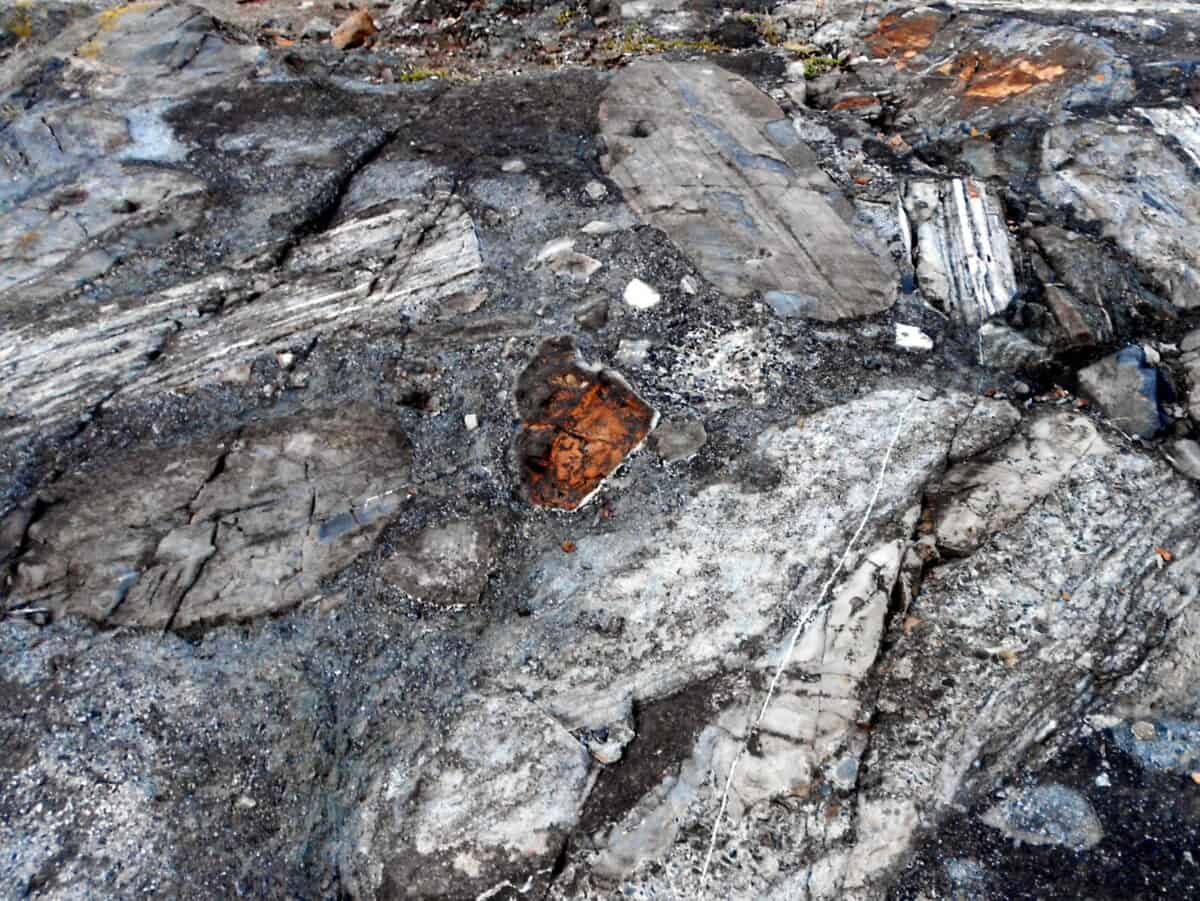
One of the most famous extinction events, the Cretaceous-Paleogene (K-Pg) extinction, was likely triggered by a massive asteroid impact. The Chicxulub crater in Mexico provides strong evidence of this event, which caused wildfires, tsunamis, and a “nuclear winter” effect that blocked sunlight for months.
Fossilized remains of plants and animals from this time show a sharp decline in biodiversity following the impact. By studying impact-related extinction patterns, paleontologists gain insight into how sudden disasters shape the survival and recovery of life on Earth.
Volcanic Activity and Mass Extinctions
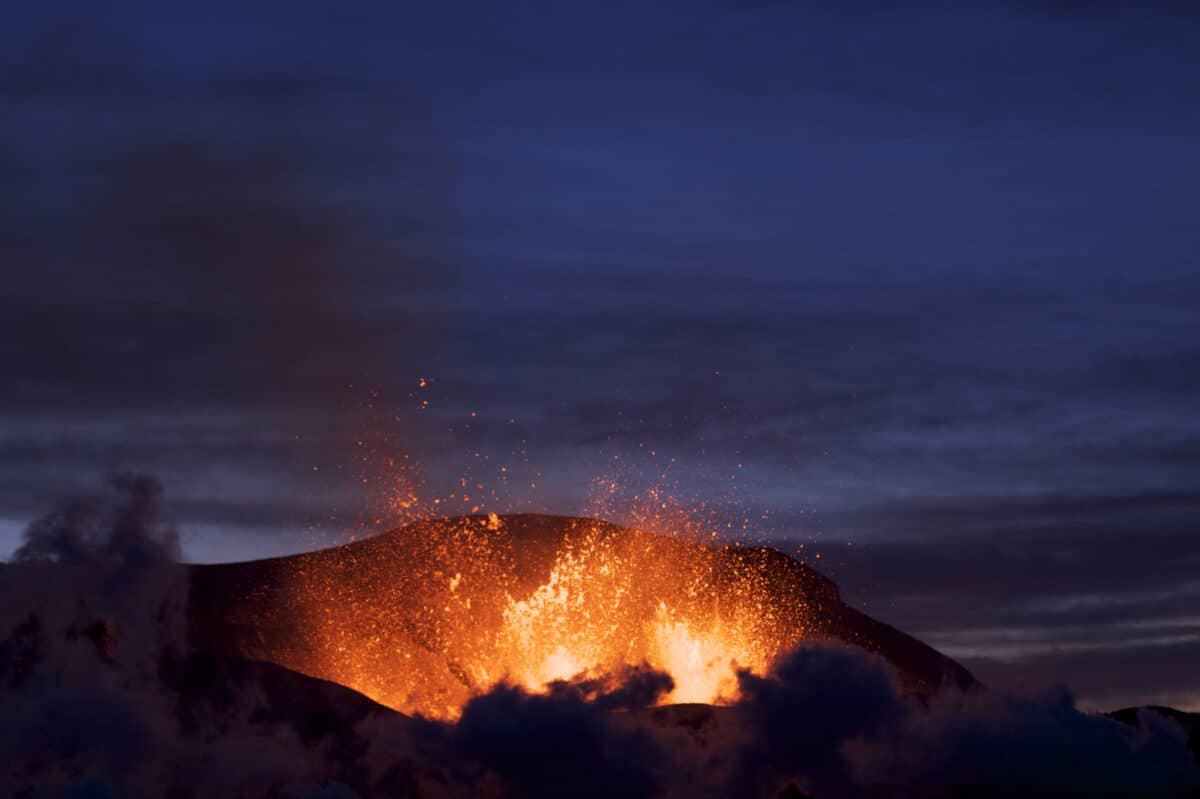
Massive volcanic eruptions have been linked to at least three major extinctions, including the Permian-Triassic and Triassic-Jurassic events. These eruptions released toxic gases, acidified oceans, and triggered long-lasting climate shifts that wiped out countless species.
Fossilized marine life from these periods shows severe oxygen depletion in oceans, while plant fossils reveal disrupted ecosystems on land. Studying these patterns helps scientists understand how large-scale volcanic activity can impact global biodiversity.
Ocean Changes and Marine Life Extinctions
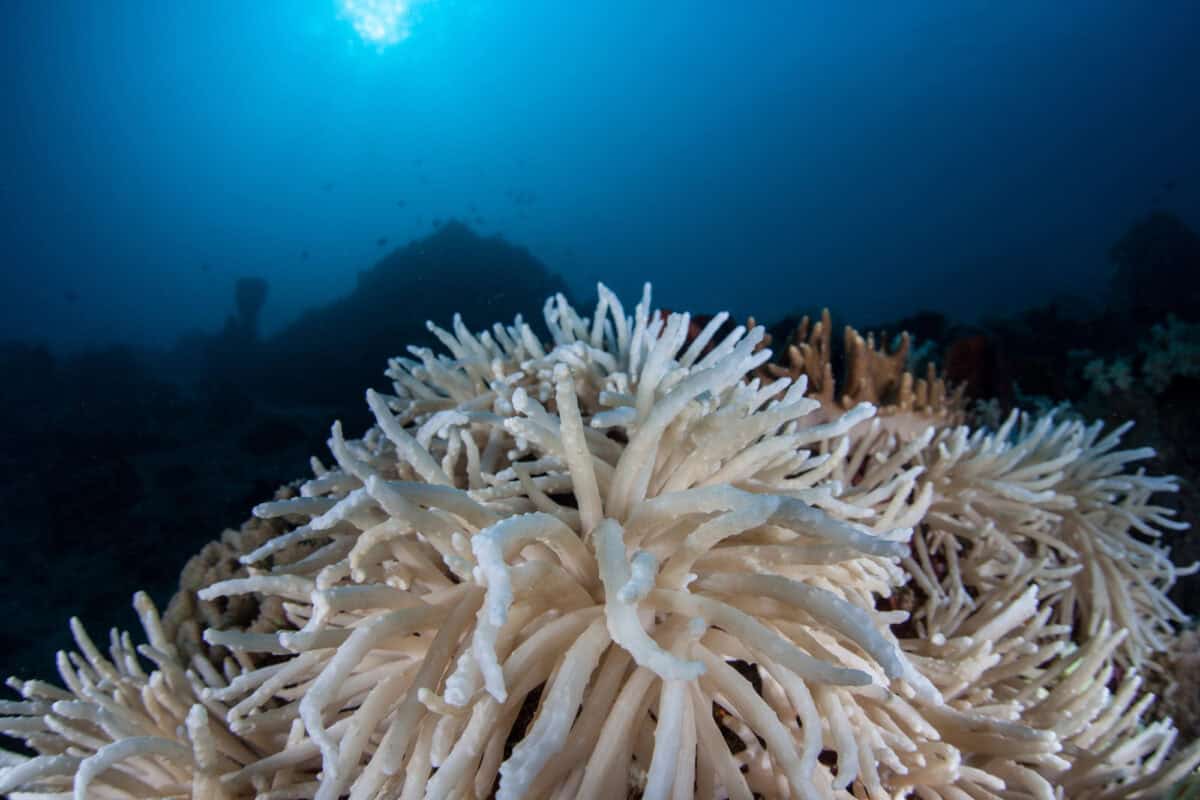
Oceans play a crucial role in Earth’s climate and biodiversity, and paleontology reveals how changes in ocean chemistry have contributed to mass extinctions. When ocean temperatures rise or oxygen levels drop, marine life suffers.
Fossil records show that during the Devonian and Permian extinctions, ocean acidification and stagnation led to the collapse of entire marine ecosystems. These findings are particularly relevant today, as modern oceans face similar threats due to climate change and pollution.
The Slow but Deadly Effect of Habitat Loss

While some extinctions were caused by sudden disasters, others occurred more gradually due to habitat destruction. Fossil evidence from the Triassic-Jurassic extinction shows that changing sea levels and shifting continents slowly squeezed out many species over millions of years.
This is similar to what is happening today with deforestation, urban expansion, and habitat fragmentation. By studying past extinctions, scientists can identify warning signs that ecosystems are under threat long before a crisis occurs.
How Some Species Survived Mass Extinctions

Not all species went extinct during mass extinction events. Some managed to survive and repopulate the planet. Studying these “survivors” helps paleontologists understand which traits make species more resilient in the face of catastrophe.
For example, small, adaptable species like early mammals and certain reptiles thrived after the dinosaur extinction. Their ability to find shelter, consume diverse diets, and reproduce quickly gave them an advantage. These findings provide clues about which species today might be best suited to survive modern environmental challenges.
Modern Mass Extinction and Human Impact

Many scientists believe we are currently living through a sixth mass extinction, driven by human activities such as deforestation, pollution, and climate change. Unlike past extinctions caused by natural disasters, this one is unfolding rapidly due to human influence.
Paleontology helps scientists compare modern extinction rates with those of the past, showing alarming similarities. By understanding how past species went extinct, researchers can develop strategies to protect today’s biodiversity before it’s too late.
What We Can Learn from Past Extinctions
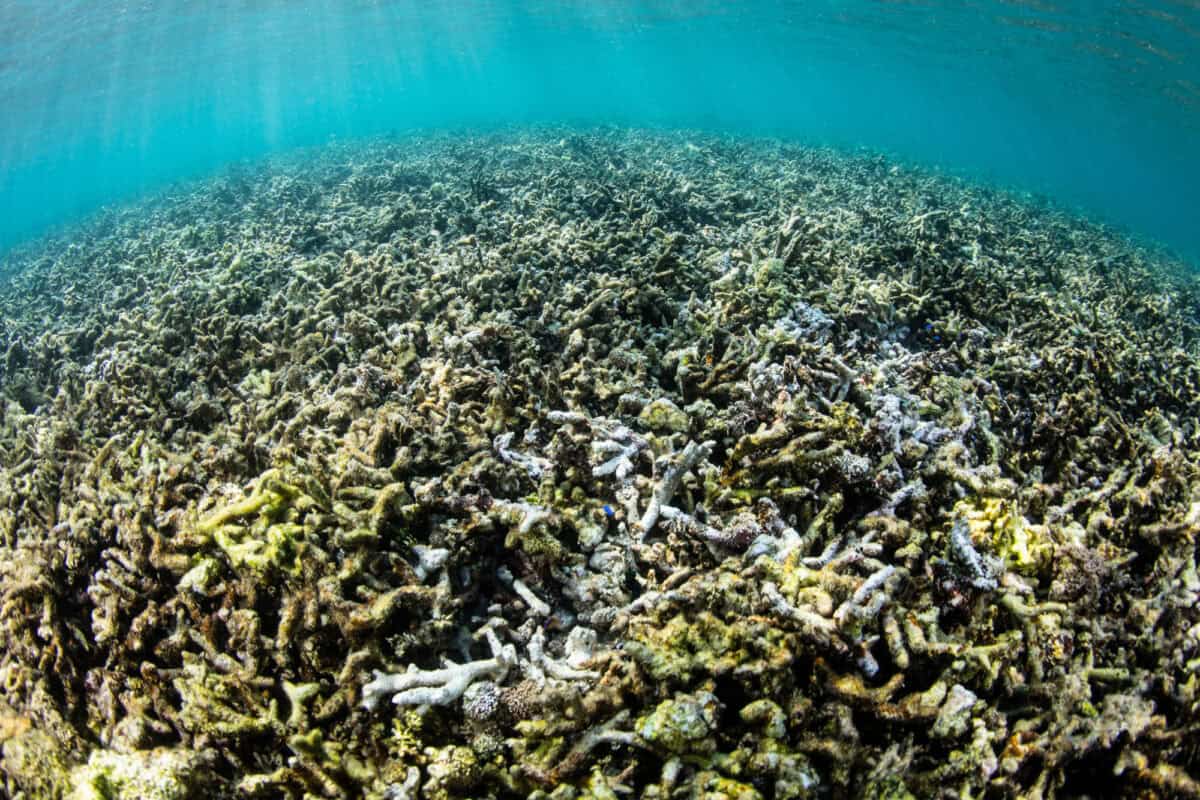
Paleontology doesn’t just explain why species disappeared—it also helps predict how life might recover after mass extinctions. Studying fossilized ecosystems provides insight into how nature rebuilds itself after catastrophic events.
This knowledge can be applied to modern conservation efforts. By protecting habitats, reducing pollution, and addressing climate change, we can help ensure that today’s species don’t suffer the same fate as those lost in past extinctions.
Conclusion

Paleontology offers a window into Earth’s most devastating extinction events, revealing the causes, patterns, and consequences of mass species loss. From asteroid impacts to volcanic eruptions and climate shifts, the fossil record helps us understand how life on Earth has been repeatedly reshaped by environmental disasters.
By studying these ancient extinctions, scientists can better predict and prevent future biodiversity crises. The lessons of the past serve as a warning and a guide—reminding us that while life is resilient, it is also fragile. What we do today will determine whether we can prevent the next great extinction or become part of its history.

- Scientists Discover a Fish That Lives 300 Years - July 22, 2026
- This Tiny Insect Can Survive in Outer Space—Here’s How - July 21, 2026
- Could the Tasmanian Tiger Be Brought Back to Life? - July 21, 2026