

The remarkable cognitive abilities of parrots have fascinated scientists and pet owners alike for decades. Among their impressive repertoire of skills, perhaps one of the most intriguing is their capacity to understand numerical concepts. Recent research has revealed that parrots can indeed learn to count, demonstrating mathematical abilities previously thought to be exclusive to primates and a select few other mammals. This article delves into the fascinating world of avian intelligence, specifically focusing on how parrots comprehend and utilize numbers in both wild and captive environments.
The Cognitive Abilities of Parrots

Parrots belong to the order Psittaciformes, which includes over 350 species ranging from the tiny pygmy parrots to the majestic macaws. What sets these birds apart from many other avian species is their remarkable brain structure and cognitive abilities. Despite having brains that are relatively small compared to mammals, parrots possess a highly developed forebrain region called the nidopallium caudolaterale, which is functionally similar to the mammalian prefrontal cortex – the area responsible for complex problem-solving and reasoning. This neural architecture provides parrots with cognitive capabilities that rival those of great apes, despite the evolutionary distance between these species having diverged over 300 million years ago. Their intelligence manifests in various ways, including tool use, language acquisition, self-recognition, and, importantly for our discussion, numerical cognition.
Understanding Numerical Cognition

Numerical cognition refers to the ability to perceive, represent, and manipulate quantities. In its most basic form, this involves distinguishing between “more” and “less.” At more advanced levels, it includes counting, understanding ordinal relationships (first, second, third), and even performing simple arithmetic operations. Humans develop these skills gradually through childhood, but we now know that many animals possess some degree of numerical ability. Parrots stand out in this regard, showing an impressive capacity to work with numbers that exceeds what we observe in most non-human animals. Their numerical cognition appears to involve both innate abilities that help them navigate their natural environment and learned skills that they can develop through training and experience.
Pioneering Research with Alex the African Grey

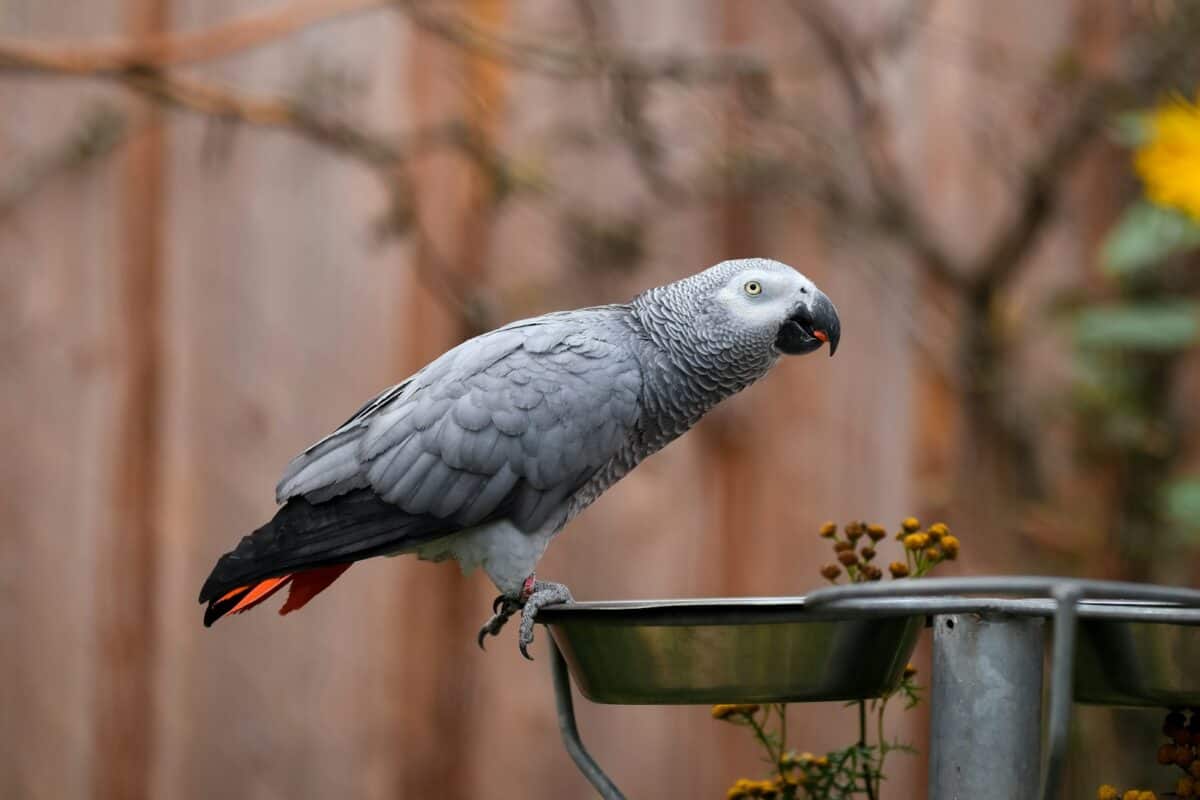
No discussion about parrot intelligence would be complete without mentioning Alex, the African Grey parrot studied by Dr. Irene Pepperberg for over 30 years until his death in 2007. Alex became famous for his vocabulary of over 100 words, but his numerical abilities were equally impressive. He could identify quantities up to six, understanding the concept of “none” or zero, and could answer questions about numbers of objects. For example, when presented with a tray of different objects, he could correctly answer questions like “How many blue blocks?” or “How many yellow keys?” This required him not only to count but also to categorize objects by both color and type simultaneously. Alex could also identify which number was bigger or smaller when comparing quantities, demonstrating an understanding of relative values. His achievements revolutionized our understanding of avian cognition and suggested that numerical ability in parrots is not merely mimicry but represents genuine comprehension.
Spontaneous Numerical Assessment in Wild Parrots

While laboratory studies provide controlled environments to test numerical abilities, observations of wild parrots suggest that these birds use numerical assessment in their natural habitats. Keas, the mountain parrots of New Zealand, have been observed making decisions based on quantity assessments. For instance, research has shown that they can differentiate between food caches of different sizes and will preferentially target larger quantities. Similarly, studies of wild Amazon parrots suggest they can quickly assess the number of individuals in neighboring flocks, which helps them make decisions about territory and resource competition. These spontaneous numerical abilities likely evolved as adaptive traits that help parrots optimize foraging efficiency, avoid predation, and navigate social dynamics. The fact that these skills appear without human training underscores that numerical cognition is a natural part of parrot intelligence rather than merely an artifact of captive learning.
The Neuroscience Behind Parrot Mathematics

Recent advances in comparative neuroscience have begun to unravel the neural mechanisms underlying parrots’ numerical abilities. Despite having brain structures that differ significantly from mammals, parrots have evolved neural circuits that perform similar functions. Research using non-invasive brain imaging techniques has revealed that when parrots process numerical information, they activate specific regions within their nidopallium caudolaterale. These regions show increased activity when the birds are engaged in counting tasks, similar to how the intraparietal sulcus activates in human brains during mathematical processing. Additionally, parrots possess a high density of neurons in their forebrains relative to their brain size, which may contribute to their cognitive flexibility and problem-solving abilities. The convergent evolution of numerical cognition across such distantly related species as humans and parrots highlights how fundamental these mathematical abilities are for navigating complex environments, regardless of an animal’s evolutionary history.
Training Methods for Teaching Parrots to Count
Teaching parrots to count typically involves positive reinforcement training techniques. The process usually begins with simple discrimination tasks where birds are rewarded for correctly identifying quantities. For example, a parrot might be presented with cards showing different numbers of dots and rewarded when they select the card that matches the trainer’s request. As the bird masters basic quantity recognition, training can progress to more complex tasks involving counting objects, responding to numerical questions, or even performing simple addition. Consistency is crucial in this training, as is patience – learning to count can take months or even years depending on the individual bird and the complexity of the task. Importantly, successful training methods tap into parrots’ natural curiosity and social intelligence. Many parrots seem motivated not just by food rewards but by the social interaction and mental stimulation that training sessions provide. This suggests that their numerical learning is supported by multiple cognitive and social systems working together.
Species Differences in Counting Abilities

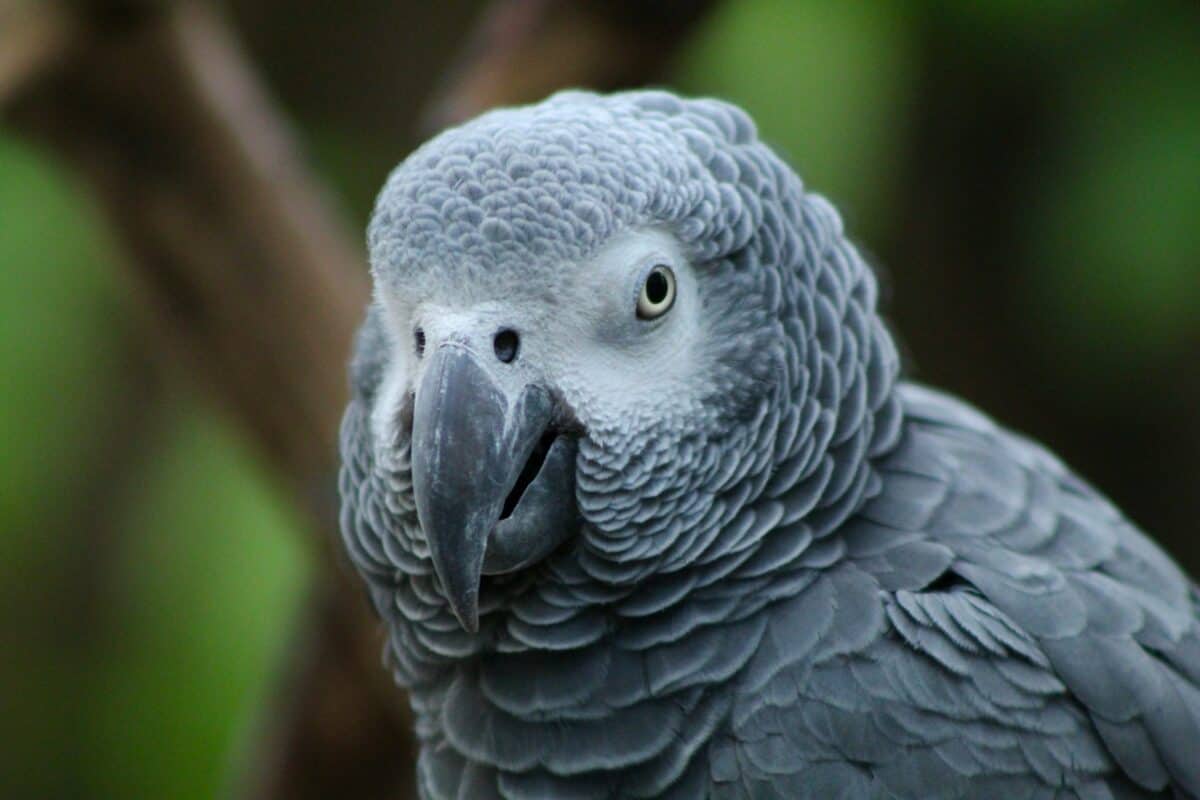
Not all parrot species show equal aptitude for numerical tasks. African Grey parrots (Psittacus erithacus) have demonstrated particularly impressive mathematical abilities, perhaps due to their exceptional general intelligence and problem-solving skills. Keas (Nestor notabilis) also excel in numerical cognition tests, reflecting their reputation as highly innovative and adaptable birds. Macaws and Amazon parrots have similarly shown strong performances in counting tasks. Interestingly, even smaller parrots like budgerigars (Melopsittacus undulatus) demonstrate basic numerical competence, though perhaps not with the same sophistication as their larger cousins. These species differences may relate to variations in brain structure, natural history, or social complexity. Birds that naturally live in complex social groups or face challenging foraging conditions may have evolved enhanced numerical abilities to help them track resources and social relationships. Research continues to explore these differences, helping us understand how intelligence evolves across different ecological niches within the parrot family.
Subitizing vs. True Counting
When evaluating parrots’ numerical abilities, researchers distinguish between two different cognitive processes: subitizing and true counting. Subitizing refers to the immediate visual recognition of small quantities (typically 1-4 items) without actually counting them one by one. Humans and many animals can glance at a small group of objects and instantly know “there are three” without consciously counting. True counting, by contrast, involves sequentially enumerating items and understanding that the final number represents the total quantity. The evidence suggests that parrots can do both. They can rapidly recognize small quantities through subitizing, but they can also engage in true counting for larger numbers. This is demonstrated by experiments where parrots successfully identify specific quantities within heterogeneous collections of items, showing they’re not simply pattern-matching but actually enumerating objects. This ability to transition between subitizing and counting, adjusting their cognitive approach based on the quantity involved, reveals a flexibility in numerical processing that parallels human approaches to quantity assessment.
Beyond Simple Counting: Arithmetic in Parrots
Perhaps most remarkably, some studies suggest that parrots can go beyond mere counting to perform simple arithmetic operations. Alex the African Grey demonstrated the ability to add small numbers. When presented with groups of objects that were then hidden, he could correctly identify the total number, suggesting he was mentally adding the quantities. Similarly, studies with other parrots have shown they can track additions and subtractions of objects from a collection, expressing surprise (through increased attention) when the resulting quantity doesn’t match what would be expected from the arithmetic operation. Some captive parrots have even been trained to respond to verbal arithmetic problems, selecting the correct numerical answer from a set of options. While these abilities are still rudimentary compared to human mathematics, they represent a sophisticated level of numerical manipulation that was once thought to be uniquely human. These findings suggest that the foundations of arithmetic reasoning may be more widespread in the animal kingdom than previously believed, raising fascinating questions about the evolution of mathematical thinking.
Practical Applications of Counting in Captive Parrots
Teaching parrots to count isn’t merely an academic exercise—it has practical benefits for captive birds. Numerical training provides vital mental stimulation for these highly intelligent animals, helping prevent boredom and associated behavioral problems like feather plucking or screaming. Counting games can be integrated into daily enrichment routines, giving parrots the cognitive challenges they naturally crave. Some parrot owners report that birds who receive regular mental stimulation through activities like counting show improved overall behavior and appear more satisfied in their captive environments. Additionally, the training process itself strengthens the bond between birds and their human caregivers, as it requires patience, communication, and mutual trust. For research facilities and educational programs, parrots that can demonstrate counting abilities serve as powerful ambassadors for avian intelligence, helping to raise public awareness about the cognitive capabilities of birds and the importance of providing appropriate mental stimulation for these complex animals.
Comparing Parrot Counting to Other Animals

Parrots’ numerical abilities become even more impressive when compared to other animals. Primates, our closest relatives, show strong numerical cognition, with chimpanzees capable of learning numbers and performing simple addition. Dolphins and elephants have also demonstrated counting abilities, suggesting that advanced numerical cognition may be linked to social complexity and long lifespans. However, parrots outperform many mammals with much larger brains. They typically show stronger numerical abilities than dogs, cats, and most rodents, despite having much smaller brain volumes. This suggests that absolute brain size is less important than neural organization and connectivity. Among birds, corvids (crows, ravens, and jays) rival parrots in numerical abilities, reflecting the remarkable cognitive convergence between these distantly related bird families. What makes parrots particularly special is their ability to verbalize their numerical understanding, allowing for more direct communication about numbers than is possible with most other animals. This combination of strong numerical cognition with vocal learning abilities places parrots in a unique position for studying the relationship between language and mathematical thinking.
Implications for Understanding Animal Cognition

The discovery that parrots can learn to count has profound implications for our understanding of animal cognition more broadly. First, it challenges anthropocentric views that once considered advanced numerical abilities to be uniquely human. Second, it demonstrates that complex cognition can evolve in brains with structures very different from our own, highlighting the principle of convergent evolution—where similar traits evolve independently in distantly related species facing similar selective pressures. The fact that birds, whose last common ancestor with mammals lived over 300 million years ago, developed comparable numerical abilities suggests that certain cognitive skills may be fundamental to navigating complex environments, regardless of evolutionary lineage. Additionally, studying numerical cognition in parrots helps scientists better understand the relationship between language and mathematics. Since some parrots can both count and use symbolic communication (through human language or specially designed symbol systems), they provide a unique window into how these cognitive domains might interact in the absence of human cultural influences. This research ultimately contributes to a more nuanced view of animal intelligence that recognizes cognitive complexity across diverse species.
Conclusion
The ability of parrots to learn counting and understand numerical concepts represents one of the most fascinating examples of advanced cognition in the animal kingdom. From Alex the African Grey’s pioneering demonstrations to modern research across multiple parrot species, the evidence clearly shows that these birds possess a natural affinity for processing numerical information. Their achievements challenge us to reconsider traditional boundaries between human and animal cognition, suggesting that mathematical thinking has deep evolutionary roots that stretch far beyond our own species. As we continue to explore the numerical abilities of parrots, we not only gain insight into avian intelligence but also develop a greater appreciation for the complex mental lives of the animals with whom we share our planet. For those fortunate enough to live with parrots, recognizing and nurturing these cognitive abilities becomes an important part of providing appropriate care for these extraordinarily intelligent companions.

- How Squirrel Monkeys Use Teamwork to Avoid Predators - June 22, 2026
- Why Sandbar Sharks Thrive Along the U.S. Atlantic Coast - June 22, 2026
- What Kind of Lemur Is King Julien from Madagascar? - June 22, 2026