


In the vast kingdom of animals, certain species stand out for their remarkable cognitive abilities, particularly their capacity to understand and respond to human commands. Parrots, dolphins, and dogs represent the pinnacle of animal intelligence when it comes to comprehending human communication. These extraordinary creatures have evolved different neural pathways and cognitive structures that enable them to process, interpret, and respond to our verbal and non-verbal cues. Their abilities challenge our understanding of animal cognition and blur the lines between human and animal intelligence. This article explores the fascinating world of these intelligent species, delving into the science behind their command comprehension, the evolutionary advantages of such abilities, and the profound implications for our relationship with the animal kingdom.
The Science of Animal Communication and Cognition
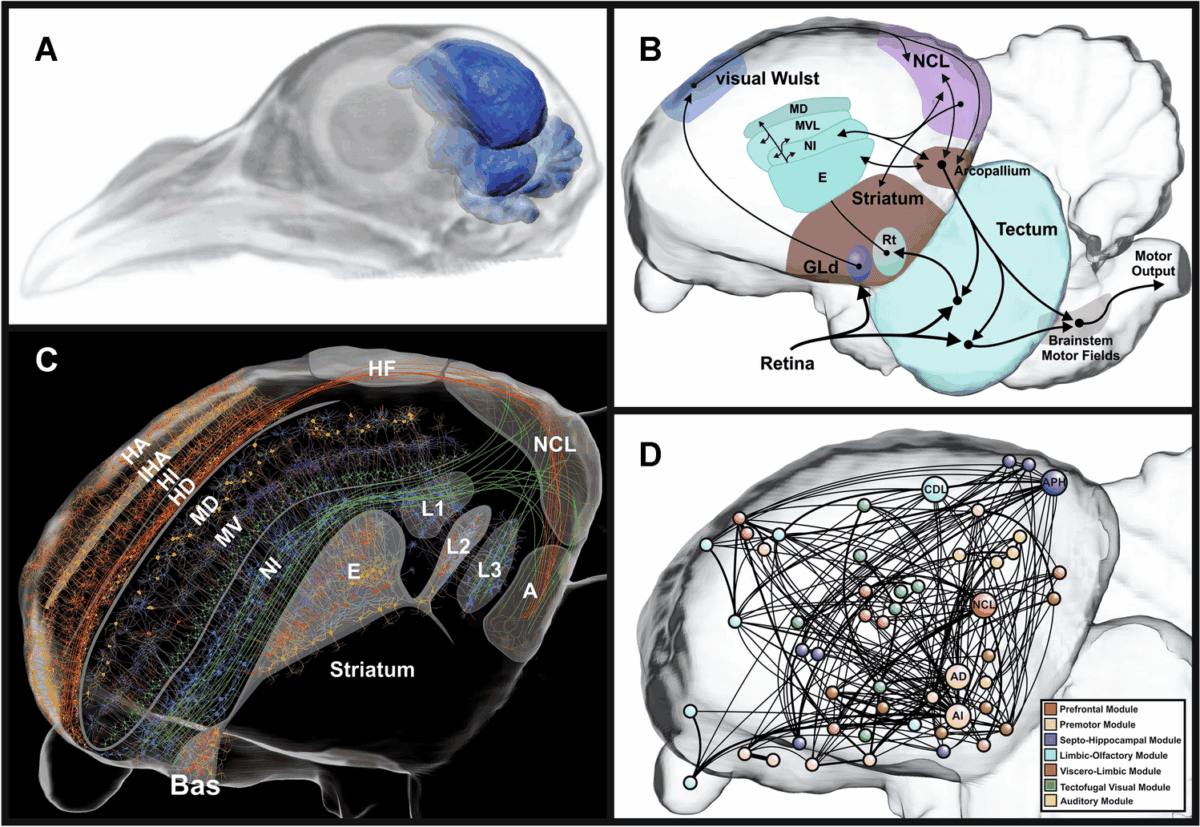
Animal cognition involves complex brain processes that enable creatures to perceive, process, store, and act upon information from their environment. Command understanding requires several cognitive components: attention, sensory processing, memory, association learning, and decision-making. The neurological basis for these abilities varies significantly across species. While mammals like dogs and dolphins have evolved complex neocortices—similar to humans but with different proportions—birds like parrots have developed an entirely different brain structure called the nidopallium caudolaterale that serves analogous functions. This remarkable example of convergent evolution demonstrates how different evolutionary paths can lead to similar cognitive capabilities. Scientists use techniques like functional MRI, EEG, and behavioral studies to map these neural processes, revealing that these animals possess neural correlates for language processing that were once thought unique to humans.
Parrots: The Vocal Virtuosos

Parrots belong to the order Psittaciformes, comprising over 350 species known for their colorful plumage and curved bills. What makes them truly remarkable is their exceptional vocal learning ability—a rare trait in the animal kingdom. Unlike most birds that have innate vocalizations, parrots can learn and reproduce sounds throughout their lives. African Grey parrots, particularly famous for their linguistic prowess, have demonstrated vocabularies exceeding 1,000 words. The legendary Alex, studied by Dr. Irene Pepperberg for 30 years, could identify colors, shapes, and numbers, and even understood the concept of “none.” Alex could respond to questions about objects’ properties, demonstrating not just mimicry but comprehension. Recent research indicates that parrots process language in brain regions analogous to human language centers, despite their vastly different brain architecture. This convergent evolution of vocal learning highlights the remarkable adaptability of cognitive systems across different evolutionary lineages.
The Extraordinary Memory of Parrots

Parrots possess exceptional memory capabilities that enable them to retain commands and vocabulary for remarkably long periods. Studies have shown that some parrot species can remember specific words and phrases for decades, with documented cases of birds recalling commands taught to them 20 years earlier. This long-term memory applies not only to vocalizations but also to visual recognition of objects, people, and locations. The hippocampus in parrots, though structured differently from mammals, serves similar memory functions. Amazon parrots, cockatoos, and macaws have demonstrated particularly strong spatial memory, allowing them to remember complex sequences of actions required to solve puzzles or navigate environments. This memory capacity enables them to learn extensive command vocabularies and associate specific actions with verbal cues. Research conducted at the University of Vienna found that kea parrots could remember the solution to a complex mechanical puzzle for up to three years without practice, highlighting their exceptional cognitive retention abilities.
Training Techniques for Parrots
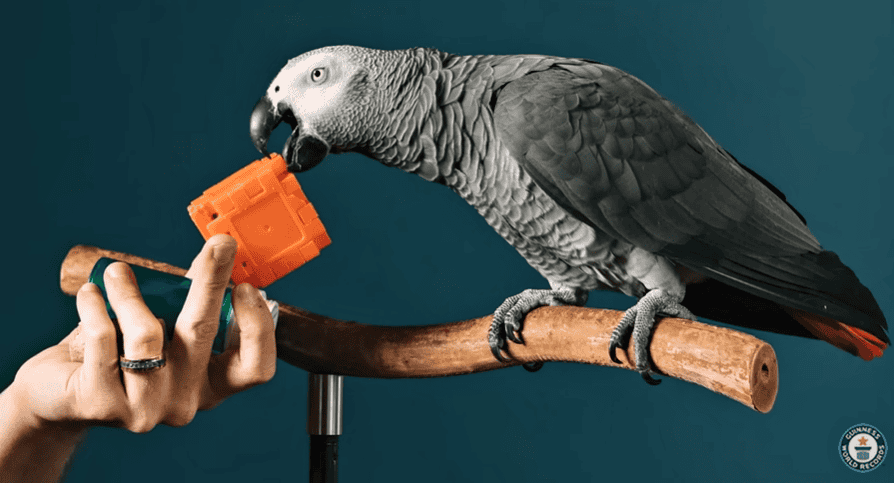
Effective parrot training leverages their natural intelligence and social nature through positive reinforcement techniques. Clicker training, where a distinct sound signals correct behavior followed by a reward, has proven particularly effective. Unlike punishment-based methods, positive reinforcement builds trust and encourages voluntary participation. Successful training sessions should be kept short (5-15 minutes) but frequent, as parrots have relatively short attention spans but benefit from consistent practice. Target training—teaching a parrot to touch a specific object with its beak—serves as a foundation for more complex commands. The “model/rival” technique developed by Dr. Pepperberg, where two humans demonstrate the desired behavior with one acting as the model and the other as both trainer and rival for attention, capitalizes on parrots’ social learning tendencies. Progressive command training should begin with simple cues like “step up” before advancing to more complex instructions. Patience is essential, as parrots learn at different rates depending on species, age, and individual personality traits, with some taking months to master complex commands.
Dolphins: The Ocean’s Intellectual Giants

Dolphins, particularly bottlenose dolphins (Tursiops truncatus), possess cognitive abilities among the most advanced in the animal kingdom. Their large, complex brains have an encephalization quotient second only to humans, reflecting exceptional intelligence relative to body size. These marine mammals live in intricate social structures requiring sophisticated communication and cooperation. Their natural acoustic prowess—using clicks, whistles, and body language—makes them particularly receptive to human commands. Dolphins can understand not only direct commands but also abstract concepts like “new” or “creative,” requesting them to perform behaviors they haven’t previously demonstrated. At marine research facilities, dolphins routinely respond to over 100 distinct hand or acoustic signals, executing complex sequences of behaviors on command. Studies at the Dolphin Research Center in Florida have shown that dolphins can understand sentences combining multiple commands in specific orders, demonstrating syntactic comprehension previously thought unique to humans and some great apes. This remarkable ability suggests they grasp fundamental aspects of language structure beyond simple stimulus-response learning.
Dolphin Echolocation and Command Recognition

Dolphins’ extraordinary command comprehension is enhanced by their sophisticated echolocation system, which allows them to create detailed mental images of their surroundings. When receiving commands, dolphins integrate visual cues with acoustic information processed through their highly developed auditory systems. Their primary auditory processing center, the inferior colliculus, is proportionally larger than in most mammals, facilitating exceptional sound discrimination. Dolphins can detect frequency differences as small as 0.2-0.8%, significantly better than humans’ 0.5-1.0% discrimination threshold. This acoustic precision enables them to distinguish subtle variations in human commands, even when delivered underwater or from significant distances. Research at the Naval Information Warfare Center has demonstrated that dolphins can recognize specific commands through echolocation alone, identifying subtle differences in the shape and density of command objects. This remarkable ability allows trainers to communicate with dolphins even in murky water conditions where visual signals would be ineffective, highlighting the multi-sensory nature of their command comprehension systems.
Dogs: Evolutionarily Adapted Command Followers

Dogs (Canis familiaris) represent the most successful case of domestication in human history, with their evolution specifically shaped by their relationship with humans over approximately 15,000 years. This co-evolutionary process has produced animals extraordinarily attuned to human communication cues. Unlike wolves, their closest relatives, dogs instinctively look to humans for information and direction. Research from the Family Dog Project at Eötvös Loránd University has demonstrated that dogs possess specialized neural pathways for processing human voices, allowing them to distinguish emotional tones and command words. The average family dog can understand approximately 165 words, with border collies and other working breeds often exceeding 250 words. Dogs’ command recognition goes beyond vocabulary—they interpret subtle body language, eye movements, and even unconscious human cues that their owners may not realize they’re giving. This remarkable sensitivity to human communication results from both genetic adaptations and developmental experiences during critical socialization periods, making dogs uniquely positioned among all animals to understand and respond to human commands.
Breeds and Differences in Canine Comprehension
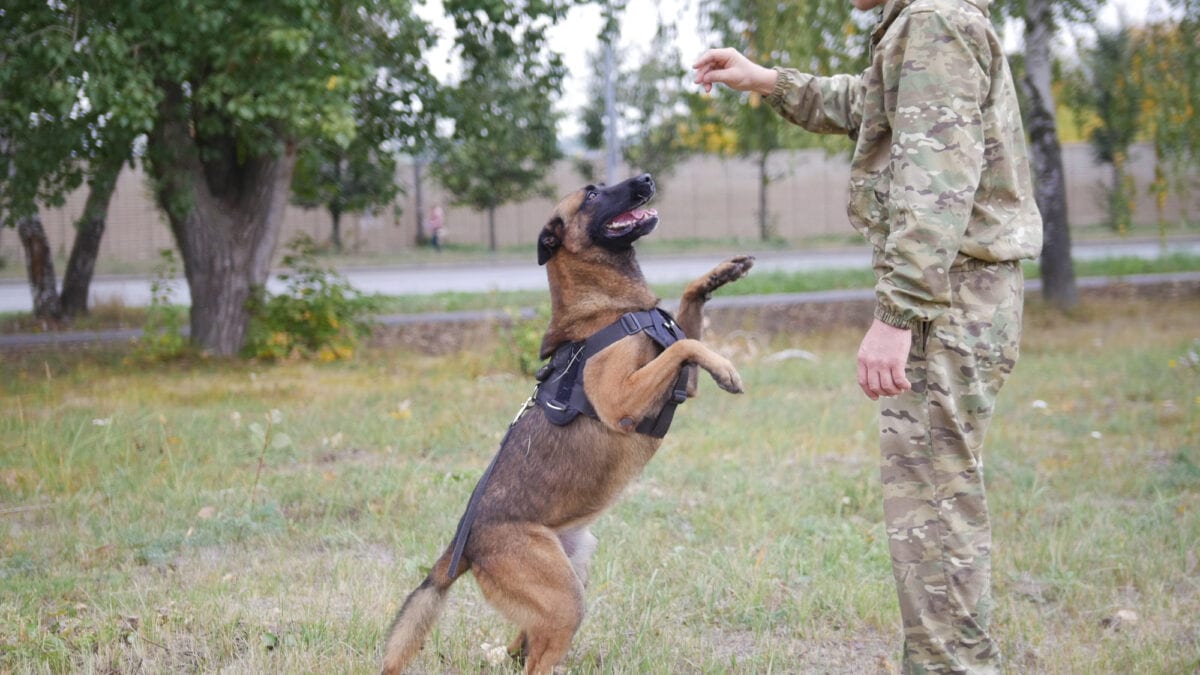
Dog breeds display significant variation in their command comprehension abilities, reflecting their diverse evolutionary histories and selection for specific working functions. Working and herding breeds like Border Collies, German Shepherds, and Poodles consistently rank highest in obedience and trainability studies, with some exceptional Border Collies demonstrating vocabularies exceeding 1,000 words. Scent hounds like Bloodhounds and Beagles excel at following scent-based commands but may show less responsiveness to verbal cues due to their breeding emphasis on independent tracking abilities. Sight hounds such as Greyhounds and Salukis, selected primarily for visual pursuit skills rather than handler interaction, typically demonstrate lower command responsiveness scores. However, individual variation within breeds often exceeds between-breed differences, with early training, socialization, and consistent handling significantly impacting command comprehension regardless of genetic background. A 2019 study published in Applied Animal Behaviour Science found that while breed predispositions exist, environmental factors like training methods and owner interaction styles explained 65% of the variance in command response rates, highlighting the crucial role of human-dog relationships in developing communication abilities.
Comparative Learning Processes: How Different Species Learn Commands

While parrots, dolphins, and dogs all demonstrate impressive command comprehension, their learning mechanisms reflect their distinct evolutionary backgrounds. Dogs primarily learn through associative conditioning and social learning, rapidly forming connections between commands and expected behaviors, particularly when reinforced with affection due to their pack-oriented psychology. Dolphins employ a combination of observational learning and trial-and-error exploration, showing remarkable ability to generalize concepts across contexts—a form of abstract thinking previously associated primarily with primates. Parrots uniquely combine vocal mimicry with cognitive understanding, using their exceptional acoustic memory to reproduce sounds while simultaneously developing conceptual understanding of their meaning. Research at the University of Vienna has shown that while dogs typically require 20-40 repetitions to learn a new command, dolphins often grasp novel behaviors in 5-7 attempts, and parrots need varied exposure (15-100 repetitions) depending on the complexity of the vocalization and associated action. These differences reflect each species’ ecological niche and evolutionary history—dogs evolved as cooperative hunters, dolphins as social problem-solvers in complex marine environments, and parrots as adaptable foragers requiring sophisticated communication in densely populated forest habitats.
The Role of Social Intelligence in Command Understanding

Social intelligence—the ability to interpret others’ intentions, emotions, and social cues—forms a crucial foundation for command comprehension across all three species. Parrots, dolphins, and dogs are highly social animals that have evolved sophisticated mechanisms for intraspecies communication. This social framework provides the cognitive architecture necessary for interpreting human commands. Dogs, through domestication, have developed specific sensitivity to human emotional states and attentional cues, with studies showing they preferentially attend to the right side of human faces where we more strongly express emotions. Dolphins demonstrate advanced theory of mind capabilities, understanding that others have different perspectives and information—a cognitive skill that enhances their ability to interpret trainer intentions. Parrots, as flock animals, naturally attend to social hierarchies and communication patterns, transferring this attention to human caregivers in captivity. Neuroimaging research has revealed that all three species show activation in brain regions associated with social cognition when processing commands, suggesting that command understanding builds upon evolutionarily older social processing systems rather than representing entirely novel cognitive adaptations.
Ethical Considerations in Animal Command Training

As our understanding of animal cognition advances, ethical questions surrounding command training become increasingly significant. While positive reinforcement methods promote animal welfare by providing mental stimulation and strengthening human-animal bonds, ethical concerns arise regarding the potential exploitation of animal intelligence. For dolphins particularly, the ethics of captivity programs where command training occurs remain controversial, with evidence suggesting potential psychological stress from confinement despite cognitive enrichment from training. For parrots, whose natural behaviors include complex social interactions and flying several miles daily, command training in captivity must be balanced with opportunities for species-typical behaviors to prevent stereotypies and self-destructive behaviors. With dogs, ethical training recognizes their status as companions rather than servants, avoiding aversive methods that research shows can increase stress hormones and anxiety-related behaviors. The most ethically sound approach across all species emphasizes bidirectional communication—teaching animals to respond to our commands while simultaneously learning to recognize and respect their communications to us. This balanced approach acknowledges that these intelligent species aren’t merely passive recipients of commands but active participants in interspecies communication systems.
The Future of Human-Animal Communication

Emerging technologies and deepening understanding of animal cognition are opening new frontiers in human-animal communication. Computer interfaces designed specifically for non-human cognitive systems show promise in expanding our ability to communicate with these intelligent species. At the Wild Dolphin Project, researchers are developing two-way communication systems where dolphins can initiate interactions and requests through specialized underwater keyboards. For dogs, vest-mounted sensors that detect physiological changes and translate them into human-understandable signals are helping bridge communication gaps, particularly for service animals. With parrots, artificial intelligence systems that analyze vocalization patterns are revealing more complex linguistic capabilities than previously recognized. Advances in neuroimaging techniques like functional near-infrared spectroscopy (fNIRS) now allow researchers to monitor brain activity in animals during command processing without restraint, providing unprecedented insights into their cognitive processes. These developments suggest we may be approaching a paradigm shift in human-animal relationships, moving from unidirectional command structures toward more collaborative communication systems that acknowledge and leverage the unique cognitive abilities of each species, potentially transforming our understanding of animal consciousness and our ethical responsibilities toward these intelligent beings.
The remarkable command comprehension abilities of parrots, dolphins, and dogs challenge our traditional understanding of the boundaries between human and animal cognition. Through different evolutionary pathways, these species have developed sophisticated neural systems that enable them to bridge the interspecies communication gap, interpreting and responding to human directives with astounding precision. Their abilities remind us that intelligence manifests in diverse forms across the animal kingdom, adapted to different ecological niches and evolutionary pressures. As research continues to reveal the depth and complexity of these animals’ cognitive capabilities, we face important philosophical and ethical questions about our relationships with other intelligent beings sharing our planet. Perhaps most profoundly, the command understanding abilities of these species offers us a glimpse into different forms of consciousness—ways of experiencing and interpreting the world that are simultaneously alien to our own yet accessible through the shared language of commands and responses that we have collectively developed across the boundaries of species.

- Owls and Other Forest Dwellers of the Cascades - July 19, 2026
- What Happens When a Python Eats Something Too Big? - July 19, 2026
- Baby Koalas Hug Their Moms for Safety and Comfort - July 19, 2026