

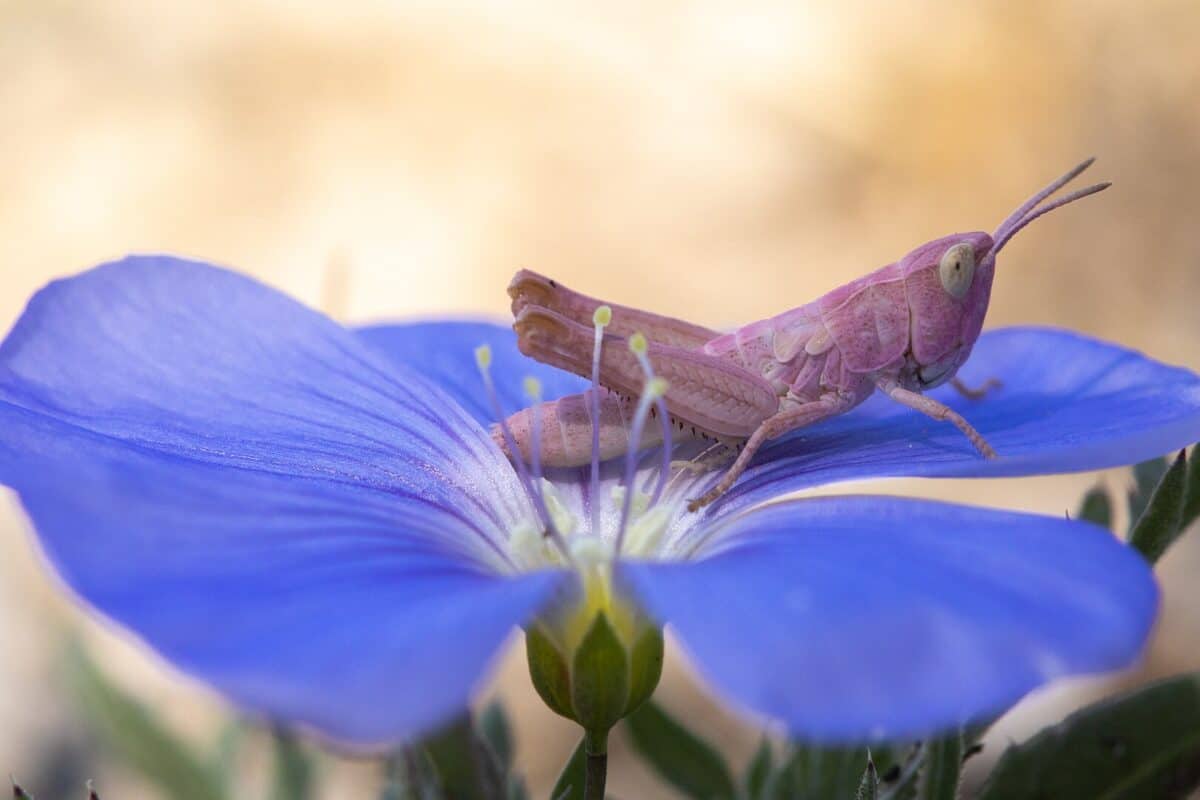
It looked like a toy at first. That’s what 13-year-old Mya Callahan thought when she spotted a bright pink grasshopper hopping through her family’s backyard in Savannah, Georgia. But when it moved again, she realized it was very real — and very rare.
“I’d never seen anything like it,” she said. “I just grabbed my phone and started filming.”
Mya’s video quickly went viral, and soon after, local wildlife experts confirmed it: she had found a pink morph of the common grasshopper, caused by a rare genetic mutation known as erythrism.
What Makes It Pink — And So Unusual?
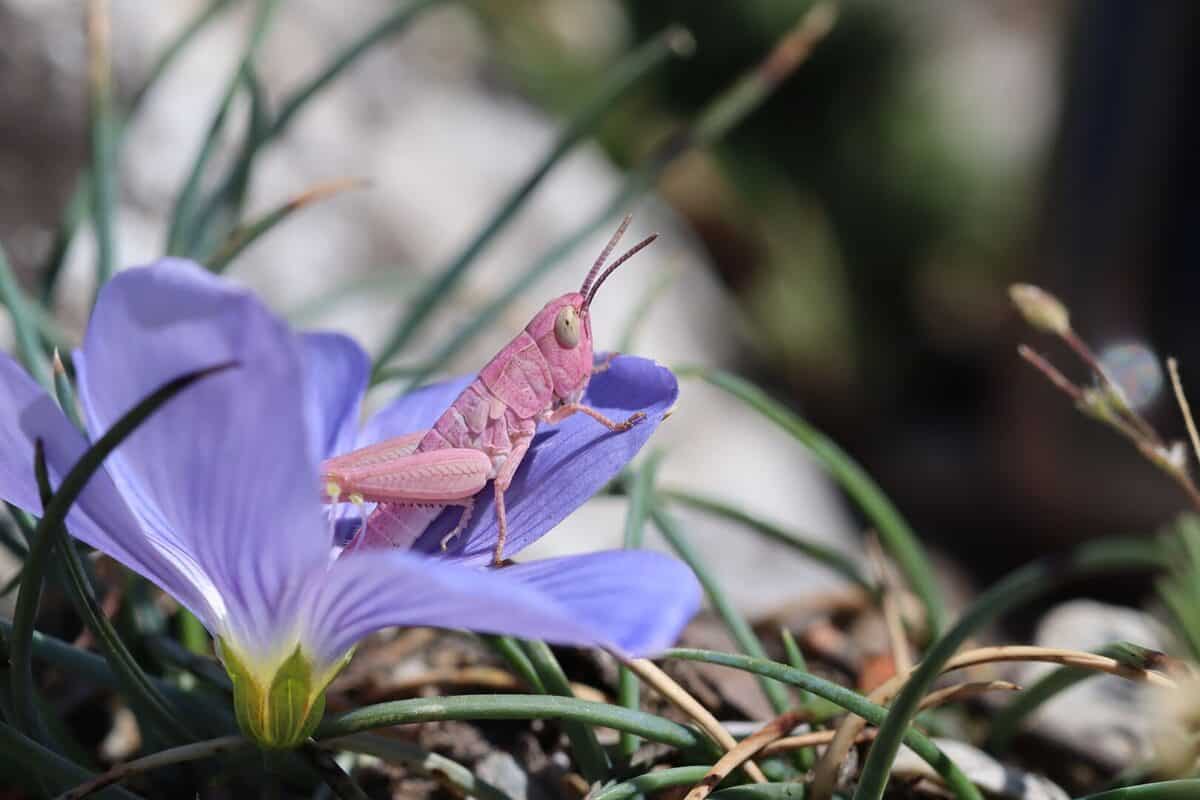
Erythrism is a genetic condition that causes an abnormal reddish or pink pigmentation in an animal’s exoskeleton or fur. It’s extremely rare in insects and even rarer in grasshoppers, with scientists estimating that only 1 in 500 grasshoppers exhibit the trait.
Unlike more common green or brown grasshoppers that can blend into their surroundings, pink individuals stand out — making them easy prey for birds and lizards.
“They’re like walking neon signs in the grass,” explained Dr. Shelby Lang, an entomologist at the University of Georgia. “Which is why we seldom see them reach adulthood in the wild.”
A Backyard Lesson in Biodiversity
Since the discovery, the Callahan family has turned their backyard into a small observation area, hoping the grasshopper will stick around a bit longer. With guidance from local conservationists, they’re letting the insect live undisturbed in its natural environment.
Dr. Lang says it’s a good reminder that you don’t have to go far to discover something amazing. “This isn’t a lab or a jungle — it’s a backyard. Nature doesn’t care where you are.”
What to Do If You Find a Rare Insect
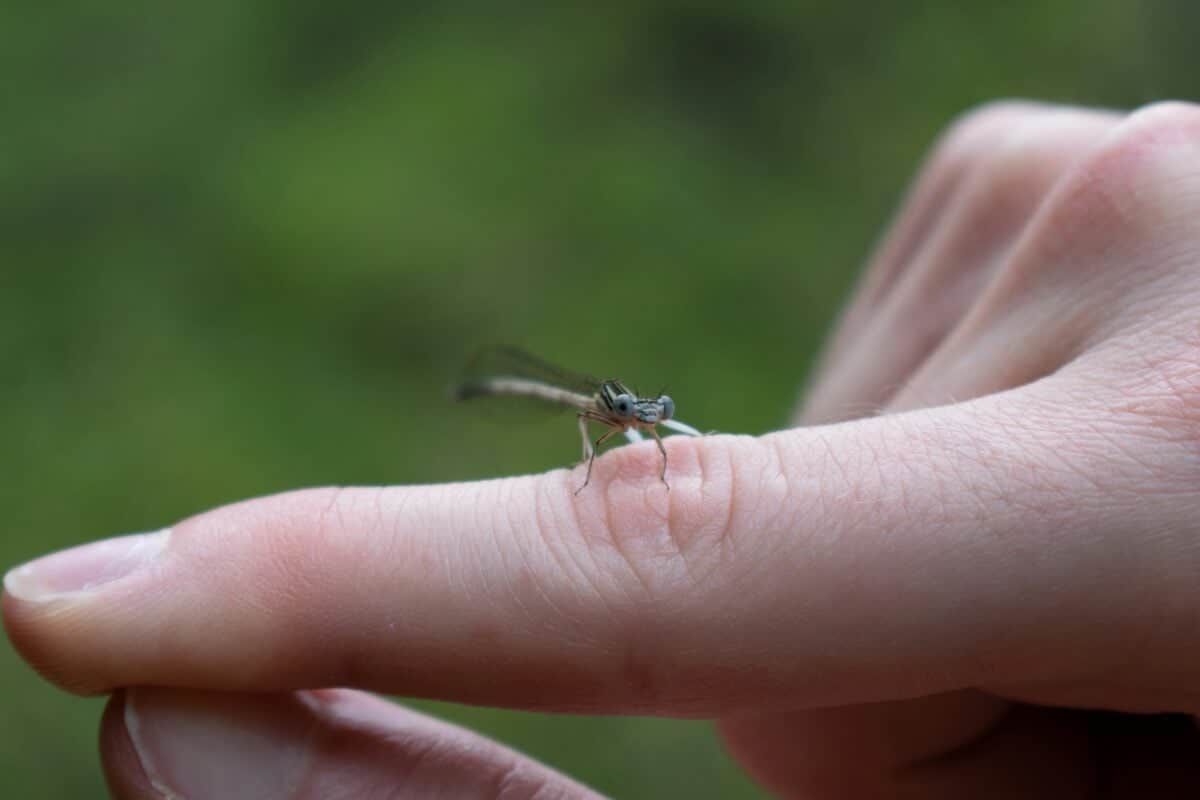
If you happen to spot an unusually colored insect like a pink grasshopper, here’s how to handle it:
- Observe from a distance and avoid handling it unless necessary
- Take clear photos and document the time and place
- Report your sighting to a local extension office or wildlife agency
- Avoid relocating the insect, which could disrupt its habitat or survival
Most of all, let it live wild — even if it’s shockingly colorful.
The Bigger Picture
The pink grasshopper in Savannah is more than just a curiosity — it’s a living example of how rare genetic quirks can spark wonder, science, and conservation in one leap. Whether you’re deep in the forest or right in your backyard, nature has a way of reminding us that there’s always something new to discover, as long as you’re paying attention.

- Bride Surprises Groom With Rescued Animals at Bachelor Party - June 16, 2026
- White Deer Duo Stuns Iowa Family on Backroad Drive - June 9, 2026
- Iguana Fell and Hit Florida Man in the Face During Cold Snap - May 19, 2026