


An Arizona family got far more than they bargained for when checking on their dog in the backyard — a two-headed western diamondback rattlesnake was coiled beside the porch, both heads flicking their tongues in different directions.
“It looked fake,” said homeowner Kyle Jenkins from Tucson. “Then both heads hissed, and we backed up fast.”
Jenkins immediately called local wildlife officials, who confirmed the discovery as a living, venomous, two-headed rattlesnake — one of the rarest natural mutations ever documented in the state.
How Does a Snake End Up With Two Heads?

The phenomenon is called bicephaly, a rare developmental defect that occurs when a single embryo fails to split properly during early formation — similar to conjoined twins. In snakes, the result is a single body with two functioning heads, each capable of independent movement.
While bicephalic snakes do occur in captivity, they rarely survive in the wild. “They have trouble making coordinated decisions,” said Dr. Evan Rosales, a herpetologist at the University of Arizona. “One head may want to go left, the other right. That kind of confusion doesn’t work well when you’re trying to escape predators.”
This particular snake measured just under 45 centimeters (18 inches) and appeared relatively young — but alert and active.
A Rare Find With a Fragile Future
Wildlife experts safely captured the snake and transported it to a controlled environment for study. Officials say it’s unlikely the snake would survive long in the wild due to its slower response time, difficulty hunting, and vulnerability to attack.
It is now being housed at the Arizona-Sonora Desert Museum, where it will be part of an educational exhibit on genetic mutations and desert ecology.
Officials emphasize that while sightings like this are rare, they highlight the importance of habitat conservation and scientific monitoring — especially in the American Southwest, where diverse species are under increasing environmental pressure.
What To Do If You Find a Snake — With One Head or Two
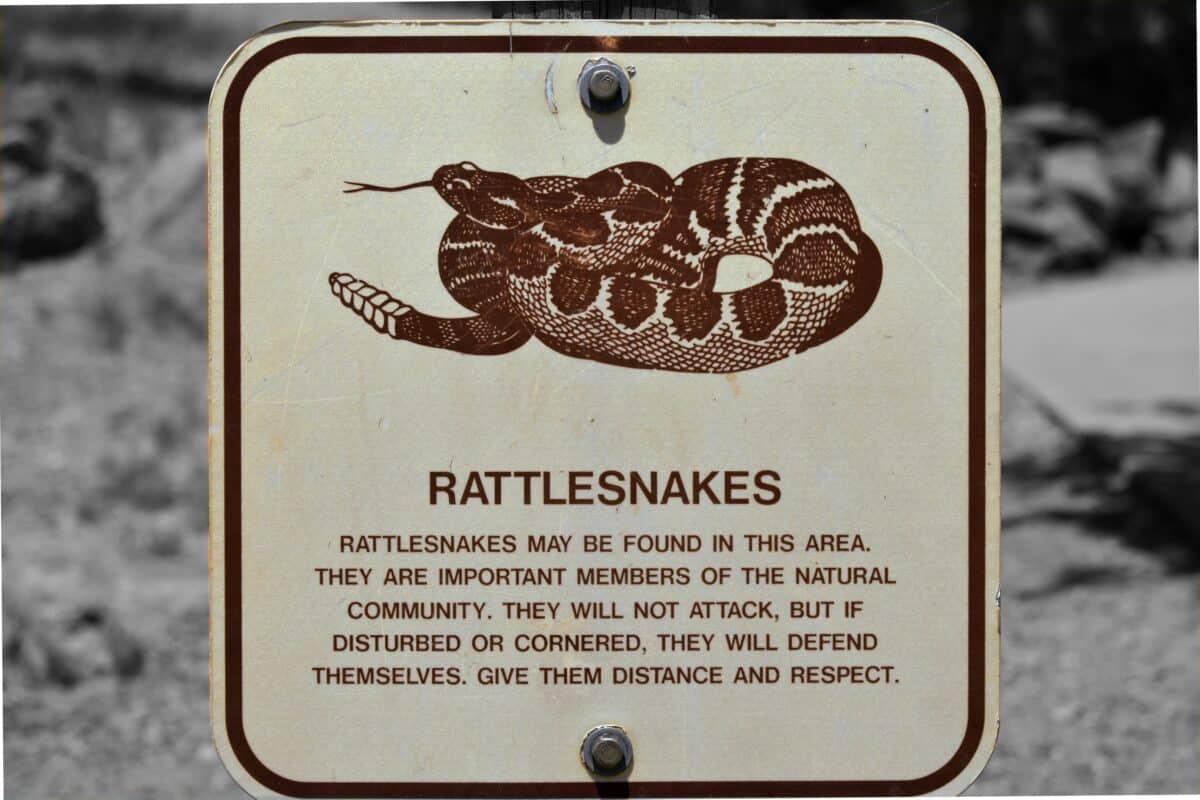
Whether it’s a common rattler or a rare two-headed oddity, safety comes first. If you encounter a snake in or near your home, here’s how to handle it smartly:
- Stay at least 2–3 meters (6–10 feet) away
- Don’t try to kill or capture the snake yourself — even common rattlesnakes can strike fast
- Call local animal control or wildlife services
- Do not assume a mutation makes the animal harmless — both heads on a bicephalic snake can deliver venom
If in doubt, always let the experts handle it.

- Texas Ranchers Injured and Horses Killed in Aggressive Bee Attack - July 19, 2026
- Cougar Attack on Cyclists Shakes Washington Wilderness - July 19, 2026
- Snake Found in Arizona Toilet Shocks Homeowner - July 19, 2026