

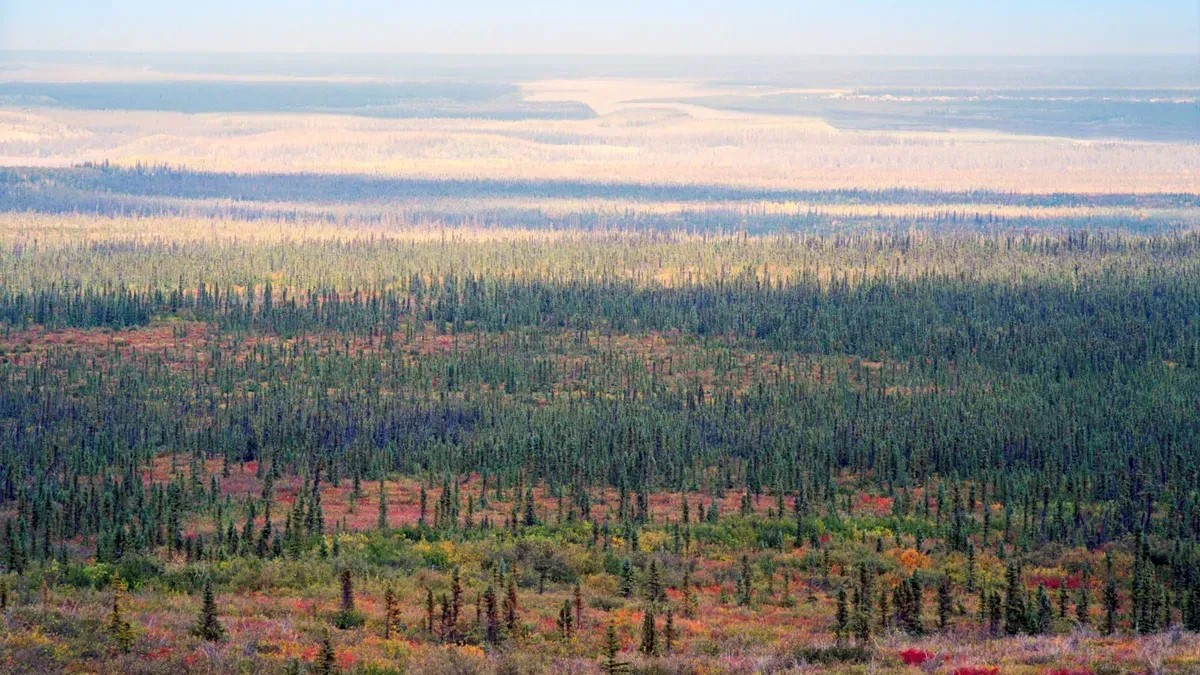
A groundbreaking study suggests Canada might be sitting on one of the most effective climate solutions right in its own backyard. Researchers have discovered that planting trees along the edges of the country’s boreal forest could remove five times Canada’s annual carbon emissions from the atmosphere. The potential is staggering when you consider that Canada emits roughly 670 million metric tons of carbon dioxide each year.
The boreal forest, that massive belt of coniferous trees stretching across the country’s northern regions, has always been crucial for carbon storage. What makes this study particularly interesting is its focus on the transitional zones where forest meets tundra. These areas, often overlooked in reforestation efforts, might hold the key to dramatically scaling up carbon removal. Let’s dive into what this could mean for Canada and the planet.
The Science Behind the Carbon Capture Potential
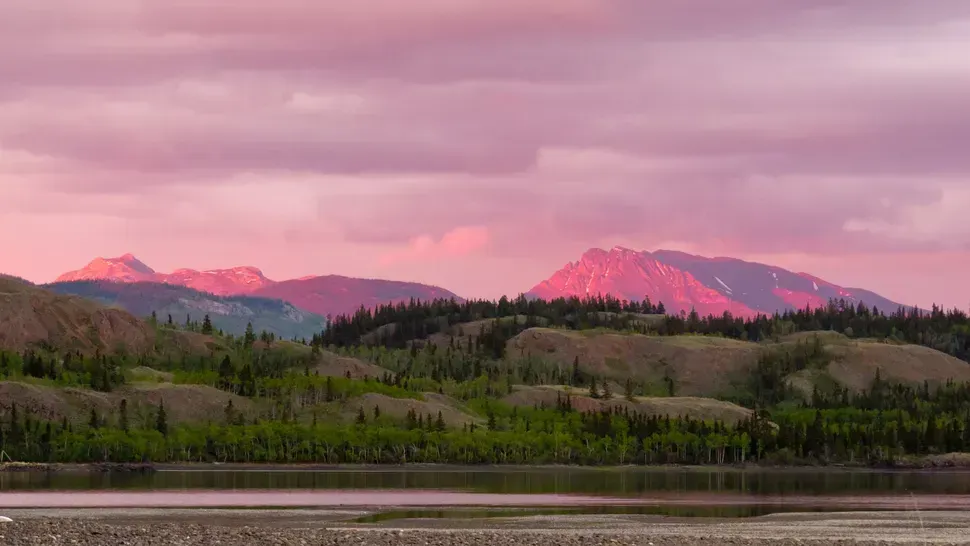
The research team analyzed satellite imagery and climate data to identify optimal planting zones along the boreal forest’s northern edge. These transition areas between forest and tundra experience conditions that are becoming increasingly suitable for tree growth as global temperatures rise. Trees in these regions can sequester carbon at impressive rates once established.
What’s particularly clever about this approach is that it works with natural climate shifts rather than against them. As the planet warms, these marginal areas are becoming more hospitable to tree species that previously couldn’t survive there. The study estimates that strategic planting in these zones could capture approximately 3.4 billion metric tons of carbon dioxide over several decades.
Why the Boreal Forest Edge Matters More Than You’d Think
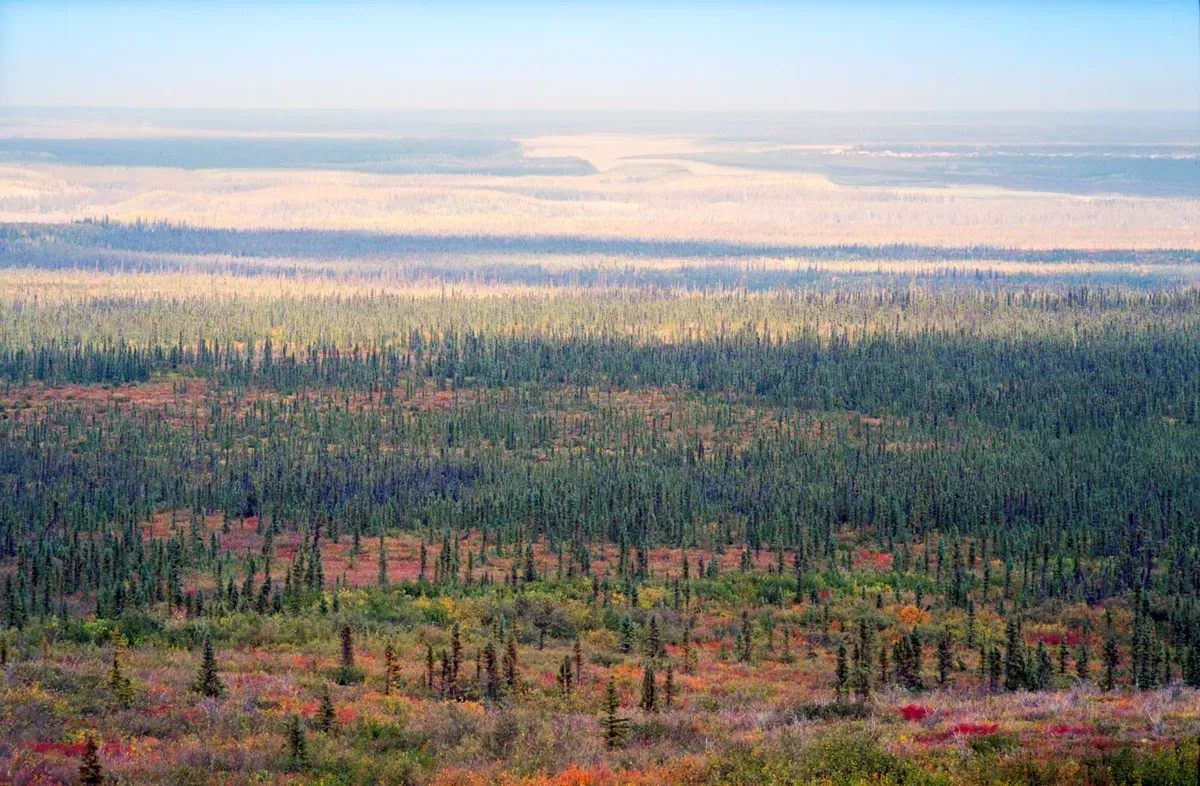
Most people picture reforestation as planting trees in cleared areas or degraded lands. This study takes a different angle entirely. The boreal-tundra boundary represents a massive, continuous strip of land stretching thousands of kilometers across Canada. It’s not about replacing existing ecosystems but rather expanding forest into areas where climate conditions now permit tree growth.
The soil in these transition zones already contains significant organic matter and nutrients necessary for tree establishment. Unlike tropical reforestation projects that often struggle with poor soil quality, these northern regions offer a head start. I think what makes this particularly promising is that we’re essentially helping nature along rather than forcing something entirely new.
The Timeline Challenge Nobody Wants to Talk About
Here’s the thing though. Trees don’t sequester carbon overnight. The study acknowledges that reaching maximum carbon capture potential would take decades, possibly 50 to 100 years depending on tree species and growing conditions. Young saplings absorb relatively little carbon in their first years while they establish root systems and adapt to harsh northern conditions.
This lengthy timeline creates a political challenge. Governments and policymakers often prefer solutions with immediate, measurable results. Committing resources to a project that won’t show full returns for generations requires uncommon long-term thinking. Still, doing nothing guarantees we’ll never reach that potential at all.
Species Selection and Survival Rates in Harsh Climates
Not just any tree will survive in these challenging environments. The study emphasizes using native or climate-appropriate species like black spruce, white spruce, and jack pine. These hardy conifers have evolved mechanisms to handle extreme cold, short growing seasons, and nutrient-poor soils. Survival rates in initial plantings could range from 30% to 70% depending on site conditions and planting techniques.
The harsh reality is that many seedlings won’t make it through their first winter. Permafrost thawing, extreme temperature swings, and browsing by wildlife all take their toll. That’s why the study recommends over-planting to account for these losses. It’s a numbers game where persistence and scale ultimately determine success.
Economic Costs and Funding Realities
Large-scale reforestation doesn’t come cheap. Planting, monitoring, and maintaining millions of hectares of new forest would require substantial investment. The study estimates costs could run into billions of dollars over the project’s lifetime. That includes everything from seedling production to helicopter access in remote areas.
However, when you compare these costs to other carbon capture technologies like direct air capture or carbon sequestration in geological formations, tree planting looks remarkably cost-effective. Nature does most of the heavy lifting once trees are established. The question becomes whether Canada can mobilize sufficient funding and political will to act on this opportunity before the climate window shifts again.
Potential Unintended Consequences for Arctic Ecosystems
Let’s be real, expanding forests northward isn’t without ecological trade-offs. Tundra ecosystems support their own unique plant and animal species adapted to treeless environments. Introducing forest cover changes everything from soil temperatures to wildlife habitat. Species like caribou that depend on open tundra landscapes could find their range increasingly fragmented.
There’s also the albedo effect to consider. Snow-covered tundra reflects sunlight back into space, helping cool the planet. Darker forest canopies absorb more solar radiation, potentially creating localized warming effects. The study suggests these concerns need careful monitoring and that planting should avoid the most ecologically sensitive tundra areas. It’s a delicate balance between climate benefits and ecosystem preservation.
What This Means for Global Climate Commitments
If Canada pursues this strategy aggressively, it could dramatically reshape the country’s carbon accounting. Removing five times the nation’s annual emissions would position Canada as a global leader in nature-based climate solutions. It might even allow the country to achieve net-negative emissions in the long term, effectively cleaning up more carbon than it produces.
Other northern nations with similar boreal forest ecosystems, including Russia, Alaska, and Scandinavian countries, could replicate this approach. The cumulative global impact could be substantial. Yet success requires more than just scientific knowledge. It demands sustained commitment, adequate funding, and coordination across governmental and private sectors over generations.
Conclusion
The potential to remove five times Canada’s annual carbon emissions through strategic tree planting represents an enormous opportunity that shouldn’t be squandered. This research offers a tangible, nature-based solution at a time when climate action feels increasingly urgent. The science is sound, the land is available, and the climate conditions are shifting in ways that make this possible.
What strikes me most is how this approach works with natural processes rather than relying on expensive, unproven technologies. Trees have been sequestering carbon for millions of years. We’re simply expanding that natural service into new areas. The real challenge lies in our ability to think beyond election cycles and quarterly reports to commit to a multi-generational project.
The boreal forest edge might just be Canada’s greatest untapped climate asset. The question isn’t whether this can work, it’s whether we’ll actually do it. What do you think? Should Canada make this massive reforestation effort a national priority? Tell us in the comments.

- Urban Coyotes Show Remarkable Adaptability, Learning to Thrive in City Environments - July 22, 2026
- Beavers Are Nature’s Engineers, Creating Vital Habitats for Other Wildlife Species - July 21, 2026
- The Recovery of the California Condor Offers Hope for Other Critically Endangered Birds - July 21, 2026