


The fossil record has a way of humbling us. Just when we think we’ve got prehistoric life figured out, something unexpected turns up. Archaeopteryx, long celebrated as one of the earliest known creatures to bridge dinosaurs and modern birds, has been studied for over 160 years. Yet researchers have now discovered features in this ancient animal that nobody saw coming.
A new examination of extremely well-preserved fossils has revealed anatomical quirks that challenge what we thought we knew about early bird evolution. These aren’t minor details either. We’re talking about structures so unusual that they’re forcing scientists to rethink how flight first evolved. Let’s dive into what makes this discovery so remarkable.
The Discovery That Changed Everything
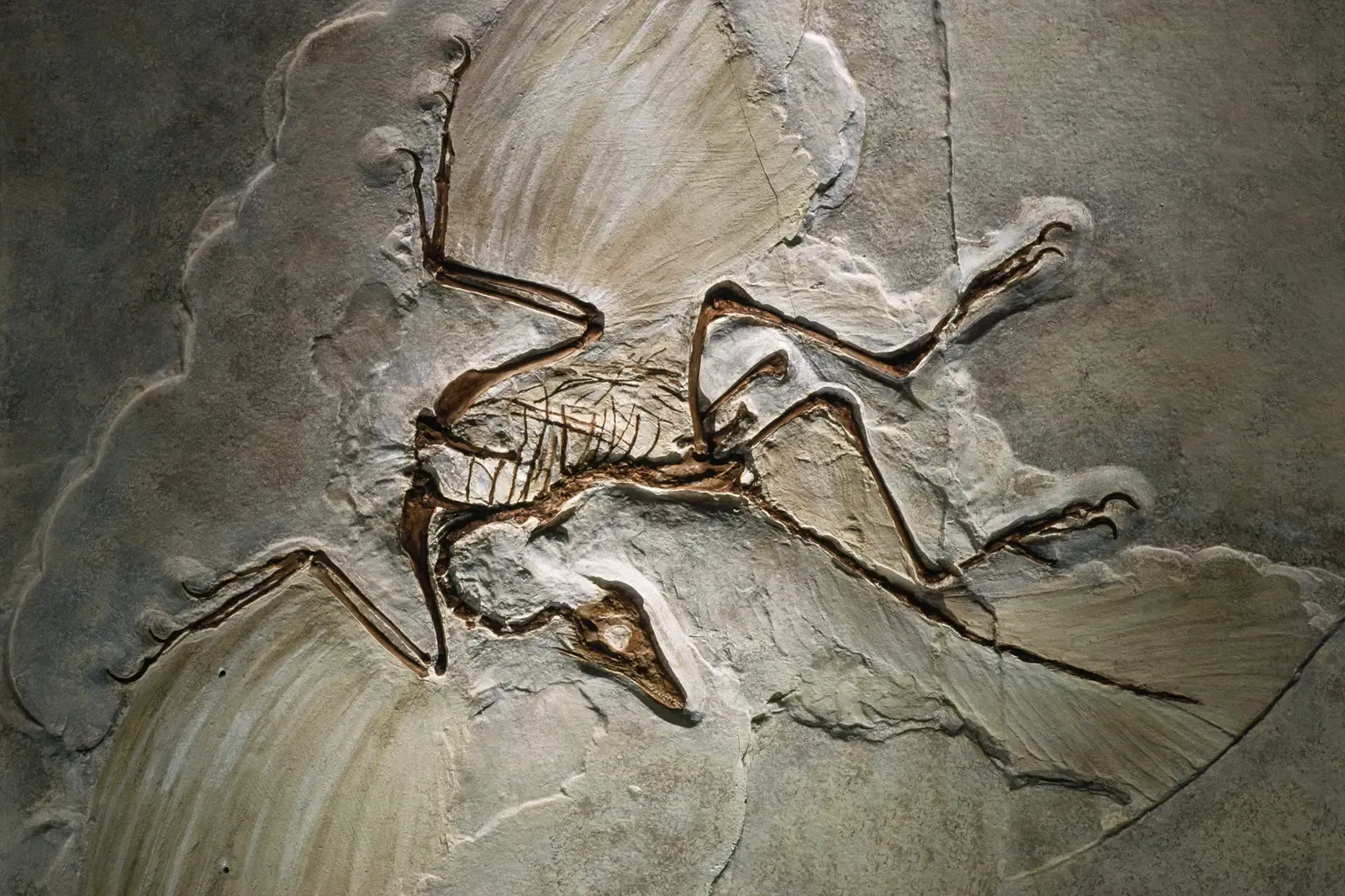
Researchers examining an exceptionally preserved Archaeopteryx specimen stumbled upon features that had somehow escaped detection for more than a century and a half. Using advanced imaging techniques, they identified peculiar bone structures and feather arrangements that previous studies had completely missed. The specimen, housed in a German museum, revealed details so fine that individual cellular structures became visible under the right conditions.
What makes this finding particularly striking is that Archaeopteryx fossils aren’t exactly rare finds at this point. Scientists have been poking and prodding these remains since the 1860s. The fact that these features went unnoticed for so long speaks to just how subtle and unexpected they are.
Bizarre Wing Structures Nobody Predicted
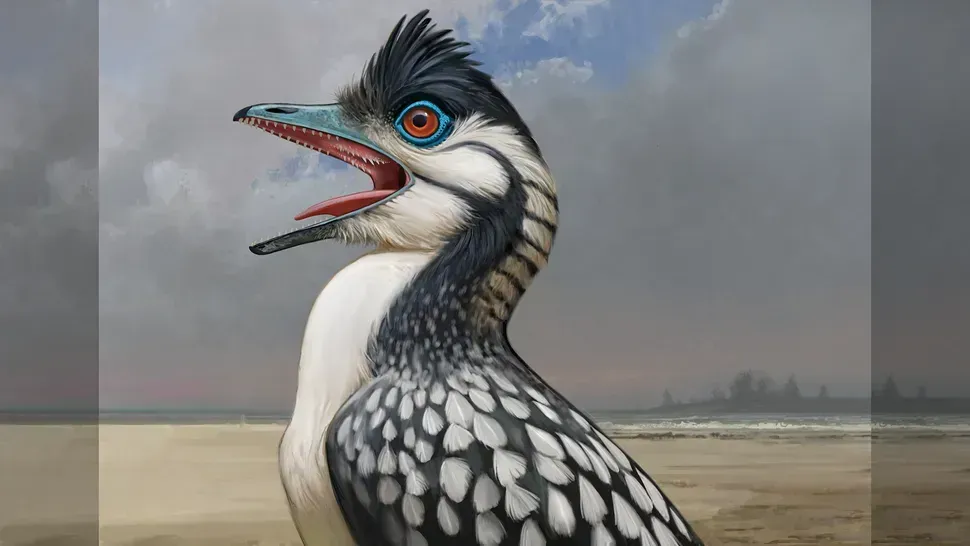
The wing bones of this Archaeopteryx specimen show an unusual configuration that doesn’t match either modern birds or the running dinosaurs from which birds evolved. There’s an unexpected curvature in certain bones that suggests a flight style quite different from what researchers had modeled. The wing’s leading edge displays structural reinforcements in places that seem almost counterintuitive for what we understand about aerodynamics.
These modifications hint at a creature still experimenting with powered flight. It’s like nature was trying out different prototypes before settling on the design we see in today’s birds. The arrangement suggests Archaeopteryx might have flown in short, explosive bursts rather than sustained gliding.
Feather Patterns That Defy Expectations
Perhaps even more startling than the bone structures are the feather arrangements revealed in this study. The fossil shows feather attachment points and patterns that don’t align with any modern bird species. Some feathers appear to have been positioned at angles that would seem aerodynamically inefficient by today’s standards.
The distribution of flight feathers versus body feathers follows a pattern researchers haven’t seen in any other species, living or extinct. It’s almost as if Archaeopteryx was working with an entirely different blueprint for how feathers should be organized on a flying animal. This raises fascinating questions about whether early birds tried multiple evolutionary paths toward flight before natural selection narrowed it down.
Tail Features That Challenge Flight Models
The tail structure revealed in this examination is particularly odd. Unlike modern birds, which have short, stubby tails with feathers arranged in a fan, Archaeopteryx possessed a long, bony tail. But this specimen shows modifications to that tail that scientists hadn’t fully appreciated before. There are asymmetries and specialized attachment points that suggest the tail played a more complex role in flight control than previously thought.
The vertebrae show signs of unusual muscle attachments that would have given Archaeopteryx remarkable tail flexibility. This contradicts earlier assumptions that the long tail was simply a holdover from its dinosaurian ancestors, dead weight that evolution would eventually eliminate. Instead, it appears the tail was an active, sophisticated steering mechanism.
What This Means for Bird Evolution
These discoveries are forcing a reassessment of how birds actually evolved the ability to fly. The traditional narrative suggested a fairly straightforward progression from ground-dwelling dinosaurs to tree-dwelling gliders to powered fliers. But Archaeopteryx’s weird features suggest the path was far more experimental and chaotic than that neat story implies.
Evolution apparently tried out numerous configurations before landing on the body plan that dominates modern birds. Some of these experiments, like Archaeopteryx’s unique wing and tail structures, were evolutionary dead ends. Others might have persisted in bird lineages that later went extinct, leaving no modern descendants to study.
How Scientists Missed These Features for 160 Years
You might wonder how paleontologists could overlook such significant features for over a century and a half. The answer lies partly in technology and partly in assumptions. Earlier researchers simply didn’t have access to the high-resolution imaging and analysis tools available today. But there’s also a psychological component at play here.
Scientists studying Archaeopteryx were looking for features that fit their expectations about transitional fossils. They found the mixture of reptilian and avian traits they expected to find. These newly discovered oddities didn’t fit the narrative, so they went unnoticed or were dismissed as preservation artifacts. It’s a reminder that sometimes we only see what we’re prepared to see.
The Bigger Picture for Paleontology
This discovery serves as a humbling reminder that even the most famous, most studied fossils can still surprise us. Archaeopteryx has been analyzed, debated, and celebrated for generations. It’s appeared in countless textbooks as the poster child for evolutionary transitions. Yet it took until 2025 for scientists to fully appreciate just how strange this creature actually was.
The implications extend beyond just this one species. If Archaeopteryx can hide secrets for 160 years, what other surprises are lurking in museum collections worldwide? How many fossils have we looked at but not truly seen? It’s both exciting and slightly unsettling to realize how much we might still be missing.
Conclusion
The revelation of Archaeopteryx’s hidden features reminds us that scientific understanding is never truly complete. This ancient creature, frozen in stone for roughly 150 million years, continues to challenge and surprise us. The bizarre wing structures, unexpected feather patterns, and sophisticated tail mechanics paint a picture of early bird evolution that’s far messier and more experimental than we imagined.
What strikes me most is the humility this discovery demands. Here’s a fossil that’s been under scientists’ noses for over a century and a half, yet it took cutting-edge technology and fresh perspectives to reveal its full strangeness. It makes you wonder what other assumptions we’re making about prehistoric life that future generations will find laughably wrong. What do you think this means for other famous fossils we think we understand? The past clearly still has plenty of secrets left to reveal.

- Urban Coyotes Show Remarkable Adaptability, Learning to Thrive in City Environments - July 22, 2026
- Beavers Are Nature’s Engineers, Creating Vital Habitats for Other Wildlife Species - July 21, 2026
- The Recovery of the California Condor Offers Hope for Other Critically Endangered Birds - July 21, 2026