

Most of us have wondered, at some point, why a critical comment at work can linger for days while a genuine compliment fades within hours. Or why we feel a surge of dread when we sense someone might be pulling away from us, even when there’s no real danger involved. The emotional reactions don’t always seem proportionate to the situation. That’s because, in many cases, they weren’t designed for this situation at all.
Evolutionary psychology reveals how our ancestors’ experiences still shape our thoughts and feelings today, offering powerful insights into the way we think, feel, and relate to one another. The idea that our inner emotional life is partly a relic of ancient survival pressures is more than a passing theory. It’s one of the more quietly unsettling truths about what it means to be human in the modern world.
#1: The Negativity Bias – Your Brain’s Ancient Alarm System
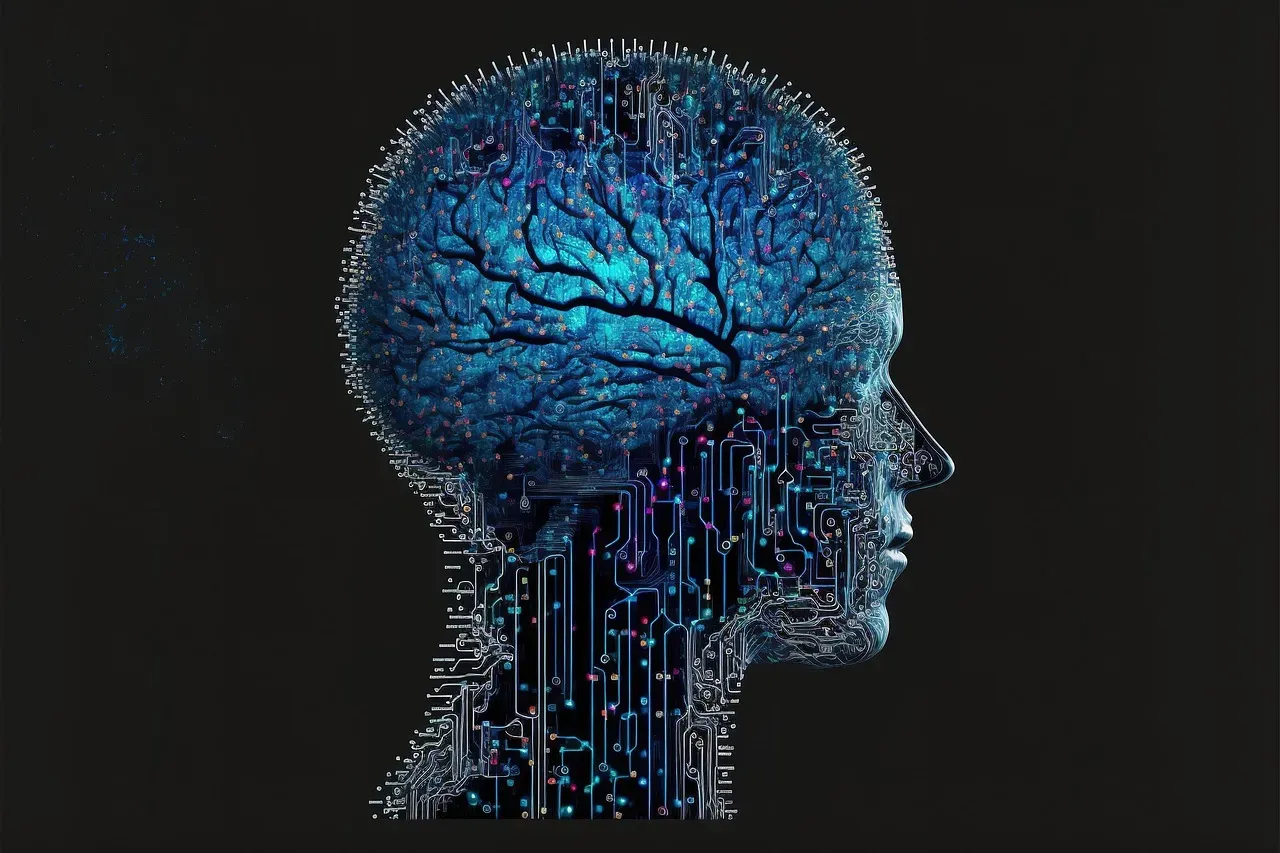
Psychologists call it the negativity bias: a deep, measurable tendency to react more strongly to bad experiences than to equally intense good ones. For most of human history, the cost of missing a threat was death, while the cost of missing an opportunity was just a missed meal. That asymmetry shaped the brain over hundreds of thousands of years. It’s a remarkably simple logic that left a remarkably deep mark.
Brain imaging shows that negative stimuli activate the amygdala more quickly and intensely than positive stimuli. Studies consistently demonstrate that people remember negative events more vividly, give negative information more weight in decision-making, and require multiple positive experiences to balance a single negative one psychologically. That’s not pessimism or dysfunction. That’s an ancient threat-detection system still running, more or less on schedule, in a world it was never built for.
While we do face fewer immediate threats to survival compared to our ancestors, the negative bias persists and can significantly impact people’s perceptions of the world. The unsettling part is how invisible this process usually is. Most people experience the bias as a personality trait or a mood, never recognizing it as something far older.
#2: The Fear of Social Rejection – An Emotion Built to Keep You Alive

For most of our evolutionary history, survival depended on being accepted within a small, cooperative group. In bands of fifty to one hundred and fifty individuals, trust, reputation, and group standing weren’t just nice to have – they were essential. Exile or even marginalization could mean facing predators, starvation, or rival humans alone. Being liked, quite literally, kept people alive.
Being ostracised or rejected by the group meant isolation, vulnerability, and quite often death. This dependency on the group created a powerful psychological mechanism: a deep need to fit in, to belong, and to be accepted. This need for belonging is still very much alive today. Though modern society no longer requires us to be part of a tribe for physical survival, our brains have not evolved as quickly as our environment.
If broken social ties are experienced as “painful,” an individual will be more likely to avoid situations that might threaten social ties or lead to rejection, hence increasing one’s likelihood of inclusion in the social group and chances of survival. To the extent that social rejection or exclusion is a threat to survival, feeling “hurt” by these experiences may be an adaptive way to prevent them. The sting of being left on read, or of being overlooked in a meeting, runs through the same emotional circuitry that once protected people from genuine harm.
#3: Tribal Instincts and the “Us vs. Them” Default

To comprehend tribal behavior, it’s essential to delve into its evolutionary roots. As a species, humans evolved in small groups where cooperation and social bonds were crucial for survival. In these early communities, belonging to a tribe meant access to resources, protection from threats, and a sense of identity. The emotional pull of group loyalty wasn’t just social bonding; it was a survival calculation carried out at the level of instinct.
When faced with perceived threats, whether real or imagined, people instinctively retreat into the safety of their tribe for support and validation. This reaction is rooted in our evolutionary history; when survival was at stake, aligning with one’s group was essential for protection against external dangers. In modern contexts, however, this instinct can lead to heightened anxiety and hostility toward those perceived as outsiders.
Pro-social behaviors such as nurturance, emotional support, altruism, reciprocity, conformity, and compliance are deeply engrained in human behavior because they are survival related. The urge for social affiliation is so powerful it drives individual behavior today, even in the developed world, where we no longer need to band together to fight off a lion. That same urge now powers everything from online fandom communities to political polarization.
#4: Ancestral Fears That Still Live in the Modern Brain
Throughout human evolution, the survival of our ancestors was perpetually challenged by diverse environmental threats. These encompassed immediate physical dangers from predators and conspecifics belonging to other tribes, as well as insidious risks posed by parasites and pathogens. Research in evolutionary psychology suggests that such threats shaped the human brain’s fear response, resulting in the development of cognitive mechanisms that prioritized survival.
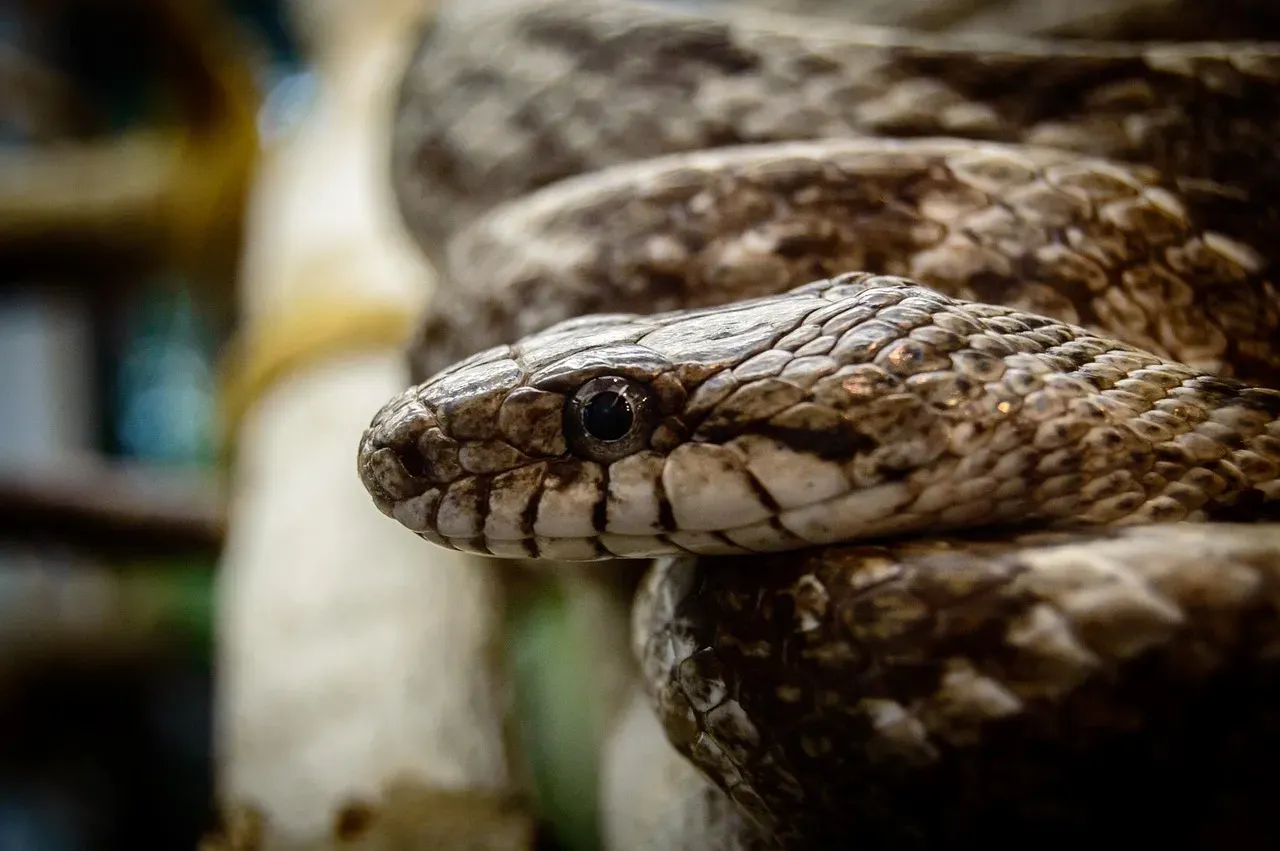
Research indicates humans possess an innate fear of snakes resulting from ancestral encounters with these reptiles thousands of years ago. This fear has persisted through generations and remains common today. What makes this particularly striking is that it appears even in people who have never seen a live snake and have no learned reason to fear them. Snakes and heights, representing ancestral fears, ranked as the second most feared stimuli in recent experiments, underscoring the enduring impact of these threats on human psychology.
Our disgusted response to smells that we perceive as bad, such as spoiled food, dates back many millennia, to a time when our ancestors learned that specific odors signaled danger. Disgust is, in this sense, evolutionarily programmed intuitive microbiology that developed long before people knew that microorganisms existed, much less that they caused disease. It’s a form of knowledge that arrived before language, before science, wired quietly into the senses.
#5: Emotional Mismatch – When Ancient Wiring Meets a Modern World

Juggling our ancestral tendencies with the demands of modern-day living can be a struggle. This phenomenon is known as evolutionary mismatch, when we find ourselves in an environment inconsistent with our ancestral conditioning. Ten thousand years ago, people battled starvation. The emotional system was tuned for scarcity, for urgency, for threats that could be resolved by running or fighting. Today’s stressors rarely work that way.
Human beings are subject to what some researchers describe as primitive thinking in social and professional environments, leading to counterproductive reactions. For example, a minor critique by a colleague can trigger feelings of rejection or humiliation, much like how primitive humans would have felt after being cast out by the group. The emotional response isn’t irrational on its own terms. It just belongs to a different world than the one we’re living in.
Recognizing when certain traits and behaviors no longer serve us in modern contexts, such as feeling excessively threatened by minor dangers, allows us to actively work toward changing these responses. That recognition, by itself, is meaningful. Understanding our emotional evolution helps explain why certain emotions manifest more strongly than others and suggests strategies for better emotional management. This knowledge can be crucial for developing effective interventions for mental health challenges like anxiety or depression, or for creating personalized approaches to stress management.
What This All Means for the Way We Live Now
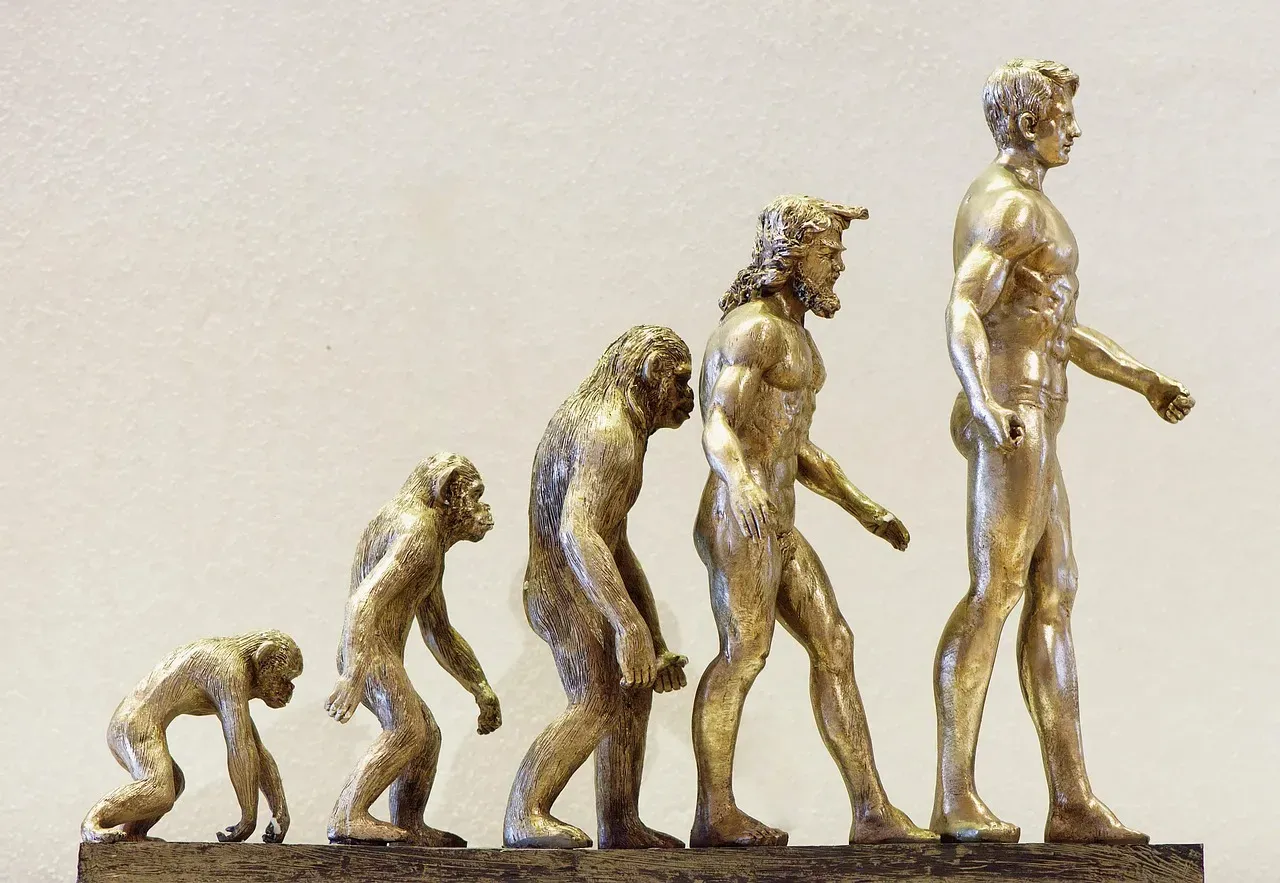
Behaviors that helped early humans solve the adaptive problems they faced in the Pleistocene savannas roughly two million to ten thousand years ago created mental mechanisms that provide a sort of automatic emotional or cognitive processing, helping our ancestors overcome the challenges of survival and reproduction. The striking thing is how little the basic architecture has changed since then, despite every technological and cultural shift in between.
The human body evolved over eons, slowly calibrating to the African savanna on which the vast majority of humankind lived and died. So, too, did the human brain. Our emotional responses are not random. They follow a logic. It’s just a logic that was written in an entirely different era, under entirely different pressures.
There’s something worth sitting with in all of this. The anxiety that keeps you awake before a difficult conversation, the disproportionate sting of criticism, the instinct to distrust the unfamiliar – none of these are signs of weakness. They’re signs of ancestry. Some of these inherited responses continue to be useful; others persist despite making little sense in contemporary society. Knowing the difference, and being honest about which is which, may be one of the more genuinely useful things psychology has to offer us right now.

- 6 Exotic Bird Species You Can Spot in U.S. National Parks - July 19, 2026
- 11 Iconic American Birds Facing New Challenges and How You Can Help - July 19, 2026
- 10 Friendliest Animals in the World - July 19, 2026