
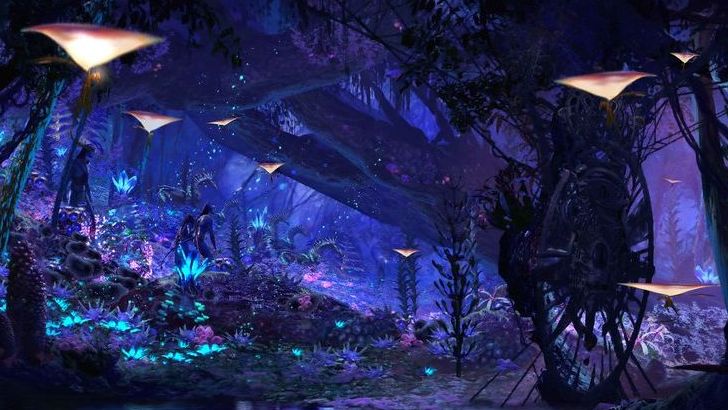
Have you ever watched Avatar and wondered if such incredible creatures could actually exist? The vibrant world of Pandora may seem like pure fantasy, but nature has a way of making the impossible seem mundane. From glowing forests to six-legged giants, our own planet hosts animals that would fit perfectly on James Cameron’s alien moon.
While we’ll never ride a mountain banshee or bond with a thanator, the creatures living right here on Earth share remarkable similarities with Pandora’s most iconic species. Some glow with their own light, others sport unusual numbers of limbs, and many possess abilities that seem almost supernatural. Let’s explore the real animals that could easily call Pandora home.
Fireflies: Nature’s Living Light Show
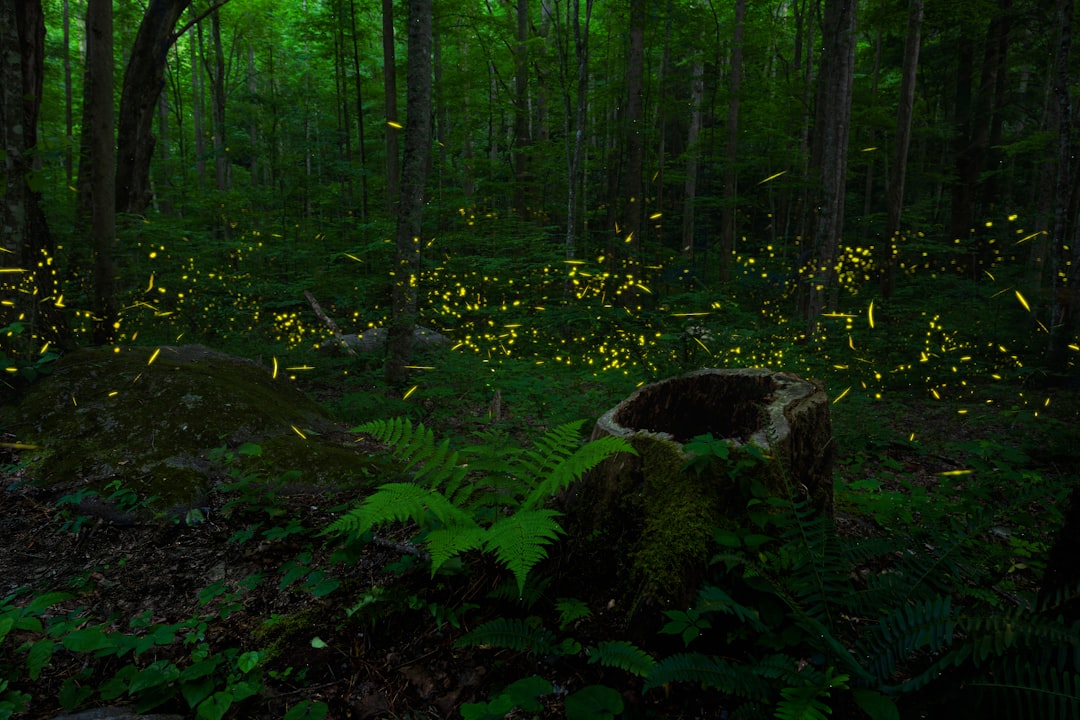
The most obvious Pandoran parallel exists in our own backyards with fireflies, those magical beetles that light up summer nights across the globe. These creatures use bioluminescence to attract mates and warn predators, creating displays that would feel perfectly at home on Pandora.
What makes fireflies truly remarkable is their efficiency in producing light through chemical reactions involving luciferase and luciferin molecules. This process wastes only about 2-4 percent of energy as heat, earning it the nickname “cold light.” Their ability to coordinate massive light displays across entire fields mirrors the synchronized bioluminescence we see throughout Pandora’s ecosystem.
Deep Sea Anglerfish: The Real-Life Thanator Lure
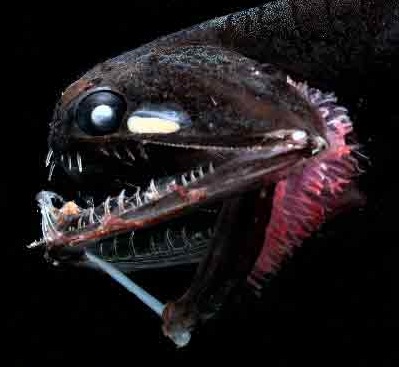
In the pitch-black depths of our oceans, female anglerfish hunt with a terrifying efficiency that would make even a thanator proud. The largest species can reach significant sizes, using a bioluminescent organ above their heads to both lure prey and attract mates.
Like monstrous aquatic versions of mythological will o’ the wisps, these deep-sea predators tempt their victims with glowing baubles dangling from rods in front of their mouths. Their predatory strategy of using light to deceive and capture prey directly parallels the hunting techniques employed by many of Pandora’s most fearsome creatures.
Clusterwink Snails: Glowing Shells of Defense
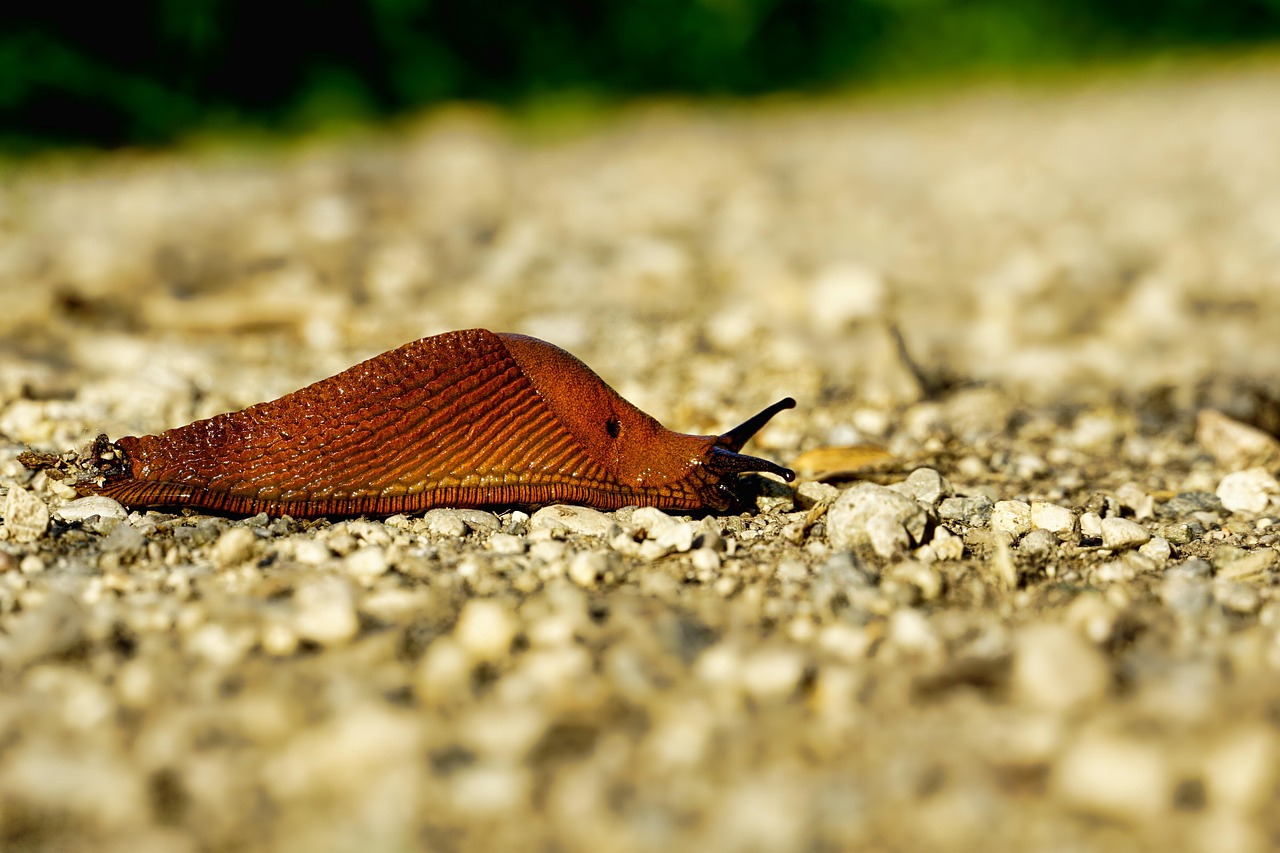
Living in the warm waters near Australia, clusterwink snails demonstrate another Pandoran trait when threatened. These inch-long creatures produce a bioluminescent glow that makes them appear like large, green lightbulbs, frightening away approaching predators.
Their defensive light strategy represents exactly the kind of adaptation we see throughout Pandora’s ecosystem. Rather than relying on camouflage or armor, these snails have evolved to use their own internal light as a warning system, much like many of the smaller creatures glimpsed in Avatar’s glowing forests.
Glow Worms: Cave Constellation Creators
In the caves of New Zealand and Australia, glow worms create scenes that could have been pulled directly from Pandora’s underground chambers. These fungus gnats spin silken threads that hang from cave ceilings, creating traps for unsuspecting prey while their bodies glow like stars.
The sight of these cave environments closely resembles the Tree of Souls and other sacred places on Pandora. Visitors often describe feeling like they’re gazing at an underground night sky, complete with twinkling constellations that pulse and shift with the movements of these remarkable creatures.
Hexapod Insects: Earth’s Six-Legged Army
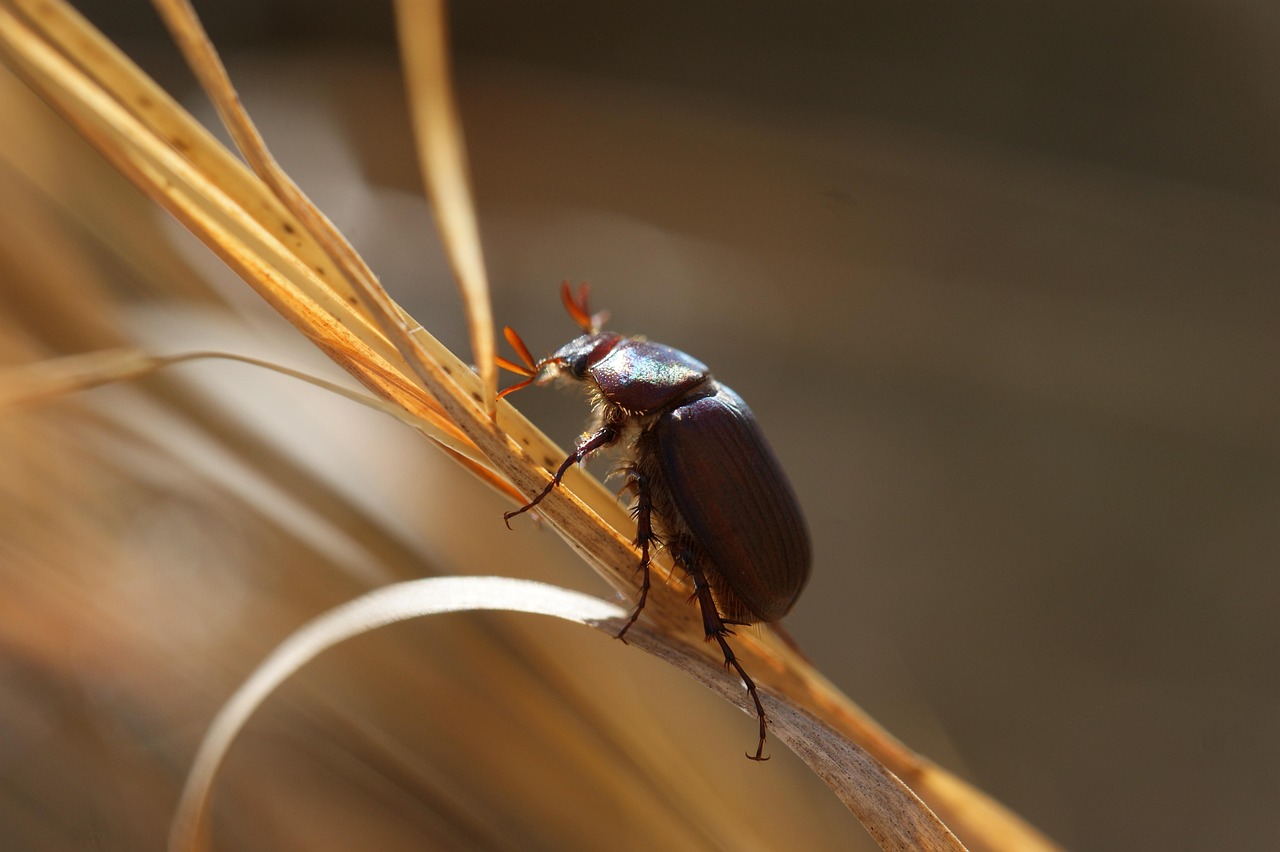
One of Pandora’s most distinctive features is that many animals sport six legs instead of four. While this might seem fantastical, most of Earth’s legged species actually walk on six limbs rather than four, including all insects and arthropods.
The dominance of hexapods on Pandora makes perfect biological sense when we consider that on Earth, the only creatures with six limbs are insects, and they happen to be among the most successful life forms on our planet. From massive beetles to tiny springtails, Earth’s hexapods demonstrate that six legs can provide superior stability and mobility advantages.
Bobtail Squid: Masters of Bioluminescent Camouflage
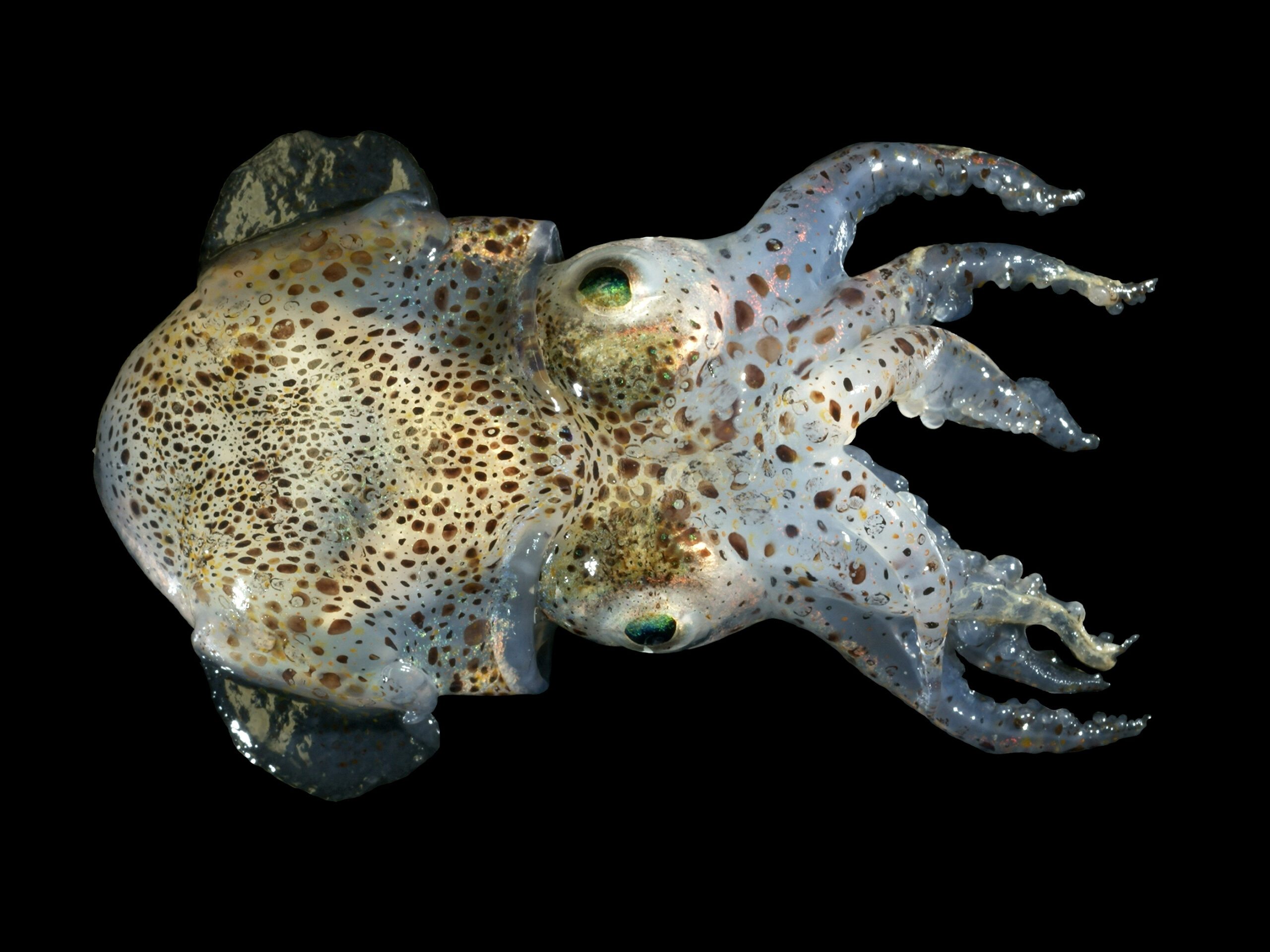
The adorably tiny bobtail squid possesses small cavities on its underside that house bioluminescent bacteria. When it emerges from sand at night, these openings expand and contract in response to moonlight, making the squid’s silhouette less visible to predators lurking below.
This sophisticated use of counterillumination represents the kind of evolutionary ingenuity we see throughout Pandora’s ecosystem. The squid’s ability to actively adjust its bioluminescence to match environmental conditions demonstrates a level of biological sophistication that would fit seamlessly into Avatar’s world.
Poison Dart Frogs: Living Jewels with Deadly Beauty
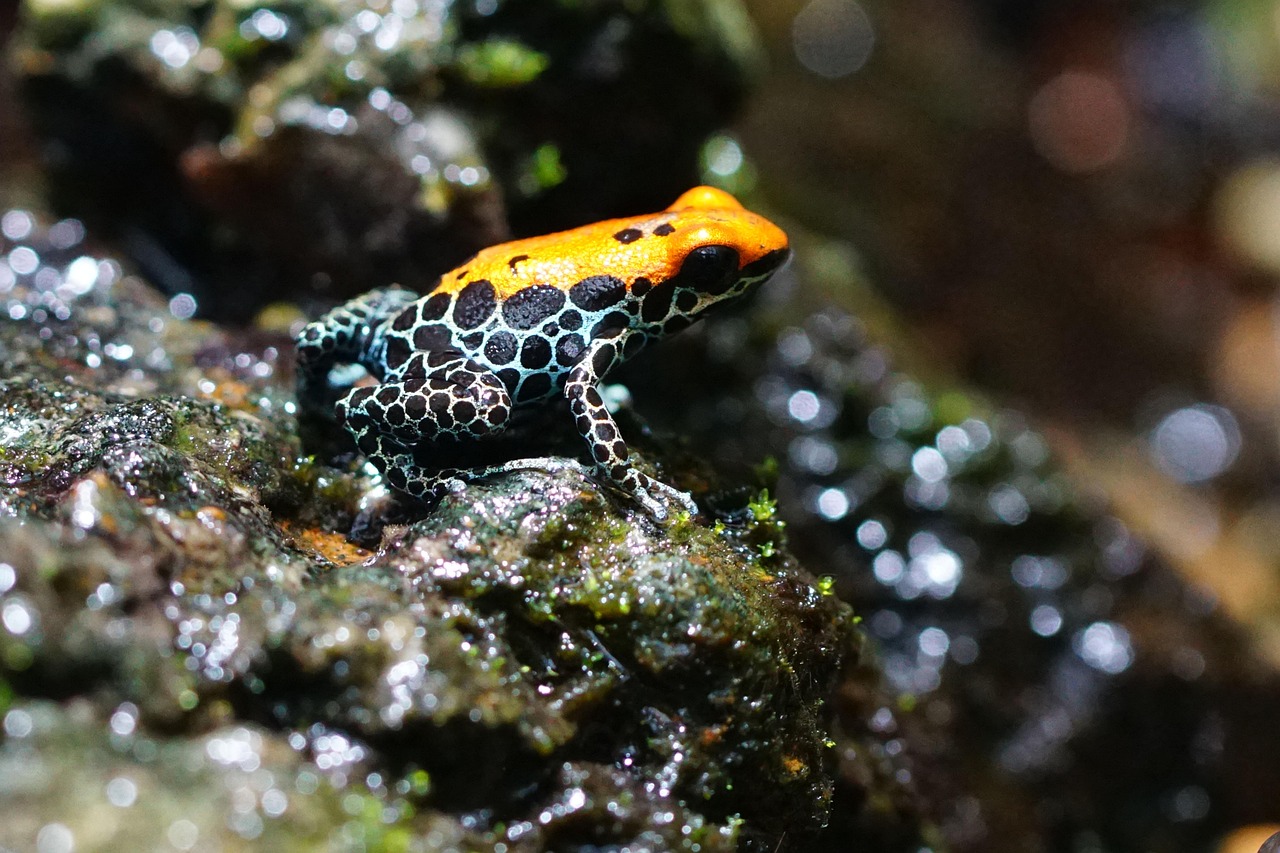
The vibrant skin patterns seen on Pandora’s banshees and great leonopteryx were directly inspired by poison dart frogs, monarch butterflies, and various bird species. Avatar’s designers warped these natural patterns so audiences wouldn’t immediately recognize their earthly origins.
These tiny amphibians showcase the same principle we see throughout Pandora: bright, beautiful coloration serving as a warning to potential predators. Their toxic skin secretions and stunning appearances create the perfect combination of beauty and danger that characterizes so many of Pandora’s most memorable creatures.
Millipedes of California: Glowing Ground Dwellers
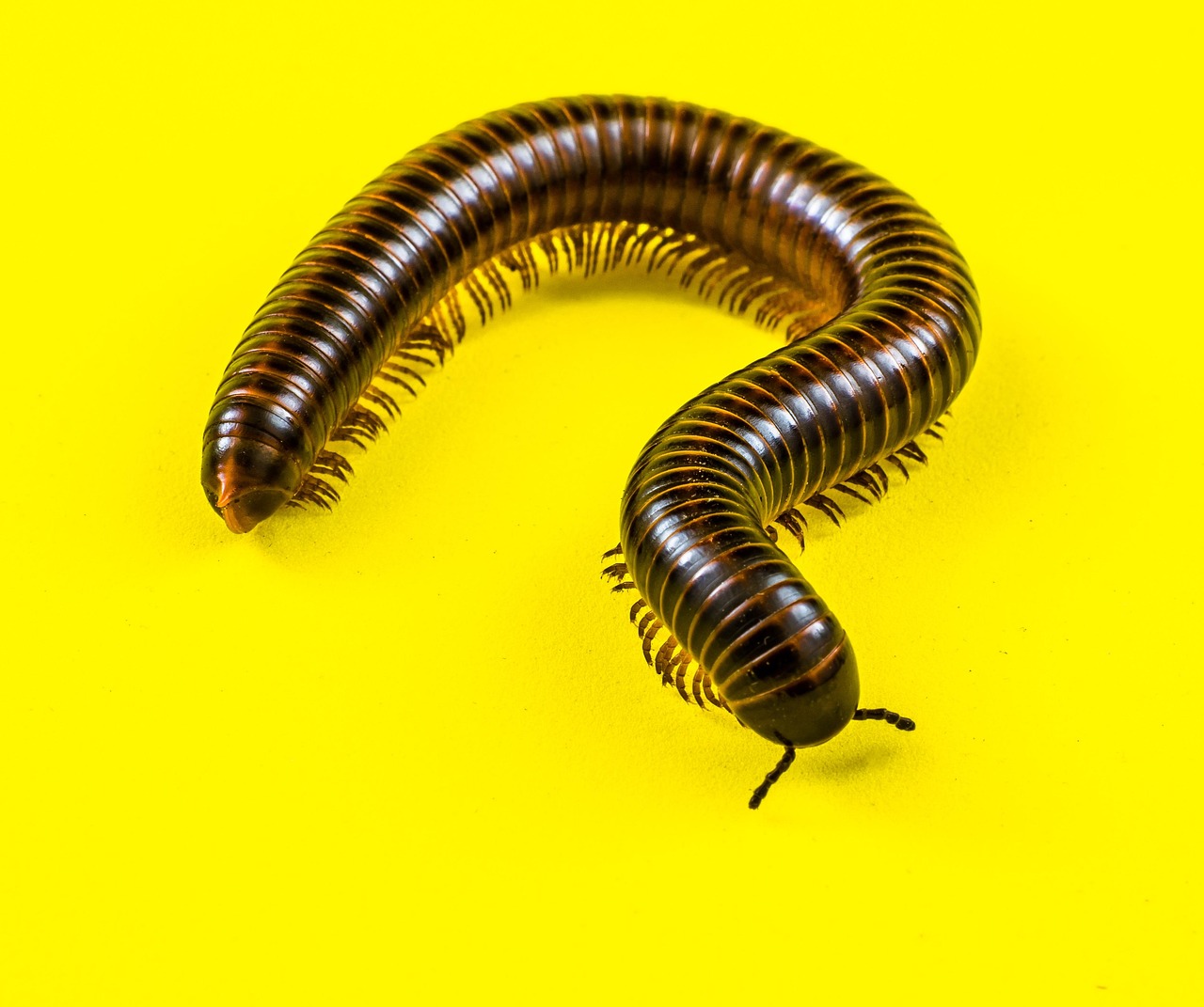
In the mountainous regions of California, a handful of millipede species belonging to the genus Motyxia spend their days burrowed underground but emerge at night to emit a constant glow from their exoskeletons. Their bioluminescence serves as a warning to predators about their ability to release toxic cyanide.
Researchers discovered the effectiveness of this warning system by placing fake painted millipedes alongside real glowing ones at night. The fake millipedes were attacked four times more often than their glowing counterparts, proving that bioluminescence truly serves as effective predator deterrence.
Vampire Squid: Masters of Bioluminescent Defense
Despite its ominous name, the vampire squid isn’t actually a vampire but gets its title from being roughly football-sized, reddish-black, and possessing webbed tentacles that resemble a cloak.
These creatures exemplify another defensive strategy seen on Pandora: ejecting glowing clouds to confuse predators and facilitate escape. Their ability to create sudden bursts of bioluminescent distraction mirrors the escape tactics employed by various creatures throughout Avatar’s ecosystem.
Glowing Fungi: The Forest Floor’s Night Lights
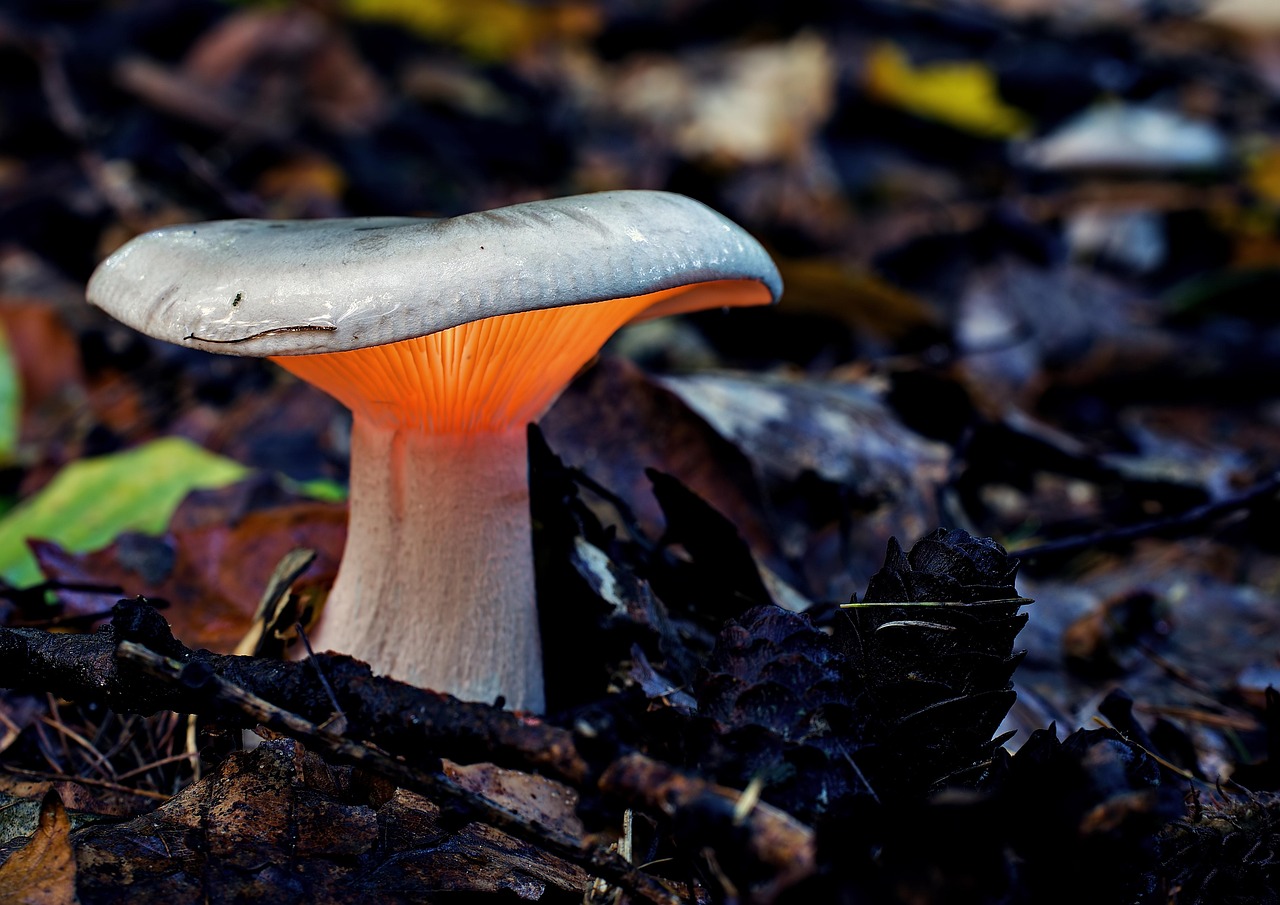
Perhaps surprisingly, there are no known light-producing plants on Earth, only bioluminescent fungi. Species like the bitter oyster can be found across Eurasia, Australia, and North America, creating forest floor displays that would feel at home on Pandora.
These glowing mushrooms and fungi represent another piece of the bioluminescent puzzle that makes Pandora’s ecosystem feel so alive and interconnected. Their ability to produce light through biological processes contributes to the magical atmosphere we associate with alien forests, yet they’re growing in woods near many of our homes.
Conclusion: Earth’s Hidden Pandora
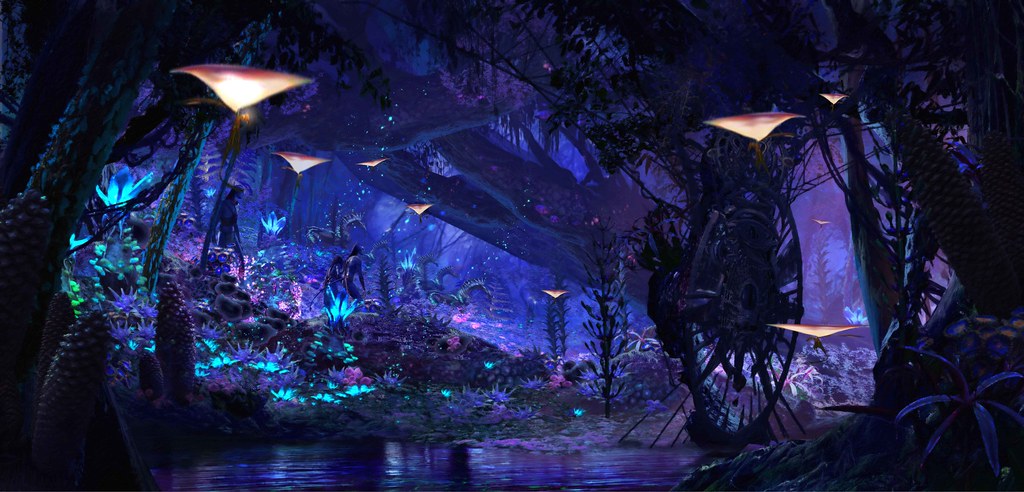
The magical world of Pandora isn’t as far away as we might think. From the bioluminescent depths of our oceans to the glowing caves beneath our feet, Earth hosts creatures that could easily inhabit James Cameron’s alien moon. The wonders of Avatar are all around us, we just have to know where to look.
The real point is that Pandora is Earth, and the fantastical creatures of Avatar can be found right here, in our forests and seas, on our coastlines and plains. Next time you watch Avatar, remember that the most incredible aspects of that alien world are already thriving right here on our own planet. What do you think about that? Have you spotted any of these real-life Pandoran creatures in your own backyard?

- Why Wolves Were Reintroduced to Yellowstone - July 15, 2026
- The Resurgence of America’s Wild Horses: A Symbol of Freedom and Hope - July 15, 2026
- 10 Cat Breeds That Tolerate Dogs Surprisingly Well - July 15, 2026