


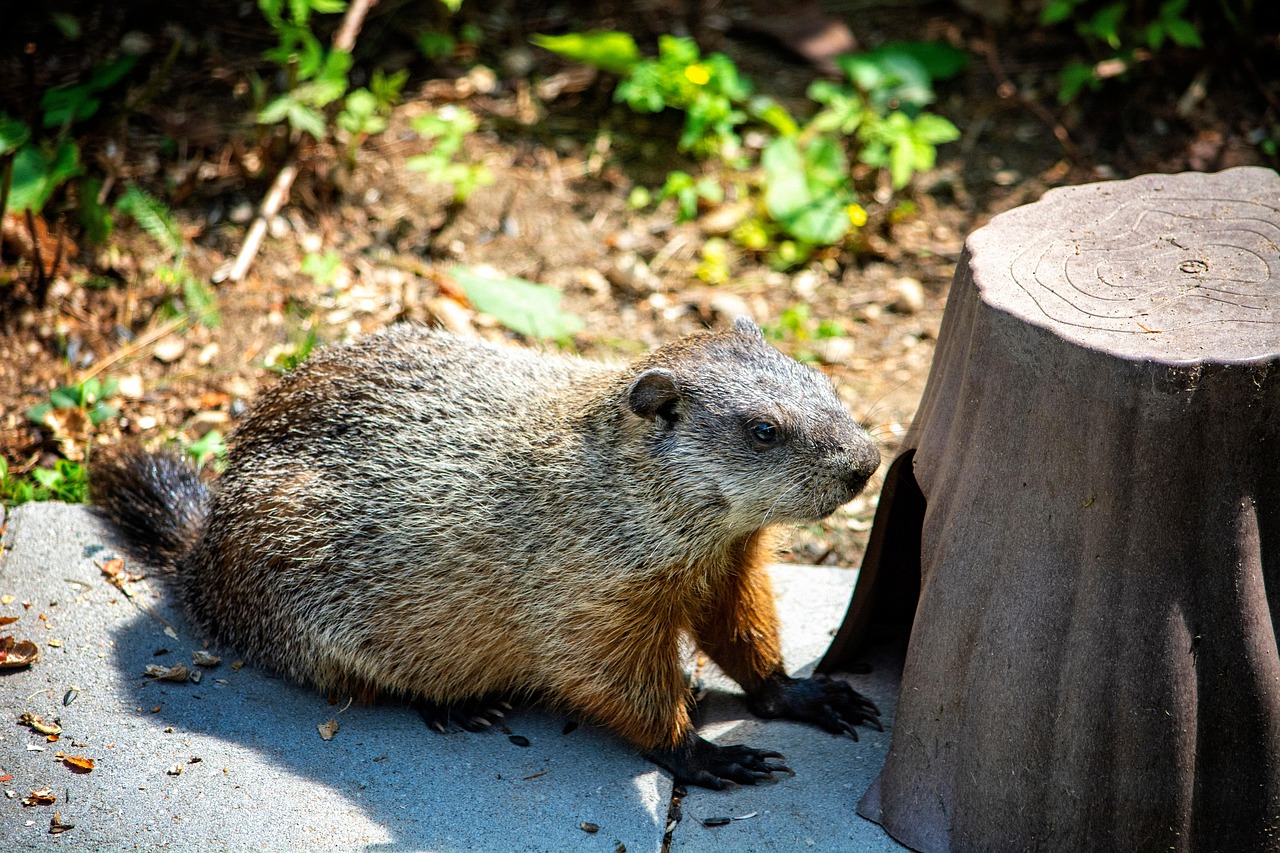
Whistle Pigs on High Alert (Image Credits: Pixabay)
February 2 brings Groundhog Day celebrations across North America, where a rodent’s glimpse of its shadow supposedly signals six more weeks of winter or an early spring.
Whistle Pigs on High Alert
Groundhogs carry colorful nicknames like woodchucks and whistle pigs. The whistling moniker arose from their sharp, piercing calls emitted at the first sign of predators. These rodents, classified as marmots, rely on such vocal warnings to protect their groups. Observers often hear the distinctive sound near fields and woodlands.
This behavior underscores their vigilance. Colonies benefit directly from the early alerts, allowing quick escapes into burrows. Such adaptations highlight why groundhogs thrive in diverse habitats.
Elaborate Burrows with Surprising Features
Expert diggers, groundhogs excavate extensive underground networks stretching up to 66 feet in length. These systems include multiple tunnels and chambers tailored for various needs. One standout element stands out: dedicated bathroom areas that promote hygiene within the colony.
Such complexity demands significant effort. A single burrow can span considerable ground, offering refuge from weather and threats. This architectural prowess enables groundhogs to maintain safe homes year-round.
True Hibernators’ Extreme Slumber
Winter prompts groundhogs to enter profound hibernation inside their burrows. Their heart rate drops dramatically from 80 beats per minute to just 5. Body temperature falls from 99°F to a chilling 37°F, hovering near freezing.
This physiological shift conserves energy through the coldest months. The deep sleep state represents a true hibernation, distinct from lighter winter dormancy in other animals. Groundhogs emerge revitalized come spring.
Climbing Skills and Voracious Appetites
Groundhogs occasionally scale trees to access fruits such as apples and pawpaws. This agility surprises those who view them solely as burrowers. Their tree-climbing ventures expand dietary options beyond ground-level plants.
Spring and summer fuel intense feeding frenzies. Individuals devour at least one pound of vegetation daily to amass fat reserves for hibernation. Continuously growing teeth endure the abrasive diet without issue.
Key Takeaways
- Groundhogs whistle sharply to warn of danger, earning their “whistle pig” name.
- Their burrows feature bathrooms amid complex tunnel systems up to 66 feet long.
- Hibernation slashes heart rates to 5 bpm and body temperatures near freezing.
These traits reveal groundhogs as resilient survivors far beyond their weather-predicting fame. As traditions like Groundhog Day endure, appreciating their biology adds depth to the festivities. For more details, explore Animal Fact Guide. What surprises you most about these rodents? Share in the comments.

- Urban Coyotes Show Remarkable Adaptability, Learning to Thrive in City Environments - July 22, 2026
- Beavers Are Nature’s Engineers, Creating Vital Habitats for Other Wildlife Species - July 21, 2026
- The Recovery of the California Condor Offers Hope for Other Critically Endangered Birds - July 21, 2026