


In the heart of California’s Los Padres National Forest, a tiny black bear cub’s cries echoed through the woods. Discovered alone and undernourished by campers on April 12, 2025, the cub’s mother was nowhere to be found. After wildlife officials’ attempts to reunite them failed, the cub was taken to the San Diego Humane Society’s Ramona Wildlife Center. There, a dedicated team embarked on a unique mission: to raise the cub without human imprinting, ensuring his successful return to the wild.
A Fragile Beginning
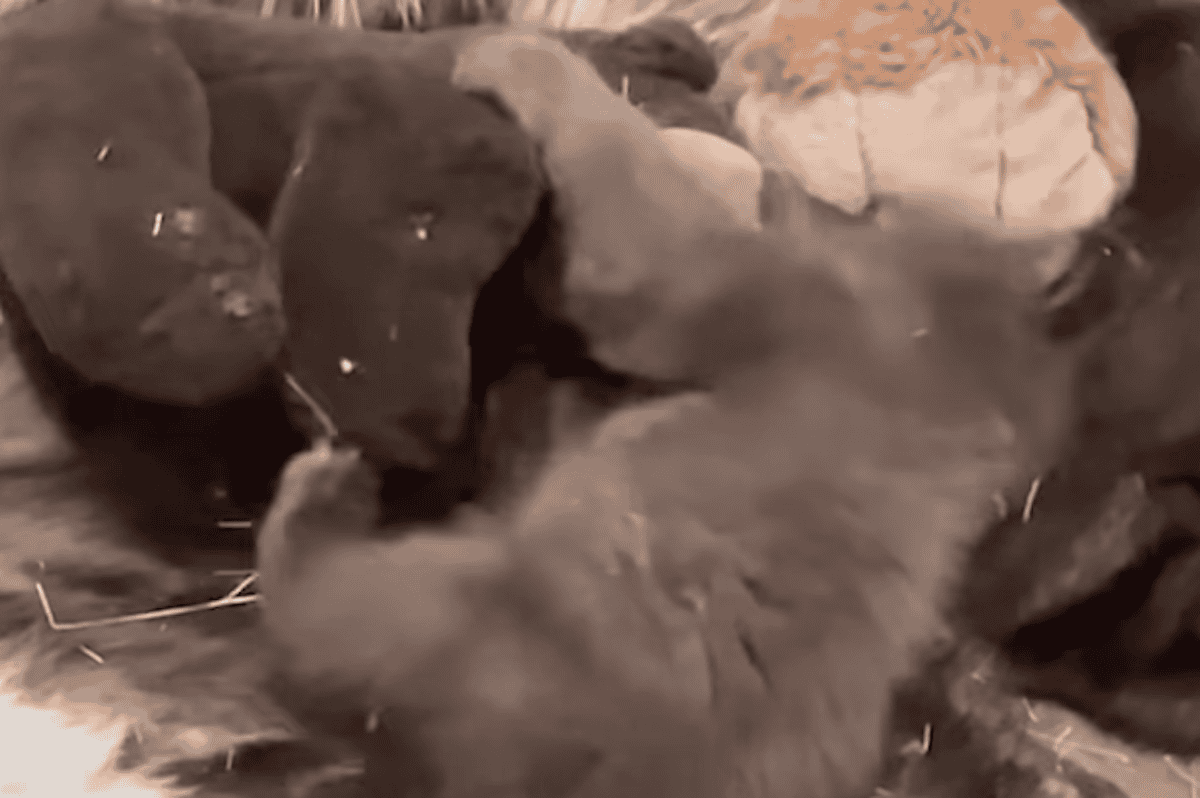
Weighing just three pounds and less than two months old, the cub arrived at the center in a precarious state. “He was extremely fragile,” noted Autumn Welch, the center’s wildlife operations manager. “After going several days without nutrition, it was touch-and-go at first.” Round-the-clock care, including specialized feeding and medical attention, was crucial in stabilizing his condition.
Becoming the Bear
To prevent the cub from associating humans with care and food, staff donned full-body bear costumes during interactions. These disguises, complete with bear masks and fur-covered gloves, were further enhanced with scents from black-bear-scented hay sourced from a local sanctuary. “We don’t want him touching our skin at all,” Welch explained. “He never sees us as humans.”
Creating a Wild Home

The center meticulously designed both indoor and outdoor habitats to mimic the cub’s natural environment. Climbing structures made from natural trees, leaf litter, and branches provided essential enrichment. A large stuffed bear served as a surrogate mother, offering comfort and companionship. “It’s his surrogate mama,” Welch said. “He would lay with her instead of laying out in the open and being exposed.”
Milestones and Growth
Over five weeks, the cub’s transformation was remarkable. He gained nearly 10 pounds, began climbing, foraging, and transitioned from formula to solid foods like fruits, insects, and willow leaves. Staff also hid acorns around his habitat to encourage natural foraging behaviors. “It’s pretty amazing how quickly he learns,” Welch observed. “You can see him processing it when he’s learning something new.”
Preparing for the Wild
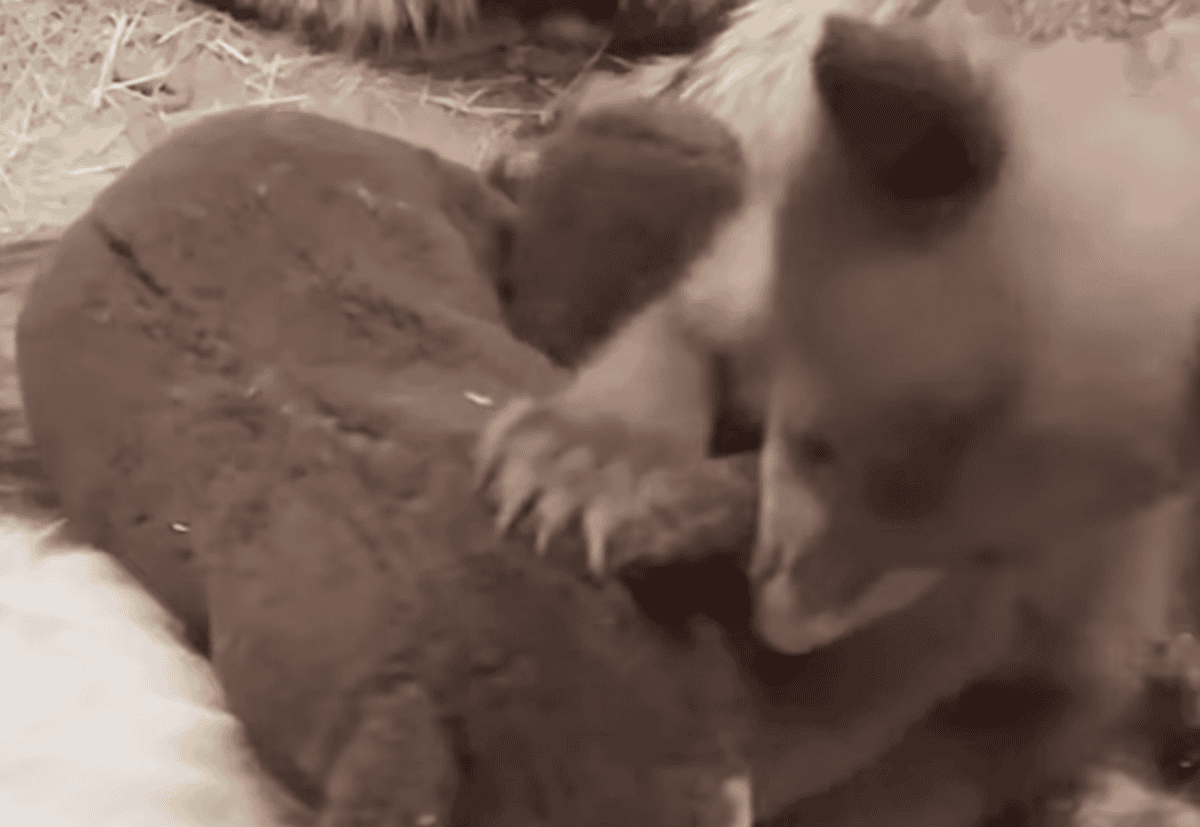
The ultimate goal is to release the cub back into the wild within a year. To facilitate this, plans are underway to pair him with another orphaned cub, fostering natural social behaviors. As he matures, staff will gradually reduce human interaction, reinforcing his wild instincts. “We’re dedicated to doing whatever we have to do to keep him wild,” Welch affirmed.
A Testament to Compassion

This cub’s journey from a vulnerable orphan to a thriving young bear underscores the profound impact of dedicated wildlife rehabilitation. The San Diego Humane Society’s innovative approach, blending science and empathy, offers a blueprint for future conservation efforts. As Welch aptly stated, “There is nothing like releasing a bear back to … . It’s an amazing feeling.”

adventuring, photography and videography. I am currently working towards a BSc in Biodiversity and Ecology at Stellenbosch University to go on to specialise in Marine Sciences one day.
Please send any feedback to Feedback@animalsaroundtheglobe.com
- Top 21 Must-see Birds For Bird Watchers In America - July 20, 2026
- Italy Mourns Hero Police Dog Killed by Food Laced with Nails - July 20, 2026
- Pigeon Turns into Fashionista and Wears Bread - July 19, 2026