

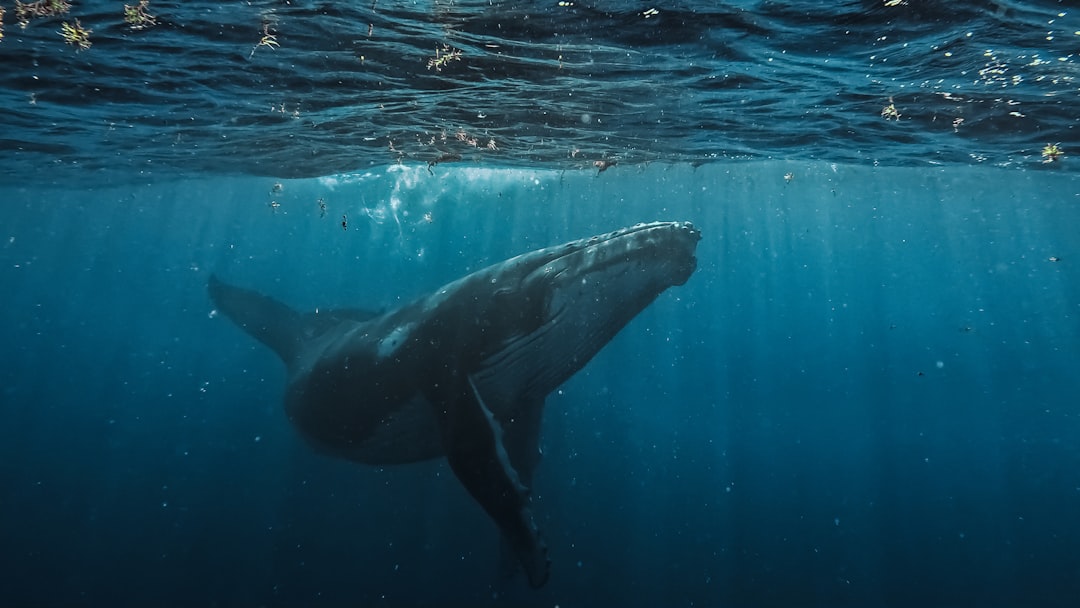
It doesn’t happen every day that a massive whale gets a second shot at life – especially not after washing up on one of Europe’s busiest coastlines. The story of a stranded whale off the German coast captured the attention of marine rescue teams, scientists, and thousands of onlookers who followed every anxious update.
What unfolded over those critical hours was a race against time, biology, and the unforgiving pull of tidal rhythms. There’s something deeply moving about watching humans mobilize en masse to save a single animal. Let’s dive in.
A Shocking Discovery on the German Shoreline
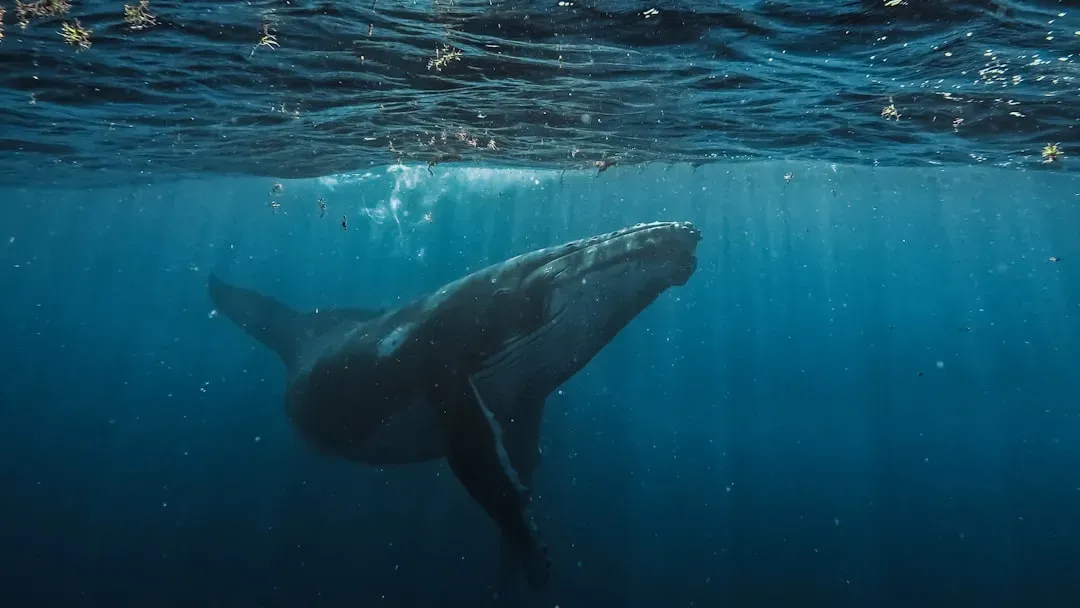
Imagine waking up and hearing that a full-sized whale is stranded just a short drive from your home. That’s exactly the reality that greeted coastal communities in northern Germany when the animal was found beached along the North Sea shore. It was an alarming sight – one of the ocean’s most powerful creatures rendered helpless on a stretch of sand.
Stranding events are not entirely uncommon in the North Sea region, but they never lose their urgency. The shallow, shifting waters of this part of the German coastline are notoriously difficult to navigate, even for species that have evolved over millions of years to handle the open ocean. Honestly, the sea can be ruthlessly unforgiving in ways that are hard to fully appreciate until you see something like this up close.
The Species and Its Struggle
The whale involved was identified as belonging to a species that occasionally ventures into North Sea waters, where the geography and depth are far from ideal for deep-diving marine mammals. These animals are built for vast, open expanses of ocean – not the relatively confined and shallow waters off the German coast. When one ends up there, the clock starts ticking almost immediately.
Stranded whales face a brutal list of physiological threats. Their own body weight becomes an enemy on land, compressing internal organs and restricting breathing in ways the animal simply wasn’t designed to handle. Dehydration, overheating, and sheer exhaustion compound the danger at every passing hour.
Rescue Teams Mobilize
Here’s the thing about large whale rescues – they are extraordinarily complicated. You can’t simply push a whale back into the water with a few volunteers and a prayer. Coordinating this kind of operation requires marine biologists, specialized rescue equipment, and a precise understanding of tidal windows that dictate when and how the animal can be safely refloated.
German marine rescue teams and wildlife experts arrived at the scene and began assessing the whale’s condition with a focus that felt almost surgical. Every decision mattered enormously. The tides were a central factor, as teams had to carefully time their efforts to coincide with rising water levels that would finally give the whale enough buoyancy to move freely.
The Emotional Weight of the Operation
Let’s be real – there’s something almost primal about watching humans come together to save a wild creature that has no way of understanding what’s happening. Crowds gathered along the shoreline, many of them visibly distressed, hoping and watching as experts worked through the night and into the following day. The emotional stakes were impossible to ignore.
Rescue efforts like this carry a kind of collective weight that transcends the individual animal. People from all walks of life find themselves suddenly, deeply invested. It’s hard to say for sure why whale strandings provoke such a powerful emotional response, but I think it has something to do with the sheer scale of the animal and the startling vulnerability it displays when out of its natural element.
The Critical Moment of Release
After hours of sustained effort – keeping the whale hydrated, monitored, and calm while waiting for favorable tidal conditions – the moment finally came. Rescue teams guided the animal back toward deeper water as the tide rose, using a combination of careful physical guidance and sheer collective determination. That particular moment, when a large marine animal finally moves under its own power again, is described by marine rescuers as one of the most rewarding experiences in conservation work.
The whale was observed swimming away from the shoreline and heading in the direction of open water. Officials monitored the animal’s movement for as long as visibility and conditions allowed. The relief among rescue teams and onlookers was palpable – weeks of anxiety compressed into a single extraordinary moment of release.
What Events Like This Reveal About North Sea Ecology
The North Sea is not exactly whale territory in the traditional sense. Its relatively shallow depth and heavy maritime traffic make it a zone of risk for large cetaceans that stray in from the North Atlantic. Experts have long pointed out that climate-related shifts in prey distribution may be drawing marine mammals into unfamiliar coastal zones more frequently than before.
This single stranding event, then, isn’t just a dramatic wildlife story. It’s a window into the broader pressures facing large marine animals in a changing ocean environment. The fact that rescues like this are becoming more familiar, rather than less, is something that should probably give us all pause.
Conservation Lessons and the Bigger Picture
Every whale rescue carries lessons for the future. The coordination required, the knowledge applied, and the resources mobilized all feed back into improved protocols and better-prepared teams for the next event. Germany’s marine rescue community demonstrated a level of preparedness and commitment that reflects years of hard-won experience along this unpredictable coastline.
Still, the real takeaway here isn’t just logistical. It’s about perspective. A whale stranding forces a momentary reckoning with how rarely we think about the pressures facing ocean wildlife – and how quickly that indifference dissolves when a living, breathing giant appears on our shore. This whale made it back. Not all of them do.
What do you think – should more resources be directed toward permanent North Sea whale monitoring programs? Drop your thoughts in the comments.

- Urban Coyotes Show Remarkable Adaptability, Learning to Thrive in City Environments - July 22, 2026
- Beavers Are Nature’s Engineers, Creating Vital Habitats for Other Wildlife Species - July 21, 2026
- The Recovery of the California Condor Offers Hope for Other Critically Endangered Birds - July 21, 2026