

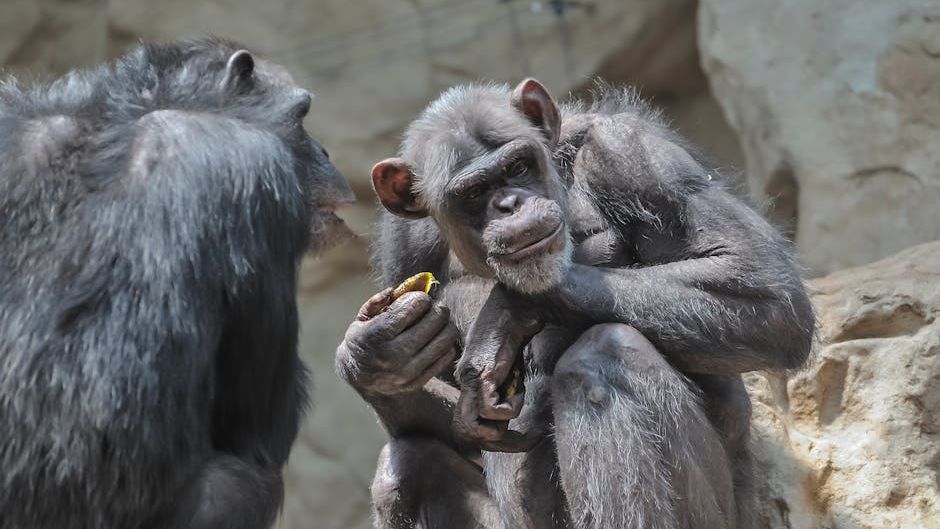
Bonobos have long enjoyed a kind of celebrity status in the animal kingdom. They’re the species that supposedly resolved conflict through sex instead of violence, the gentle cousins of the brutish chimpanzee. It’s a narrative that made its way into popular science books, documentaries, and countless dinner party conversations.
Here’s the thing though – that tidy story might be falling apart. New research is challenging some deeply held assumptions about what actually separates these two great ape species, and the results are surprisingly thought-provoking. Let’s dive in.
The Reputation Gap That Shaped Decades of Research
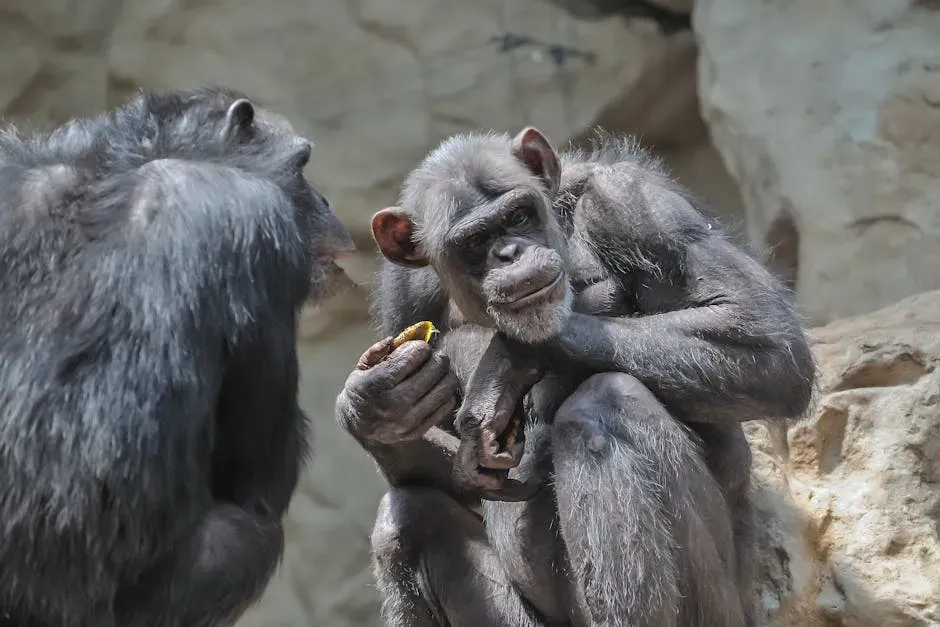
For years, bonobos were painted as the peacekeepers of the primate world. Chimpanzees, on the other hand, carried the reputation of being aggressive, territorial, and at times shockingly violent. This contrast became one of the most popular talking points in evolutionary biology and even filtered into debates about human nature itself.
The problem is that much of this reputation was built on limited field observations. Bonobos are notoriously difficult to study in the wild, living in dense rainforests in the Democratic Republic of Congo. Honestly, when your data set is thin, it’s easy for a compelling narrative to fill the gaps.
What the New Research Actually Found
Scientists conducting comparative behavioral studies have found that bonobos and chimpanzees display remarkably similar levels of aggression in real-world contexts. The idea that bonobos are fundamentally less violent turns out to be, at best, an oversimplification. At worst, it may be a flat-out myth propped up by selective observation.
Researchers observed that male bonobos engage in coalitionary aggression, which is a behavior long considered a defining chimp trait. Both species show patterns of physical confrontation, intimidation, and competition that look far more alike than their contrasting reputations would suggest. It’s a bit like finding out the “calm” sibling at the family reunion is actually just better at hiding their temper.
The Role of Social Structure in Shaping Behavior
One key difference between the two species is social organization. Bonobo societies are often described as female-dominated, while chimpanzee groups tend to be male-dominated. This structural distinction has long been used to explain the supposed aggression gap. Female-led coalitions, the argument went, keep conflict in check.
What’s interesting is that even within these differing social frameworks, the actual rates of aggressive behavior observed in recent studies don’t diverge as dramatically as expected. Social structure matters, no question. But it doesn’t appear to be the total explanation it was once thought to be.
Why the Peacekeeper Myth Persisted for So Long
Let’s be real – the bonobo peace narrative was simply too good a story to fact-check rigorously. It offered a counterpoint to what many saw as a depressing view of primate nature. If bonobos could thrive through cooperation and affiliation, maybe humans could too. That emotional appeal gave the myth incredible staying power.
There’s also a genuine observational bias at play. Researchers in the field naturally spend more time documenting unusual or dramatic events, and peaceful interactions are easy to overlook. When you combine limited bonobo field data with a culturally appealing narrative, you get a reputation that outpaces the actual evidence by a considerable margin.
Similarities That Go Deeper Than Aggression
The new research doesn’t just reveal behavioral overlaps in aggression. It suggests that both species share a wide range of social strategies, including forming alliances, engaging in reconciliation behaviors, and using social bonds to navigate competitive environments. These are deeply complex social skills that both chimps and bonobos deploy in strikingly parallel ways.
This makes a kind of evolutionary sense. Both species share a common ancestor and diverged relatively recently in evolutionary terms. Expecting dramatic behavioral divergence in just a few hundred thousand years may always have been wishful thinking. The similarities might actually tell us more about shared primate heritage than the differences ever did.
What This Means for Understanding Human Evolution
Humans are equally related to both chimpanzees and bonobos, which is why scientists often use both species as reference points for understanding our own behavioral evolution. If bonobos aren’t the pacifists they were thought to be, the implications for how we interpret human aggression and cooperation become considerably more complex.
It forces a more honest reckoning with our evolutionary past. Rather than cherry-picking the bonobo model when we want to argue for human peacefulness or the chimp model when explaining conflict, researchers may need to accept a messier, more nuanced picture. I think that’s actually a healthier scientific position, even if it’s less satisfying as a sound bite.
Rethinking What We Thought We Knew About Great Apes
This research is a useful reminder that science is an ongoing process, not a collection of settled facts. The bonobo story became so embedded in popular culture that questioning it almost felt contrarian. Yet the evidence, when gathered more rigorously and over longer periods, tells a different tale.
What changes now is the framing. Instead of viewing bonobos and chimpanzees as opposite ends of a behavioral spectrum, researchers are increasingly treating them as variations on a common theme. Both species are complex, socially sophisticated, occasionally aggressive, and capable of real cooperation. That’s a far more interesting picture than a simple good ape versus bad ape dichotomy.
Conclusion: Complexity Is Closer to the Truth
The bonobo myth didn’t emerge from bad science exactly – it emerged from incomplete science, combined with a very human desire for a flattering story about primate nature. Now that more rigorous comparative work is being done, the picture is getting richer and honestly a lot more interesting.
Both bonobos and chimpanzees are extraordinary animals, and reducing either of them to a caricature does a disservice to the research and to the animals themselves. The takeaway here isn’t that bonobos are secretly aggressive monsters. It’s that nature resists neat labels, and the more closely we look, the more we find that complexity wins every time. What assumptions about the animal world have you been carrying around that might deserve a second look?

- Urban Coyotes Show Remarkable Adaptability, Learning to Thrive in City Environments - July 22, 2026
- Beavers Are Nature’s Engineers, Creating Vital Habitats for Other Wildlife Species - July 21, 2026
- The Recovery of the California Condor Offers Hope for Other Critically Endangered Birds - July 21, 2026