

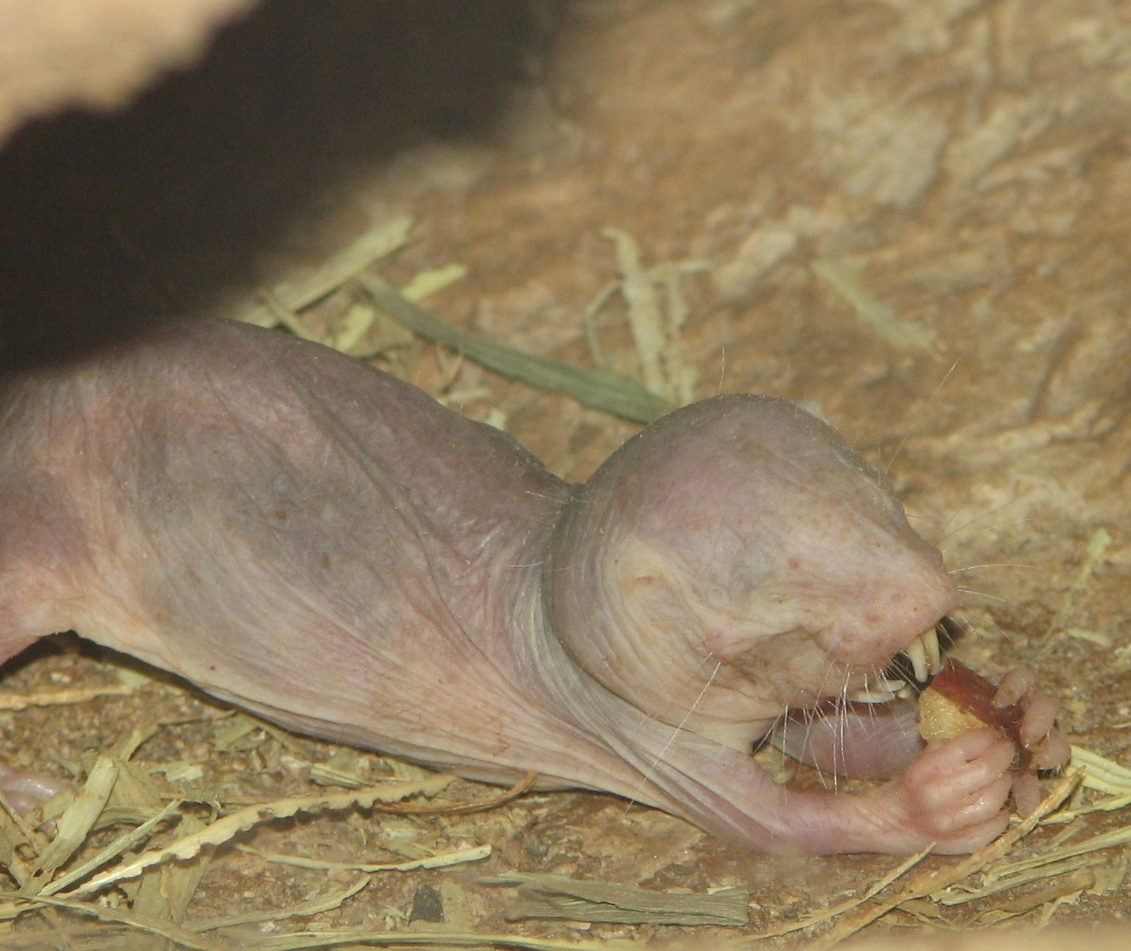
Researchers at the Salk Institute documented a rare glimpse into the social dynamics of naked mole-rat colonies. Over six years of observation, they witnessed an established queen peacefully relinquish her reproductive dominance when environmental stresses impaired her fertility. This discovery upends decades-old assumptions about these eusocial rodents, revealing a layer of cooperation that ensures colony survival.[1]
Challenging Long-Held Beliefs on Queen Wars
Scientists long viewed naked mole-rat societies as rigid hierarchies marked by brutal conflicts. Succession to queenship typically involved fierce battles among females, with victors claiming sole reproductive rights. Yet recent lab observations showed a different reality under duress.
The colony maintained stability as a subordinate female gradually assumed the queen’s role. Overlapping pregnancies between the original queen and her successor supported continuous pup production. This cooperative shift prevented the chaos associated with traditional takeovers.[1]
The Lab Experiment That Uncovered Resilience
A healthy colony formed with a single reproducing queen during the first year. Researchers then introduced controlled stressors to mimic real-world challenges. Increased population density first compromised pup survival, though the queen retained her position.
Colony relocation followed, fully halting the queen’s litters. Within the next year, a subordinate female stepped up peacefully. The original queen cooperated, eventually transitioning to a non-reproductive worker. A second subordinate later took over, preserving the colony’s productivity.[1]
Traits That Define These Underground Survivors
Naked mole-rats thrive in harsh underground environments across sub-Saharan Africa. Their eusocial structure divides labor strictly: one queen breeds, while others dig tunnels, forage, and raise young. These rodents boast extraordinary longevity, often exceeding 30 years.
They resist cancer and other age-related ailments. Lack of inflammatory pain aids their tunnel-dwelling life. Such adaptations underscore their evolutionary success in stable, resource-scarce habitats.[1]
- Nearly hairless bodies suited to humid burrows
- Colonies of up to 300 individuals
- Division of labor mirroring insect societies
- High resistance to hypoxia in low-oxygen tunnels
- Cooperative pup care by non-breeders
- Minimal territorial aggression in labs
Insights from the Research Team
Janelle Ayres, senior author and Salk professor, emphasized resilience as key to health. “Resilience is the ability of biological systems to recover or return to their normal state after stress,” she stated. Her lab shifted focus from conflict to cooperation in complex systems.
Co-first author Shanes Abeywardena noted prior knowledge of single-queen reproduction and violent wars. “We wanted to see if multiple queens could peacefully exist,” he said. Alexandria Schraibman added that earlier models missed this flexibility, opening new research avenues.[1]
| Traditional View | New Observations |
|---|---|
| Violent queen wars for succession | Gradual, cooperative handover |
| Rigid single reproducer | Overlapping pregnancies during transition |
| High risk of injury and disruption | Maintained colony productivity |
Broader Lessons from Mole-Rat Societies
This study appeared in Science Advances (DOI: 10.1126/sciadv.aef4157). It illustrates how stress triggers adaptive flexibility in eusocial mammals. Cooperation proved more vital than dominance for recovery.
Findings extend beyond rodents to principles of biological resilience. They inform studies on health, disease, and social organization. Wild colonies in stable environments may still favor aggression, but lab evidence shows untapped potential.
Key Takeaways
- Peaceful succession occurs when queen fertility fails due to stress.
- Cooperation includes shared pregnancies to sustain growth.
- Reveals hidden flexibility in eusocial structures.
Naked mole-rats continue to surprise with their survival strategies, blending rigidity and adaptability. This peaceful power transfer highlights nature’s ingenious solutions to crisis. What do you think about these cooperative rodents? Tell us in the comments.

- Urban Coyotes Show Remarkable Adaptability, Learning to Thrive in City Environments - July 22, 2026
- Beavers Are Nature’s Engineers, Creating Vital Habitats for Other Wildlife Species - July 21, 2026
- The Recovery of the California Condor Offers Hope for Other Critically Endangered Birds - July 21, 2026