

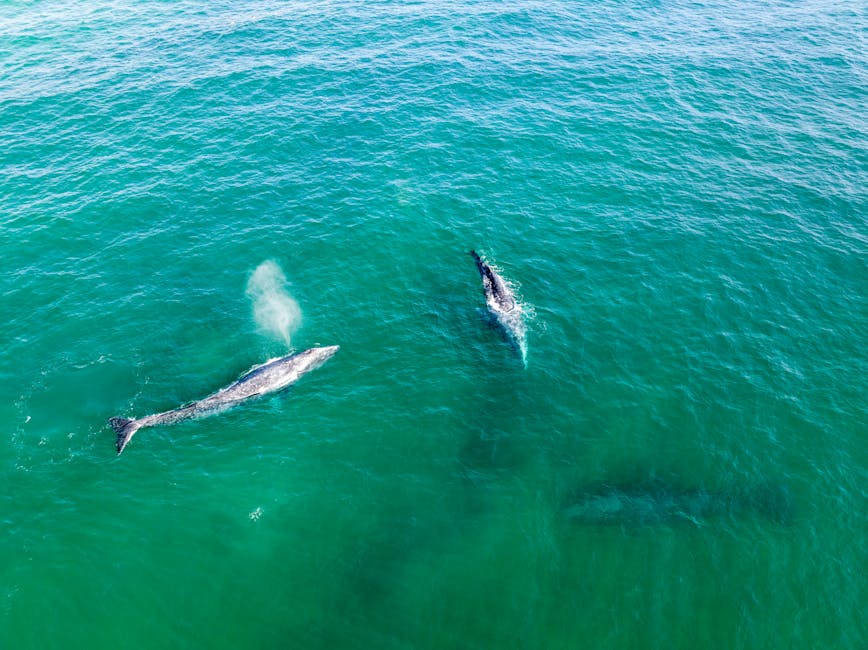
San Francisco Bay – Gray whales, undertaking one of the world’s longest migrations, have increasingly ventured into this bustling waterway in recent years. Climate-driven disruptions in their Arctic feeding grounds pushed the massive mammals to seek alternative food sources closer to shore. Researchers documented a troubling pattern: nearly one in five of these whales perished after entering the bay, often due to collisions with vessels.[1][2]
Unusual Detours Mark a Shifting Migration
Gray whales traditionally traveled more than 19,000 kilometers round trip each year, from summer feeding areas near Alaska to breeding lagoons in Baja California, Mexico. They fasted during this journey, relying on blubber reserves accumulated in the Arctic. However, since 2018, sightings in San Francisco Bay surged, with researchers identifying 114 unique individuals through photo surveys up to 2025.[1]
Peaks occurred in 2019 and 2025, when dozens entered the bay during their northward migration. Only four whales returned in subsequent years, hinting at high turnover. Most lacked ties to established foraging subgroups along the Pacific Coast, suggesting these visitors represented a new behavioral adaptation to scarce resources.[2]
A Staggering Death Toll Emerges
Between 2018 and 2025, 70 gray whale carcasses washed up in the region surrounding San Francisco Bay. Necropsies revealed blunt force trauma consistent with vessel strikes in 30 cases. Among the photo-identified live whales, 21 matched to these dead animals, yielding a minimum mortality rate of 18 percent.[1]
Recent events amplified concerns. At least six whales died in the bay from mid-March to early April 2026 alone. The previous year saw 21 strandings in the Bay Area, the highest in 25 years. Experts noted that the true fatality figure likely exceeded documented cases, as many carcasses sank or decomposed before recovery.[3]
Vessel Traffic Poses Deadly Hazard
The Golden Gate Strait funnels both whales and ships into a narrow chokepoint, where fog often reduces visibility. Ferries, cargo vessels, fishing boats, and recreational craft ply the waters at high speeds. Gray whales, surfacing low to the water, proved hard to spot amid these conditions.
“Gray whales have a low profile to the water when they surface, and this makes them difficult to see in conditions like fog which are common to San Francisco Bay,” said lead researcher Josephine Slaathaug of Sonoma State University.[2] At least 40 percent of examined deaths involved ship strikes, with injuries observed even on surviving whales.
- Heavy port activity at Oakland and other terminals increased collision risks.
- Strong tidal currents up to 3.4 knots swept carcasses out to sea, complicating recovery.
- Recreational users, including windsurfers, contributed to incidents in shallower areas.
- Extended stays by some whales, up to 75 days, heightened exposure to traffic.
- Juveniles and subadults appeared especially vulnerable in the data.
Climate Change Drives Desperate Foraging
Warming Arctic waters and reduced sea ice diminished the lipid-rich amphipods that sustain gray whales. Ocean heatwaves since 2016 triggered unusual mortality events, slashing the eastern North Pacific population by more than half. Poor body condition forced survivors to forage opportunistically en route, targeting bay prey like anchovies.
Whales arrived emaciated, lingering longer than typical migrants. This shift overlapped with human activity in urban estuaries. “The climate crisis is driving starving gray whales into busy San Francisco Bay, where they are hit and killed by vessels,” researchers concluded in the study published April 12, 2026.[1]
Pathways to Protection Take Shape
Scientists urged adaptive strategies to safeguard the whales. Seasonal speed limits below 10 knots showed promise in other areas. Route adjustments for ferries and enhanced boater education could reduce strikes significantly.
Bekah Lane of the Center for Coastal Studies emphasized monitoring: “Continued monitoring will help illuminate their distribution patterns and behaviors while within the Bay, which can impact risk.”[2] Expanded necropsy resources and photo-matching efforts would refine mortality estimates. Community reports proved vital in building the whale catalog.
Key Takeaways
- 18 percent minimum mortality for bay visitors underscores urgent threats.
- Vessel strikes account for over 40 percent of confirmed deaths.
- Climate impacts demand flexible conservation in human-whale hotspots.
As gray whales adapt to a warming world, San Francisco Bay exemplifies the growing clashes between wildlife and coastal development. Stronger protections could prevent this urban inlet from becoming a persistent graveyard. What steps should authorities take next? Share your thoughts in the comments.

- Urban Coyotes Show Remarkable Adaptability, Learning to Thrive in City Environments - July 22, 2026
- Beavers Are Nature’s Engineers, Creating Vital Habitats for Other Wildlife Species - July 21, 2026
- The Recovery of the California Condor Offers Hope for Other Critically Endangered Birds - July 21, 2026