


Have you ever wondered what lurks beneath your feet? Imagine entire worlds hidden from sunlight, alive with creatures so strange and secretive that most people will never even know they exist. These underground dwellers are masters of darkness, turning soil, rock, and mystery into their own personal kingdoms. Some are blind, some are armored, and others are just plain odd. But each one is a stunning example of nature’s ability to adapt, survive, and even flourish in places where most of us would panic. Get ready to be amazed, a little creeped out, and totally inspired by these 20 extraordinary animals of the underground.
20. Naked Mole Rat

Naked mole rats look like wrinkled pink hot dogs, but their bizarre appearance hides a life filled with superpowers. Living in complex tunnels beneath the East African savannas, these little mammals are nearly immune to cancer and can survive without oxygen for up to eighteen minutes. Their social structure is more like that of bees than rats, with a single breeding queen and dozens of dedicated workers. They’re almost entirely hairless, which helps them wriggle through tight passageways. With tiny eyes and poor vision, they rely on their sensitive whiskers and sharp teeth to navigate the darkness. Astonishingly, naked mole rats can live for more than 30 years—an eternity for a rodent.
19. European Mole

European moles are the ultimate digging machines. Their paddle-like forelimbs are built for shoveling dirt, making it possible for them to tunnel through soil at lightning speed. These creatures spend almost all their lives underground, rarely coming to the surface. Despite their blindness, moles have an incredible sense of touch and smell, allowing them to hunt earthworms and insects in pitch-black tunnels. Their velvety fur is uniquely designed to glide forward or backward through tight spaces. Some gardeners curse them for ruining lawns, but these industrious animals play a key role in aerating soil and controlling pests.
18. Giant Burrowing Cockroach

Australia’s giant burrowing cockroach is the heavyweight champion of cockroaches, sometimes tipping the scales at over 30 grams. Unlike their kitchen-invading cousins, these cockroaches are clean, gentle, and live underground—sometimes as deep as a meter below the surface. They are nature’s recyclers, breaking down leaf litter and enriching the soil. Astonishingly, they can live up to ten years, making them some of the longest-living cockroaches on Earth. Their burrows become cozy nurseries, where mothers care for their young until they’re ready to venture out. These cockroaches prove that even the most misunderstood creatures have their own special role.
17. Olm

The olm, or “human fish,” glides through the underground rivers of the Balkans, almost like a ghost. Blind and pale, this amphibian has spent millions of years adapting to total darkness. Its skin is translucent, its senses are razor-sharp, and it can go entire decades without food. Olms are famous for their slow-motion lifestyle—some individuals live for over a century. Instead of eyes, they rely on an advanced sense of smell and vibration to find prey. These mysterious creatures are symbols of the deep caves they inhabit, unseen by most but thriving in the cold, silent waters.
16. Trapdoor Spider

Trapdoor spiders are the ambush artists of the underground. They dig vertical burrows with a silk-hinged “door” at the top, perfectly camouflaged to fool unsuspecting prey. When an insect wanders by, the spider bursts out with lightning speed. Their strong fangs and stealthy tactics make them formidable hunters. Trapdoor spiders can live for more than 20 years, rarely leaving their burrows except to mate. The patience and precision of their hunting style have fascinated scientists and inspired legends about hidden monsters in the earth. Next time you walk through a meadow, remember—there could be a silent hunter just below your feet.
15. Star-Nosed Mole

The star-nosed mole looks like something from another planet, with 22 pink, fleshy tentacles surrounding its nose. These are not just for show—they’re sensory organs packed with over 25,000 touch receptors. Living in the wetlands and muddy soils of North America, star-nosed moles use their super-powered noses to hunt for insects and worms. They’re astonishingly fast, identifying and eating prey in as little as 120 milliseconds. Their tunnels can even extend underwater, making them expert swimmers as well as diggers. It’s proof that sometimes, the weirdest designs are also the most effective.
14. Antlion Larva

In the world of underground predators, antlion larvae are engineers of doom. Nicknamed “doodlebugs,” these tiny terrors dig funnel-shaped pits in sandy soil. When an ant or other insect stumbles in, the larva flicks sand to prevent escape, then drags it below for a grisly meal. The strategy is simple but brutally effective. Antlion larvae spend most of their lives underground, only emerging as delicate, dragonfly-like adults. Their patience and cunning make them some of nature’s most effective trappers, inspiring awe and a little fear in anyone who learns their secrets.
13. Earthworm

Earthworms are the unsung heroes of the underground world. With no eyes or ears, they navigate by touch and taste, tirelessly tunneling through soil. Each movement helps aerate the ground, allowing roots to grow and rainwater to seep in. Earthworms eat decaying leaves and organic matter, turning waste into rich, fertile soil. Their castings are prized by gardeners and farmers alike. Despite their humble appearance, earthworms are vital to ecosystems everywhere. If you’ve ever wondered why a garden thrives, you probably have earthworms to thank.
12. Mole Cricket

Mole crickets are the bulldozers of the insect world. With stout, spade-like front legs, they plow through soil, creating intricate tunnels. These insects are nocturnal, only venturing above ground at night. They feed on roots and organic matter, sometimes causing problems for crops and lawns. But their digging also helps aerate the earth and control soil pests. Mole crickets are known for their loud, trilling calls, which males use to attract mates from hidden burrows. Their unusual combination of strength and song makes them unforgettable members of the underground community.
11. Weta

Wetas are giant, armored insects from New Zealand, some as heavy as a small bird. They spend their days hidden in burrows, emerging at night to feed. With powerful jaws and spiny legs, wetas can defend themselves against predators. Some species, like the tusked weta, even use their mandibles in battles for territory. These ancient insects have survived since the time of the dinosaurs, adapting to a life below ground to avoid extinction. Their resilience and strange beauty make them a symbol of survival against all odds.
10. Texas Blind Salamander

Found only in the dark waters of Texas caves, the Texas blind salamander is a master of adaptation. With feathery external gills and a ghostly white body, it glides silently through underground streams. Its eyes are tiny and useless, but its other senses are finely tuned to detect movement and prey. This salamander survives in total darkness, feeding on small crustaceans and insects that drift by. The mysterious caves it inhabits are delicate ecosystems, and the Texas blind salamander is a living reminder of how life can persist in the strangest places.
9. Pocket Gopher

Pocket gophers are chunky, solitary rodents famous for their extensive tunneling. Their powerful claws and oversized teeth allow them to excavate complex burrow systems, sometimes stretching hundreds of meters. Named for their cheek pouches, which they use to carry food, pocket gophers spend nearly all their lives underground. Their tunnels help aerate the soil and mix nutrients, but they can also frustrate gardeners and farmers. These little engineers show how determination and ingenuity can transform even the toughest environments into a comfortable home.
8. Blind Cave Fish

Blind cave fish are living proof that eyes aren’t always necessary for survival. Found in underground rivers and lakes across the world, these fish are born with eyes that slowly degenerate as they mature. Instead, they rely on heightened senses of smell, taste, and vibration to navigate and find food. Their bodies often appear pale or translucent, blending into the sunless waters. Despite their lack of sight, blind cave fish can find mates, avoid predators, and thrive in total darkness. Their story is one of incredible adaptation to a world most of us will never see.
7. Aardvark

Aardvarks are the quirky diggers of Africa, with long snouts, rabbit-like ears, and powerful claws. They spend their nights hunting ants and termites, using their keen sense of smell to sniff out prey. During the day, aardvarks retreat to deep burrows to escape the heat. These tunnels can be elaborate, with multiple chambers and entrances. Aardvark burrows often become homes for other animals once abandoned. Their solitary, secretive lives make them hard to spot, but their impact on the landscape is undeniable.
6. Burrowing Owl

Unlike most owls, burrowing owls make their homes underground—often in old prairie dog or gopher holes. With long legs and bright yellow eyes, these birds patrol grasslands and deserts in North and South America. By day, you might spot them standing at the entrance to their burrow, keeping watch for predators. At night, they hunt insects, rodents, and small reptiles. Burrowing owls are known for their quirky behaviors, like bobbing their heads and “cooing” to communicate. Their underground homes protect their eggs and chicks from the harsh elements and prowling predators.
5. Fennec Fox

Fennec foxes are desert specialists, famous for their enormous ears and playful personalities. By day, they hide in cool, sandy burrows to escape the blistering heat of the Sahara. Their burrows can be surprisingly deep, with multiple entrances for quick getaways. At night, fennec foxes emerge to hunt insects, rodents, and fruit. Their large ears help dissipate heat and pick up the faintest sounds underground. Fennec foxes are social animals, often living in family groups and sharing their tunnels. Their remarkable adaptations make them some of the cutest—yet most capable—underground dwellers.
4. European Mole Cricket
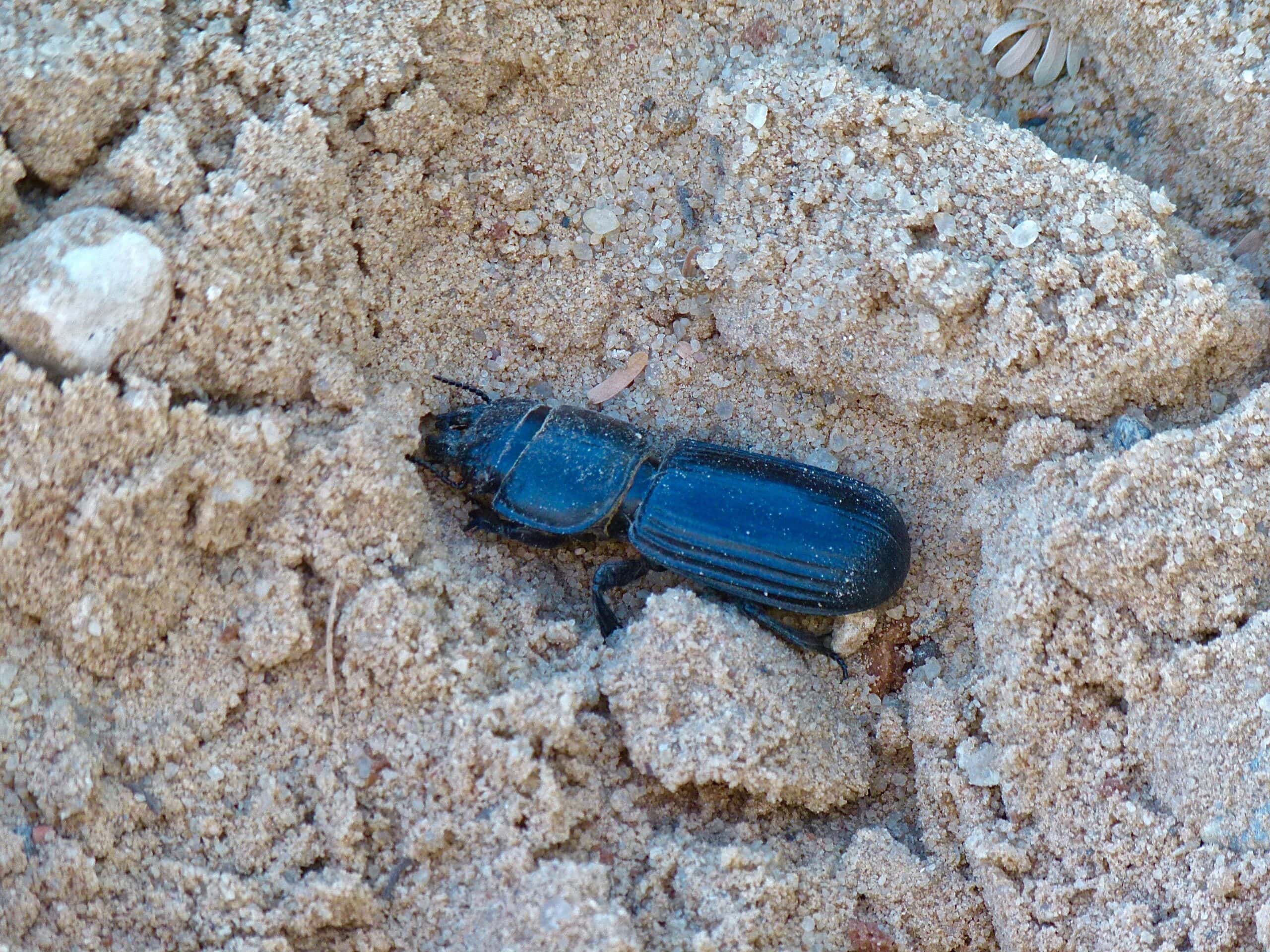
European mole crickets are a familiar sight to gardeners, though they’re rarely seen above ground. With strong, spade-shaped front limbs, they tunnel through soil in search of roots and insects. Their burrows can be extensive and complex, often damaging crops and lawns. Despite their reputation as pests, mole crickets play a role in soil health by aerating the earth and controlling other insect populations. Their nighttime calls, amplified by their tunnels, can be surprisingly loud, echoing through the soil like a tiny subterranean orchestra.
3. Solenodon

Solenodons are among the strangest mammals on Earth, looking like a cross between a shrew and a rat. Found in the Caribbean, these elusive animals spend their days in underground burrows, venturing out at night to hunt insects, worms, and even small reptiles. Solenodons have a venomous bite—one of the few mammals with this trait. Their long, flexible snouts help them root through soil and leaf litter. With populations dwindling, solenodons are both incredibly rare and deeply mysterious, a living link to ancient mammalian ancestors.
2. Desert Tortoise

Desert tortoises are true survivors, capable of withstanding the scorching heat of North America’s deserts. They escape the worst of the sun by digging deep burrows, where temperatures remain stable and moist. These tortoises spend up to 95% of their lives underground, emerging only to eat or find mates. Their sturdy claws and powerful forelimbs make them expert excavators. Desert tortoise burrows can shelter other animals, from snakes to burrowing owls. Their quiet persistence in harsh conditions is a testament to the power of patience and adaptation.
1. Golden Mole

Golden moles are the hidden jewels of southern Africa’s underground ecosystems. With metallic, iridescent fur and shoveling claws, they glide through sand “like swimming in water.” Golden moles are completely blind, relying on vibrations and touch to hunt insects, worms, and small reptiles. Their compact bodies and wedge-shaped heads allow them to move efficiently through loose soil. Despite their beauty, golden moles are rarely seen and often threatened by habitat loss. They are a reminder of the fragile, unseen worlds that exist just below our feet.
Conclusion

The underground world is teeming with life, full of creatures that have turned darkness and confinement into opportunity. From blind fish to armored insects and clever mammals, these animals show us that survival often means embracing the unknown. Their hidden lives, strange adaptations, and silent perseverance are a powerful testament to the wild ingenuity of nature. Next time you look down, remember—there’s an entire universe of wonders thriving just beneath the surface. Did you expect that?

As a little kid, I fell in love with nature, wildlife, and animals. Living in the USA, South Africa, Italy, China and Germany gave me the opportunity to discover the world's Wildlife. My favorite animals are Mountain Gorillas, Siberian Tigers, and Great White Sharks.
I'm a certified PADI Open Water Diver, went to Everest Base Camp and Trekked Gorillas in Uganda. I hold a Master of Science in Economics and Finance.
Please send any feedback to feedback@animalsaroundtheglobe.com
- 10 Fault Lines You have Never Heard Of But Should Fear - August 2, 2026
- 15 Wild Animals You Can Spot in U.S. National Parks - August 2, 2026
- 10 Asteroids That Came Way Too Close - August 2, 2026