

When most people think of hyenas, they often picture the cackling scavengers from “The Lion King” – creatures portrayed as dim-witted opportunists living in the shadow of lions. This widespread misconception has done a tremendous disservice to one of Africa’s most fascinating and complex predators. Far from being simple scavengers, hyenas are highly intelligent animals with sophisticated social structures that rival or even surpass many primates. Their remarkable cognitive abilities and unique matriarchal society make them extraordinary subjects for scientific study, challenging our understanding of animal intelligence and social behavior. This article delves into the fascinating world of hyena cognition and social dynamics, revealing why these misunderstood creatures deserve recognition as one of nature’s most intellectually and socially advanced species.
The Misunderstood Predator: Debunking Hyena Myths
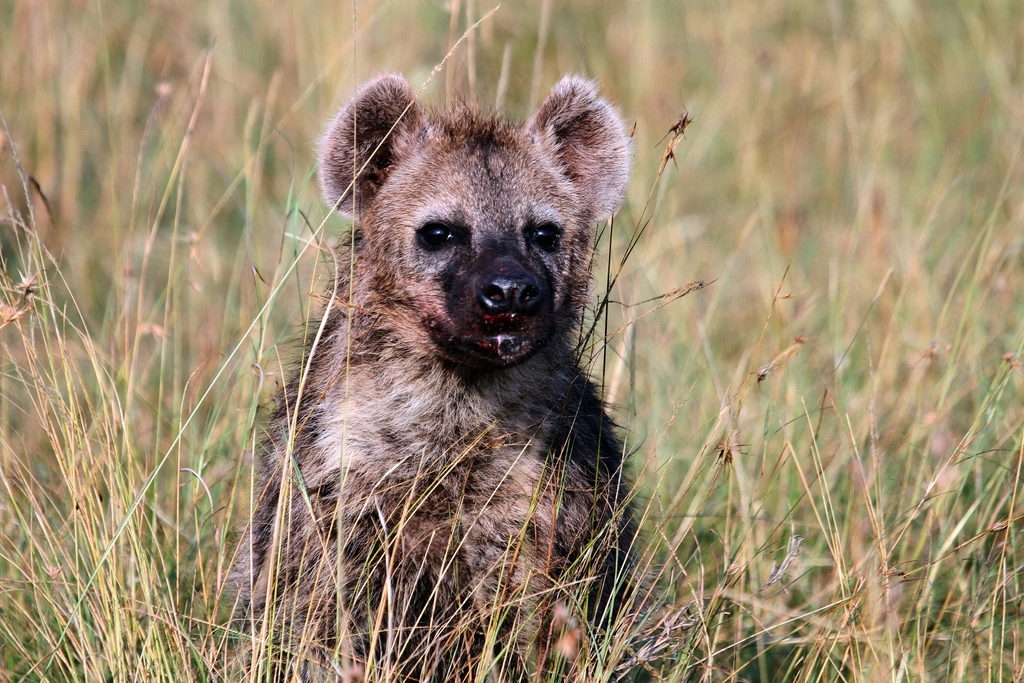
For centuries, hyenas have been maligned in folklore, literature, and modern media. They’re often portrayed as skulking scavengers, thieves of the savanna who feed on the leftovers of “noble” predators like lions. This characterization couldn’t be further from the truth. Spotted hyenas (Crocuta crocuta), in particular, are highly successful hunters that kill up to 95% of their food. Research conducted across the Serengeti ecosystem has shown that lions actually steal more kills from hyenas than vice versa. These efficient predators hunt in coordinated groups and can take down prey as large as zebras and even young elephants in desperate times. Their powerful jaws generate over 1,100 pounds of pressure per square inch – enough to crush bones that other predators leave behind, allowing them to extract valuable nutrition from parts of carcasses that would otherwise go to waste. This ecological niche doesn’t make them lesser predators; it makes them incredibly efficient ones.
Cognitive Champions: Measuring Hyena Intelligence

When it comes to intelligence, hyenas consistently surprise researchers with their cognitive capabilities. Studies conducted by zoologists at Duke University and the University of California, Berkeley have revealed that spotted hyenas outperform chimpanzees on some cooperative problem-solving tasks. In one landmark experiment, hyenas were presented with a rope-pulling challenge that required two animals to coordinate their efforts to obtain food. The hyenas quickly understood the task required cooperation and successfully coordinated their actions to solve the problem. They also excel at social learning – the ability to acquire knowledge by observing others. Hyenas can remember complex social relationships not just within their own clan but between multiple clans across their territory, recognizing dozens if not hundreds of individuals and their relative status. This social intelligence extends to their ability to count: research has shown hyenas can assess the number of intruders in their territory by listening to roars, making calculated decisions about whether to attack or retreat based on a quick mental tally of their odds.
The Matriarchal Monarchy: Female Dominance in Hyena Society

Perhaps the most fascinating aspect of spotted hyena society is their strict matriarchal structure – one of the most pronounced examples of female dominance in the mammalian world. In hyena clans, females rule. They are larger, more aggressive, and hold higher social status than males. This female dominance begins early – female cubs receive preferential treatment and nursing from their mothers. The social hierarchy is rigid and inherited; a female hyena’s rank is determined by her mother’s position in the clan, with daughters typically assuming a rank just below their mother. This system creates powerful family lineages that can maintain high status for generations. Males, by contrast, leave their birth clan upon reaching sexual maturity and must join a new clan as immigrants, where they enter at the very bottom of the social hierarchy. Even the highest-ranking male in a clan ranks below the lowest-ranking female. This unusual social arrangement has influenced their evolution in profound ways, including the development of some of the most unusual reproductive anatomy in the animal kingdom – females possess a pseudopenis and elongated labia that closely resemble male genitalia, thought to be an evolutionary result of high maternal testosterone levels that contribute to their dominant behavior.
Social Complexity: The Hyena Clan as a Political System

Hyena clans represent some of the most complex social groups in the animal kingdom. A typical clan consists of 40-80 individuals, though some can number well over 100. What makes their society particularly remarkable is its political complexity. Hyenas form strategic alliances, engage in coalition building, and participate in what can only be described as political maneuvering. Dr. Kay Holekamp, who has studied spotted hyenas in Kenya for over 30 years, has documented complex behaviors including reconciliation after conflicts, intervention in fights on behalf of allies, and coordinated group aggression against rivals. Hyenas recognize not just their own relationships but understand third-party relationships between other clan members – a sophisticated cognitive ability once thought to be unique to primates. These political alliances aren’t random; hyenas preferentially support close relatives and those who have previously supported them. Female hyenas even seem to “vote” on group decisions about when to hunt or which territory to defend by engaging in a distinctive meeting ceremony called a “greeting.” During these ceremonies, hyenas sniff each other’s anogenital regions, with the direction of the interaction (who sniffs whom) reinforcing the established dominance hierarchy.
Problem-Solving Prowess: Hyena Cognition in Action

Hyenas display remarkable problem-solving abilities that challenge our understanding of carnivore cognition. In controlled experiments, spotted hyenas have shown they can solve complex puzzles to access food rewards. One study conducted by researchers at Michigan State University presented hyenas with a metal box containing food that required multiple steps to open. Not only did the hyenas figure out the mechanism, but they remembered the solution when tested again a year later, demonstrating excellent long-term memory. In the wild, hyenas show similar ingenuity. They’ve been observed working together to isolate an individual from a herd, using elaborate flanking maneuvers and diversionary tactics. They adapt hunting strategies based on prey type, terrain, and group size, showing behavioral flexibility that indicates advanced cognitive processing. Particularly impressive is their ability to adapt to human encroachment. In urban areas like Harar, Ethiopia, hyenas have developed a complex understanding of human behavior patterns, knowing when and where to find food scraps while minimizing human confrontation. This adaptive intelligence allows them to thrive in changing environments where many other large predators struggle.
Communication Systems: The Complex Language of Hyenas

Hyenas possess one of the most sophisticated vocal communication systems among terrestrial mammals. Far beyond their famous “laugh” (actually a sign of nervousness or submission), hyenas utilize a vocabulary of over a dozen distinct vocalizations. These include whoops, grunts, yells, growls, and rumbles, each with specific meanings and contexts. Research by the Michigan State University Hyena Project has shown that hyenas can identify individual clan members by their whoops alone, essentially recognizing personal “voices.” These whoops carry over long distances, allowing hyenas to coordinate activities across vast territories. Even more impressive, studies have revealed that hyena calls contain embedded information about the caller’s age, sex, and rank. When a hyena hears a whoop, it can determine whether the caller is higher or lower ranking than itself and respond accordingly. Hyenas also employ an elaborate range of body language signals, from subtle ear positions to complex greeting ceremonies. They can inhibit or exaggerate these signals in different contexts, suggesting a level of intentional communication previously thought to be the domain of only the most advanced social species like great apes and dolphins.
Evolutionary Intelligence: How Hyenas Got So Smart

The exceptional intelligence of hyenas isn’t simply a happy accident of evolution but appears to be the direct result of their complex social lives. This supports the “Social Brain Hypothesis,” which proposes that intelligence evolved primarily to navigate complex social relationships rather than to solve environmental problems. With their intricate clan structures, hyenas face intense social pressure to track relationships, remember interactions, form alliances, and understand their position in the hierarchy. These demands have likely driven the evolution of their larger brains relative to body size compared to other carnivores. Spotted hyenas have the largest frontal cortex relative to body size of any carnivore studied – the region associated with social reasoning and executive function in humans. Brain scans have revealed neural structures remarkably similar to those in primates, despite hyenas and primates being separated by over 90 million years of evolution. This represents a fascinating case of convergent evolution, where similar selective pressures have produced similar neurological adaptations in distantly related species. The cognitive challenges of living in a complex society appear to have driven hyenas to evolve problem-solving abilities and social intelligence comparable to our closest relatives.
Maternal Influence: How Female Power Shapes Hyena Development

Female dominance in hyena society profoundly influences cub development from birth. Unlike most mammals, hyena cubs are born with eyes open, teeth erupted, and are capable of aggression from day one. This unusual precocity is linked to elevated testosterone levels in the womb, which prepare cubs for the competitive social environment they’re born into. Female cubs receive preferential treatment from birth – mothers provide them with more milk, more care, and more protection than male offspring. This maternal investment has direct consequences for brain development. Female cubs develop larger forebrains than males, consistent with their need to navigate complex social politics as adults. The skills necessary for survival are largely transmitted through social learning rather than instinct. Cubs observe their mothers hunting, fighting, and navigating social interactions for up to two years before independence. High-ranking mothers actively facilitate social connections for their daughters, introducing them to allies and reinforcing their status. This maternal scaffolding of social learning represents one of the most sophisticated examples of cultural transmission in non-human animals and plays a crucial role in maintaining the integrity of the clan’s social structure across generations.
Hyena Testing Methods: How Scientists Measure Their Intelligence

Studying hyena intelligence presents unique challenges that have required researchers to develop specialized testing methods. Field researchers like Dr. Kay Holekamp have pioneered the use of portable problem-solving apparatuses that can be deployed in the wild, allowing scientists to test cognition without removing animals from their social context. These include puzzle boxes, rope-pulling cooperation tasks, and mirror recognition tests. The Hyena Project at the University of California, Berkeley developed an innovative “sanctuary” approach, working with captive hyenas in large, naturalistic enclosures where researchers can control variables while allowing natural social interactions. One particularly clever experimental design involved presenting hyenas with a steel cage containing food that required manipulating multiple locking mechanisms to access. Researchers tracked not just success rates but learning curves, innovation, and knowledge transfer between individuals. Technological advances have revolutionized this field – hyenas have been fitted with GPS collars containing accelerometers that record fine-scale movements and interactions. Combined with remote video monitoring, these tools allow researchers to document problem-solving in natural contexts. Perhaps most impressive are playback experiments where researchers broadcast recordings of other hyenas to test recognition, counting ability, and decision-making processes, revealing cognitive abilities far beyond what was once thought possible in carnivores.
Comparative Intelligence: Hyenas vs. Other Species

When hyena intelligence is compared directly to other species, the results are often surprising. In social cognition tests, spotted hyenas frequently outperform chimpanzees, particularly in cooperative problem-solving tasks. While great apes may demonstrate more sophisticated tool use, hyenas show equal or superior abilities in social learning, cooperation, and understanding third-party relationships. Compared to big cats, hyenas demonstrate significantly more behavioral flexibility and innovative problem-solving. Lions, despite their imposing presence, show less cognitive adaptability when faced with novel challenges. Compared to wolves and wild dogs, their closest ecological competitors, hyenas display more complex social structures and more sophisticated communication systems. Even when compared to highly intelligent cetaceans like dolphins, hyenas hold their own in social complexity measures. Dr. Brian Hare, an evolutionary anthropologist at Duke University who has studied both species, notes that hyenas rival dolphins in their ability to track complex social relationships and cooperate to solve problems. Perhaps most tellingly, when compared to domestic dogs, who have been selectively bred for collaboration with humans, wild hyenas still demonstrate equal or superior problem-solving abilities despite no evolutionary history of human partnership. This places hyenas among the cognitive elite of the animal kingdom, particularly in domains related to social intelligence.
Conservation Implications: Protecting Intelligent Predators
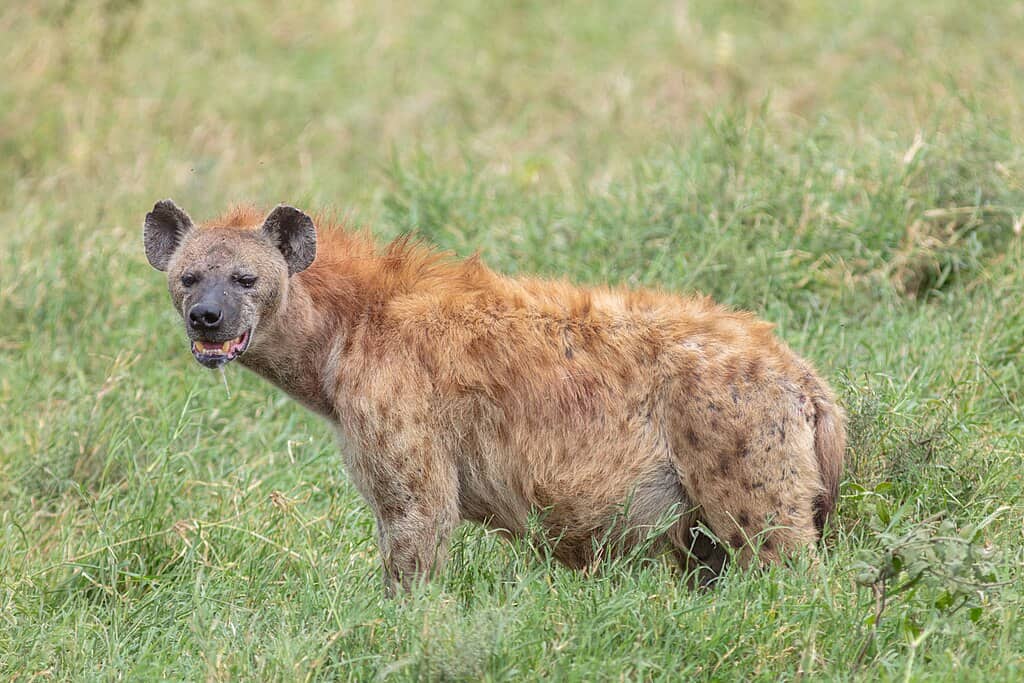
Understanding hyena intelligence has profound implications for their conservation. When the public perceives an animal as intelligent and socially complex, they’re more likely to support protection efforts. Unfortunately, hyenas continue to suffer from their negative portrayal in popular culture, making conservation advocacy challenging. Their intelligence makes them particularly vulnerable to certain threats. Hyenas quickly learn to avoid traditional traps but are exceptionally vulnerable to poisoning, as their scavenging habits lead them to consume tainted carcasses left by farmers protecting livestock. Their social complexity means that removing key individuals, particularly alpha females, can destabilize entire clans, leading to increased conflict with humans and other predators. Conservation strategies are beginning to account for hyena cognition, implementing smart solutions like using lights that mimic human presence around livestock enclosures – effective because hyenas quickly learn to associate these signals with human activity and avoid the area. Their intelligence also makes them remarkably resilient when properly protected. In Kenya’s Masai Mara, research-informed management has allowed hyena populations to recover despite habitat fragmentation, as the animals learn to navigate human-modified landscapes. Recognizing their cognitive abilities creates opportunities for coexistence solutions that work with, rather than against, hyena intelligence.
Future Research: Unanswered Questions About Hyena Minds
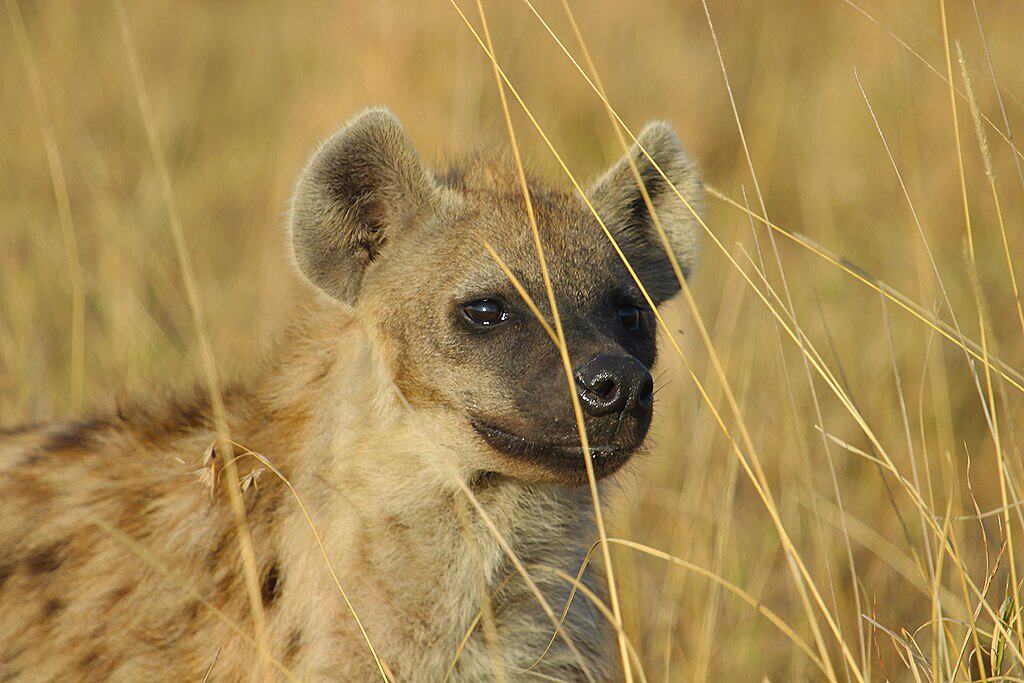
Despite decades of groundbreaking research, many questions about hyena cognition remain unanswered. Scientists are particularly interested in understanding the neurological basis for their unusual social structure. How do their brains differ from other carnivores, and what specific adaptations support their complex societies? Researchers at the University of California are currently investigating whether hyenas possess more developed mirror neurons – cells associated with empathy and understanding others’ intentions – than other carnivores. Another frontier involves the possibility of cultural transmission in hyenas. Do different clans develop unique traditions or “dialects” in their communication that persist across generations? Preliminary evidence suggests they might, which would place them in the rarefied category of cultural animals alongside great apes, elephants, and cetaceans. Advanced genetic research is exploring how intelligence is inherited and whether cognitive traits are linked to specific genes that differ between high and low-ranking lineages. Perhaps most excitingly, new non-invasive brain imaging techniques are being adapted for field use, potentially allowing researchers to observe hyena brain activity during social interactions and problem-solving in their natural environment. As research techniques advance, our understanding of these remarkable animals’ cognitive abilities will undoubtedly continue to expand, potentially revolutionizing our understanding of carnivore intelligence.
Conclusion: Redefining Our Understanding of Animal Intelligence
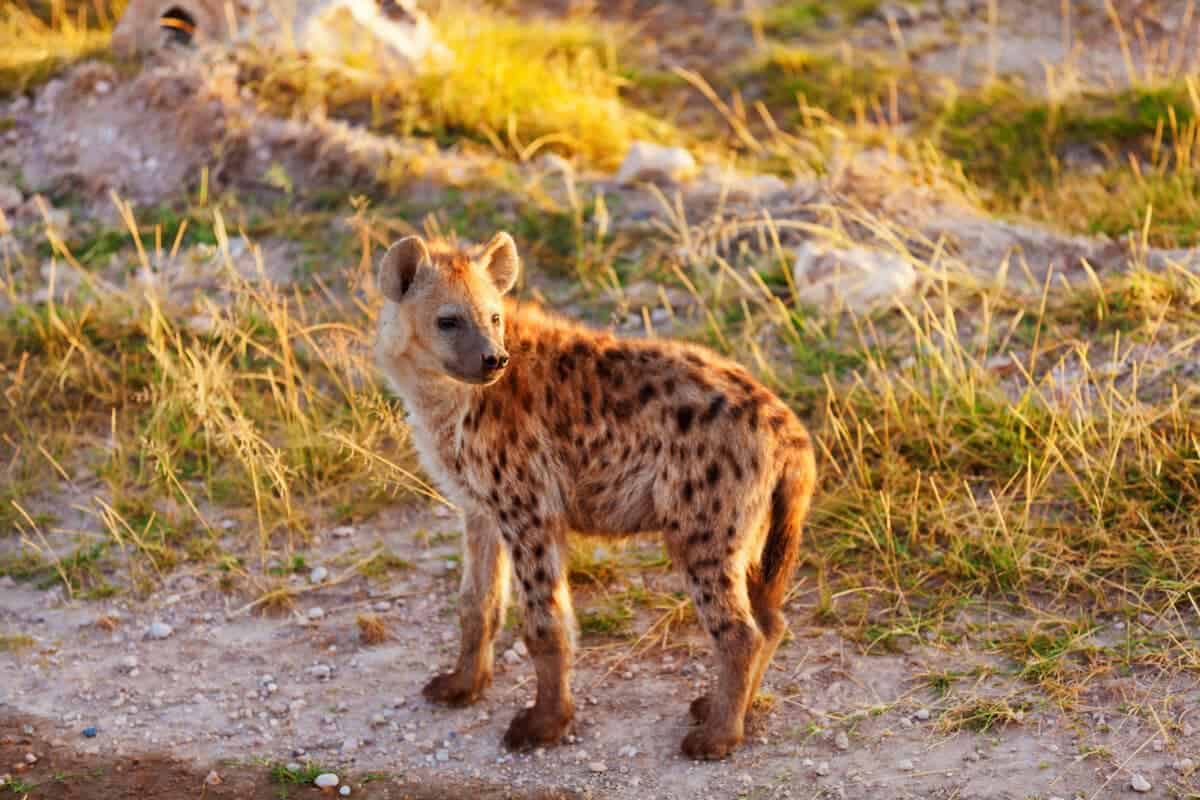
Hyenas force us to reconsider our preconceptions about animal intelligence and social complexity. Their remarkable cognitive abilities and sophisticated societies challenge traditional hierarchies of animal cognition that place primates and cetaceans at the top. What makes hyenas particularly fascinating is how their intelligence emerged through entirely different evolutionary pressures than our own, yet resulted in similar cognitive capabilities for social reasoning, cooperation, and problem-solving. Their matriarchal society offers a rare window into how social power structures shape cognitive development and cultural transmission in ways dramatically different from human societies yet equally complex. As we continue to study these remarkable animals, we’re likely to discover that the boundaries between human and animal cognition are far more blurred than we once believed. The traditional view of intelligence as a linear scale with humans at the pinnacle is giving way to a more nuanced understanding of multiple, specialized forms of intelligence that have evolved to meet different ecological and social challenges. Hyenas stand as testament to the extraordinary cognitive potential that can emerge in unlikely places when the right evolutionary pressures align, reminding us that intelligence in the animal kingdom is far more diverse and widespread than we ever imagined.

- The World’s Most Infamous Shark-Infested Beaches - August 1, 2026
- The Leafy Sea Dragon: Nature’s Master of Underwater Camouflage - August 1, 2026
- The Smartest Birds That Can Mimic Human Speech - August 1, 2026
Leave a comment
You must be logged in to post a comment.