
Africa’s wildlife has long captured the imagination of travelers and nature enthusiasts worldwide. While the Big 5 (lion, leopard, elephant, rhino, and buffalo) enjoy celebrity status on safari checklists, there’s another fascinating group that deserves recognition despite their less conventionally attractive appearances. Welcome to the world of the Ugly 5 – a collection of remarkable creatures whose distinctive looks have earned them this playful moniker in safari circles. Though they may not win beauty contests by human standards, these animals possess incredible adaptations and play vital roles in their ecosystems. Let’s explore these misunderstood marvels whose unique appearances tell stories of survival and evolution in the harsh African wilderness.
The Origin of the “Ugly 5” Concept
The concept of the “Ugly 5” emerged from safari guides seeking to create memorable categories for tourists beyond the famous Big 5. This playful classification gained popularity in the early 2000s as a counterpoint to the celebrated Big 5, which was originally a term used by big-game hunters to identify the most difficult and dangerous animals to hunt on foot. Unlike the Big 5, which was based on hunting challenge, the Ugly 5 grouping is purely based on unconventional aesthetics – a tongue-in-cheek way to celebrate animals that might otherwise receive less attention despite their ecological importance.
Safari operators found that tourists responded positively to these categorizations, which helped create memorable experiences and frameworks for understanding African wildlife diversity. The Ugly 5 concept has since become a standard part of safari vocabulary, alongside other groupings like the “Small 5” and the “Shy 5.” This approach has actually benefited conservation by increasing interest in a wider range of species beyond just the charismatic megafauna that typically dominate wildlife tourism.
The Wildebeest: Migration Maestro with Mismatched Parts
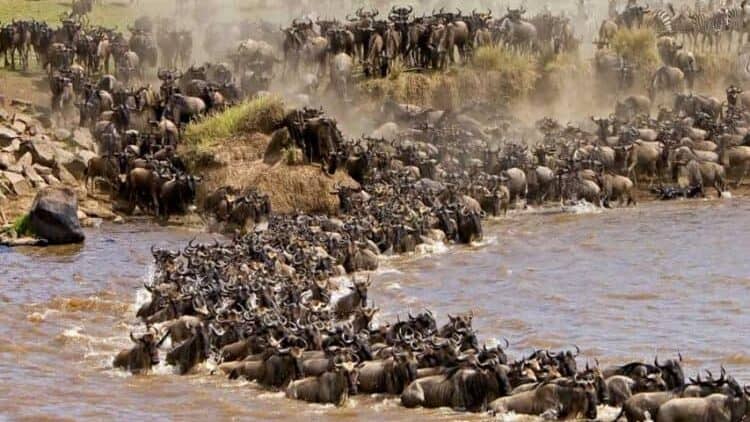
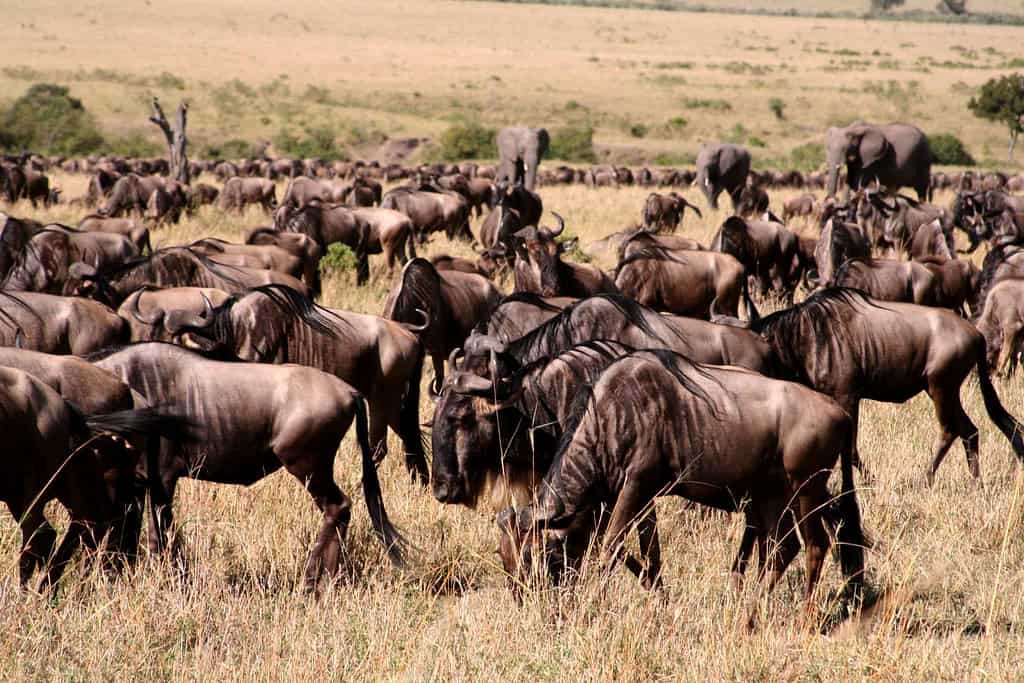
The wildebeest, also known as the gnu, appears as though assembled from spare parts – with the front end of an ox, hindquarters of an antelope, and a beard and mane that would make any lion jealous. Their awkward appearance belies their remarkable endurance and ecological significance. These ungainly antelopes are the stars of one of nature’s most spectacular events: the Great Migration, where approximately 1.5 million wildebeest, along with hundreds of thousands of zebras and gazelles, make a circular journey of nearly 1,800 miles through the Serengeti-Mara ecosystem in search of fresh grazing and water.
Despite their comical appearance, wildebeest are perfectly adapted for their grassland habitat. Their strange, box-like heads house specialized digestive systems that can process low-nutrient grasses efficiently. Their high stamina allows them to outrun predators through endurance rather than speed. Female wildebeest have synchronized birthing, with about 80% of calves born within a three-week period, creating a predator satiation effect that improves overall calf survival rates. Far from being just an oddity, the wildebeest is a keystone species whose migrations help shape entire ecosystems.
The Warthog: Tusked Trendsetter with Peculiar Habits
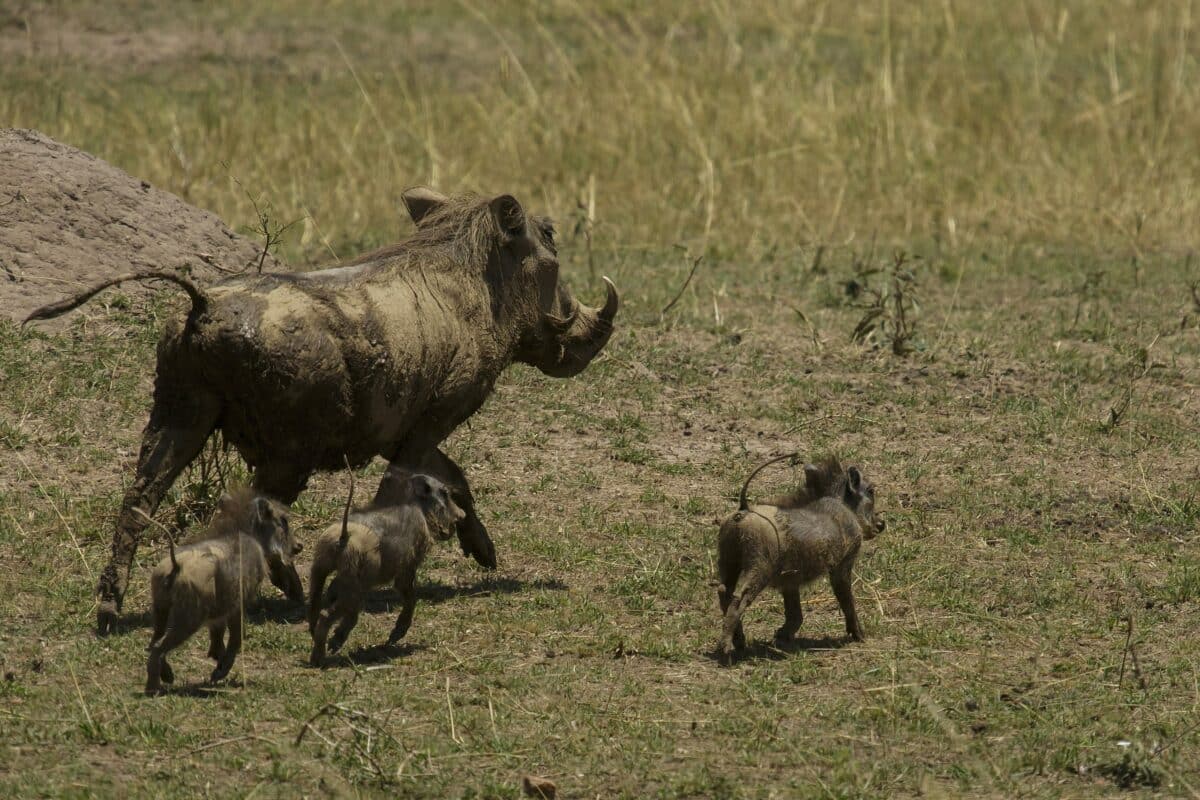
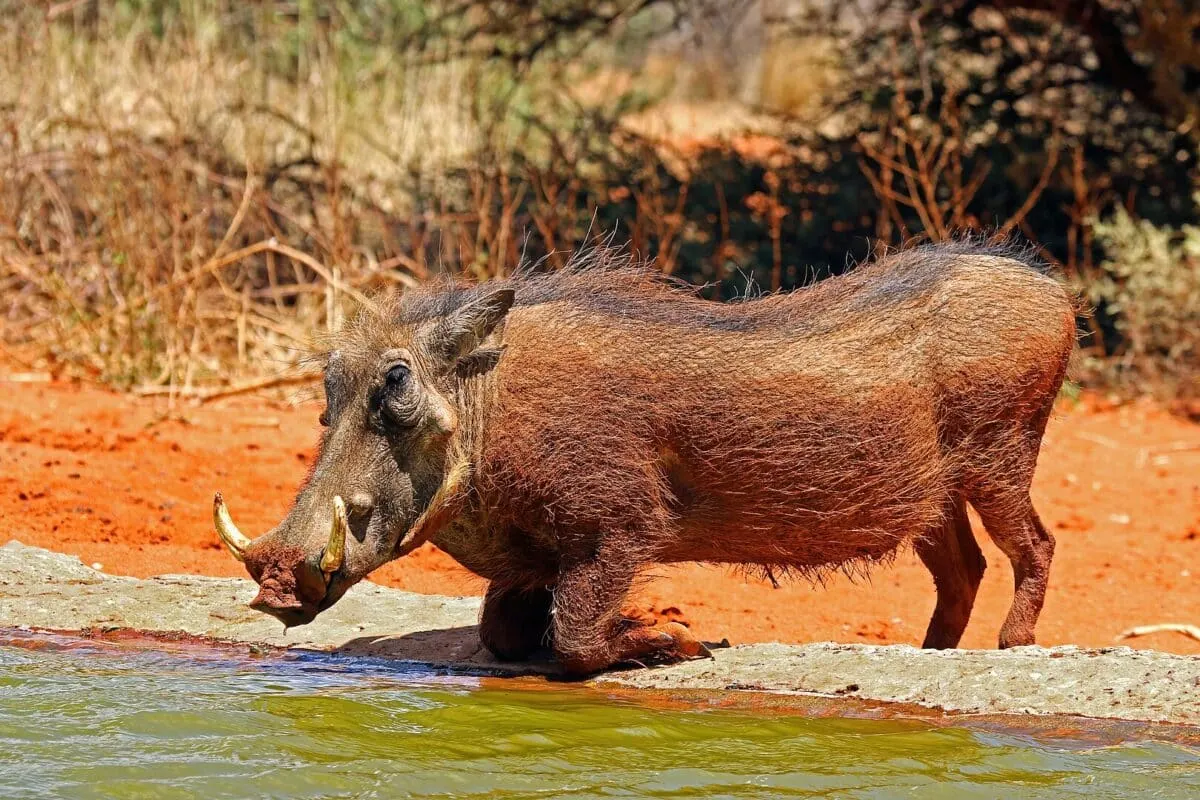
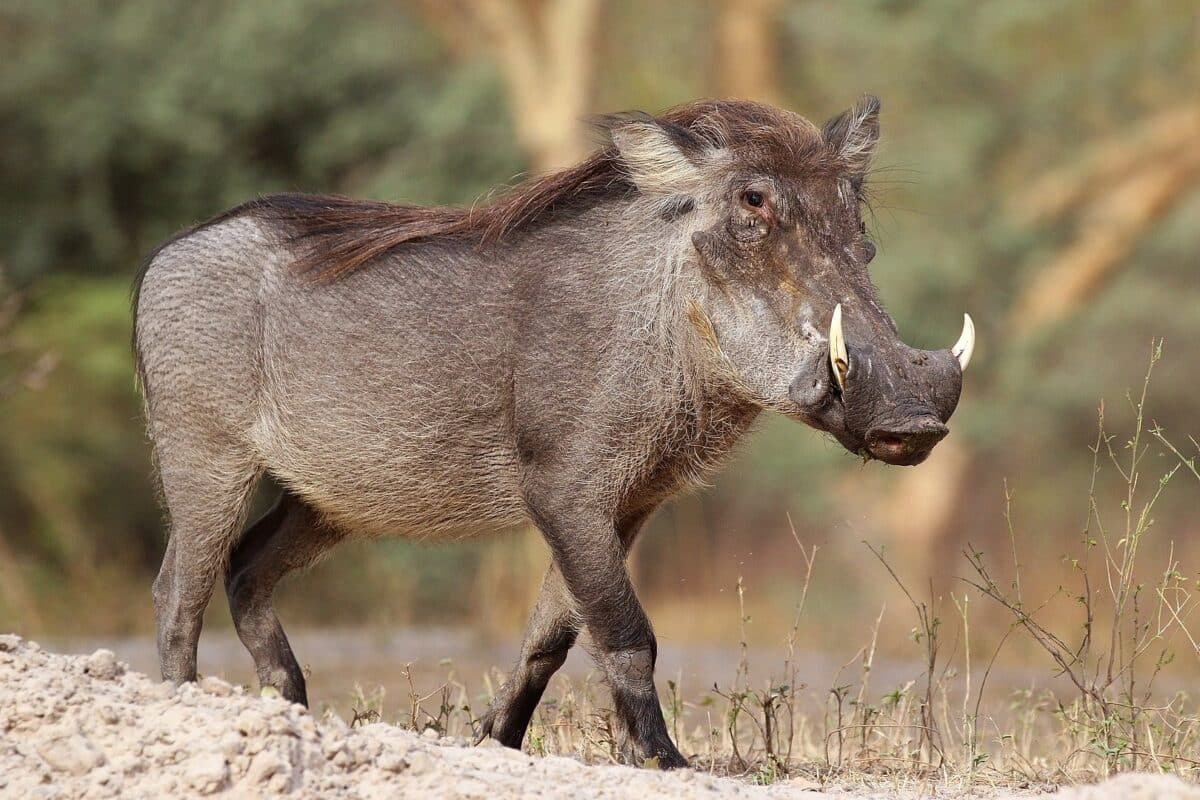
With facial warts, prominent tusks, and a face that only a mother could love, the warthog has earned its place among the Ugly 5. These peculiar pigs run with their tails held high like antennas – a comical sight that belies their important ecological role. Warthogs are diggers extraordinaire, using their specialized snouts and tusks to unearth roots, bulbs, and tubers during the dry season when other food sources are scarce. This behavior aerates the soil and helps with seed dispersal, making them important ecosystem engineers.
Warthogs display fascinating behavioral adaptations. Rather than digging their own burrows, they cleverly repurpose abandoned aardvark dens, backing into them tail-first so they can face outward with their formidable tusks presented to any potential threats. Despite their fierce appearance, warthogs are generally non-aggressive unless cornered. They’ve even achieved pop culture fame thanks to Pumbaa from Disney’s “The Lion King,” who helped transform their image from merely “ugly” to endearingly unique. Research has shown that warthogs possess remarkable intelligence and can form complex social bonds within their sounders (family groups).
The Hyena: Misunderstood Matriarchs with Powerful Jaws
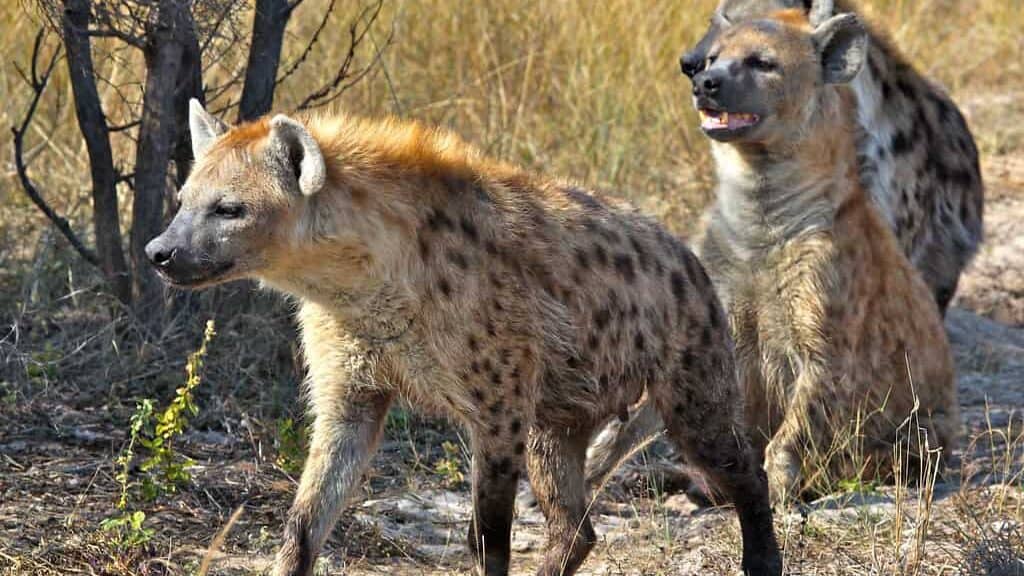
Perhaps no member of the Ugly 5 suffers from a worse reputation than the hyena. Their hunched posture, eerie vocalizations, and reputation as scavengers have made them symbols of cowardice and trickery in many cultures. However, science tells a different story. Spotted hyenas are actually accomplished hunters with approximately 50-70% of their diet coming from their own kills. Their incredibly powerful jaws can crush bones that other predators leave behind, allowing them to extract nutritional value from carcasses that would otherwise go to waste – making them nature’s ultimate recyclers.
Even more fascinating is their complex social structure. Spotted hyena clans operate under strict matriarchal hierarchies where females are larger, more aggressive, and socially dominant to males. Female hyenas even possess pseudopenises – enlarged clitorises through which they give birth, one of the most unusual reproductive adaptations in the animal kingdom. Hyena intelligence rivals that of primates, with studies showing they outperform chimpanzees in cooperative problem-solving tasks. Their complex vocal communications and facial recognition abilities further demonstrate that these animals are far more sophisticated than their “ugly” reputation suggests.
The Vulture: Bald-Headed Cleanup Crew

With their bald heads, hunched postures, and association with death, vultures have long been cast as villains or omens in human cultures worldwide. Yet these remarkable birds are among the most important sanitarians in nature. Their appearance, while considered unattractive by conventional standards, is a perfect example of form following function. The bald head prevents feathers from becoming caked with blood and tissue when feeding inside carcasses, reducing infection risk. Their powerful digestive systems contain acids strong enough to neutralize anthrax, botulism, and cholera bacteria – effectively removing dangerous pathogens from the environment.
Vultures face unprecedented threats across Africa, with some species experiencing population declines of over 90% in recent decades. Poisoning (both intentional and unintentional), habitat loss, and collisions with power lines have decimated their numbers. The consequences of losing these efficient scavengers are severe – studies in areas with vulture declines show increases in mammalian scavengers like rats and dogs, leading to greater disease transmission to humans and wildlife. Conservation efforts now focus on reducing poisoning incidents and creating vulture safe zones. Despite their “ugly” designation, these birds provide ecosystem services worth millions of dollars annually through disease prevention and waste removal.
The Marabou Stork: Undertaker of the Savanna
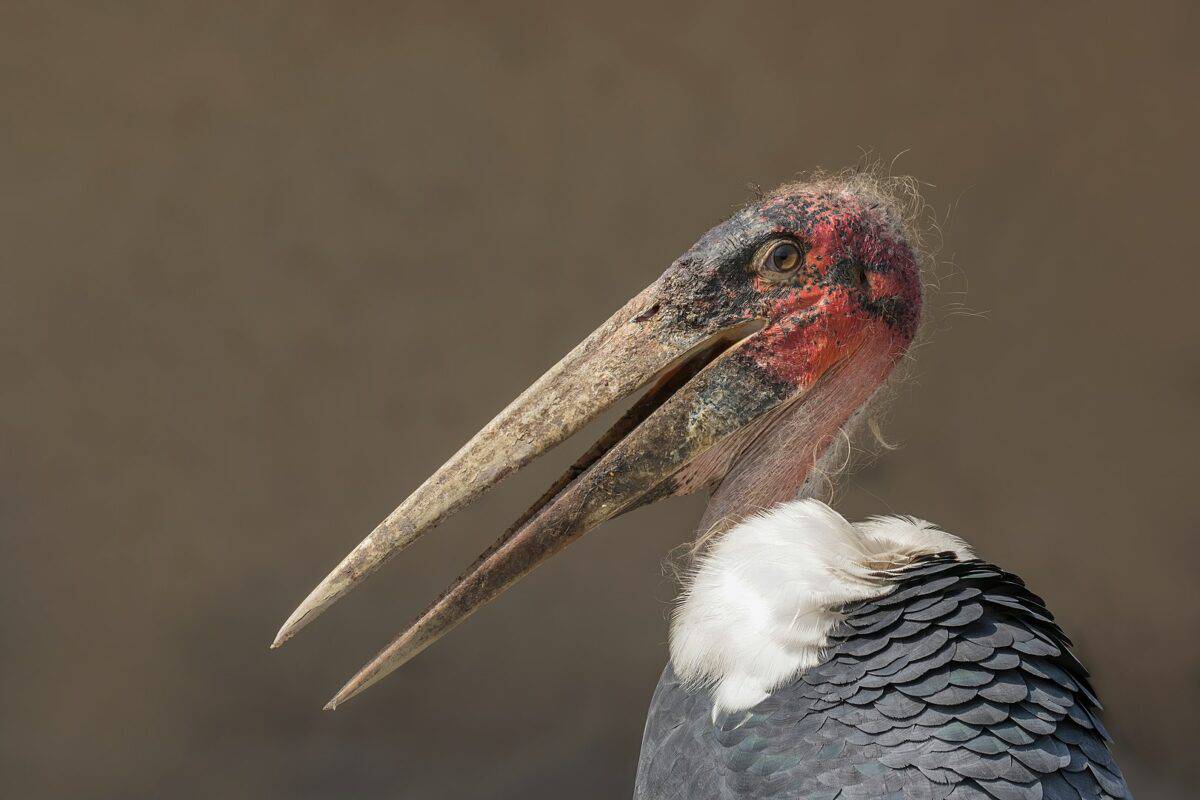
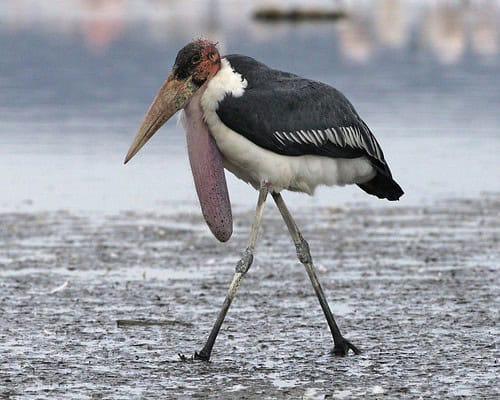
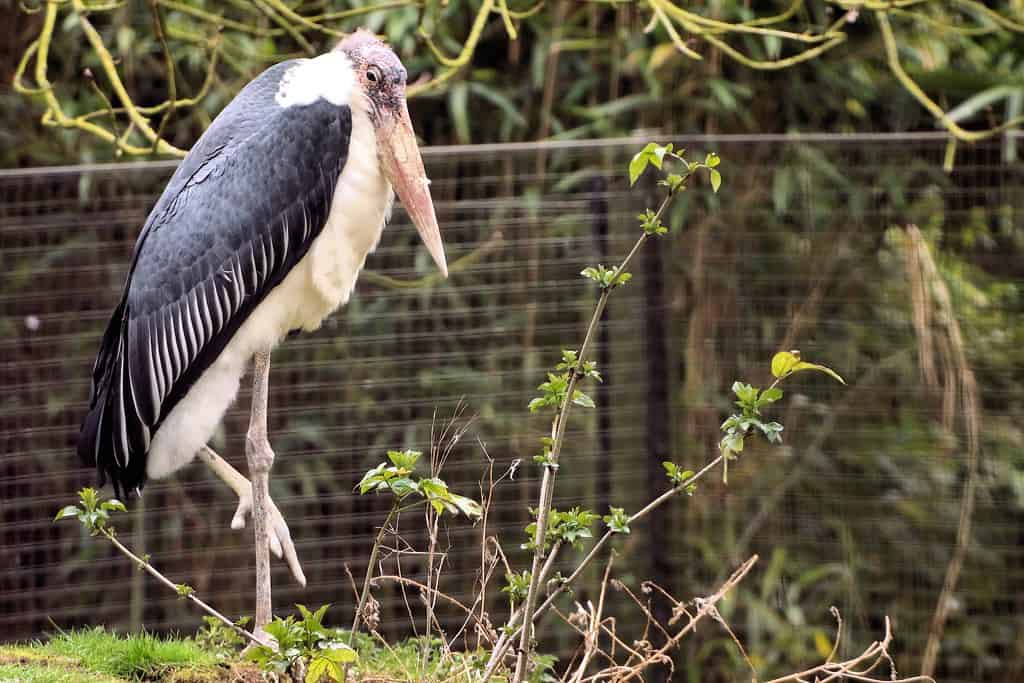
Often described as resembling an undertaker in a shabby coat, the marabou stork completes the Ugly 5 lineup with its bald, scabby head, massive bill, prominent throat pouch, and stiff demeanor. Standing up to 5 feet tall with a wingspan reaching 10 feet, these imposing birds have earned nicknames like “undertaker bird” due to their appearance and scavenging habits. Their nearly featherless heads serve the same practical purpose as vultures’ – preventing bacteria-laden meat from sticking to plumage during feeding.
Marabou storks are opportunistic feeders extraordinaire, consuming everything from flamingo eggs to human refuse. Their adaptability to human environments has allowed their populations to thrive in some areas while other wildlife declines. In urban settings across Africa, they’ve become common sights around garbage dumps and fish markets. While their appearance may not endear them to humans, their ecological flexibility represents a rare conservation success story in a continent where many species are struggling. Recent research has shown that marabou storks play important roles in controlling certain pest populations and serve as indicators of environmental health in the ecosystems they inhabit.
Ecological Significance of the Ugly 5
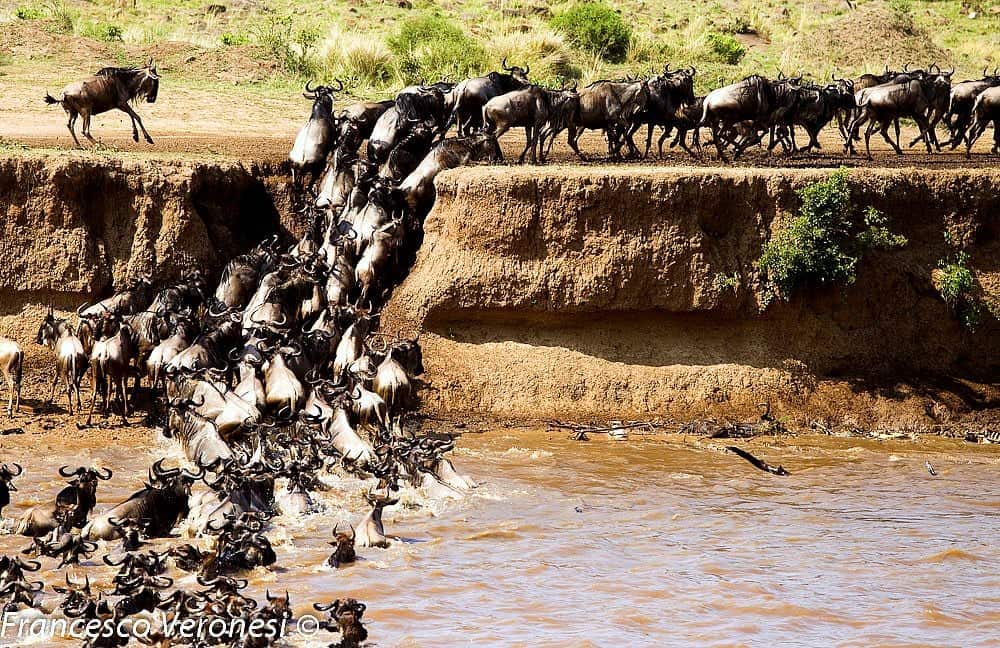
Beyond their unconventional appearances, the Ugly 5 are ecological powerhouses that maintain healthy ecosystem function across African landscapes. Wildebeest migrations fertilize vast areas with their dung and maintain grassland health through grazing patterns. Warthogs’ digging activities aerate soil and create microhabitats for other organisms. Hyenas regulate prey populations and prevent disease spread by efficiently disposing of carcasses. Vultures and marabou storks complete the clean-up crew, preventing the spread of diseases that could devastate both wildlife and human populations.
These species often serve as indicator species whose population health reflects broader ecosystem conditions. For example, vulture declines signal problems with poisoning or contamination in the environment, while healthy hyena populations generally indicate sufficient prey availability. Conservation biologists increasingly recognize that these less conventionally attractive species often provide disproportionately important ecosystem services compared to their more charismatic counterparts. By studying and protecting the Ugly 5, scientists gain valuable insights into ecosystem health and resilience across African landscapes.
Cultural Perceptions and Folklore
The animals of the Ugly 5 have featured prominently in African folklore and cultural narratives for centuries, often with complex and contradictory representations. Hyenas feature in stories across the continent, sometimes as clever tricksters and other times as symbols of witchcraft or dark forces. In some East African traditions, hyenas are believed to be able to understand human conversations. Vultures appear in numerous creation myths and are sometimes seen as messengers between the human world and the spirit realm. Warthogs, despite their appearance, are respected in many cultures for their bravery and determination.
These cultural associations have influenced conservation efforts, sometimes to the detriment of the animals. Negative folklore has contributed to persecution of species like hyenas and vultures in some regions. Conservation organizations now work with local communities to incorporate traditional knowledge and cultural perspectives into protection strategies while addressing harmful misconceptions. By honoring cultural connections to these animals while providing accurate scientific information, conservationists aim to transform perceptions from merely “ugly” to valuable and worthy of protection.
Conservation Challenges and Threats

Despite their ecological importance, the Ugly 5 face significant conservation challenges. Vultures are particularly vulnerable, with some African species declining by over 90% in three generations. They face threats from poisoning (both deliberate targeting by poachers who fear the birds will reveal their illegal activities, and secondary poisoning from carcasses laced with pesticides), habitat loss, and electrocution on power infrastructure. Hyenas suffer from persecution due to perceived or actual conflicts with livestock farmers. Wildebeest migrations are increasingly threatened by fencing, human development, and climate change that disrupts traditional movement patterns.
Warthogs, while relatively abundant, face hunting pressure in some regions, particularly where they come into conflict with agricultural interests. Marabou storks, though adaptable to human environments, face habitat degradation in their natural wetland breeding areas. Conservation strategies for these species require addressing both direct threats and the negative perceptions that often hinder public support for protection efforts. Without concerted conservation action, these keystone species could face further declines, with cascading negative effects throughout African ecosystems.
Viewing the Ugly 5 on Safari

For wildlife enthusiasts looking to spot the Ugly 5, several African destinations offer excellent opportunities. Kenya’s Maasai Mara and Tanzania’s Serengeti provide ideal conditions for viewing wildebeest, particularly during the Great Migration between July and October. Kruger National Park in South Africa is renowned for hyena sightings, with several well-studied clans that tourists can reliably observe, especially around dawn and dusk when they’re most active. Vultures can be spotted throughout southern and eastern Africa, with dedicated vulture restaurants in places like Sabi Sands in South Africa offering guaranteed sightings.
Warthogs are widespread across savanna habitats and are often seen in protected areas throughout sub-Saharan Africa, frequently becoming habituated to vehicles and allowing close observation. Marabou storks are increasingly common in urban areas like Nairobi and Kampala, but for natural sightings, wetland areas and river systems in wildlife reserves offer the best opportunities. Responsible safari operators now promote these species as fascinating wildlife viewing opportunities rather than merely curiosities, educating visitors about their ecological importance and specialized adaptations.
Photography Tips for Capturing the Ugly 5
Photographing the Ugly 5 presents unique challenges and opportunities for wildlife photographers. These animals often require different approaches than their more conventionally photogenic counterparts. For wildebeest, capturing the scale and drama of the migration requires wide-angle lenses and elevated perspectives, while individual portraits can highlight their unique features and soulful eyes. Warthogs offer great action shots when they kneel to dig or run with tails raised high. Early morning light can transform their coarse hair into a golden mane for dramatic effect.
Hyenas present interesting compositional opportunities, especially when photographed in family groups that showcase their complex social interactions. Vultures are most dynamic when captured in flight or during feeding frenzies, where telephoto lenses can freeze dramatic moments of aerial acrobatics. Marabou storks have striking graphical qualities with their stark coloration and angular forms, making them excellent subjects for minimalist compositions or silhouettes against dramatic skies. Regardless of subject, the key to compelling Ugly 5 photography is focusing on behavior and context rather than merely documenting appearance – showing these animals as the fascinating ecological actors they truly are.
Beyond the Ugly 5: Other Unconventional Beauties
While the traditional Ugly 5 have their established place in safari lore, several other African species might qualify for honorary membership based on their unconventional appearances. The secretarybird, with its eagle-like body perched atop stork-like legs, creates a gangly silhouette unlike any other bird of prey. The shoebill stork, with its massive prehistoric-looking bill and penetrating stare, appears to have stepped straight out of the dinosaur era. The African wild dog, though gaining conservation attention, still suffers from its mottled appearance and unfair reputation as a vicious killer.
The bat-eared fox, with ears that seem disproportionately large for its small body, uses its unusual feature to detect insects beneath the soil. The aardvark, with its tubular snout and pig-like body, might be considered for membership based on its bizarre appearance alone. These and other species remind us that evolutionary adaptations often prioritize function over form, resulting in appearances that may seem strange to human eyes but represent perfect adaptations to ecological niches. By expanding our appreciation beyond conventional beauty, we gain a deeper understanding of the diversity of life strategies in African ecosystems.
Celebrating Nature’s Diversity: A New Appreciation

The concept of the Ugly 5 ultimately invites us to reconsider our human-centered notions of beauty in the natural world. These animals haven’t evolved to please human aesthetic sensibilities but rather to survive and thrive in challenging environments through specialized adaptations. Their “ugliness” is, in fact, a testament to evolutionary genius – from the hyena’s powerful jaws to the vulture’s bare head, each feature serves a vital purpose. By learning about these adaptations, we can transform initial reactions of aversion into profound appreciation.
Conservation efforts increasingly emphasize the importance of protecting all species, not just those we find immediately appealing. The Ugly 5 serve as ambassadors for this more inclusive approach to wildlife appreciation and protection. Their stories remind us that ecosystems depend on diversity – of forms, functions, and yes, even appearances. As we face unprecedented biodiversity loss globally, embracing the full spectrum of nature’s creations becomes not just an aesthetic exercise but an ecological imperative. The Ugly 5 teach us that in nature, beauty isn’t merely skin deep – it’s found in the remarkable adaptations, ecological roles, and survival strategies that have evolved over millions of years.

- How Climate Change Is Making Animals Smaller - June 12, 2026
- How Louisiana’s Frogs Can Predict the Weather with Incredible Accuracy - June 12, 2026
- How Mandrills Communicate Using Color and Expression - June 12, 2026