


Always stay alert when running through nature—wildlife encounters can happen in an instant. In this article, we break down a heart-stopping moment caught on video when a runner found themselves face-to-face with a mother bear and her cubs. We’ll also explore the behavior of black bears and what makes them such adaptable survivors in the wild.
A Master of Adaptation

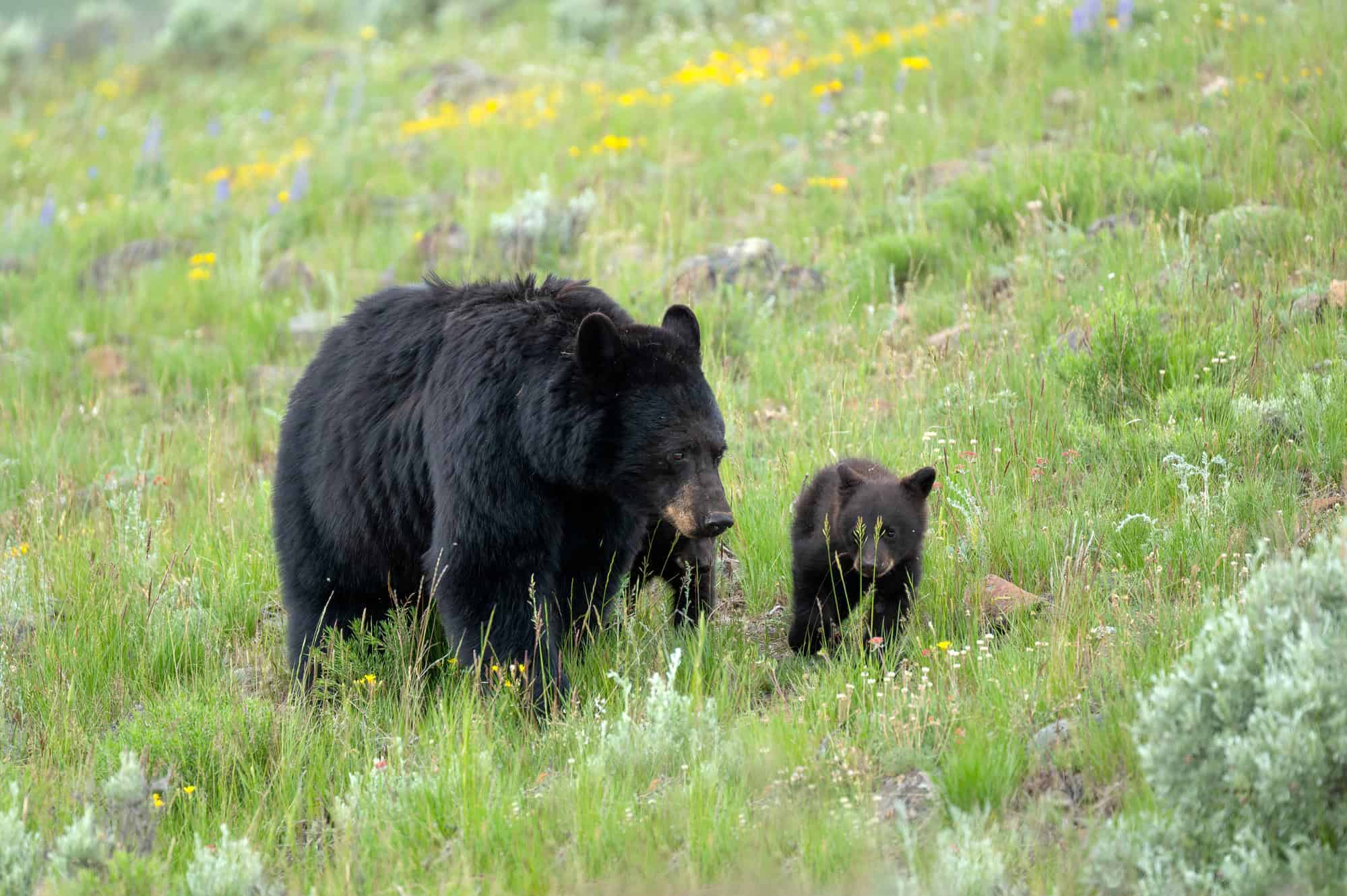
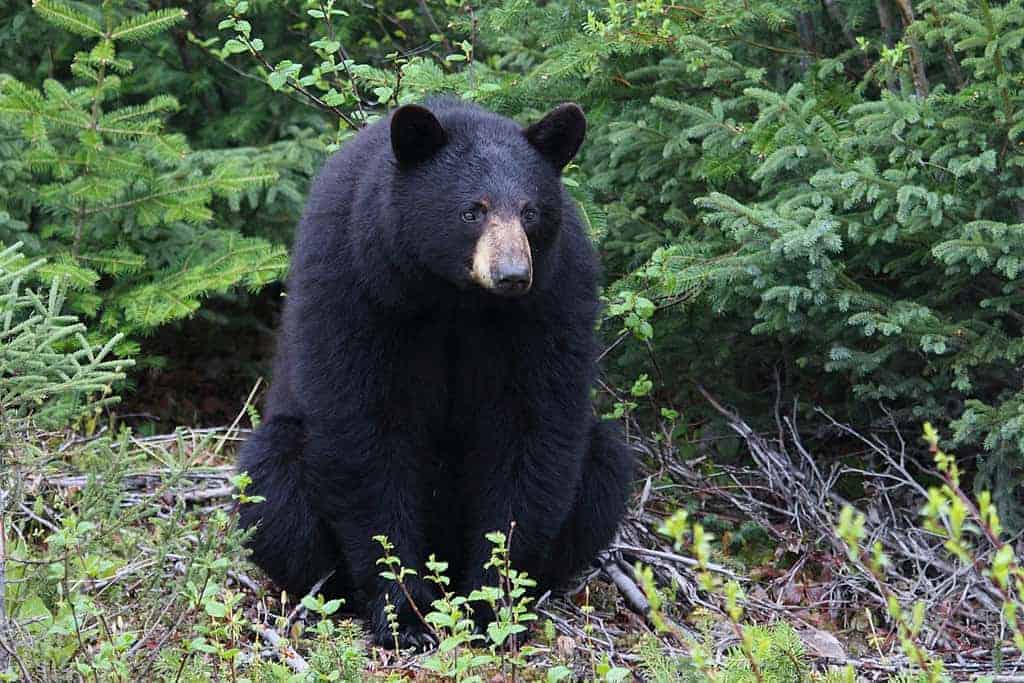
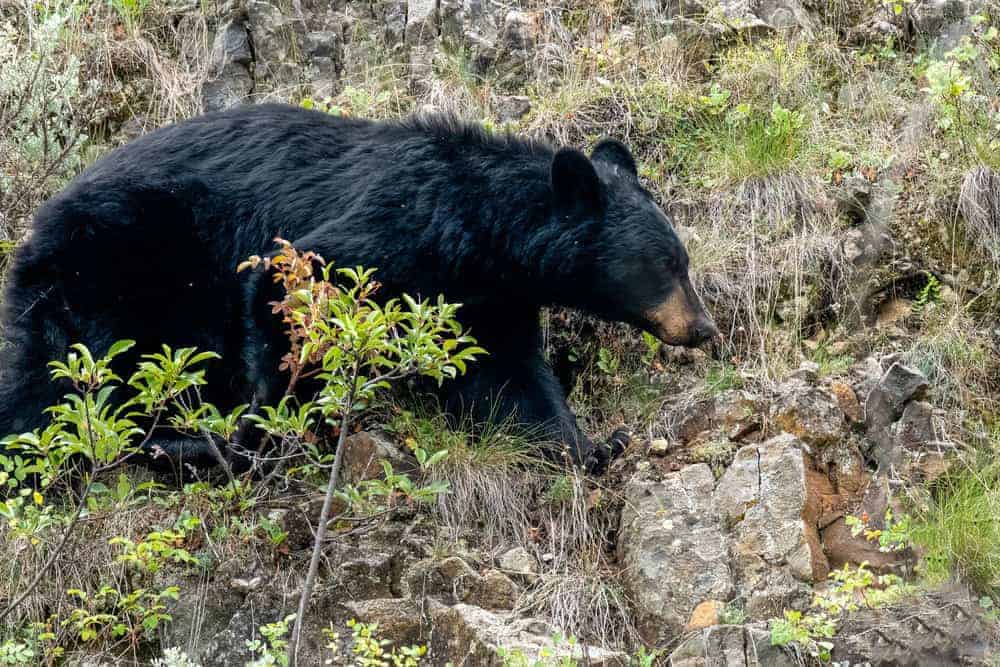
Black bears are among the most widespread bear species in North America. They thrive in diverse environments, from dense forests to mountainous regions, and even suburban areas. Their ability to adapt to different food sources and landscapes has made them one of the most resilient large mammals.
Black bears are omnivores, meaning their diet consists of both plants and animals. They primarily feed on berries, nuts, insects, and small mammals, but they’re also opportunistic scavengers. This flexible diet allows them to survive in regions where food availability varies seasonally.
A Dangerous Encounter on the Trail
A viral video captured a tense moment when a runner stumbled upon a mother bear and her cubs while jogging through a wooded area. The sudden appearance of the bear family left the runner in a precarious situation—one wrong move could have led to a dangerous confrontation.
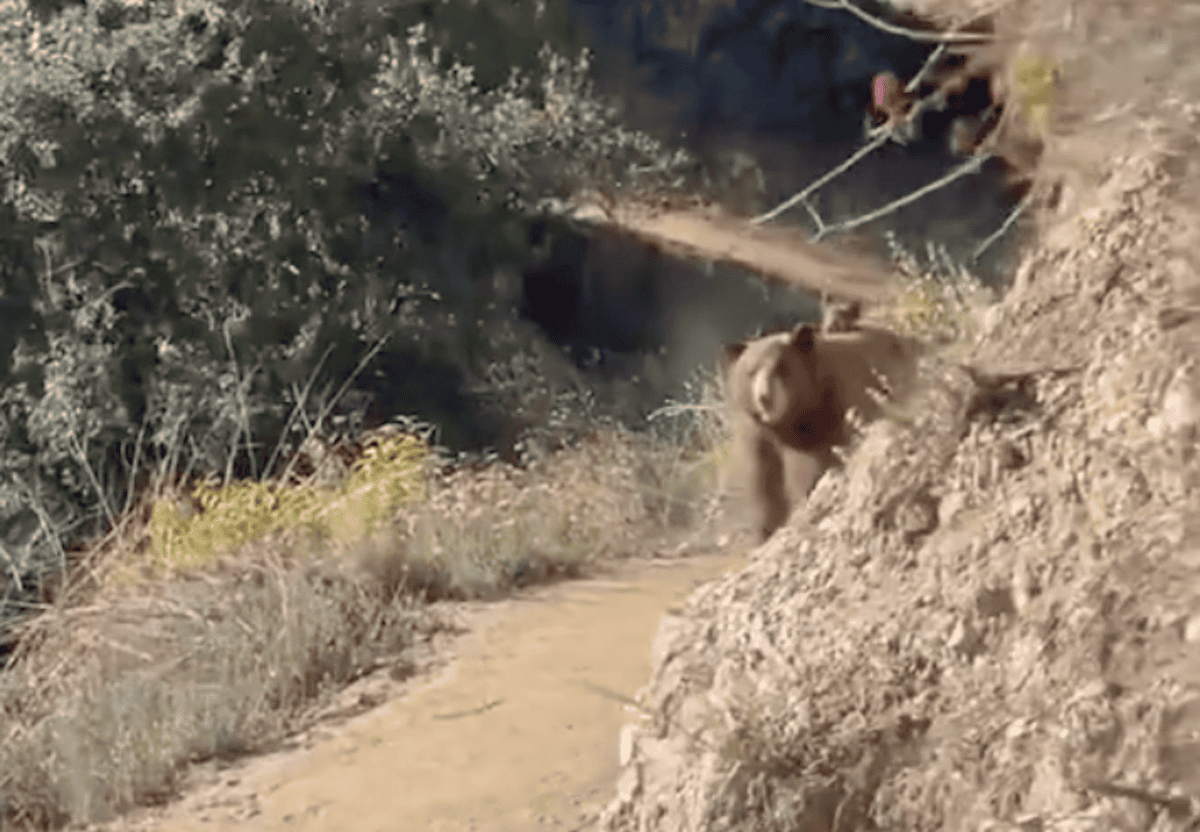
Mother bears are fiercely protective of their young. When they perceive a threat, they may bluff charge, make loud huffing noises, or even attack if they feel their cubs are in danger. In this case, the runner’s presence triggered the bear’s defensive instincts, creating an intense standoff.
The Aftermath
Fortunately, the runner kept their distance and avoided making sudden movements. By maintaining eye contact but not approaching, they gave the mother bear enough space to retreat into the woods with her cubs. This careful reaction likely prevented a much worse outcome.
Wildlife experts emphasize the importance of understanding bear behavior when venturing into their habitat. Encounters like this highlight the need for proper precautions, such as carrying bear spray, making noise while running, and knowing how to react in these situations.
FAQs
What should you do if you encounter a bear while running?
If you come across a bear, stay calm and avoid sudden movements. Slowly back away without turning your back. Do not run, as this may trigger a chase response. If the bear approaches, make yourself look larger and speak firmly.
Are black bears dangerous to humans?
Black bears are generally shy and avoid human interaction, but they can become aggressive if they feel threatened or if they are accustomed to human food. Most encounters end without conflict if the bear is given space.
How can runners prevent bear encounters?
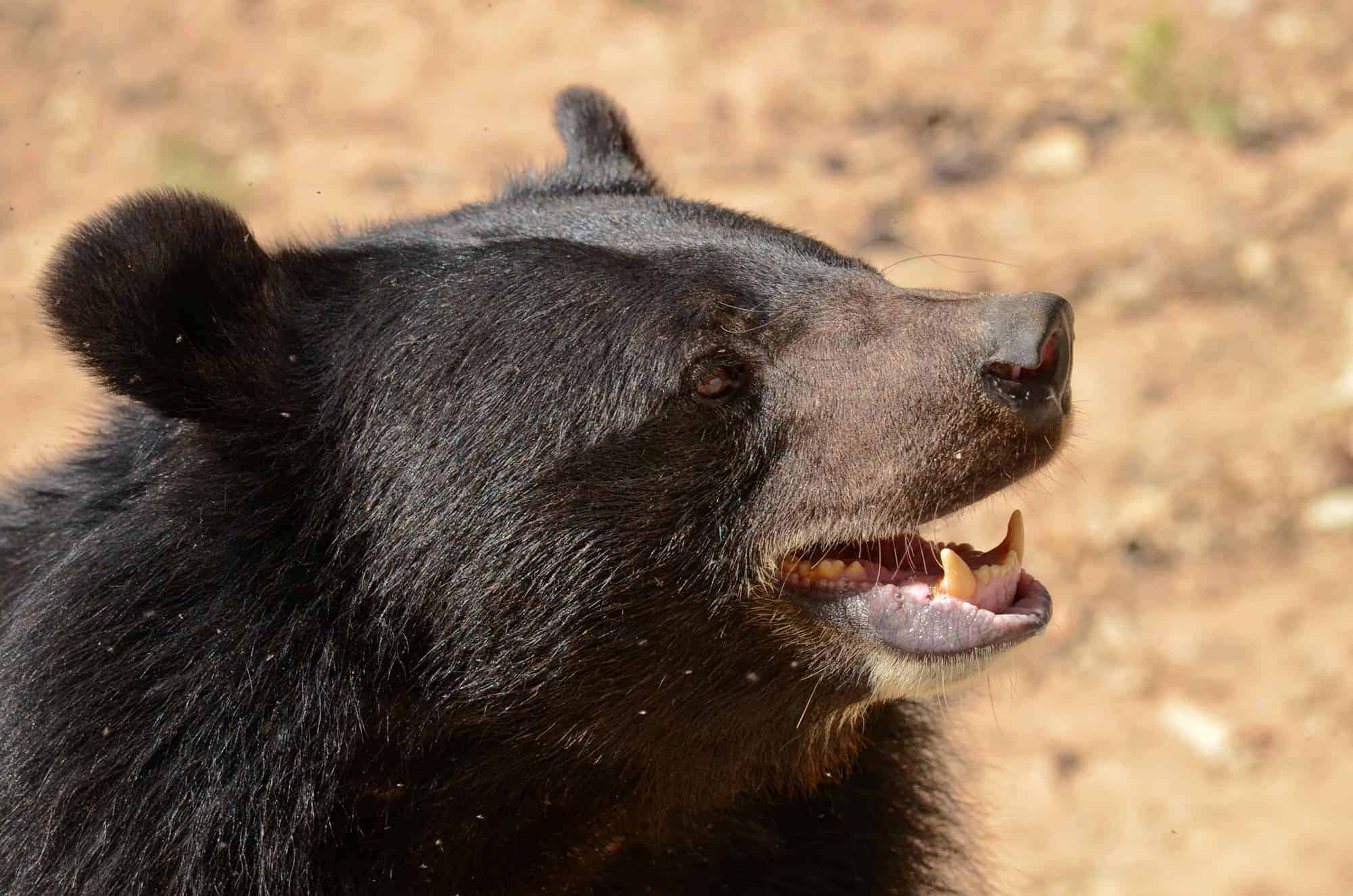
Runners should stay alert, make noise to alert bears of their presence, avoid running at dawn or dusk when bears are most active, and carry bear spray in bear-prone areas.
Fascinating Facts About Black Bears
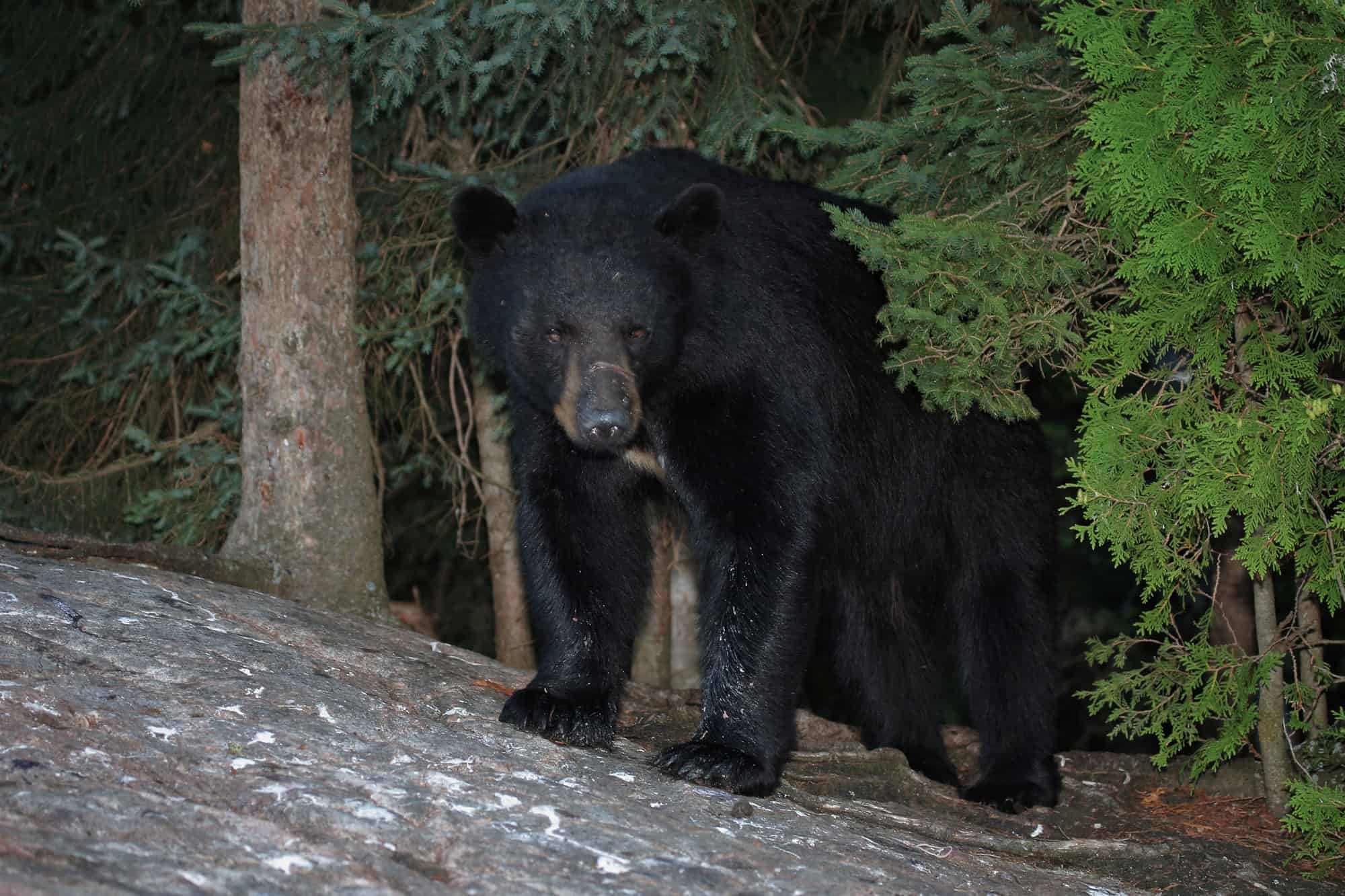
1. Black bears are highly adaptable
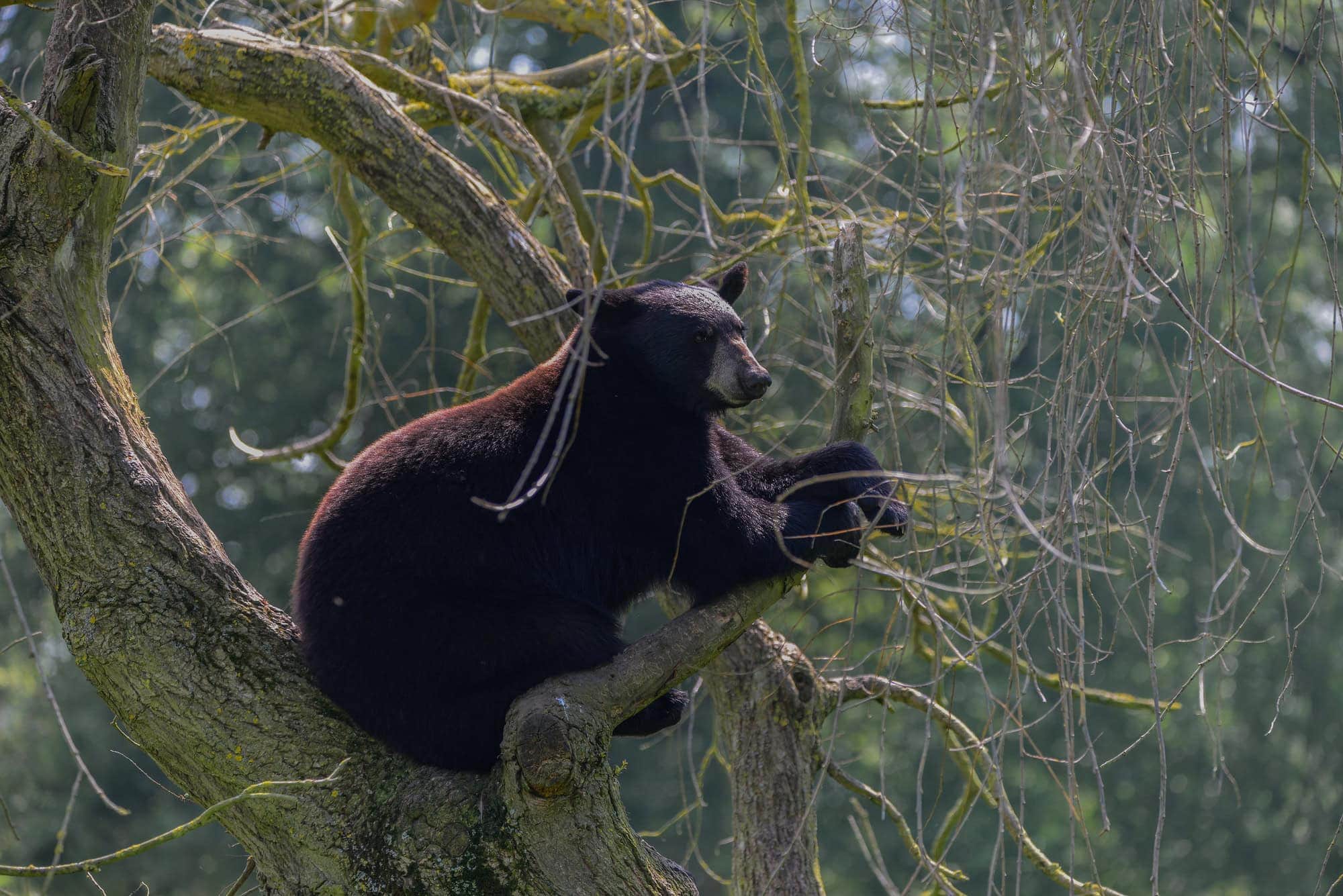
They can live in forests, swamps, mountains, and even near human settlements.
2. They are excellent climbers
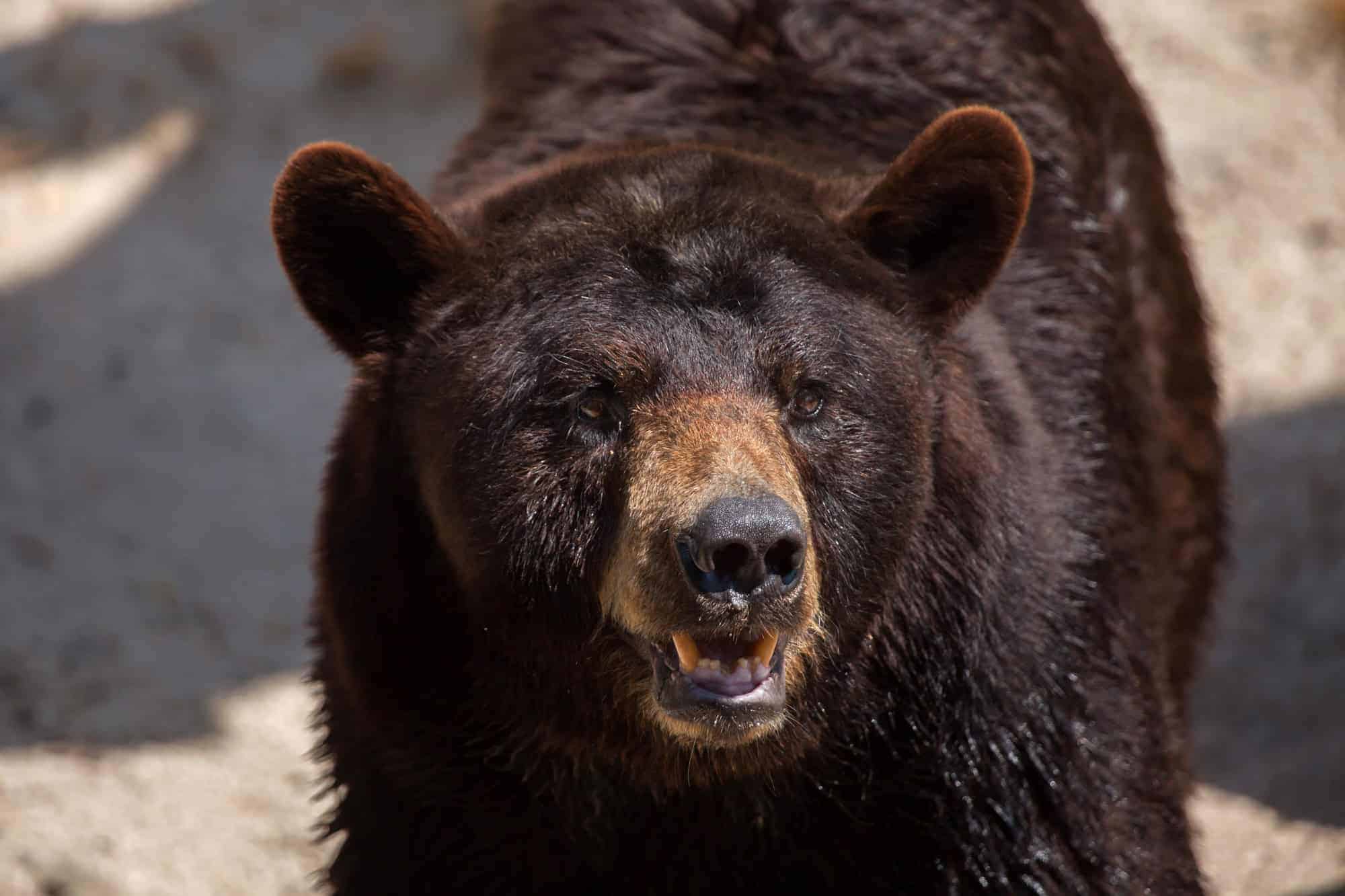
Despite their size, black bears can easily climb trees to escape danger or find food.
3. They have an incredible sense of smell
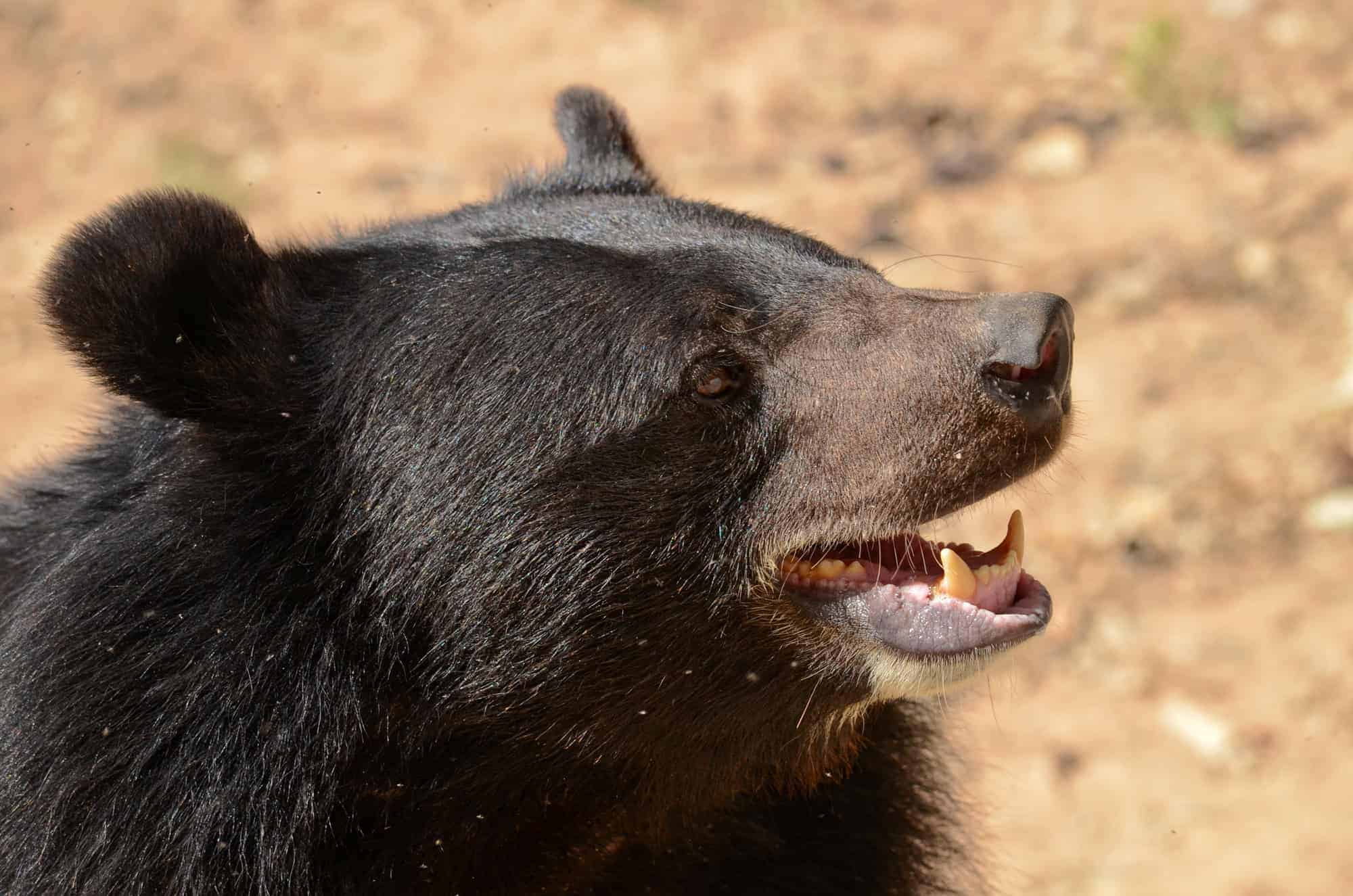
A black bear’s nose is about seven times more sensitive than a bloodhound’s.
4. Black bears hibernate in winter
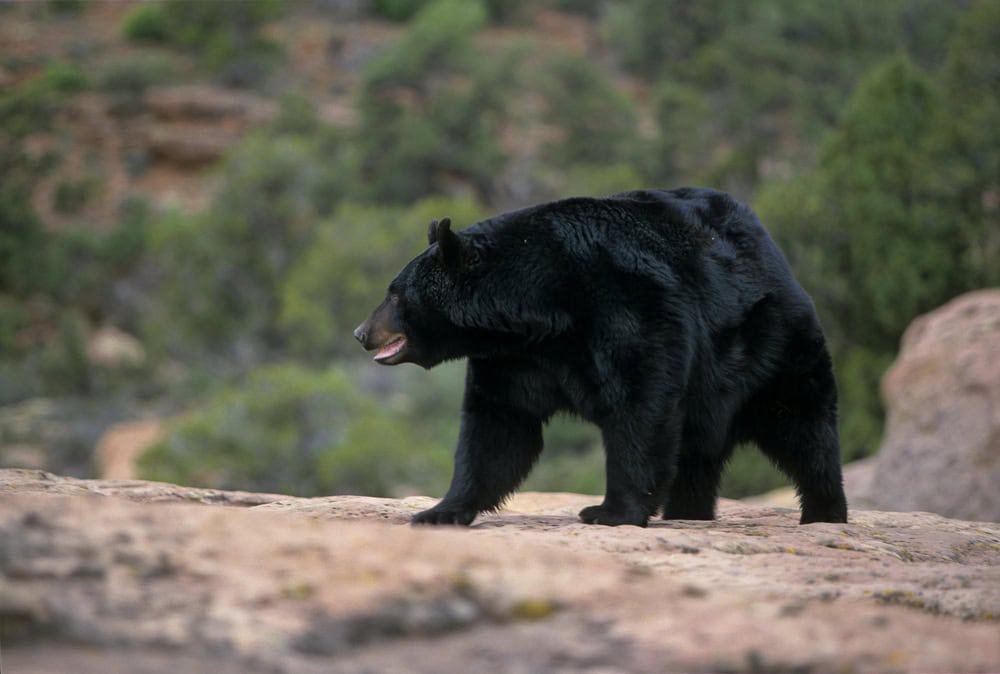
Depending on their location, they may enter a deep sleep for several months to conserve energy.
5. They are omnivores
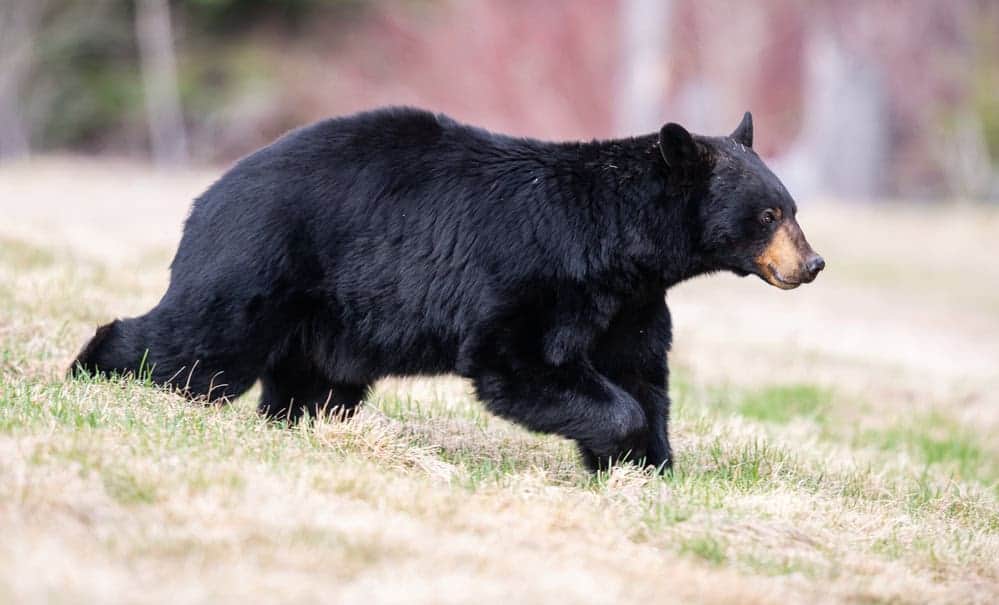
Their diet includes berries, nuts, insects, fish, and even small mammals.
6. Cubs stay with their mother for up to two years
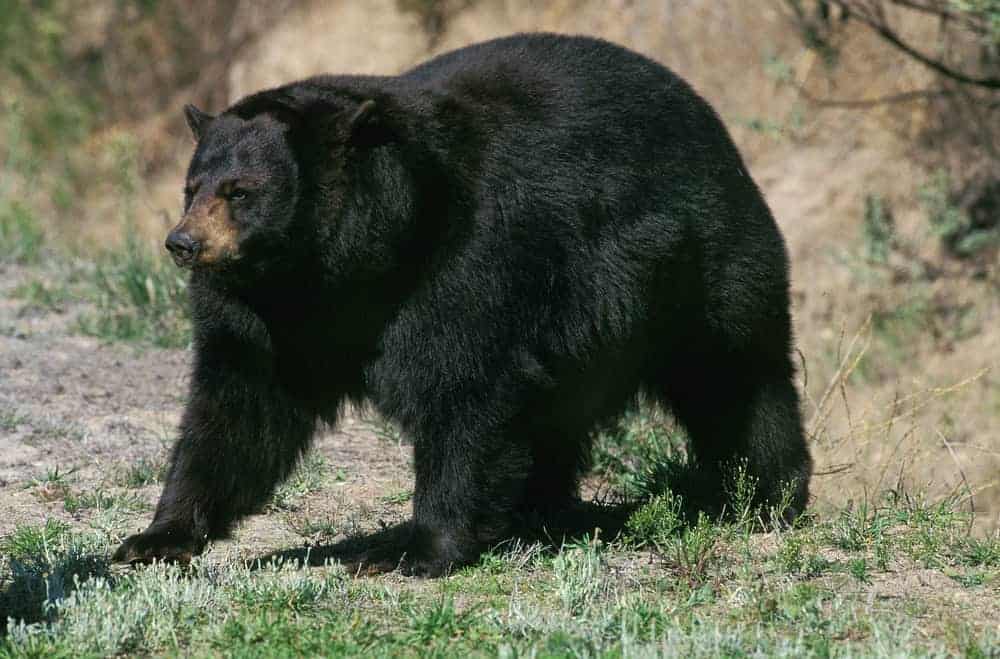
During this time, they learn essential survival skills.
7. Black bears communicate through body language and vocalizations
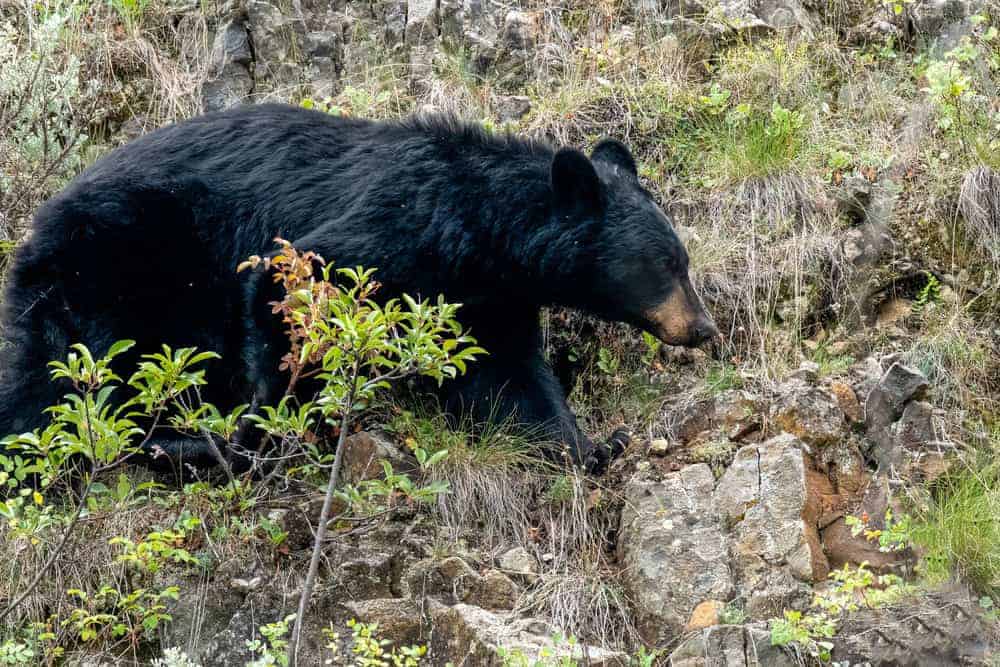
They huff, growl, or use posturing to express themselves.
8. They can run up to 35 miles per hour
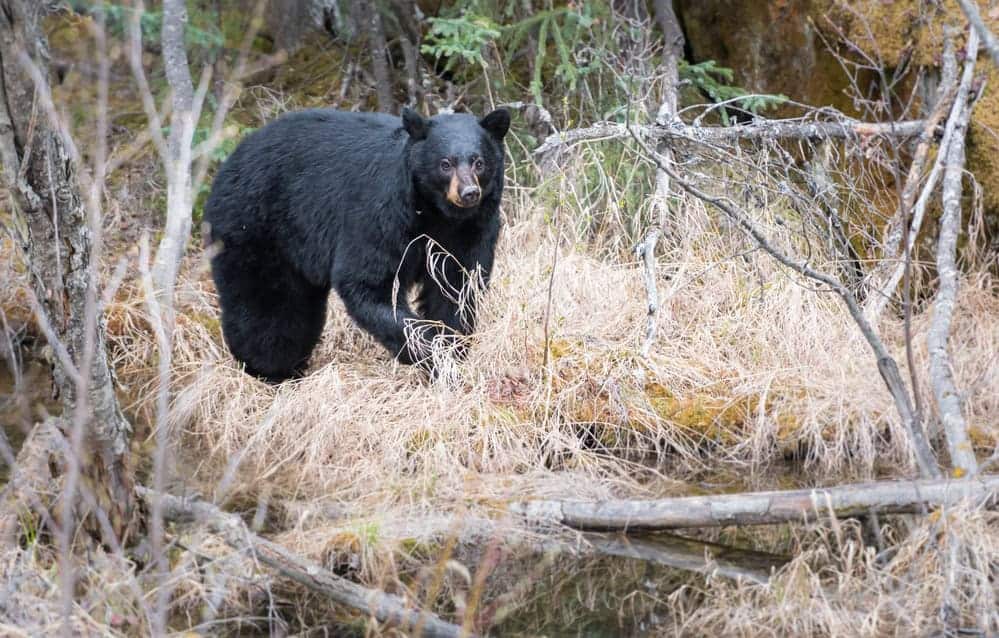
Despite their bulky appearance, they are incredibly fast runners.
9. Black bears can swim long distances
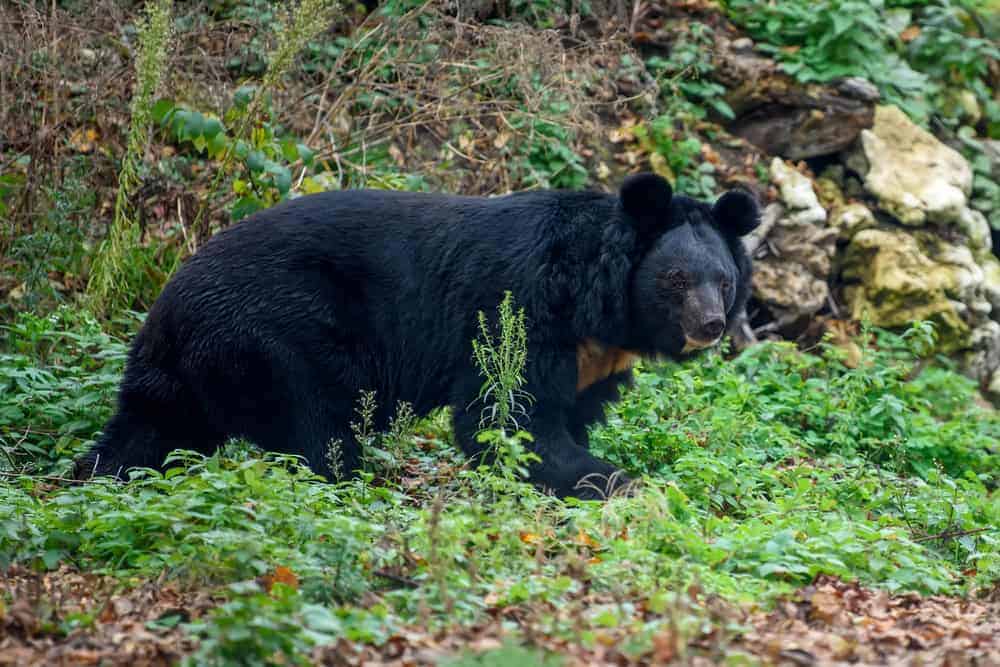
They are strong swimmers and often cross rivers and lakes in search of food.
10. Their fur isn’t always black
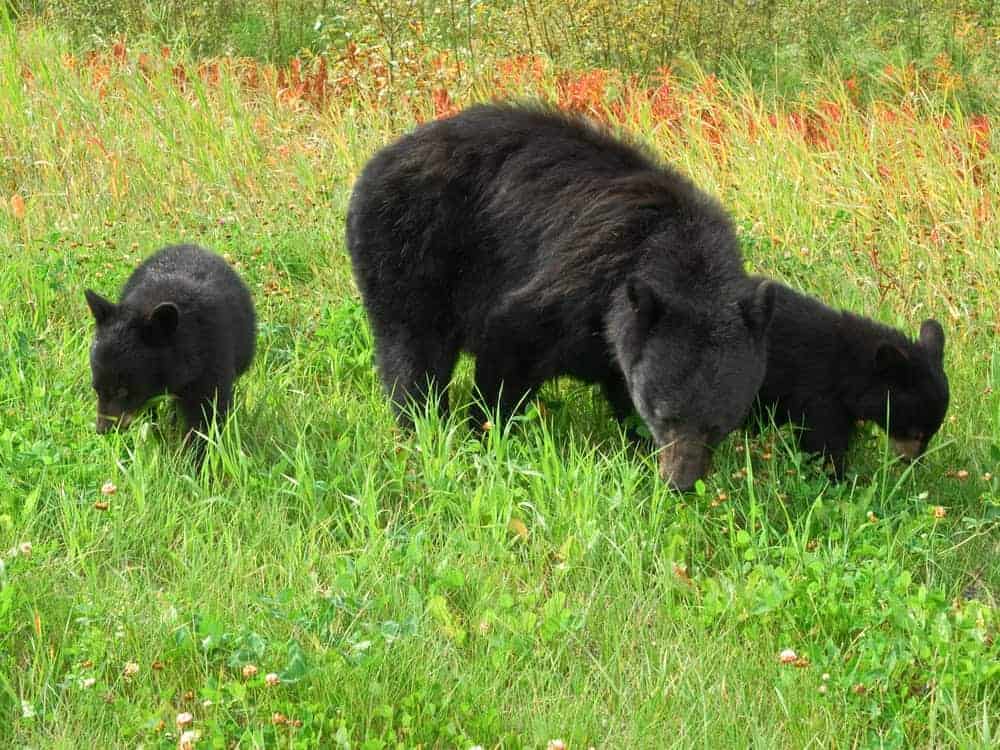
Some black bears have brown, cinnamon, or even blonde fur, depending on genetics and location.
You May Also Like:
- Bear Cubs Rescued from Huge 70ft Tree in British Colombia
- Brave Minnesota Woman Chases Bear Down Her Driveway to Save Her Dog’s Life
- Woman Hiking in South California Comes Face to Face with Bear (But Does All the Right Things)

adventuring, photography and videography. I am currently working towards a BSc in Biodiversity and Ecology at Stellenbosch University to go on to specialise in Marine Sciences one day.
Please send any feedback to Feedback@animalsaroundtheglobe.com
- Cat Gives An Unsuspecting Deer A Fright - July 19, 2026
- Are South Australia’s Toxic Algal Blooms to Blame For Sharks Coming on Shore? - July 18, 2026
- How Wildlife is Helping Track Human Impact - July 18, 2026