
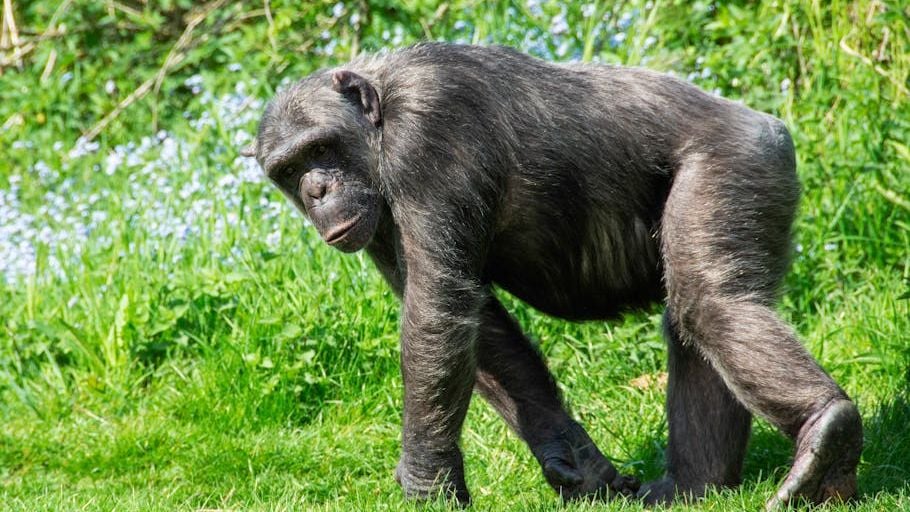
The Classic Picture of the Shared Ancestor
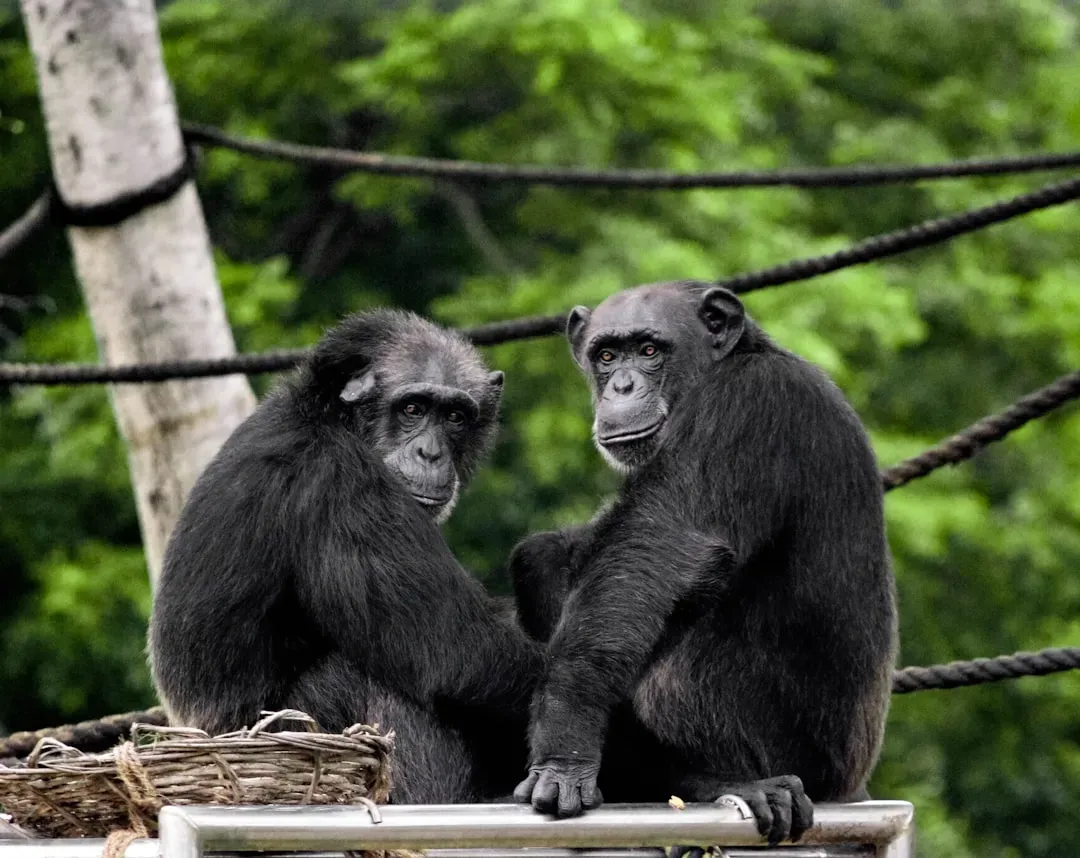
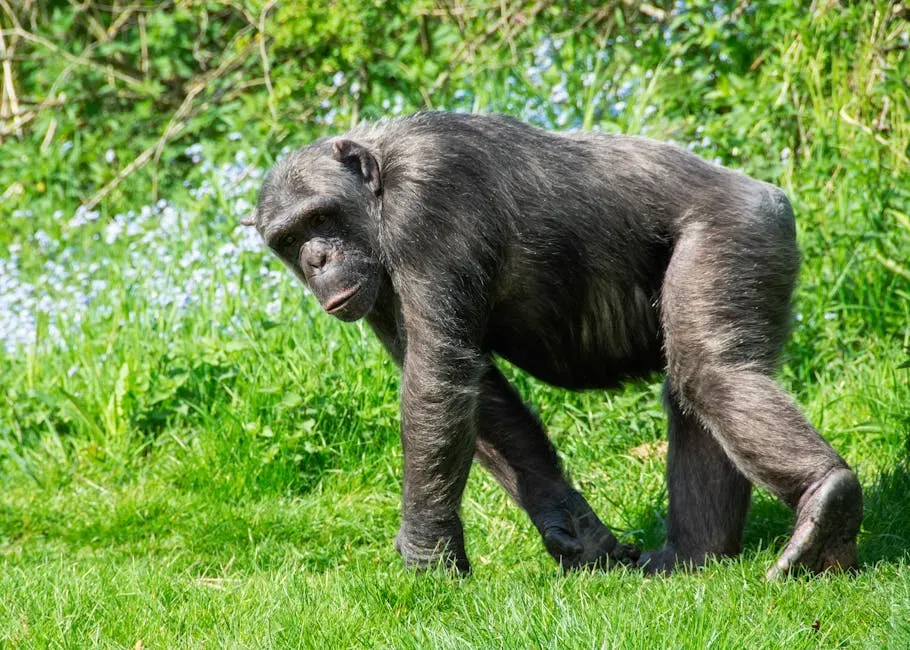
Textbooks long described this creature as a knuckle walker much like modern chimpanzees. It would have spent time in the canopy and come down to the forest floor on its hands and knuckles. That view shaped how researchers explained the later split into human and ape lines.
Knuckle walking seemed efficient for a life that mixed climbing with ground travel. It also fit neatly with the idea that bipedalism emerged only after the lineages diverged. The model placed our upright stride as a distinctly human innovation that came much later.
Fossil Clues That Challenge the Old Model
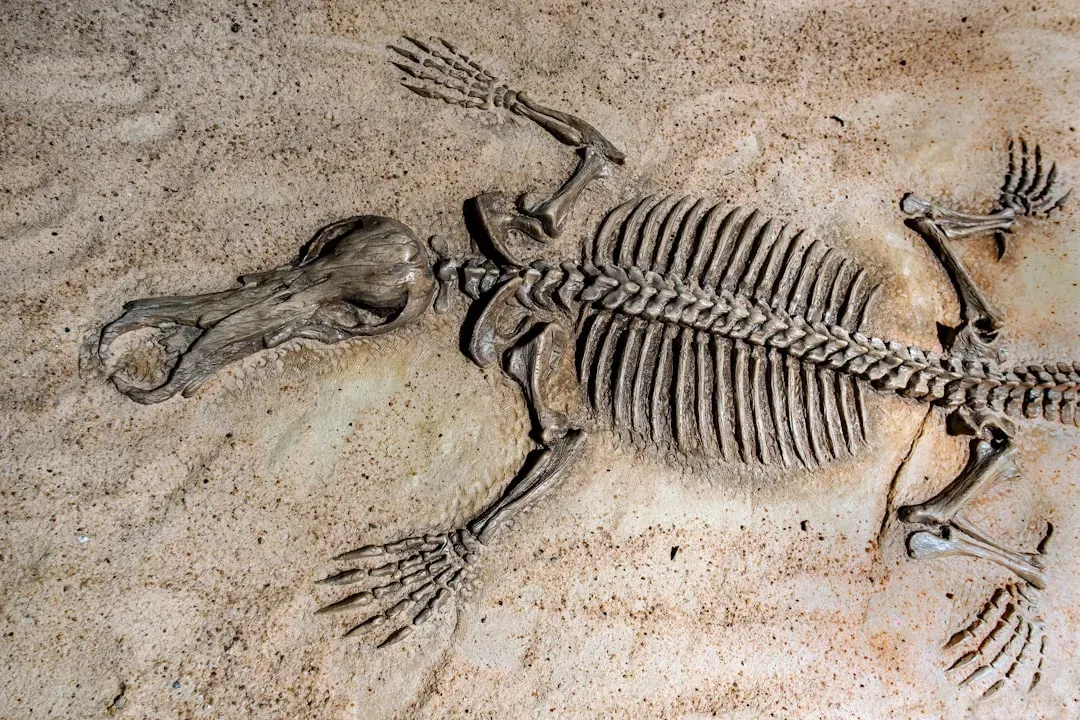
Bones from sites across Africa show early hominins with pelvises and leg bones already adapted for upright movement. These traits appear in species dated close to the estimated time of the split. The features suggest the ancestor itself carried some capacity for bipedal posture.
Researchers compare these fossils with chimpanzee skeletons and notice differences in the spine and hip that support more vertical balance. The evidence does not prove constant upright walking. It does indicate the ancestor was not limited to knuckle walking alone.
Anatomy That Supports Early Upright Movement
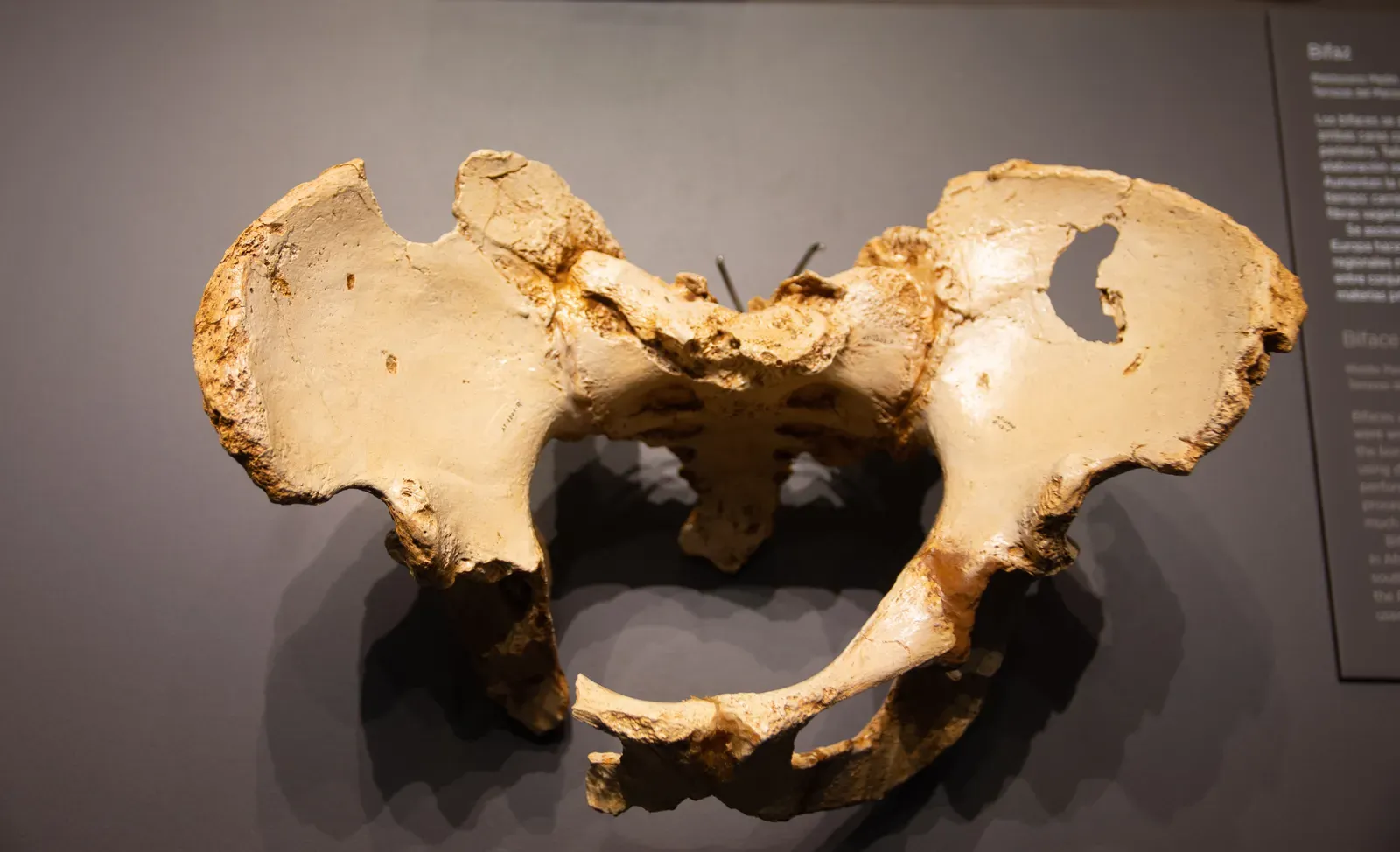
The shape of the pelvis in certain fossils allows the body to balance over the hips in a way that reduces the energy cost of standing tall. Arm bones still show strength for climbing yet lack the extreme adaptations seen in today’s chimpanzees. This mix points to a flexible locomotor style rather than one rigid pattern.
Foot bones from the same period reveal arches that could absorb shock during walking. Such details fit better with occasional ground travel on two legs than with constant knuckle walking. The combination of traits creates a picture of an ancestor comfortable in multiple postures.
How the Split Between Lines Might Have Occurred
Once the populations separated, one group may have spent more time on the ground where upright walking offered advantages in open areas. The other group stayed deeper in the forest and retained more climbing habits. Over time those different pressures shaped the bodies we see today.
Chimpanzees developed stronger knuckle walking features while the human line refined bipedalism. The ancestor did not need to be a full time walker for the trait to appear early. It only needed enough upright capability for natural selection to build upon later.
Changes This View Brings to the Evolutionary Timeline
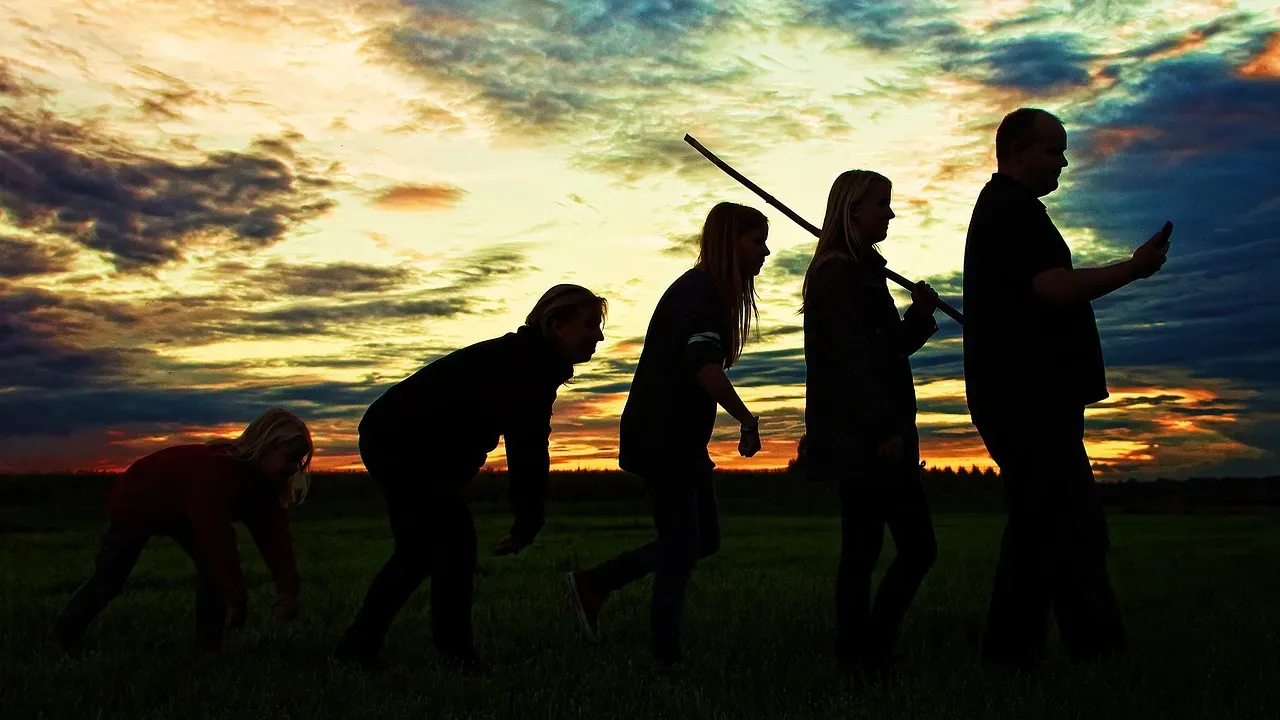
Placing upright posture before the split shortens the gap between the ancestor and the first clear human like walkers. It also lengthens the period during which both lines experimented with different movements. The result is a more gradual story rather than a sudden leap to bipedalism.
Researchers now look for signs of mixed locomotion in even older fossils. The search focuses on how small changes in daily habits could have favored upright balance over generations. This approach treats evolution as a series of small experiments instead of one dramatic shift.
Lessons for How We Picture Early Human Life
The revised image removes the sharp line between tree life and ground life. It suggests the ancestor moved through a mosaic of habitats where standing tall helped in some moments and climbing helped in others. That flexibility may have been the real advantage passed to both descendant lines.
Modern humans and chimpanzees both carry traces of that mixed heritage in their skeletons. The differences we notice today grew from choices made after the split rather than from a completely different starting point. The story becomes one of shared beginnings followed by separate paths.
Conclusion
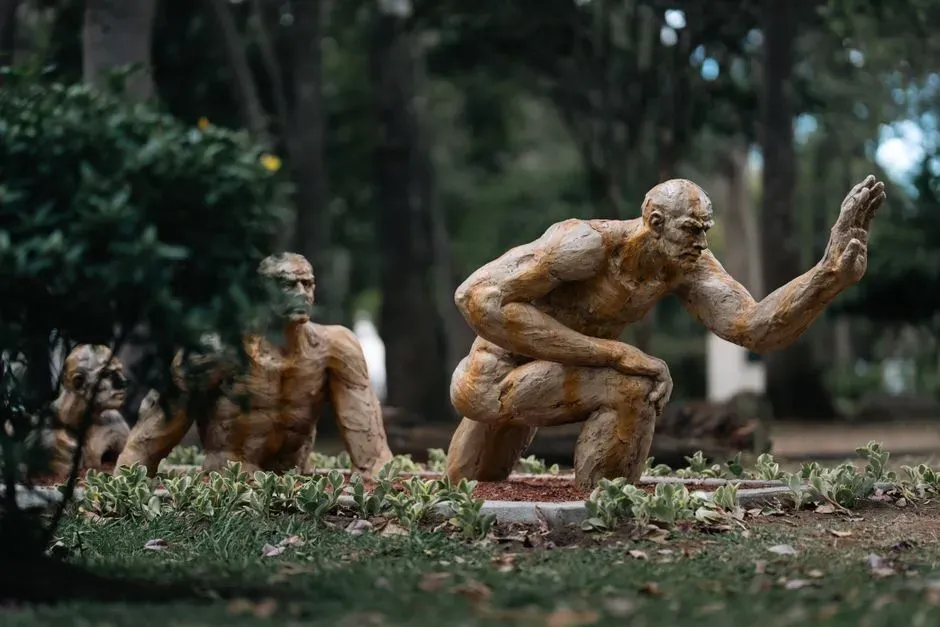
Seeing the last common ancestor as partly upright changes more than dates on a chart. It reminds us that human walking did not appear from nowhere but grew from abilities already present in our shared past. The evidence remains incomplete and open to new finds, yet the direction points toward a more connected and less abrupt origin story. Evolution rarely follows the neat lines we once drew, and this case shows why keeping an open mind about early posture matters. In the end the ancestor looks less like a missing link and more like a capable traveler whose small steps set the stage for everything that followed.
