

Researchers have successfully cloned an endangered black-footed ferret, marking a significant milestone in conservation efforts and genetic rescue techniques. The cloned ferret, named Elizabeth Ann, was born on December 10, 2020, and represents the first successful cloning of a native endangered species in North America. This remarkable achievement opens new doors for preserving biodiversity and potentially saving critically endangered species from extinction. The black-footed ferret, once declared extinct in the wild, has been given a new lifeline through this innovative application of reproductive technology.
The Black-Footed Ferret’s Path to Near Extinction

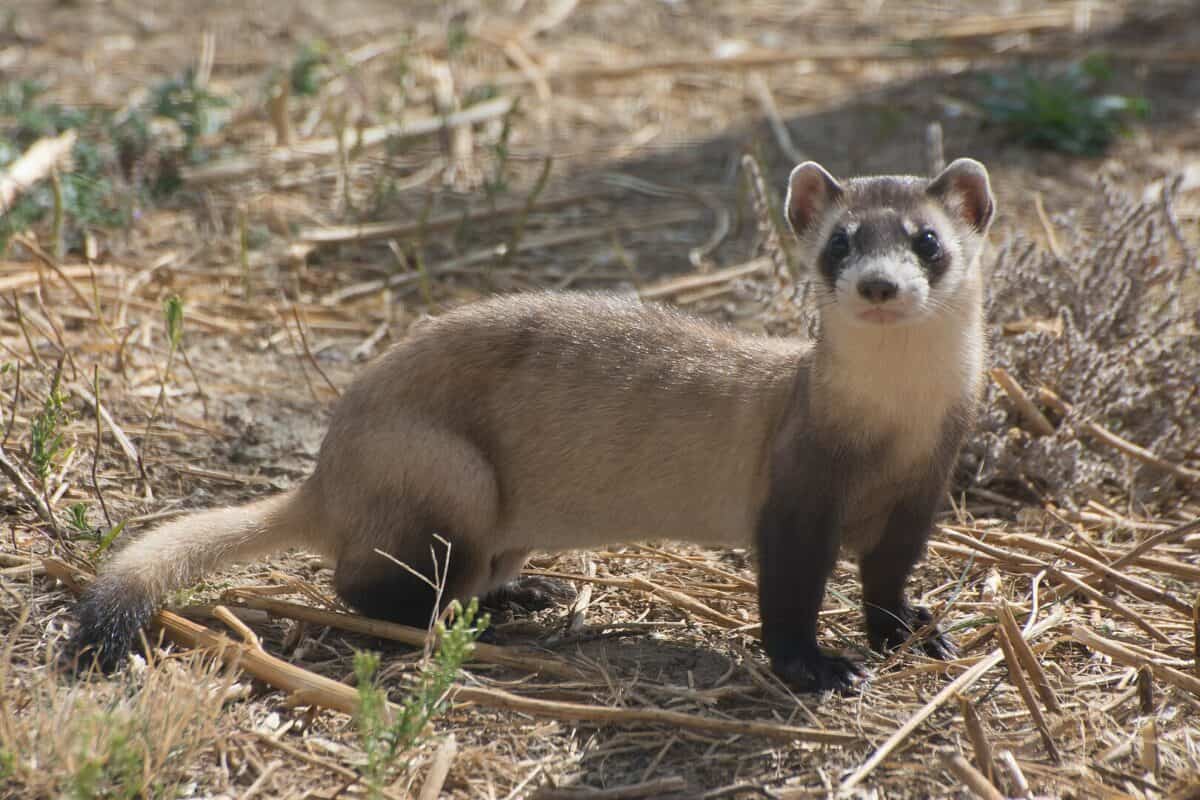
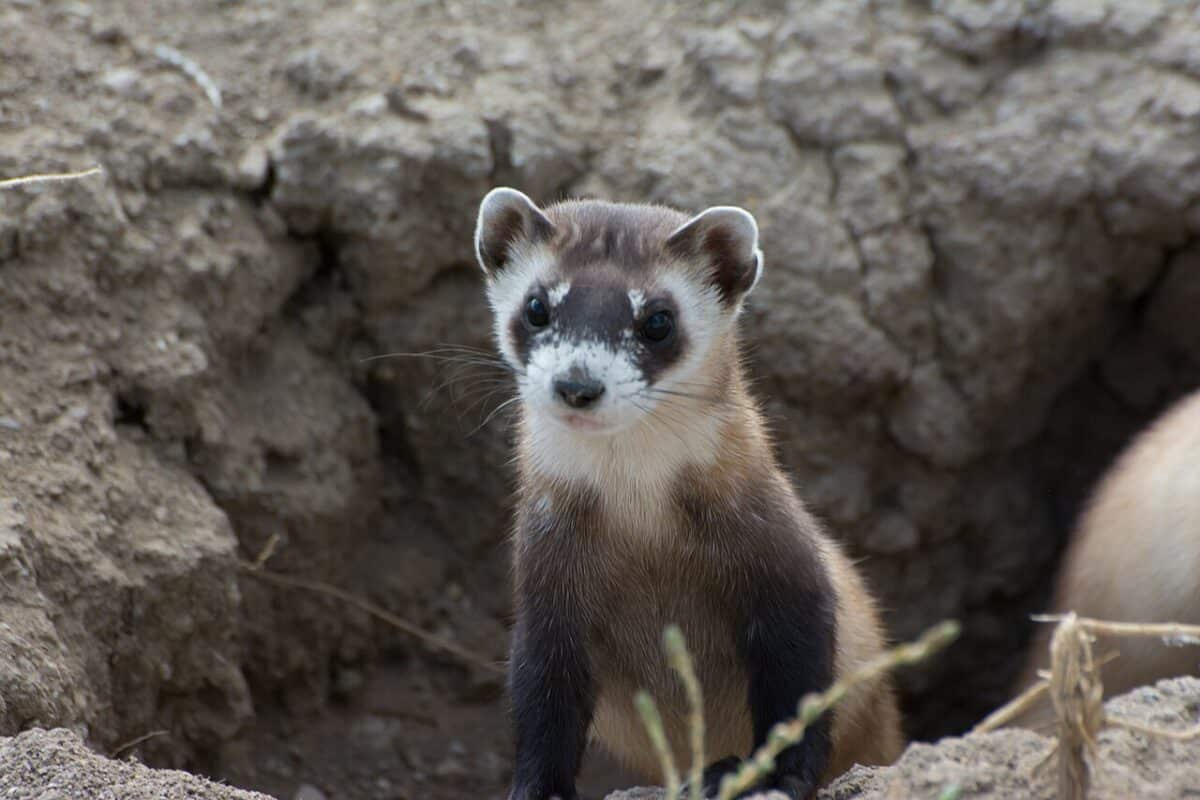
The black-footed ferret (Mustela nigripes) once thrived across the Great Plains of North America, with populations estimated in the tens of thousands. These small, weasel-like carnivores are specialized predators that rely almost exclusively on prairie dogs for food and shelter. By the mid-20th century, their numbers had plummeted dramatically due to widespread prairie dog eradication programs, habitat destruction through agricultural expansion, and outbreaks of sylvatic plague.
By 1979, they were declared extinct in the wild, only to be rediscovered in 1981 when a small colony was found near Meeteetse, Wyoming. This discovery triggered immediate conservation efforts, but by 1987, only 18 individuals remained, creating a severe genetic bottleneck that continues to threaten the species’ recovery today.
The Genetic Diversity Crisis

All black-footed ferrets alive today are descendants of just seven individuals from that last wild population discovered in Wyoming. This extremely narrow genetic foundation has created significant challenges for conservation biologists. Limited genetic diversity makes the species highly vulnerable to diseases, reduces reproductive success, and diminishes their ability to adapt to environmental changes. Before cloning became an option, conservationists had been fighting an uphill battle against inbreeding depression, with the entire species essentially becoming increasingly genetically similar with each generation. This lack of genetic variation represents one of the greatest threats to the species’ long-term survival, as it leaves populations susceptible to being wiped out by a single disease outbreak or environmental shift.
Willa: The Genetic Time Capsule

The key to the cloning breakthrough lies with a female black-footed ferret named Willa who died in 1988. Far-sighted conservationists had the foresight to preserve tissue samples from Willa before cryopreservation technology was widely used in wildlife conservation. These samples were sent to the San Diego Zoo Wildlife Alliance’s Frozen Zoo, where they remained preserved for over three decades.
What makes Willa particularly valuable is that she was captured from the wild and was not related to any of the breeding ferrets in the current population. Her genome contains genetic diversity that has been completely lost in today’s black-footed ferrets. By bringing Willa’s genes back into the population through cloning, scientists have essentially opened a time capsule of genetic diversity that could help strengthen the species against current and future threats.
The Scientific Breakthrough

The successful cloning was achieved through a collaborative effort between multiple organizations, including the U.S. Fish and Wildlife Service, Revive & Restore, San Diego Zoo Wildlife Alliance, ViaGen Pets & Equine, and the Association of Zoos and Aquariums. The process involved taking frozen cell samples from Willa and creating embryos using somatic cell nuclear transfer (SCNT) – the same technology used to create Dolly the sheep in 1996.
These embryos were then implanted into a domestic ferret surrogate mother, who successfully carried Elizabeth Ann to term. The procedure required multiple attempts and refinements of the cloning technique specifically for ferrets, as each species presents unique challenges for reproductive technologies. The successful birth of Elizabeth Ann demonstrates that cloning can be effectively applied to help save endangered species when traditional conservation methods alone are insufficient.
Elizabeth Ann: A Living Testament to Innovation

Elizabeth Ann, the cloned black-footed ferret, has become both a conservation symbol and a scientific milestone. Born on December 10, 2020, at the U.S. Fish and Wildlife Service’s National Black-footed Ferret Conservation Center in Colorado, she represents the first time an endangered species native to North America has been successfully cloned.
Early genetic testing confirmed that Elizabeth Ann is indeed a clone of Willa, containing the exact same nuclear DNA as her genetic donor who died more than 30 years earlier. Scientists have been closely monitoring her development, health, and behavior, which have all progressed normally. Unlike many early animal clones that suffered from health issues, Elizabeth Ann has shown no signs of developmental problems, suggesting significant improvements in cloning techniques. She remains at the conservation center, where she may eventually contribute her valuable genes to the breeding program.
The Science Behind Wildlife Cloning

Cloning an endangered species involves complex scientific processes that have evolved significantly since the birth of Dolly the sheep in 1996. The technique used for Elizabeth Ann is called somatic cell nuclear transfer (SCNT). In this process, scientists take a somatic (non-reproductive) cell from the animal they wish to clone – in this case, Willa’s preserved cells. They then remove the nucleus from this cell, which contains nearly all the genetic information.
This nucleus is transferred into a donor egg cell from which the original nucleus has been removed. The reconstructed embryo is then stimulated to begin dividing as if it had been naturally fertilized. For Elizabeth Ann, scientists used a domestic ferret as the egg donor and surrogate mother, demonstrating the compatibility between these closely related species. The process typically has a low success rate, with many attempts required before achieving a live birth, making this achievement all the more remarkable.
Conservation Implications of Cloning

The successful cloning of Elizabeth Ann has far-reaching implications for endangered species conservation worldwide. Rather than replacing traditional conservation methods, cloning represents a complementary tool that can address specific challenges like genetic bottlenecks. For species with critically low numbers, preserved genetic material from deceased individuals can now potentially be reintroduced to enhance genetic diversity.
This could help reduce susceptibility to disease and increase adaptive potential. Beyond ferrets, this technique could potentially benefit other endangered species like the northern white rhino, with only two females remaining alive. However, conservationists emphasize that cloning is not a silver bullet – the primary causes of species decline, such as habitat loss and human-wildlife conflict, must still be addressed. Cloning offers a genetic rescue strategy when all other options have been exhausted, but it works best as part of a comprehensive conservation approach.
Ethical Considerations in Wildlife Cloning

The cloning of endangered species raises important ethical questions that scientists and conservationists continue to grapple with. Critics question whether resources might be better spent on habitat preservation rather than expensive technological interventions. Others express concerns about the welfare of the animals involved in the cloning process, particularly surrogate mothers. There are also debates about whether cloning represents an inappropriate level of human intervention in natural processes.
Proponents counter that humans have already dramatically altered nature through habitat destruction and climate change, and that responsible use of technology is justified to counteract these negative impacts. With the black-footed ferret, conservationists argue that the species would already be extinct without human intervention, and cloning simply represents the next logical step in their commitment to saving the species. The consensus among most conservation organizations is that cloning should be approached cautiously, used selectively, and integrated within broader conservation strategies.
The Road to Recovery for Black-Footed Ferrets

The recovery program for black-footed ferrets represents one of the most intensive wildlife conservation efforts in North America. Since captive breeding began with the last 18 individuals, approximately 9,000 ferrets have been born in captivity, with over 4,100 reintroduced to the wild across eight states, Mexico, and Canada. Despite these efforts, only about 300 black-footed ferrets currently exist in the wild, with populations requiring ongoing management to survive.
The species faces multiple challenges, including limited habitat as prairie dog colonies continue to decline, persistent disease threats like sylvatic plague, and the ongoing impacts of their limited genetic diversity. Elizabeth Ann and future clones could help address the genetic challenges by introducing Willa’s unique genes into the captive breeding population. If successful, her descendants could eventually be released into the wild, bringing genetic rescue to natural populations. The recovery plan now aims to establish self-sustaining wild populations across the ferret’s historic range.
Future Applications of Cloning Technology

The success with Elizabeth Ann has opened doors for applying similar techniques to other endangered species facing genetic crises. Scientists are already exploring applications for species like the Przewalski’s horse, the northern white rhino, and various endangered big cats. Advances in reproductive technologies are being combined with cloning to create new conservation possibilities. For instance, researchers are working on techniques to create viable eggs and sperm from preserved skin cells, which could dramatically expand breeding options for nearly extinct species.
Genetic editing technologies like CRISPR might eventually be combined with cloning to help species adapt to challenges like disease resistance. The San Diego Zoo Wildlife Alliance’s Frozen Zoo now houses over 10,000 living cell cultures from more than 1,100 species and subspecies, creating a genetic library that could support future cloning efforts. While these technologies continue to develop, conservationists emphasize that they should complement, not replace, traditional approaches like habitat protection.
Public Reaction and Support for Wildlife Cloning
The announcement of Elizabeth Ann’s successful birth generated significant public interest and largely positive reactions from both the scientific community and the general public. Conservation organizations reported increased attention to the plight of endangered species following the news. The story helped highlight both the technological achievement and the dire situation facing many endangered species. Some wildlife organizations initially hesitant about cloning have begun reconsidering their positions in light of Elizabeth Ann’s success.
Public opinion surveys conducted after the announcement showed growing acceptance of cloning when applied specifically to conservation, as opposed to commercial or pet cloning applications. Educational institutions have incorporated the case into curriculum materials, using it to stimulate discussions about conservation ethics and the role of technology in environmental protection. This public engagement has proven valuable for conservation organizations working to save not just black-footed ferrets but numerous endangered species.
Challenges and Limitations of Conservation Cloning
Despite the breakthrough with Elizabeth Ann, conservation cloning faces significant challenges and limitations. The technology remains expensive, with each cloning attempt costing tens of thousands of dollars, raising questions about resource allocation in conservation. Success rates remain relatively low, with many embryos failing to develop normally. Not all species are equally amenable to cloning, with some presenting biological barriers that current techniques cannot overcome.
The quality and availability of preserved genetic material also represents a constraint, as many extinct or critically endangered species lack properly preserved cells suitable for cloning. Additionally, reintroducing genetic diversity through cloning is just one component of recovery; without addressing habitat loss, disease, and other threats, even genetically rescued populations may continue to decline. Scientists and conservationists acknowledge these limitations while continuing to refine techniques and develop integrated approaches that combine technological intervention with ecosystem-level conservation.
The Future of Endangered Species Conservation

The successful cloning of Elizabeth Ann represents a watershed moment in conservation biology that may fundamentally alter how we approach saving critically endangered species. The achievement bridges traditional conservation methods with cutting-edge biotechnology, potentially offering new hope for species on the brink of extinction. Looking forward, conservation strategies will likely become increasingly sophisticated, combining habitat preservation, disease management, captive breeding, genetic rescue, and potentially cloning when appropriate.
The genetic libraries being assembled at institutions like the Frozen Zoo may serve as biodiversity insurance policies, preserving options for future conservation interventions. Scientists predict that as cloning technology becomes more efficient and cost-effective, it could be applied more widely in conservation programs worldwide. The most promising vision involves using these advanced tools to buy time for endangered species while simultaneously addressing the root causes of their decline, creating a more comprehensive approach to biodiversity conservation for future generations.
Conclusion: A New Chapter in Conservation Science

The successful cloning of Elizabeth Ann, the black-footed ferret, marks a pivotal moment in conservation history that demonstrates how advanced biotechnology can be harnessed to protect biodiversity. This achievement represents not just a technological milestone but a conceptual shift in how we might approach the extinction crisis, offering a powerful new tool to complement traditional conservation methods.
While cloning cannot address habitat loss, climate change, or other primary threats to wildlife, it provides a means to restore lost genetic diversity that may prove crucial for the long-term survival of species that have passed through severe population bottlenecks. As we face unprecedented rates of species loss globally, this innovative approach offers a glimmer of hope and underscores humanity’s growing capacity to develop solutions to environmental challenges. The ultimate legacy of Elizabeth Ann may be not just her contribution to black-footed ferret recovery but her role in pioneering a new frontier in our efforts to preserve the remarkable diversity of life on Earth.

- Essential Grooming Tips to Keep Your Pup’s Coat Healthy! - July 30, 2026
- 17 “Forever Puppy” Dog Breeds With Baby Personalities - July 29, 2026
- How Each Zodiac Sign Would Fare as an Animal in the Jungle - July 29, 2026