


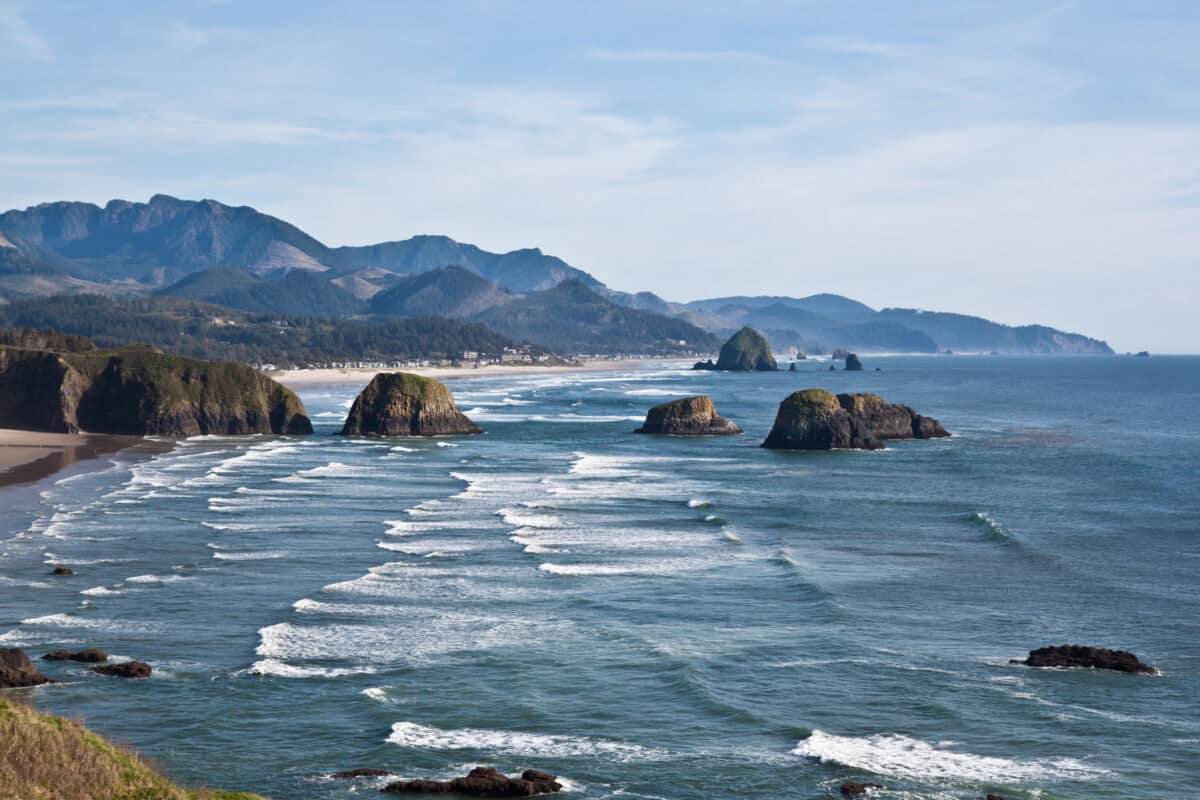
Oregon’s coast, known for its stunning views and serene beauty, is experiencing a significant uptick in earthquake activity, raising both interest and concern among scientists and residents alike. This development underscores the dynamic geological nature of the Pacific Northwest and prompts a closer examination of the region’s seismic risks and preparedness strategies.
The Geographical Context

The state’s coastline is part of the volatile Pacific Ring of Fire, a major area in the basin of the Pacific Ocean where a large number of earthquakes and volcanic eruptions occur. The Cascadia Subduction Zone, a convergent plate boundary stretching from northern California to British Columbia, plays a central role in this seismic activity. Understanding the intricacies of this zone is crucial to comprehending why earthquakes along Oregon’s coast are on the rise.
A Rise in Seismic Events

Recent data indicates an increase in the frequency of earthquakes along Oregon’s coast. While most of these are minor tremors that go unnoticed by residents, the heightened activity suggests a shift in tectonic movements. Scientists are employing advanced seismic monitoring technology to track and analyze these movements, gaining insights into their future implications.
Understanding Earthquake Magnitude and Frequency

Earthquakes are measured in terms of magnitude and frequency. Magnitude refers to the energy released during an earthquake, while frequency pertains to how often these tremors occur. Along Oregon’s coast, both parameters are showing upward trends, indicating a need for heightened awareness and preparation among local communities.
The Role of the Cascadia Subduction Zone
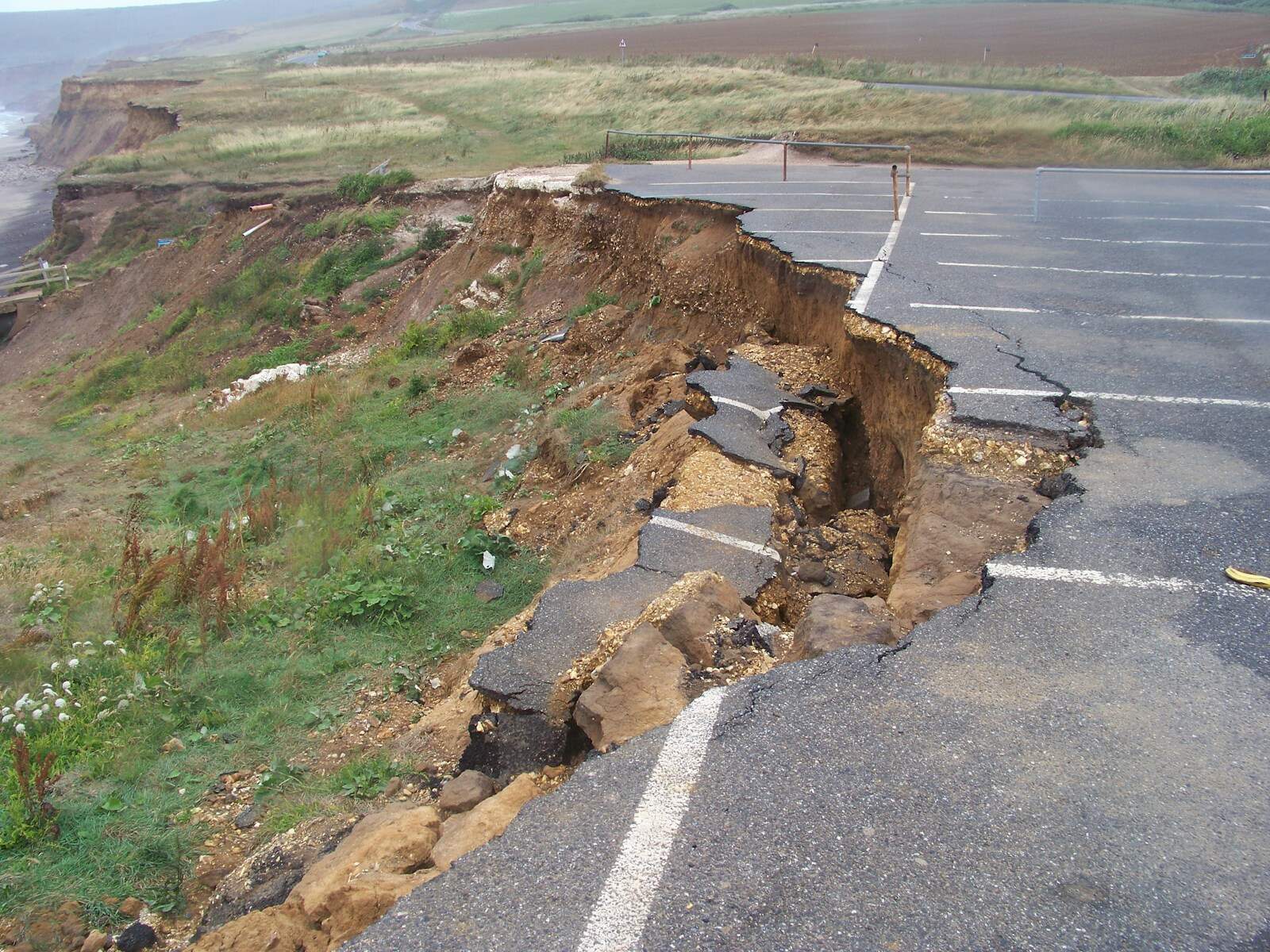
The Cascadia Subduction Zone is a fault that separates the Juan de Fuca Plate to the west from the North American Plate to the east. The increasing activity along this zone points to the continual and complex interactions between these massive tectonic plates. Scientists monitor the potential for a significant seismic event, often referred to as the “Cascadia Megaquake,” which could have profound consequences for the region.
Technological Advancements in Monitoring
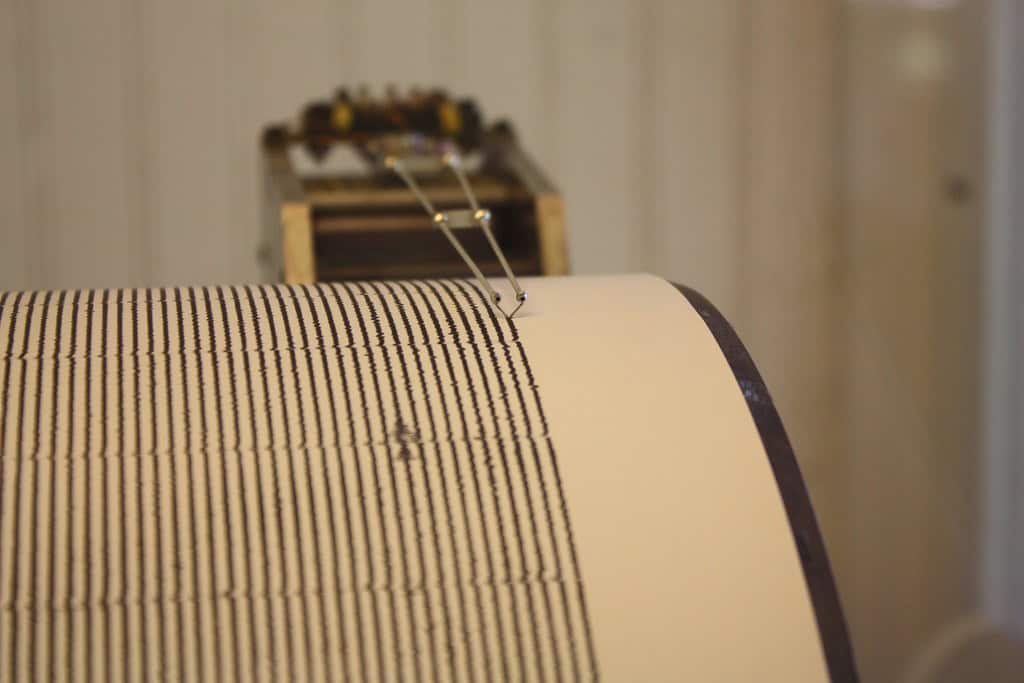
To better understand and predict seismic activity, scientists are utilizing cutting-edge technologies, including seismometers, GPS arrays, and ocean-bottom sensors. These advancements allow for more precise tracking of plate movements and can provide early warnings of potential earthquakes and tsunamis.
Implications for Local Communities
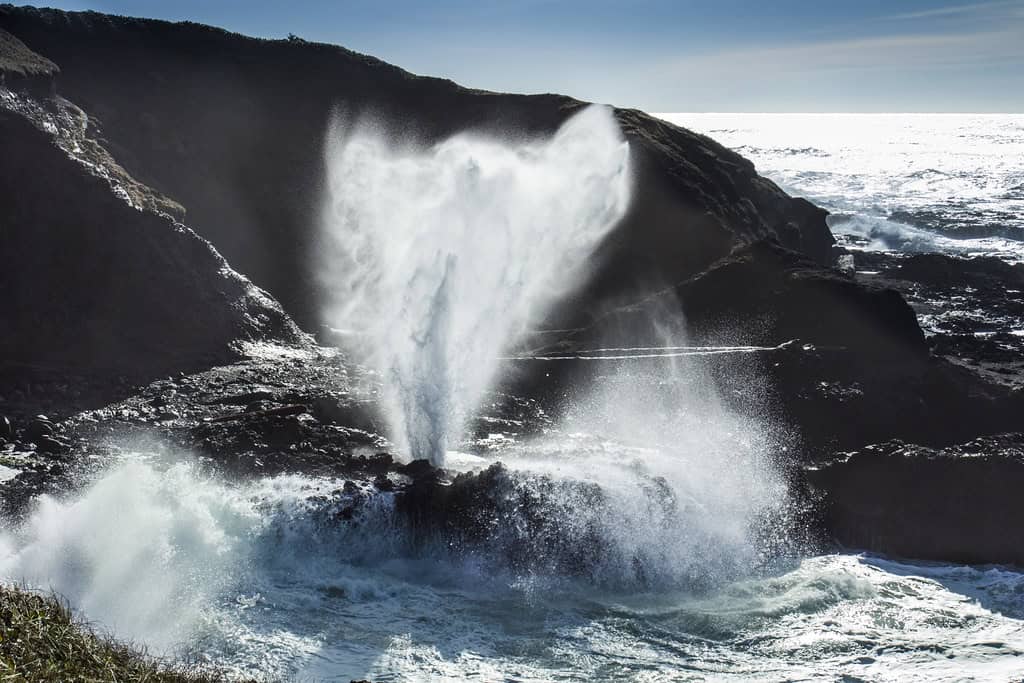
The rise in earthquake activity necessitates that coastal communities remain vigilant and prepared. Emergency response strategies are being revised and strengthened, emphasizing the importance of comprehensive disaster preparedness programs. Awareness campaigns are also critical in educating the public about the risks and safety measures associated with living in an earthquake-prone region.
Impact on Infrastructure

Increased seismic activity poses a threat to the infrastructure along Oregon’s coast. Authorities are reevaluating the integrity of buildings, bridges, and other critical structures, ensuring they are equipped to withstand potential seismic forces. Upgrading infrastructure resilience is a key aspect of community safety and disaster mitigation.
Environmental and Ecological Considerations
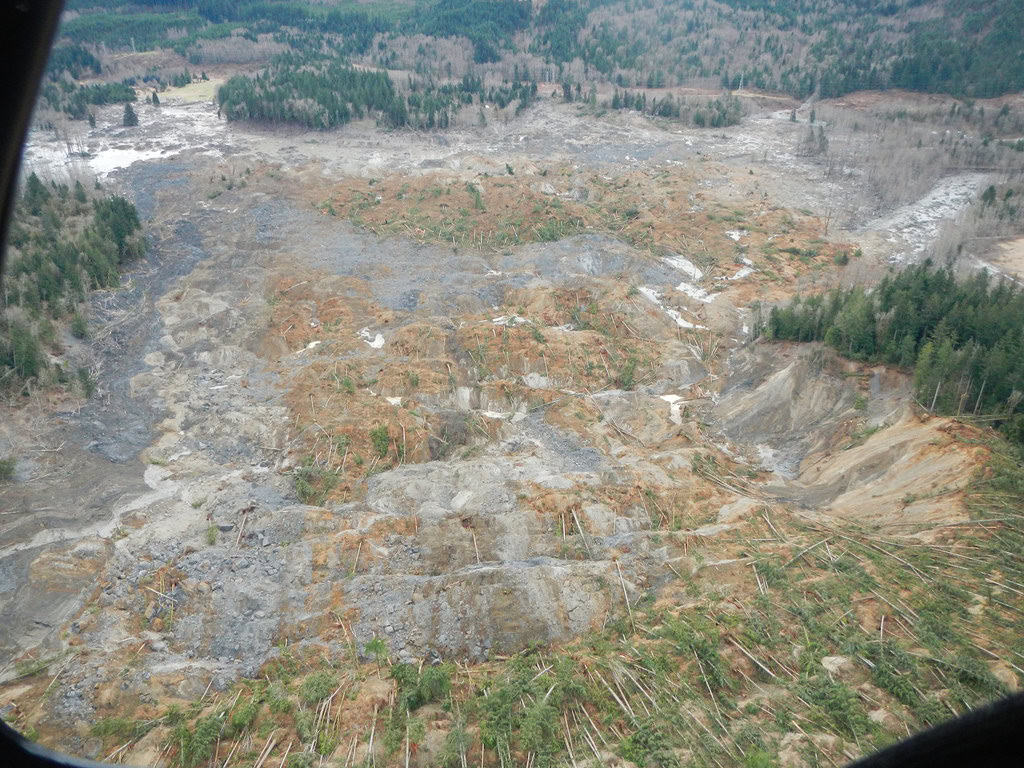
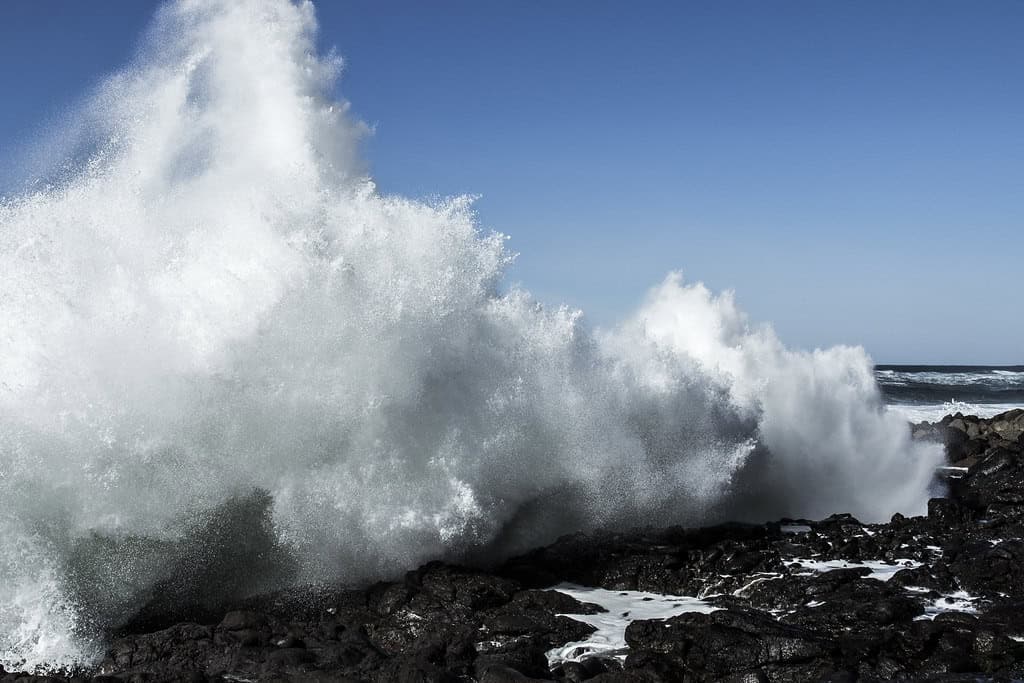
The environmental impact of increased earthquake activity is another area of concern. Seismic events can trigger landslides, alter waterways, and affect local ecosystems. Understanding these potential changes is essential for preemptive environmental planning and conservation efforts.
Seismic Risk Assessment
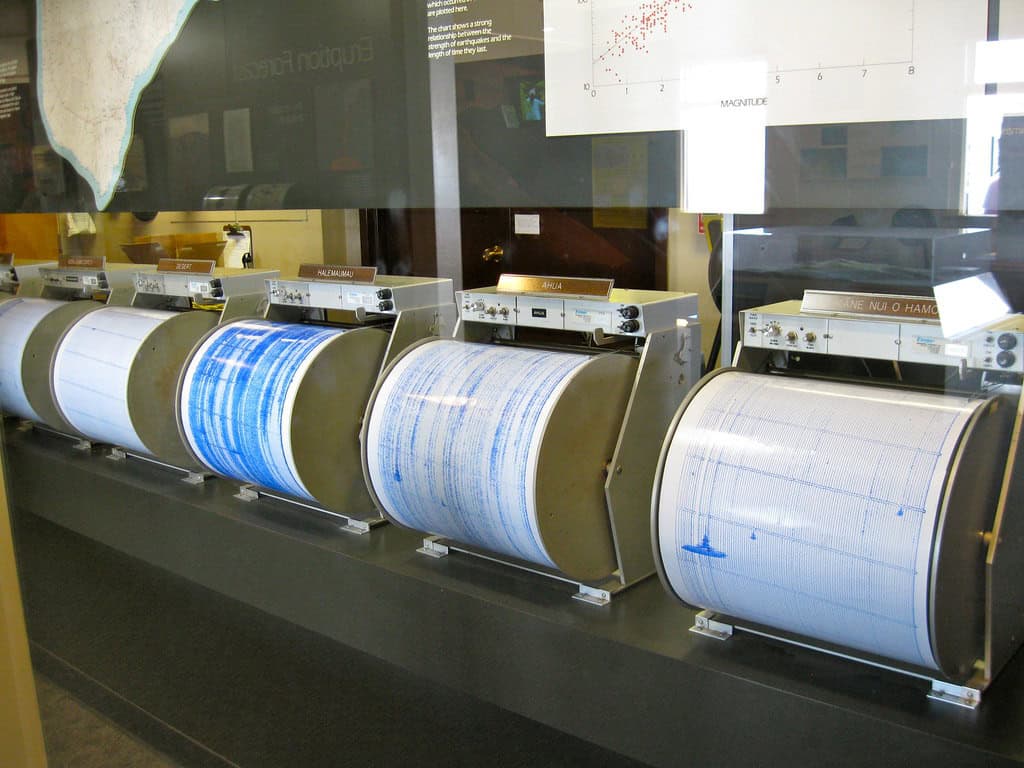
Conducting a detailed seismic risk assessment involves analyzing geological data, historical earthquake activity, and current tectonic conditions. These assessments guide policymakers and planners in crafting more resilient urban designs and infrastructure plans that account for the heightened seismic risk.
Public Awareness and Education

Public education plays an essential role in enhancing community resilience. Workshops, drills, and informational sessions can help residents understand evacuation routes, safe practices, and emergency communication methods, empowering them to respond effectively during an earthquake event.
Future Research and Collaboration
Ongoing research into earthquake activity along Oregon’s coast benefits from collaboration between geoscientists, engineers, policymakers, and community leaders. Together, these stakeholders are working on innovative solutions to improve seismic resilience and reduce the potential impact of future earthquakes.
Conclusion: Preparing for a Dynamic Future
As the data confirms rising earthquake activity along Oregon’s coast, it is imperative for communities, scientists, and authorities to work collaboratively in addressing the challenges and maximizing preparedness. By embracing cutting-edge technology, comprehensive risk assessment, and public education, the region can enhance its resilience against the ever-present threat of seismic events. The cascading effects of these efforts will ensure a safer and more informed population, ready to face the dynamic challenges of the geological landscape.

From exploring the marine wonders in the Azores and witnessing the vast savannas of Kenya, to delving deep into the rich biodiversity of South Africa and traversing iconic landscapes in Australia and the US like Yellowstone, Chris's experiences are vast.
With a penchant for diving alongside sharks, the ocean holds a special place in his heart.
Through his academic insights, he champions wildlife conservation, striving with 'Animals Around The Globe' to cultivate a profound connection between humans and animals, enhancing our mutual appreciation.
Connect with him at Feedback@animalsaroundtheglobe.com.
- Why Spiders Don’t Get Stuck in Their Own Webs - July 20, 2026
- What Scientists Found in a 10,000-Year-Old Beehive - July 20, 2026
- This Spider Builds Fake Decoys of Itself - July 20, 2026