

In a groundbreaking discovery, scientists have identified a new fault line in the United States that could potentially unleash a massive earthquake. This revelation adds another layer of complexity to our understanding of seismic risks in the country and underscores the importance of preparedness. In this article, we explore the background, potential impact, and wider implications of this discovery.
What is a Fault Line

A fault line is a fracture or zone of fractures between two blocks of rock, which allows them to move relative to each other. These movements can cause the ground to shake and result in earthquakes. Fault lines are critical in understanding seismic activity, as they mark the sites where earthquakes are most likely to occur.
The Discovery of the New Fault Line
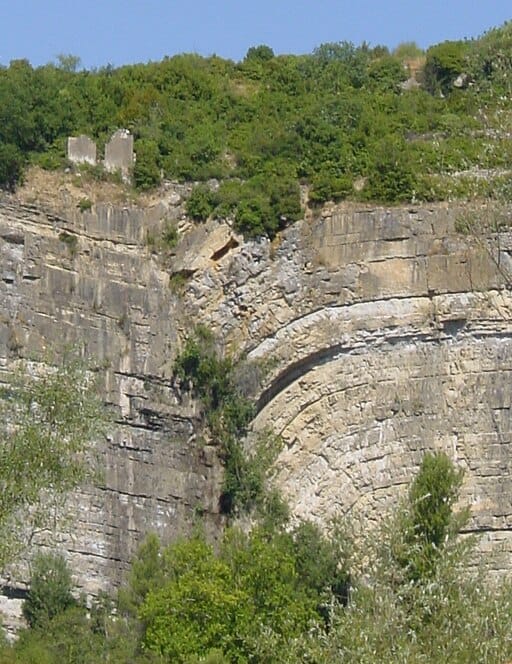
The newly discovered fault line was identified by a team of geologists using advanced imaging techniques and extensive fieldwork. This fault had previously gone unnoticed because it is buried beneath layers of sediment and vegetation, making it difficult to detect through conventional means.
Potential Impact of a Megaquake

A megaquake triggered by this fault line could have catastrophic consequences. Such an event would not only cause significant ground shaking but could also lead to secondary hazards such as landslides, tsunamis, and infrastructure damage. The economic and social impact could be severe, disrupting lives and communities across the affected regions.
Historical Context of Earthquakes in the U.S.

The United States has experienced several significant earthquakes in its history. From the 1811-1812 New Madrid earthquakes in the central U.S. to the 1906 San Francisco earthquake, these events have shaped our understanding of seismic risks. Each occurrence prompts advancements in building codes, emergency preparedness, and public awareness.
Advanced Technologies in Fault Line Detection

The discovery of this fault line highlights the role of advanced technologies in seismic research. Tools such as LIDAR imaging, GPS monitoring, and seismic tomography enable scientists to uncover previously hidden geological features. These technologies are essential for mapping fault lines and assessing earthquake risks more accurately.
The Science of Earthquake Prediction
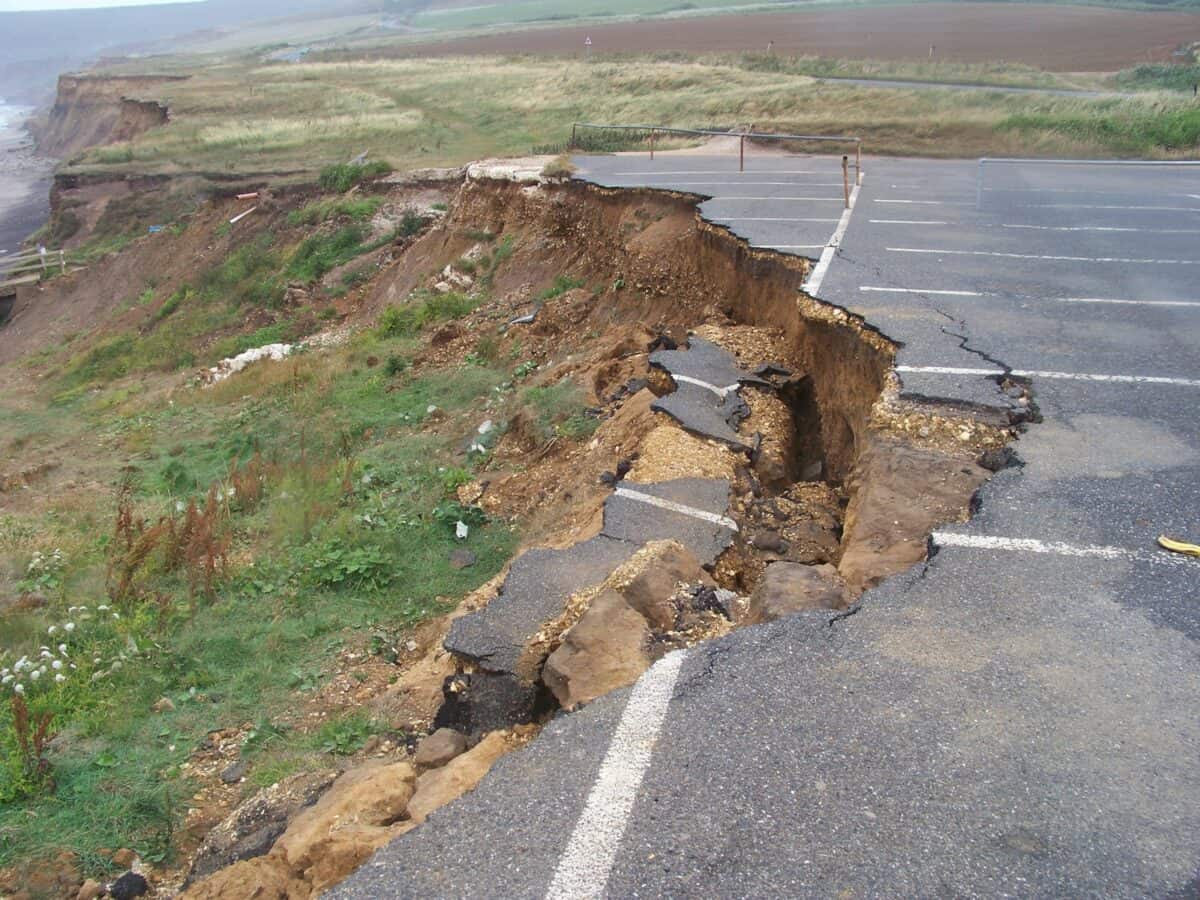
While predicting the exact time and location of an earthquake remains a challenge, scientists are making strides in understanding the conditions that lead to seismic events. Through meticulous analysis of fault lines and historical data, researchers aim to refine prediction models and improve warning systems.
The Role of Human Activity in Earthquakes
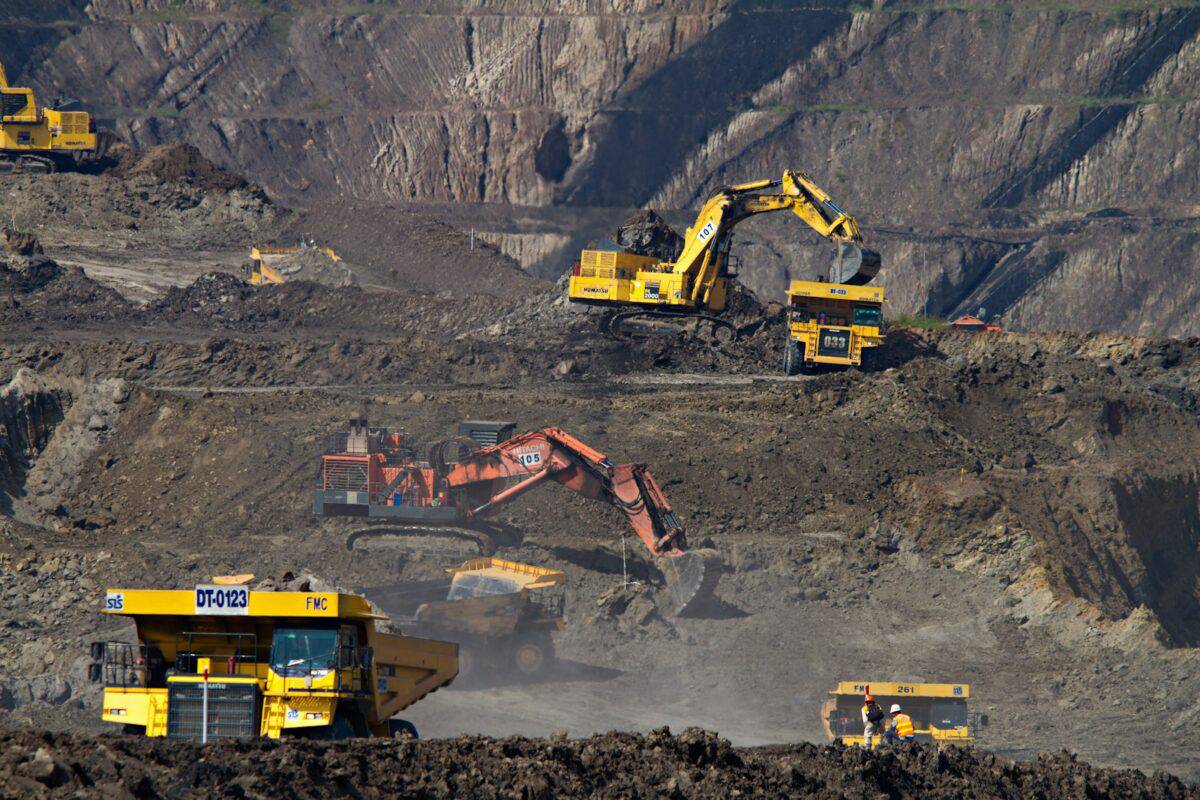
Human activities, such as mining, reservoir-induced seismicity, and fracking, can induce, exacerbate, or trigger seismic events. Understanding the interplay between human actions and natural fault lines is crucial in mitigating earthquake risks and planning for the future.
Seismic Preparedness and Public Awareness

In light of new seismic discoveries, public education and preparedness are more important than ever. Communities at risk of earthquakes must be equipped with the knowledge and resources to respond effectively. This includes emergency kits, awareness training, and evacuation plans to ensure safety during a seismic event.
Infrastructure and Building Codes
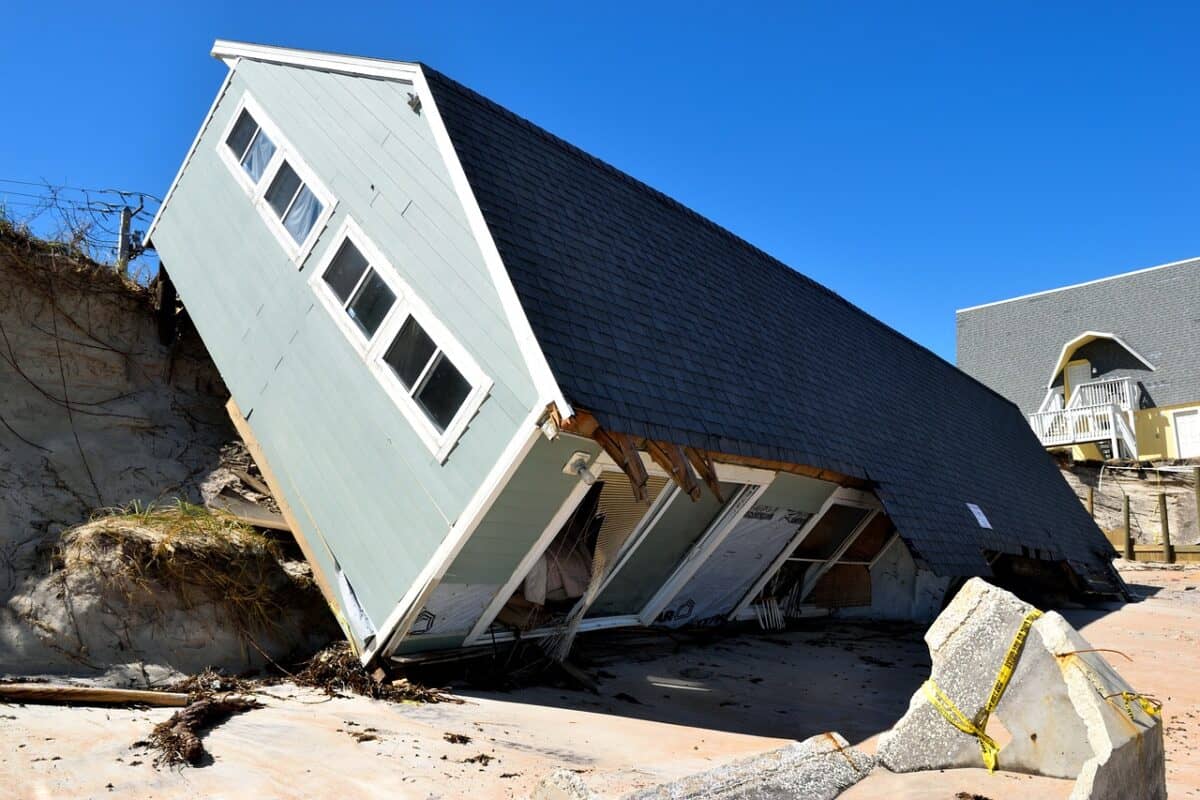
Earthquake-prone areas in the U.S. often have stringent building codes designed to minimize structural damage during seismic events. As we learn more about new fault lines, these regulations and practices continue to evolve, ensuring that buildings and infrastructure can withstand potential quakes.
Collaborations in Seismic Research

The discovery and study of fault lines are often the result of collaborations among geologists, engineers, government agencies, and research institutions. These partnerships enhance data sharing, foster innovative research, and promote comprehensive strategies to tackle seismic risks.
Implications for Future Research
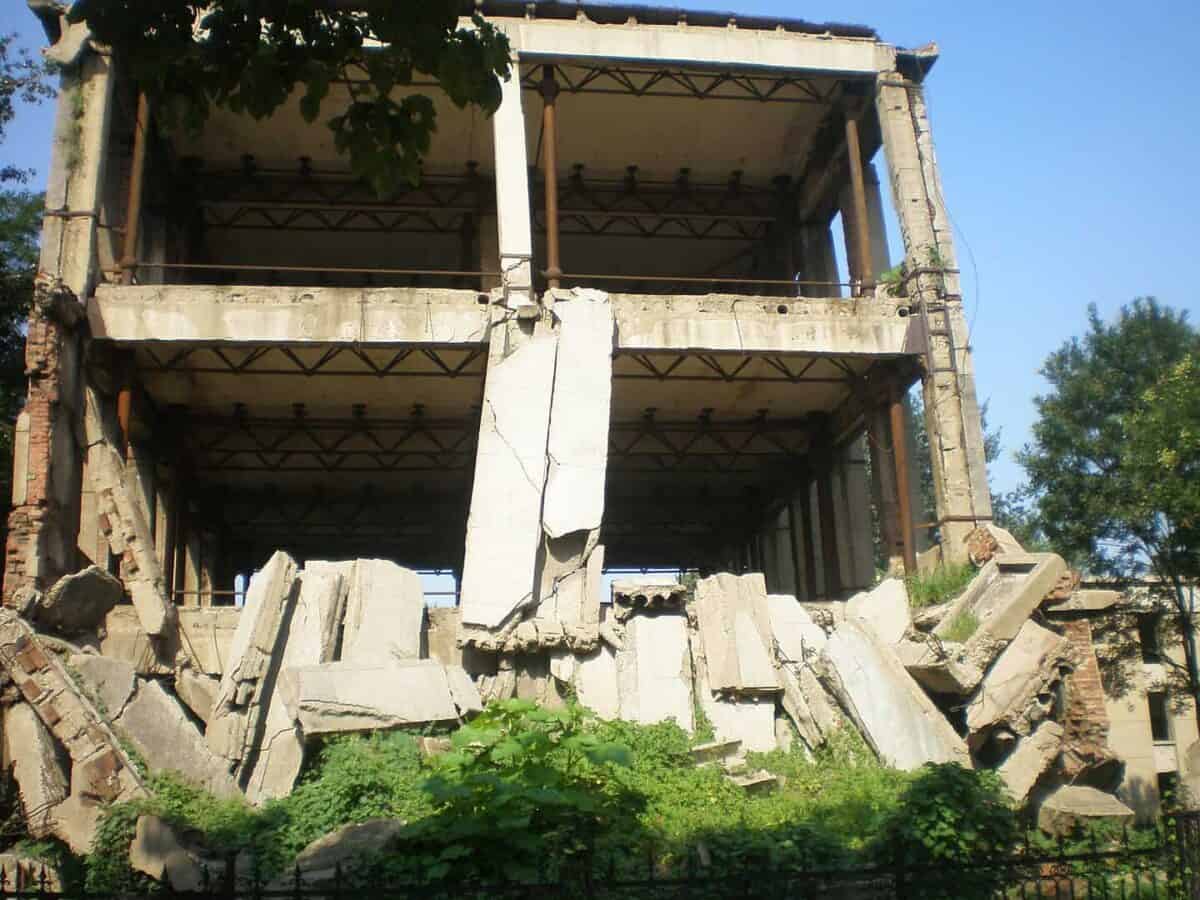
The identification of a new fault line opens up avenues for further research on seismic activity and geological formations. Continued exploration and study can enhance our understanding of earthquake dynamics and improve readiness and resilience strategies across susceptible regions.
Moving Forward

As we advance our understanding of fault lines and earthquake risks, it is crucial to focus on resilience and adaptation. Communities must invest in infrastructure that can endure seismic impacts, implement effective emergency response plans, and engage in ongoing public education to ensure that citizens are prepared for future events.
In conclusion, the discovery of a new fault line with the potential to trigger a U.S. megaquake serves as a reminder of the natural forces that shape our world. It emphasizes the need for vigilance, preparation, and continuous research to safeguard lives and livelihoods against the threat of seismic activities.

- How Rhinoceros Males Compete for Mating Rights in the Wild - July 18, 2026
- 13 Spider Species Thriving in Changing Environments - July 18, 2026
- The World’s Deadliest Plants and What Makes Them So Lethal - July 18, 2026