


When researchers stumbled upon a groundbreaking method hidden in something as ordinary as animal poo, they knew they were onto something big. What seemed like waste turned out to be a goldmine of genetic material that could help save species on the brink of extinction.
Unlocking the Power of Poo

Animal feces are more than just waste—they contain living cells shed from the intestines. Scientists at Oxford University recently found that some of these cells remain viable when collected fresh. By carefully extracting and preserving them, researchers have opened a new door for conservation biology.
A Hidden Treasure in Dung
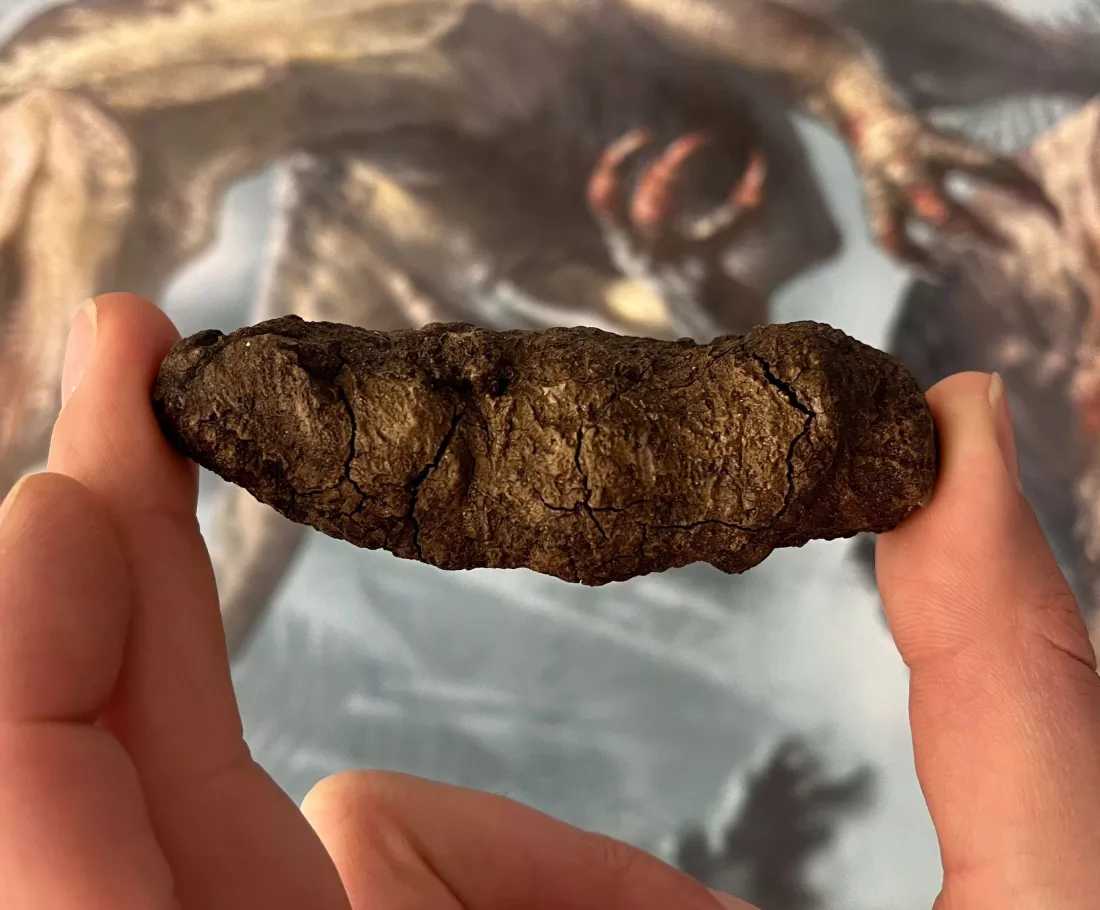
For years, conservationists have relied on tracking, habitat protection, and breeding programs to preserve endangered animals. But now, they’ve realized that feces provide an unexpected resource. By analyzing the DNA in these cells, experts can assess genetic diversity and monitor population health without capturing or disturbing wild animals.
Turning Cells Into Life-Saving Solutions
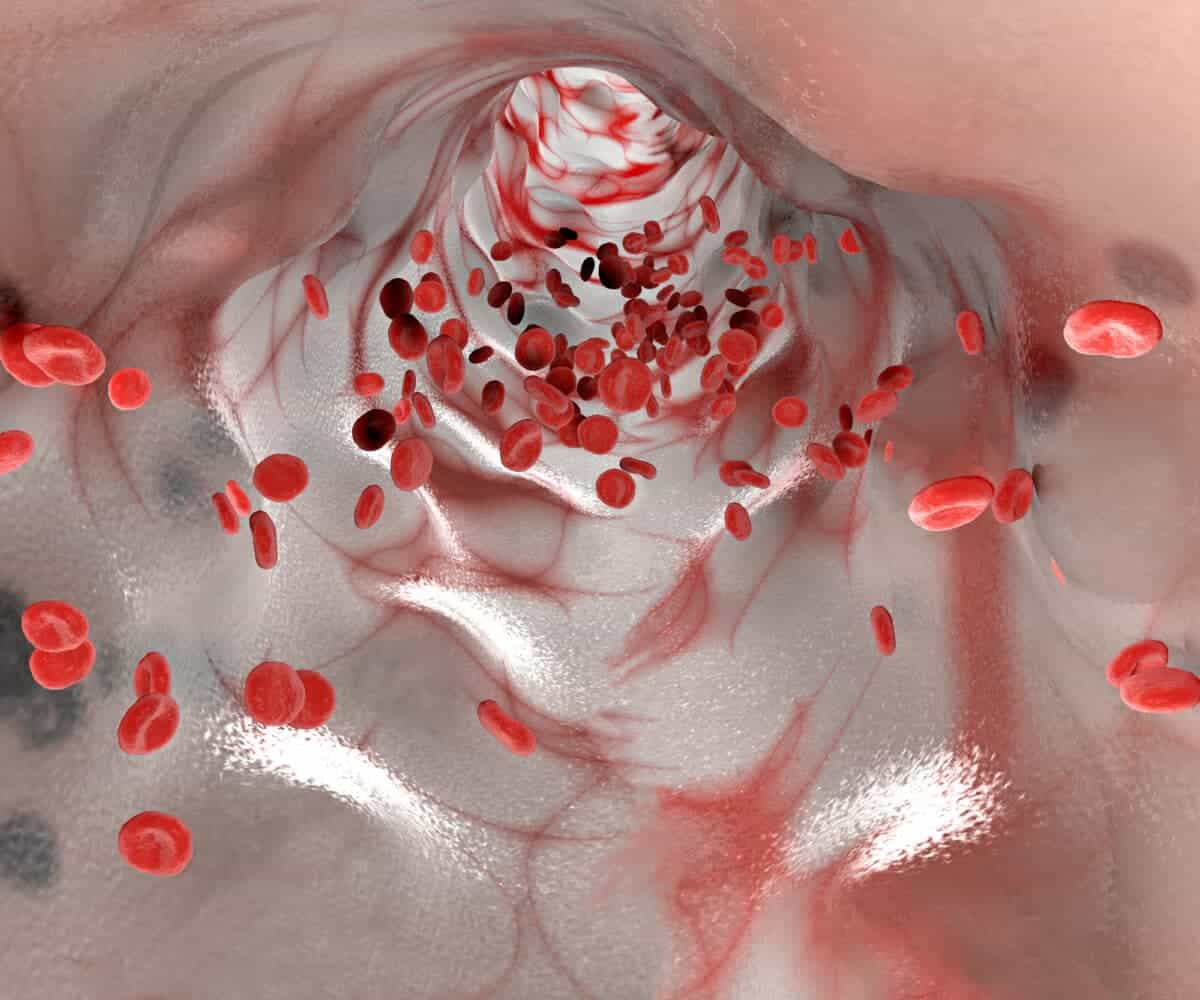
The real breakthrough comes from the possibility of using these cells for assisted reproduction. Scientists believe that, in the future, these living cells could be transformed into sperm and egg cells. This would allow for cloning, IVF, and other breeding techniques to help endangered species repopulate—without the stress of invasive procedures.
Challenges Along the Way

Despite the promise of this technique, there are challenges ahead. Collecting and processing fecal samples in a way that keeps the cells intact is tricky. Bacterial contamination and environmental exposure can also affect the viability of these cells. But with ongoing research, scientists are refining their methods to overcome these obstacles.
A Game-Changer for Conservation

This approach could revolutionize how we protect species facing extinction. Instead of relying solely on traditional breeding programs, conservationists could harness the genetic material found in feces to create healthier, more genetically diverse populations. Combined with habitat conservation efforts, this could be a major step forward in saving vulnerable species.
A Future of Unexpected Possibilities

What started as a simple study of animal waste has become a promising new frontier in conservation science. By looking beyond conventional methods, researchers have uncovered a powerful tool hiding in plain sight. In the fight to save endangered species, even something as unassuming as poo might make all the difference.

adventuring, photography and videography. I am currently working towards a BSc in Biodiversity and Ecology at Stellenbosch University to go on to specialise in Marine Sciences one day.
Please send any feedback to Feedback@animalsaroundtheglobe.com
- Top 21 Must-see Birds For Bird Watchers In America - July 20, 2026
- Italy Mourns Hero Police Dog Killed by Food Laced with Nails - July 20, 2026
- Pigeon Turns into Fashionista and Wears Bread - July 19, 2026