

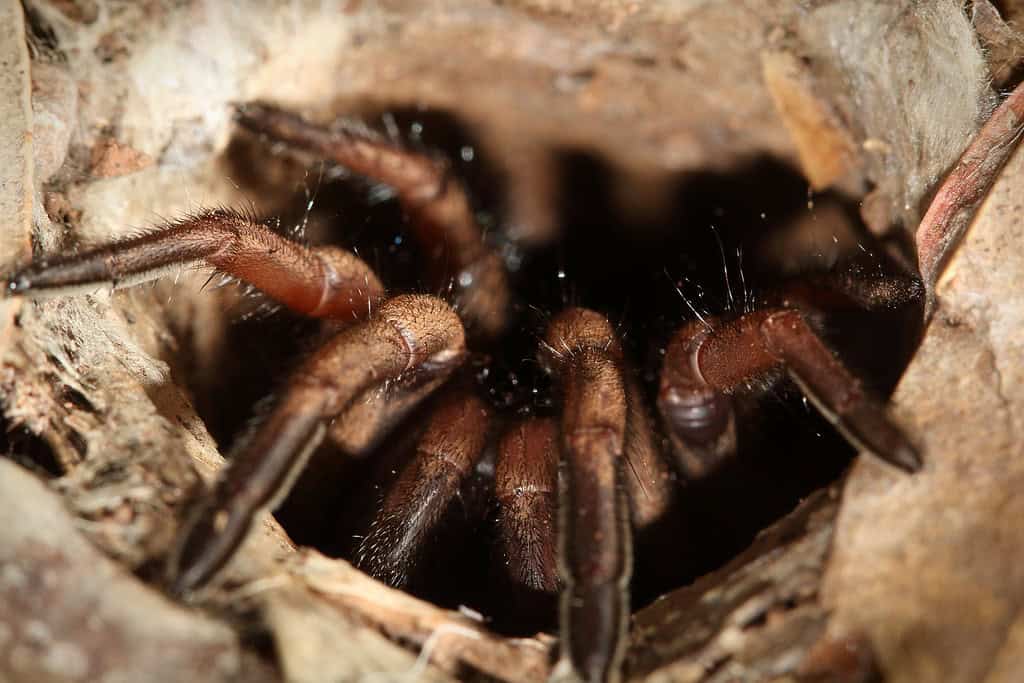
In an incredible breakthrough in arachnid research, scientists have uncovered a spider so large it spans the size of a dinner plate. This discovery expands our understanding of the natural world’s giant species and shines a spotlight on the often-underappreciated spider family. Below, we delve into the details of this fascinating find, examining the background, physical characteristics, behavior, and ecological impact of this colossal creature.
Background of the Discovery

Deep within the rainforests, where human footpaths give way to dense, unexplored territories, researchers stumbled upon an extraordinary arachnid specimen—one that rivaled the size of any previously recorded spider. This discovery was made by a team conducting a biodiversity survey aimed at documenting lesser-known species in remote ecosystems. Their findings have raised questions about the capabilities and adaptations that allow such a large spider to thrive.
Physical Characteristics of the Giant Spider
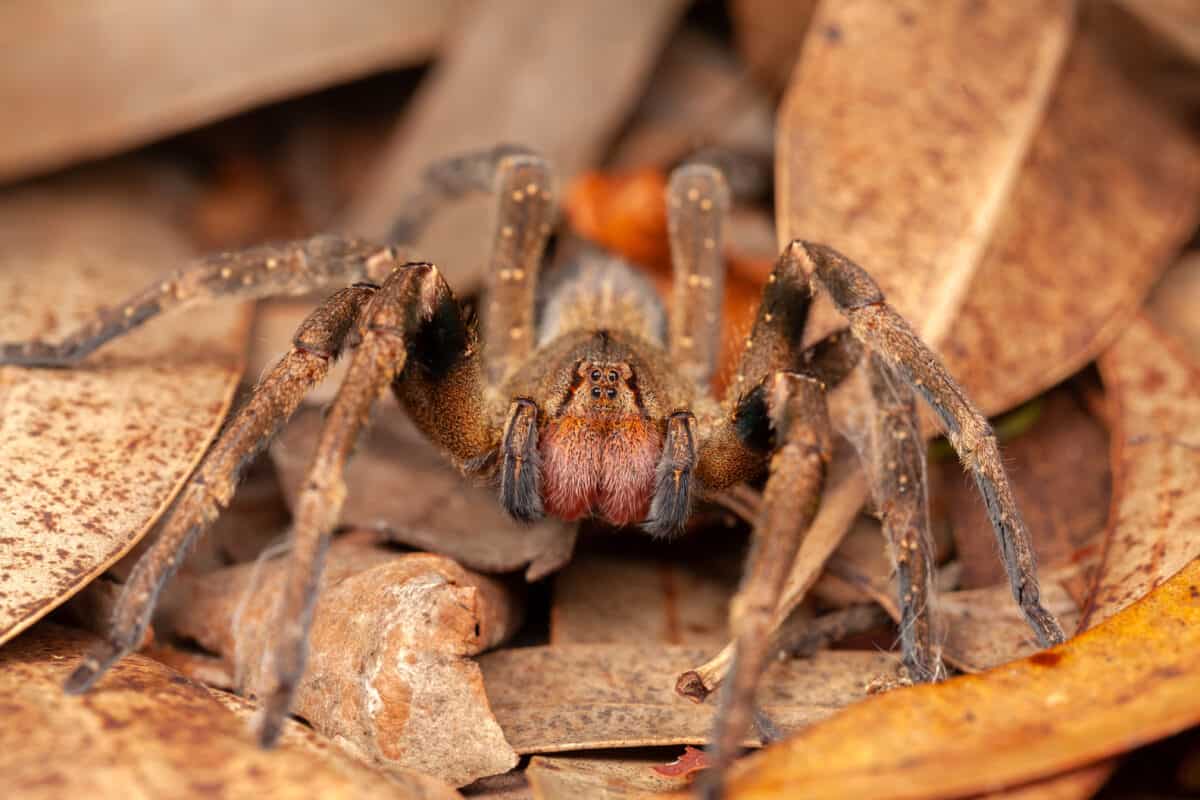
Measuring nearly 12 inches in diameter, the newfound spider has a leg span comparable to that of a standard dinner plate. Its body is covered in a blend of earthy tones, providing effective camouflage against the forest floor. The spider’s massive fangs and robust body suggest a predatory nature, optimized for capturing substantial prey. Notably, its hairy extremities and robust exoskeleton indicate a well-adapted predator capable of surviving in harsh conditions.
Habitat and Distribution

This giant arachnid appears to inhabit tropical rainforest ecosystems, where dense foliage and high humidity provide a perfect environment for its survival. The discovery’s location remains deliberately undisclosed to protect the species from human interference. However, similar species might exist in comparable ecological niches across rainforests worldwide.
Diet and Feeding Habits

Researchers suspect that the spider’s substantial size allows it to prey on larger insects, small birds, and possibly even rodents. Its sharp fangs are likely used to inject venom, immobilizing prey quickly. The digestive process involves liquefying the prey’s insides, allowing the spider to consume them with ease. Ongoing studies aim to understand better the extent of its predatory behavior and the ecological role it plays in its habitat.
Behavioral Observations

Despite its intimidating size, the spider exhibits behaviors typical of its family, such as ambush hunting and the construction of large, intricate webs. Observations indicate that it displays territorial behavior, defending its habitat against intruders. The spider’s movements are deliberate and efficient, suggesting high levels of energy conservation, a trait essential for larger arachnids.
Reproductive Patterns

Understanding the reproductive habits of this spider is crucial for assessing its population dynamics. Preliminary analysis suggests a lifecycle consistent with other spider species, involving prolonged developmental stages from egg to adulthood. Potentially small clutch sizes may be offset by higher offspring survival rates due to parental protection.
Venom Properties
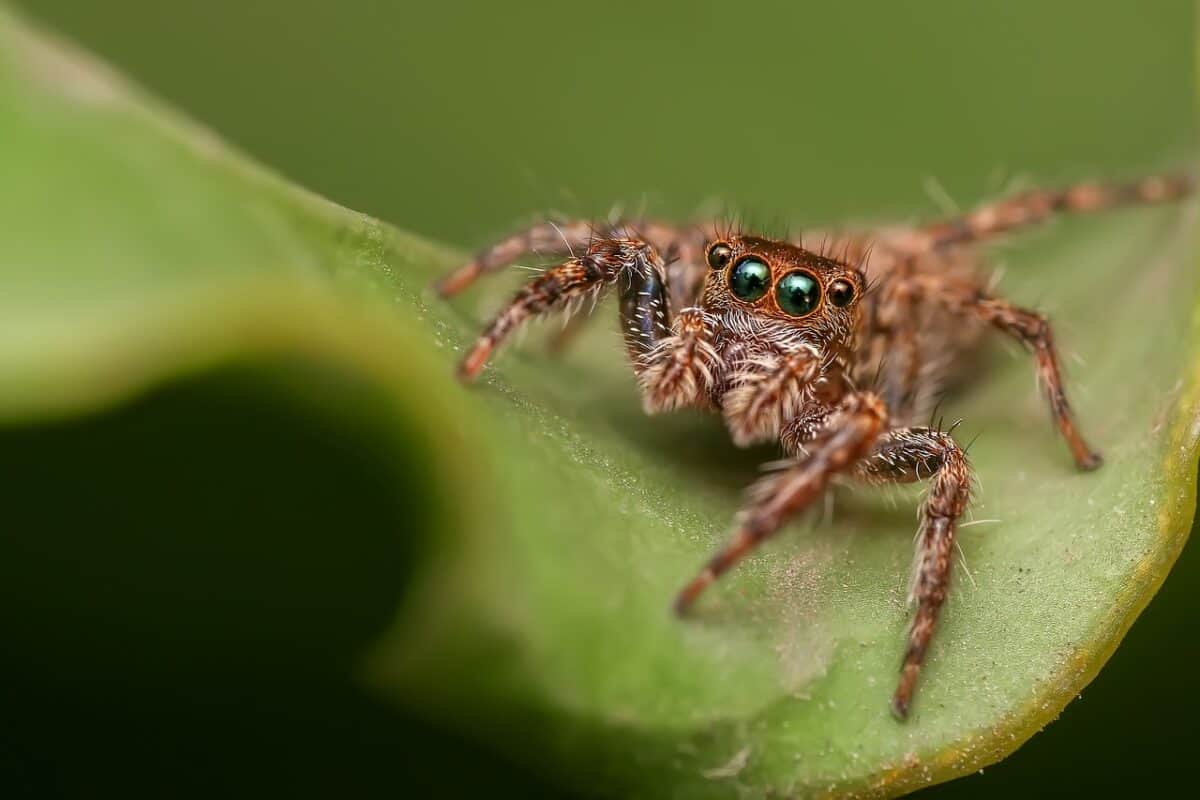
Analysis of the spider’s venom is underway to determine its chemical properties and potential applications. While the venom’s primary role is predation, some spiders possess compounds with significant medicinal potential. The discovery of any unique toxins could lead to breakthroughs in pharmacology and medicine.
The Ecological Impact of the Species
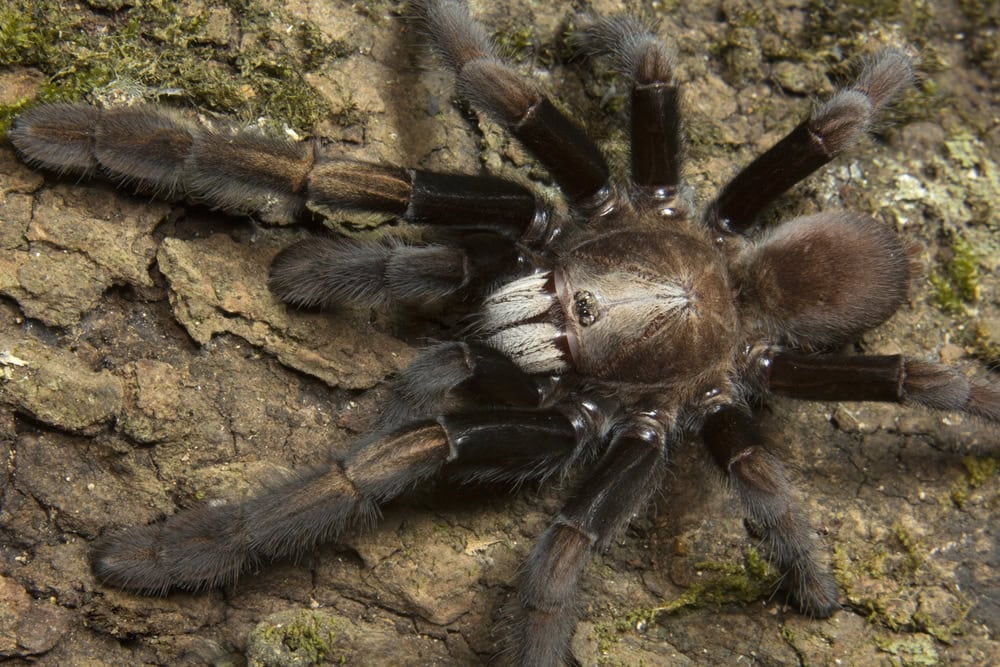
This arachnid giant plays a crucial role in maintaining the ecological balance of its environment. As a predator, it helps regulate the populations of various species, potentially curbing the spread of pests and contributing to ecosystem health. Its presence indicates a complex food web essential for rainforest biodiversity.
Conservation Status and Efforts

The current conservation status of this spider remains uncertain due to the sparse population data. However, the ongoing surveys aim to establish an accurate assessment. Protecting its habitat from deforestation and human encroachment is vital for ensuring the spider’s long-term survival and ecological role.
Challenges in Research and Study
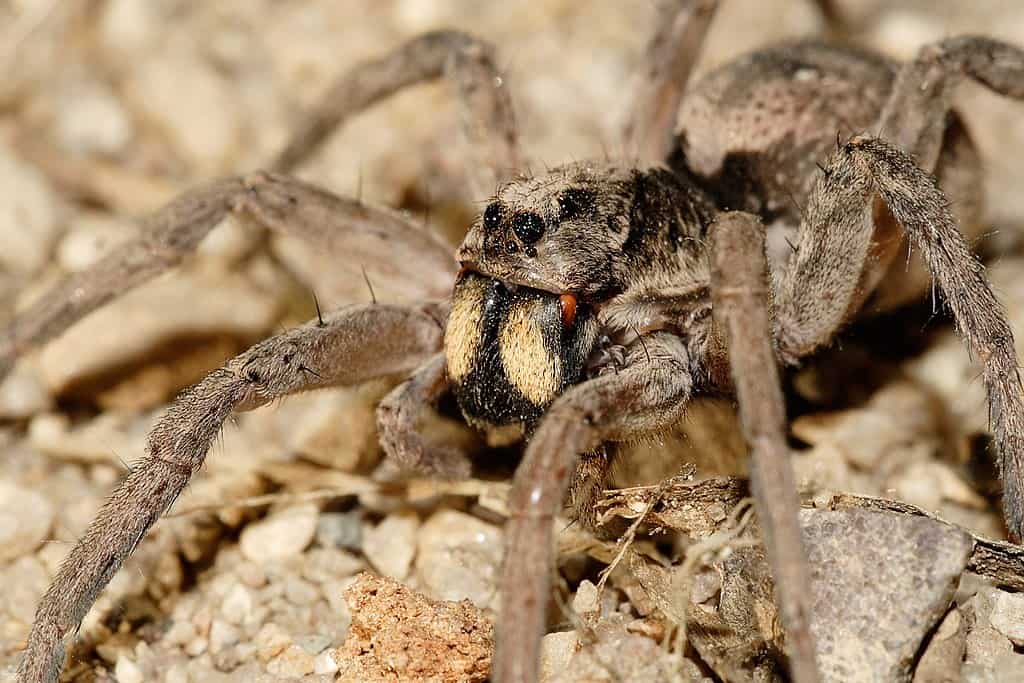
Researching such a reclusive and elusive species involves substantial challenges. Limited access to its remote habitat, coupled with its camouflaged existence, complicates data collection. Scientists rely on sophisticated tracking methods and collaborative efforts to observe the spider without disturbing its natural behavior.
Public Fascination and Education

This remarkable discovery has sparked public curiosity and underscored the importance of biodiversity education. The fascination with giant spiders highlights the need for increased awareness of the ecological significance and conservation of lesser-known species, fostering a greater appreciation for the complexity of our planet’s ecosystems.
Future Research Directions

Moving forward, scientists aim to delve deeper into the genetic makeup of this giant spider, exploring its evolutionary adaptations and relationships with its environment. Technological advancements in genome sequencing and ecological modeling will play an essential role in unraveling the mysteries surrounding this awe-inspiring creature.
Not only does this discovery expand our understanding of arachnid diversity, but it also highlights the intricate interdependencies within ecosystems. By studying such species, we gain insights that could prove vital for conservation efforts and biodiversity preservation. The world’s rainforests continue to house untold wonders, and this giant spider serves as a reminder of nature’s ceaseless capacity to surprise and inspire.

From exploring the marine wonders in the Azores and witnessing the vast savannas of Kenya, to delving deep into the rich biodiversity of South Africa and traversing iconic landscapes in Australia and the US like Yellowstone, Chris's experiences are vast.
With a penchant for diving alongside sharks, the ocean holds a special place in his heart.
Through his academic insights, he champions wildlife conservation, striving with 'Animals Around The Globe' to cultivate a profound connection between humans and animals, enhancing our mutual appreciation.
Connect with him at Feedback@animalsaroundtheglobe.com.
- The Lizard That Shoots Blood From Its Eyes - July 21, 2026
- What Happens If Fireflies Stop Glowing? - July 21, 2026
- Coyotes Are Thriving in Every U.S. State — Even New York City - July 21, 2026