

In 2020, the world was shocked by the sudden deaths of over 350 African bush elephants in Botswana’s Okavango Delta. The cause of this unprecedented die-off baffled scientists and sparked global concern. After years of investigation, researchers have confirmed that toxic cyanobacteria, exacerbated by climate change, was the likely culprit. This article delves into the details of this environmental catastrophe and its broader implications for wildlife and ecosystems.
The Startling Discovery in the Okavango Delta

In May 2020, Botswana’s lush Okavango Delta became the epicenter of a perplexing environmental mystery. Dead elephants were found scattered across the landscape, with some lying face down, suggesting sudden collapses. By July, the death toll had surpassed 350, raising alarm worldwide.
Ruling Out the Usual Suspects

Initial investigations ruled out poaching, as the elephants’ tusks were intact. Natural causes such as starvation, anthrax, or infections were also eliminated. The absence of clear answers only deepened the mystery, fueling speculation about toxic water sources.
Cyanobacteria: A Silent Killer

In 2024, researchers at King’s College London confirmed the involvement of toxic cyanobacteria, or blue-green algae. These microorganisms thrive in warm, stagnant, nutrient-rich water and produce toxins that can be deadly to wildlife. Satellite data from 2020 revealed unprecedented algal blooms in waterholes frequented by the elephants.
Mapping the Tragedy with Satellite Data

The study analyzed 3,389 waterholes in the Okavango Delta, identifying 20 as hotspots for algal blooms during the die-off. This data correlated strongly with the distribution of elephant carcasses, suggesting that these waterholes were the source of the lethal exposure.
How Cyanobacteria Affected the Elephants

Cyanobacteria produce toxins that can cause severe physiological distress in animals. Elephants likely consumed contaminated water, succumbing within 88 hours of exposure. Many died after walking some distance from the toxic waterholes, explaining the scattered carcass distribution.
The Broader Impact on Botswana’s Elephants

Botswana is home to over 130,000 elephants, the largest population in the world. This mass die-off is one of the most significant wildlife tragedies in recent history, underscoring the vulnerability of even the most iconic species to environmental changes.
Climate Change and Cyanobacterial Blooms
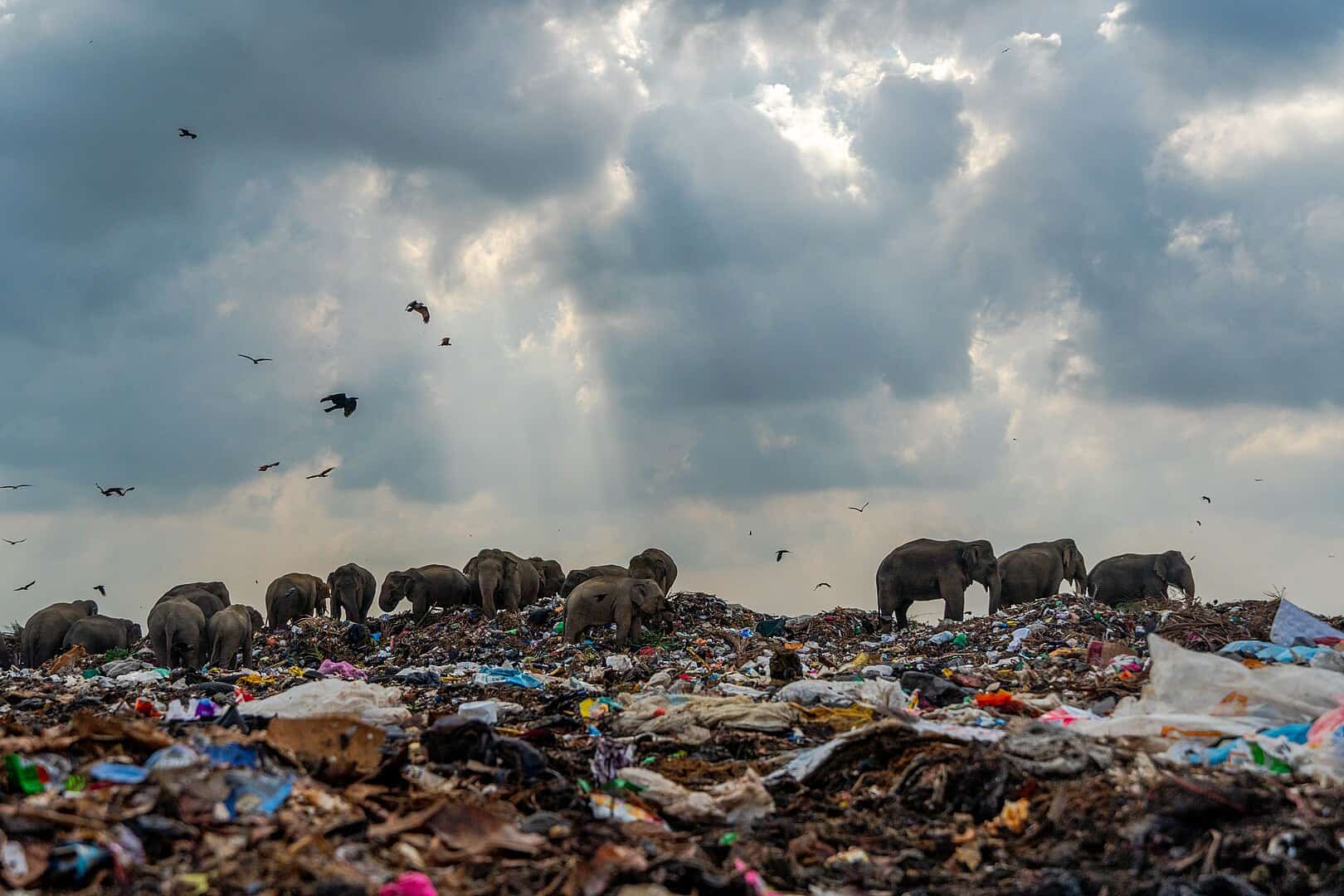
Rising global temperatures and altered rainfall patterns are creating ideal conditions for cyanobacteria blooms. These toxic events are becoming more frequent, threatening freshwater ecosystems and the species that rely on them.
Mass Mortality Events on the Rise

Botswana’s elephant deaths are part of a growing trend of climate-induced mass mortality events. From botulism outbreaks in California that killed 94,000 birds to mass starvations of bats in Australia, climate change is driving devastating losses across the globe.
The Chain Reaction: Climate, Wildlife, and Ecosystems

Climate change not only creates conditions for toxic algae but also stresses wildlife, making them more susceptible to diseases and environmental hazards. This chain reaction threatens biodiversity and disrupts ecosystems.
A Call to Action: Addressing the Root Causes
The tragic loss of Botswana’s elephants highlights the urgent need to address climate change. Reducing fossil fuel emissions and protecting freshwater ecosystems are critical steps to prevent future mass mortality events.
What Lies Ahead for Southern Africa?

As climate change intensifies, southern Africa is projected to become hotter and drier. Water scarcity and declining water quality will exacerbate the challenges facing wildlife, increasing the risk of more catastrophic events like the 2020 elephant die-off.
Lessons from Botswana’s Tragedy

The death of over 350 elephants in Botswana serves as a stark reminder of the interconnectedness of climate change, water quality, and wildlife health. This event underscores the urgent need for global action to safeguard biodiversity and mitigate the devastating impacts of a warming planet.
This tragedy is not just about the loss of elephants; it’s a wake-up call for humanity to take responsibility for the environmental crises unfolding across the globe.

For any feedback please message Feedback@animalsaroundtheglobe.com