

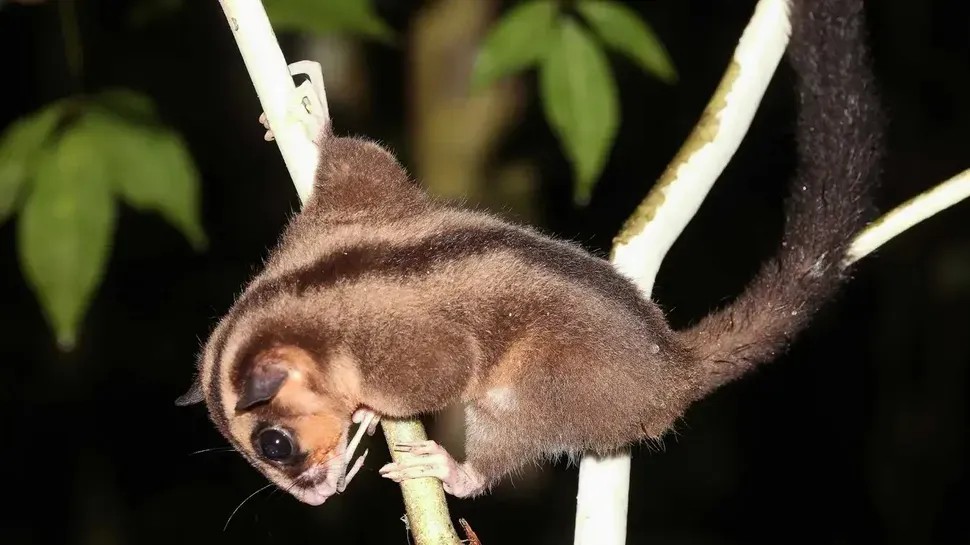
Sometimes nature pulls off the most incredible plot twist. Two small marsupials, written off as extinct for thousands of years, have turned up alive and well in the remote forests of New Guinea. It’s the kind of story that makes you question everything we think we know about extinction.
What researchers found wasn’t just a rare sighting. It was a full-blown rediscovery that has genuinely rattled the scientific community. If species presumed gone for six millennia can simply reappear, what else might be hiding out there? Let’s dive in.
The Species That Defied Time
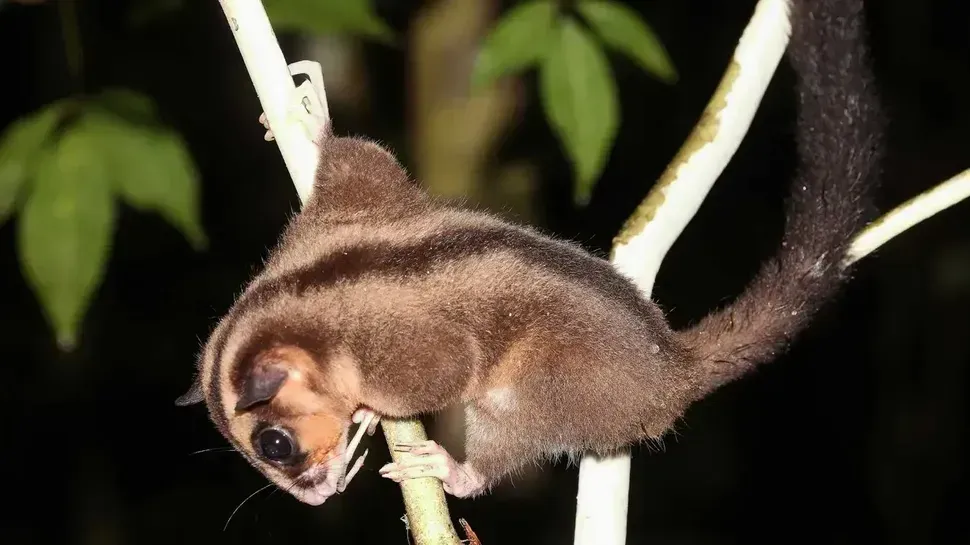
The two species in question are the black-spotted cuscus and Telefomin cuscus, both tree-dwelling marsupials native to New Guinea. These animals were known only from fossil records and ancient remains, leading scientists to confidently declare them extinct roughly six thousand years ago. Nobody was really out looking for them anymore.
Then came the surprise. Camera traps and field surveys conducted in the highland forests of New Guinea captured clear, undeniable evidence that both species are still alive. Honestly, it reads like something out of a wildlife documentary that’s almost too dramatic to believe.
Where Were They Hiding All Along?
New Guinea is one of the most biodiverse and least explored places on the planet. Its dense highland rainforests are notoriously difficult to access, and vast stretches of the island remain essentially unmapped by modern science. Think of it like searching for a needle in a haystack, except the haystack is the size of a small country.
The remoteness of these forests likely gave these marsupials just enough breathing room to survive without ever crossing paths with researchers. Local communities in the region had knowledge of these animals, which eventually helped scientists narrow their search. It’s a reminder that indigenous ecological knowledge is genuinely invaluable and often miles ahead of formal science.
What Exactly Are Cuscuses?
Cuscuses are nocturnal, tree-dwelling marsupials that belong to the possum family. They tend to move slowly through forest canopies, feeding on leaves, fruits, and occasionally small animals. They look a bit like a cross between a cat and a slow loris, with wide round eyes and a prehensile tail built for gripping branches.
The black-spotted cuscus is particularly striking in appearance, with bold dark markings against a lighter coat. The Telefomin cuscus is smaller and more elusive, which probably explains why it slipped under the radar for so long. These aren’t flashy, high-profile animals like tigers or elephants, which is part of why their disappearance went unquestioned for so long.
Why Were They Declared Extinct in the First Place?
Here’s the thing: declaring a species extinct, especially a prehistoric one, is rarely a clean-cut decision. Scientists rely heavily on fossil evidence, recorded sightings, and habitat surveys. When none of these produce results over a long enough period, extinction becomes the working assumption.
In the case of these two cuscuses, the fossil record simply stopped at around six thousand years ago. No confirmed sightings, no physical specimens, nothing. The scientific community had every reasonable basis to conclude they were gone. It’s hard to say for sure whether earlier surveys just missed them or whether the animals genuinely retreated deeper into inaccessible terrain over the millennia.
The Role of Camera Traps in Modern Wildlife Discovery
Camera trap technology has completely transformed how scientists survey remote wildlife. These motion-triggered cameras can be deployed in locations that no human researcher could realistically monitor around the clock. They operate silently, patiently, and without disturbing the animals they’re designed to observe.
In this case, camera traps were the decisive tool. They captured the cuscuses moving through forest undergrowth at night, providing the kind of clear photographic evidence that removes all doubt. It’s worth noting that camera traps have driven a wave of similar rediscoveries globally over the past decade, suggesting we may have significantly underestimated the number of species still quietly surviving in overlooked corners of the world.
What This Means for Conservation
The rediscovery raises urgent questions about what happens next. Both species now need formal protection, which means habitat preservation in the specific highland regions where they were found becomes a critical priority. New Guinea’s forests face ongoing pressure from logging, agriculture, and land conversion.
Rediscovery is exciting, but it doesn’t equal safety. A species can return from the dead in the public imagination while still being critically vulnerable on the ground. Conservationists are now pushing for these cuscuses to be formally reassessed on the IUCN Red List, which would pave the way for targeted protection programs. The clock is ticking, and the last thing anyone wants is to rediscover these animals only to lose them again for real this time.
A Conclusion Worth Sitting With
I’ll be honest: stories like this one do something to me. They shake loose that quiet, settled assumption that we’ve catalogued most of what nature has to offer. We haven’t. Not even close. Two marsupials supposedly extinct since the Stone Age just showed up on camera in a rainforest, and that should genuinely humble every scientist, conservationist, and curious person reading this.
The forests of New Guinea have been keeping secrets for thousands of years. These two species survived wars, climate shifts, and the relentless march of human civilization without anyone noticing. That’s not just a scientific breakthrough. That’s a statement about the resilience of life itself. The natural world is far more stubborn and surprising than we give it credit for. The real question is: if these two made it, what else might still be out there, just waiting to be found? What do you think? Drop your thoughts in the comments below.

- Urban Coyotes Show Remarkable Adaptability, Learning to Thrive in City Environments - July 22, 2026
- Beavers Are Nature’s Engineers, Creating Vital Habitats for Other Wildlife Species - July 21, 2026
- The Recovery of the California Condor Offers Hope for Other Critically Endangered Birds - July 21, 2026