


In a groundbreaking scientific achievement that reads like science fiction, researchers have successfully revived cells from a northern white rhino that died in 2018. This remarkable feat has reignited discussions about de-extinction—the concept of bringing extinct or nearly extinct species back to life. With only two northern white rhinos left on the planet, both females, this development offers a glimmer of hope for a subspecies that stands on the precipice of extinction. The implications extend far beyond rhinos, potentially revolutionizing conservation efforts worldwide and challenging our understanding of extinction itself. Let’s explore this scientific milestone and what it means for the future of conservation biology.
The Breakthrough: Reviving Dead Cells

The scientific breakthrough came when researchers from the San Diego Zoo Wildlife Alliance, in collaboration with other institutions, successfully revived cells from a northern white rhino named Sudan, who died in 2018 at age 45. Using advanced cellular reprogramming techniques, scientists were able to take preserved skin cells and reactivate them, transforming them into induced pluripotent stem cells (iPSCs).
These special cells have the remarkable ability to develop into virtually any cell type in the body. What makes this achievement particularly noteworthy is that the cells remained viable despite having been collected from an animal that had been dead for several years. This challenges previous limitations in cellular biology and opens new possibilities for preserving genetic material from animals long after their deaths.
The Northern White Rhino Crisis

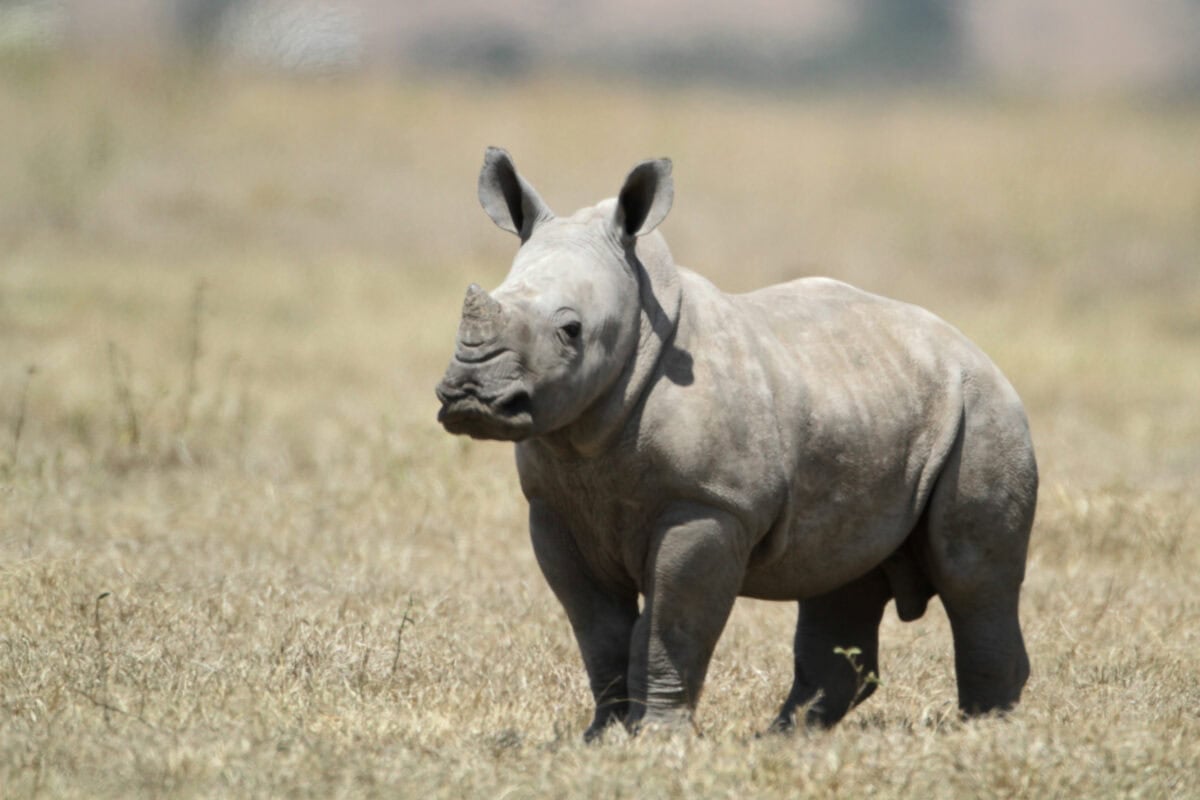
To understand the significance of this development, we must first grasp the dire situation facing northern white rhinos. Once roaming in significant numbers across Central and East Africa, this magnificent subspecies has been decimated primarily by poaching and habitat loss. Today, only two northern white rhinos remain alive—Najin and her daughter Fatu, both females living under 24-hour armed guard at the Ol Pejeta Conservancy in Kenya.
With the death of Sudan, the last male, in 2018, natural reproduction became impossible. The subspecies is functionally extinct, with the remaining females unable to carry pregnancies due to health issues. Without scientific intervention, the disappearance of the northern white rhino is inevitable, representing one of the most visible conservation failures of modern times and highlighting the devastating impact of human activities on biodiversity.
How Cell Revival Works

The process of reviving cells from deceased organisms involves sophisticated biotechnology techniques that have advanced significantly in recent years. Scientists begin by taking preserved tissue samples—in this case, skin cells from Sudan—and subjecting them to a series of biochemical manipulations. These include introducing specific transcription factors that effectively “reset” the cells to an embryonic-like state, creating the induced pluripotent stem cells. The process requires precise temperature control, specialized growth media, and constant monitoring to ensure cellular viability.
What’s particularly impressive about this achievement is that researchers overcame the degradation that typically occurs after an organism’s death. Cellular components like proteins and DNA begin breaking down shortly after death, but scientists have developed preservation techniques that mitigate this degradation. The success rate for such procedures remains relatively low, making each viable cell extremely valuable for conservation efforts. This cellular resurrection represents not just a technical achievement but a fundamental shift in how we might approach conservation of critically endangered species.
From Cells to Organisms: The De-extinction Roadmap

While reviving cells represents a crucial first step, the path to actual de-extinction involves several more complex phases. Scientists must first cultivate these revived cells into viable gametes—sperm and eggs—through a process called gametogenesis. This stage presents significant challenges, as reproducing the precise developmental conditions needed for functional gamete formation remains difficult. If successful, these artificial gametes would then be used for in vitro fertilization to create embryos.
The embryos would subsequently be implanted into surrogate mothers—likely southern white rhinos, the northern white’s closest living relatives. Throughout this process, researchers must overcome issues related to genetic diversity, developmental biology, and reproductive physiology. While each stage presents formidable scientific hurdles, the revival of Sudan’s cells demonstrates that the initial barriers are surmountable. Scientists estimate that with sufficient funding and continued technological advances, the first northern white rhino calf born through this method could arrive within a decade, though many experts consider this timeline optimistic given the remaining challenges.
The Genetic Library: Frozen Zoos

Critical to this breakthrough is the existence of “frozen zoos”—specialized biobanks that preserve genetic material from thousands of species and individuals. The San Diego Zoo Wildlife Alliance’s Frozen Zoo, established in 1975, has been at the forefront of this preservation effort, housing over 10,000 living cell cultures, gametes, and embryos from nearly 1,000 species and subspecies. For the northern white rhino, this foresight has proven invaluable. Scientists have access to genetic material from 12 different northern white rhinos, providing crucial genetic diversity for any future resurrection efforts.
These frozen repositories function as a genetic insurance policy against extinction, preserving biodiversity even as species disappear from the wild. The technology to maintain these cellular libraries has improved dramatically, with cryopreservation techniques now allowing cells to remain viable for decades. As our ability to manipulate and utilize this genetic material advances, these frozen collections represent an increasingly important conservation resource, potentially allowing scientists to restore genetic diversity to depleted populations or even resurrect species that have disappeared entirely.
Ethical Considerations in De-extinction

The prospect of bringing extinct species back to life raises profound ethical questions that extend beyond technical feasibility. Critics argue that de-extinction efforts may divert limited conservation funding from protecting currently threatened species and their habitats. There’s also concern about the welfare of the animals involved in the process, particularly surrogate mothers and the first generations of resurrected species, who might face developmental abnormalities or health issues.
Further ethical debates center on which species deserve resurrection efforts and based on what criteria. Should priority be given to recently extinct species, keystone species with significant ecological impact, or those whose disappearance was directly caused by human activities? Additionally, some conservationists worry that the promise of technological resurrection might undermine urgency in protecting endangered species, creating a moral hazard where extinction is seen as reversible rather than permanent. Religious and cultural perspectives also inform this debate, with some viewing de-extinction as interfering with natural processes or divine will. These ethical considerations highlight the need for inclusive, multidisciplinary discussions that involve scientists, ethicists, indigenous communities, and the broader public as we navigate this new frontier in conservation.
Beyond Rhinos: Other De-extinction Candidates

The northern white rhino is just one of several species targeted for potential de-extinction. The passenger pigeon, which once darkened North American skies in flocks of billions before being hunted to extinction by 1914, is being studied by the nonprofit Revive & Restore. The organization is working to edit the genome of the band-tailed pigeon, the passenger pigeon’s closest living relative, to recreate the extinct bird. Similarly, scientists at Harvard have made progress toward reviving the woolly mammoth by editing elephant DNA to express mammoth traits like cold resistance and thick hair.
In Australia, researchers are exploring the possibility of bringing back the thylacine (Tasmanian tiger), which disappeared in the 1930s, using preserved specimens and comparative genomics with related marsupials. The bucardo, a Spanish mountain goat that went extinct in 2000, has already been the subject of a cloning attempt that briefly produced a living animal in 2003, though it died shortly after birth due to lung defects. Each of these projects faces unique challenges and operates on different timelines, but collectively they represent a new frontier in conservation biology that could fundamentally change our relationship with extinction.
Technical Challenges Ahead

Despite the excitement surrounding cell revival, significant technical hurdles remain on the path to successful de-extinction. One major challenge involves perfecting the transformation of revived cells into functional gametes capable of fertilization. Current success rates remain low, and the process requires extensive refinement before it can be reliably applied to endangered species. Embryo development presents another obstacle, as scientists must ensure that artificial embryos progress normally through all developmental stages. Implantation into surrogate mothers introduces additional complications, including potential immune rejection and placental incompatibility between closely related but distinct species or subspecies.
Beyond reproduction, there are concerns about genetic diversity within resurrected populations. The northern white rhino genetic material available represents only 12 individuals—a narrow genetic base that could lead to inbreeding depression and reduced adaptability. Advanced genomic techniques may help address these issues through targeted genetic editing to increase diversity, but such approaches bring their own technical and ethical complications. Additionally, scientists must develop methods to foster appropriate behavioral development in resurrected animals, particularly for species that rely heavily on learned behaviors passed down from parents or social groups. These challenges, while formidable, are increasingly being addressed through rapid advances in reproductive technology, genomics, and developmental biology.
Conservation Implications

The successful revival of rhino cells has significant implications for conservation strategies worldwide. Traditional conservation approaches focus on habitat protection and anti-poaching measures—both essential but sometimes insufficient when species numbers fall to critical levels. Cell revival and potential de-extinction technologies offer a complementary approach, providing a last line of defense against complete loss of genetic diversity. For species with fragmented or tiny populations, these technologies could allow genetic rescue operations, introducing diversity from preserved cells to prevent inbreeding depression.
Conservation organizations are increasingly adopting a portfolio approach that incorporates both traditional protection methods and advanced biotechnologies. However, these developments also raise concerns about resource allocation within the conservation community. High-tech interventions require substantial funding and specialized expertise, potentially drawing resources away from basic conservation needs. The most effective approach likely involves strategic integration of these technologies within broader conservation frameworks, using them selectively for species that cannot be saved through conventional means alone. As these techniques mature and become more cost-effective, they may eventually become standard components of conservation planning for critically endangered species.
Ecological Considerations for Reintroduction

Successfully creating new northern white rhinos would only represent half the challenge—the animals would also need suitable habitats for reintroduction. Since the subspecies’ disappearance from the wild, their former ranges across Central and East Africa have undergone significant changes. Human population expansion, land conversion for agriculture, and ongoing security concerns in regions like Sudan and the Democratic Republic of Congo have dramatically reduced available habitat. Any reintroduction program would need to address these ecological realities, potentially requiring habitat restoration projects alongside rhino resurrection efforts.
Moreover, the ecological role of northern white rhinos as landscape engineers and seed dispersers has been vacant for years, potentially altering vegetation patterns and ecosystem functions. Ecologists would need to carefully assess these changes before reintroduction, potentially implementing graduated release programs that monitor ecosystem responses. There’s also the question of whether restored northern white rhinos would be genetically equipped to face contemporary challenges like emerging diseases and changing climate conditions. These ecological considerations highlight the complexity of true species recovery beyond the laboratory, emphasizing that de-extinction must be paired with comprehensive ecosystem management strategies to achieve meaningful conservation outcomes.
The Technology Behind the Breakthrough
The cell revival breakthrough rests on several cutting-edge technologies that have advanced rapidly in recent years. At the core is the induced pluripotent stem cell (iPSC) technology, pioneered by Nobel Prize winner Shinya Yamanaka, which allows specialized cells to be reprogrammed into an embryonic-like state. This process typically involves introducing specific transcription factors that reset the cell’s epigenetic markers and activate developmental pathways. Complementing this is CRISPR-Cas9 gene editing technology, which enables precise modifications to genetic material and could help address genetic diversity concerns in resurrected populations.
Advanced cryopreservation techniques also play a crucial role, having evolved from simple freezing to sophisticated vitrification methods that prevent damaging ice crystal formation in preserved cells. Reproductive technologies like intracytoplasmic sperm injection (ICSI) and somatic cell nuclear transfer (SCNT) provide mechanisms for creating embryos once viable gametes are available. These technologies are supported by advanced computational tools that analyze genetic sequences, predict protein structures, and model developmental processes. Together, these interconnected technologies form a sophisticated toolkit that makes de-extinction scientifically conceivable for the first time in history. Ongoing improvements in efficiency, accuracy, and cost-effectiveness continue to expand the boundaries of what’s possible in conservation biotechnology.
Public Perception and Support
Public reaction to de-extinction efforts has been mixed, reflecting the complex emotions these technologies evoke. Surveys show that many people find the concept of reviving extinct species deeply compelling, with strong emotional appeal particularly for charismatic animals like rhinos and mammoths. This public fascination has helped attract funding and media attention to conservation biotechnology initiatives. However, concerns exist about whether these high-profile projects might overshadow less glamorous but equally important conservation work. Some environmental groups worry about a “technological fix” mentality that could reduce pressure for addressing the root causes of biodiversity loss, such as habitat destruction and climate change.
Cultural and religious perspectives further complicate public reception, with some communities viewing de-extinction as unnatural interference with life and death cycles. Effectively communicating the scientific realities, limitations, and potential benefits of these technologies to the public remains a significant challenge. Conservation organizations and scientists are increasingly engaging in proactive outreach, explaining how these approaches complement rather than replace traditional conservation efforts. Building broad-based public support will be essential for securing the long-term funding and policy frameworks needed to sustain de-extinction research and potential species reintroduction programs.
The Broader Scientific Impact

The implications of this rhino cell revival extend far beyond conservation, influencing multiple scientific fields. In medicine, the techniques developed for reviving and reprogramming cells from deceased organisms could advance regenerative medicine, potentially improving organ transplantation and tissue engineering for human patients. The research also contributes valuable insights to developmental biology, helping scientists better understand the fundamental processes of cell differentiation and organism development. For reproductive science, overcoming the challenges of creating viable gametes from somatic cells could eventually help address certain forms of human infertility.
The preservation methods refined through this work may improve biobanking for endangered species and valuable genetic resources across biology. Additionally, the computational tools developed to analyze and manipulate rhino genomes enhance our broader capabilities in genomics and bioinformatics. Perhaps most profoundly, this research challenges our basic understanding of death and cellular viability, suggesting that biological information and function can be preserved and restored under the right conditions long after an organism has died. This conceptual shift may eventually influence fields ranging from medicine to philosophy, reshaping our understanding of the boundaries between life and death at the cellular level.
Conclusion: Redefining Extinction in the Genomic Age
The revival of cells from a deceased northern white rhino represents a pivotal moment in conservation biology, potentially transforming extinction from an absolute endpoint to a potentially reversible state. While significant technical, ethical, and ecological challenges remain, this achievement demonstrates that the boundary between existence and extinction has become more permeable through advanced biotechnology. The path forward will require thoughtful integration of these powerful new tools with traditional conservation approaches, ensuring that de-extinction technologies complement rather than replace habitat protection and sustainable management.
As these technologies mature, society must engage in inclusive, informed discussions about their appropriate application, weighing scientific possibilities against ethical considerations and resource limitations. Whether or not we eventually see northern white rhinos roaming African savannas again, the scientific advances sparked by this endeavor have already expanded our conservation toolkit and deepened our understanding of life’s fundamental processes, offering new hope for biodiversity in an increasingly human-dominated world.

From exploring the marine wonders in the Azores and witnessing the vast savannas of Kenya, to delving deep into the rich biodiversity of South Africa and traversing iconic landscapes in Australia and the US like Yellowstone, Chris's experiences are vast.
With a penchant for diving alongside sharks, the ocean holds a special place in his heart.
Through his academic insights, he champions wildlife conservation, striving with 'Animals Around The Globe' to cultivate a profound connection between humans and animals, enhancing our mutual appreciation.
Connect with him at Feedback@animalsaroundtheglobe.com.
- 10 Intelligent Dog Breeds Born to Hunt - July 19, 2026
- The River Where Crocodiles and Hippos Battle for Dominance - July 19, 2026
- The Largest Predator Ever Found in Freshwater - July 19, 2026