

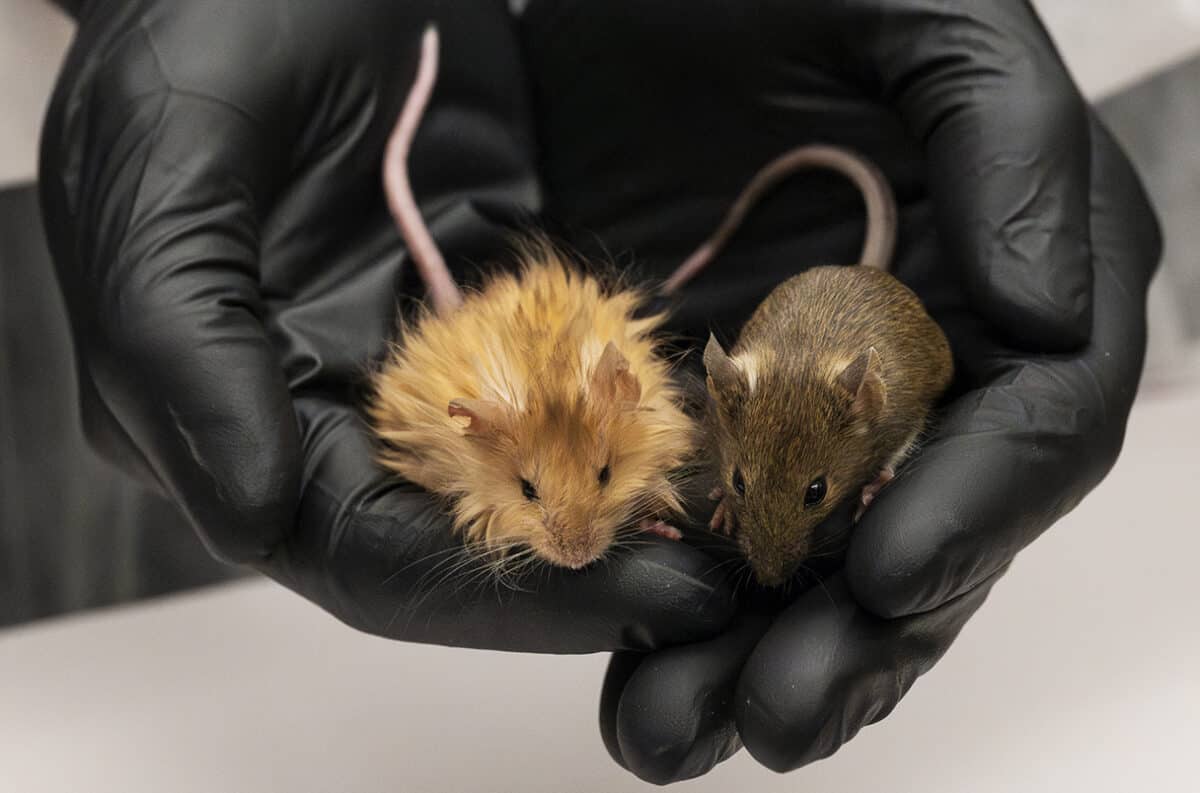
In an astonishing advancement in genetic science, researchers at Colossal Biosciences have successfully grown woolly mammoth-like fur on laboratory mice. This achievement, unveiled in early 2025, represents a pivotal step in the effort to resurrect the long-extinct woolly mammoth using the tools of modern biotechnology. The breakthrough provides solid proof that mammoth traits can be reintroduced and expressed in living organisms, bringing the vision of de-extinction closer to reality.
Why Mice Were Chosen to Grow Mammoth Fur

Scientists opted to test mammoth gene expression in mice due to their rapid reproductive cycles, genetic compatibility, and ease of laboratory handling. The mammoth genes inserted into the mouse embryos regulated fur growth, texture, and pigmentation. The result? A generation of mice covered in thick, reddish-brown fur resembling the dense, insulating coats that once allowed mammoths to survive in Ice Age conditions. These “superfuzzy” mice serve as a living model for how mammoth characteristics might function in larger mammals.
A Glimpse Into Colossal’s De-Extinction Vision

This breakthrough is part of Colossal Biosciences’ broader mission to bring back the woolly mammoth—or more accurately, to create a hybrid between the Asian elephant and woolly mammoth. The company, co-founded by tech entrepreneur Ben Lamm and Harvard geneticist George Church, is working to engineer cold-adapted elephants equipped with mammoth traits such as dense fur, subcutaneous fat layers, and specialized hemoglobin.
The Plan to Revive Arctic Ecosystems

The reintroduction of mammoth-like creatures is envisioned as an ecological restoration project. Colossal hopes that these hybrid animals could help restore the Arctic tundra to ancient grasslands, potentially reducing permafrost melt and slowing climate change. By trampling snow and uprooting trees, the animals would allow grasses to regrow and preserve the permafrost below.
Ethical and Ecological Implications

While the project garners international excitement, it also stirs debate. Some scientists question the ethics of bringing back extinct species and the potential risks to existing ecosystems. Others express concern about the welfare of genetically altered elephants and whether the project’s resources would be better spent conserving endangered species that already exist.
What Comes Next: Embryos and Artificial Wombs
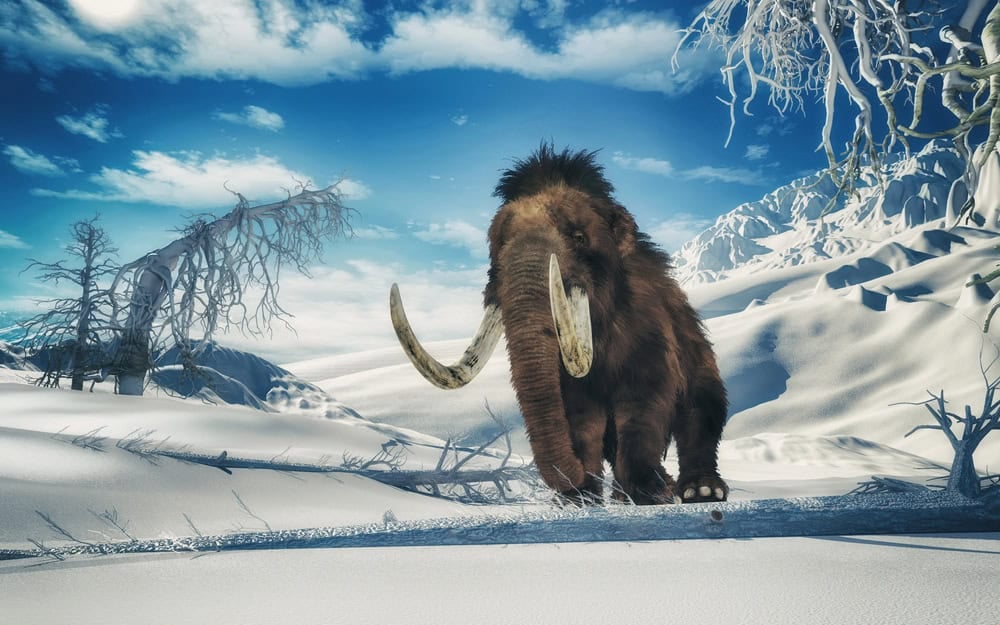
The mammoth-fur mice are only the beginning. The next step for Colossal involves integrating more mammoth traits into elephant embryos. These embryos will be grown either inside surrogate elephant mothers or artificial wombs currently under development. This complex endeavor could eventually result in viable mammoth-elephant hybrids, potentially ready for introduction into Arctic habitats within the next few years.
The Role of Mammoth Traits in Survival
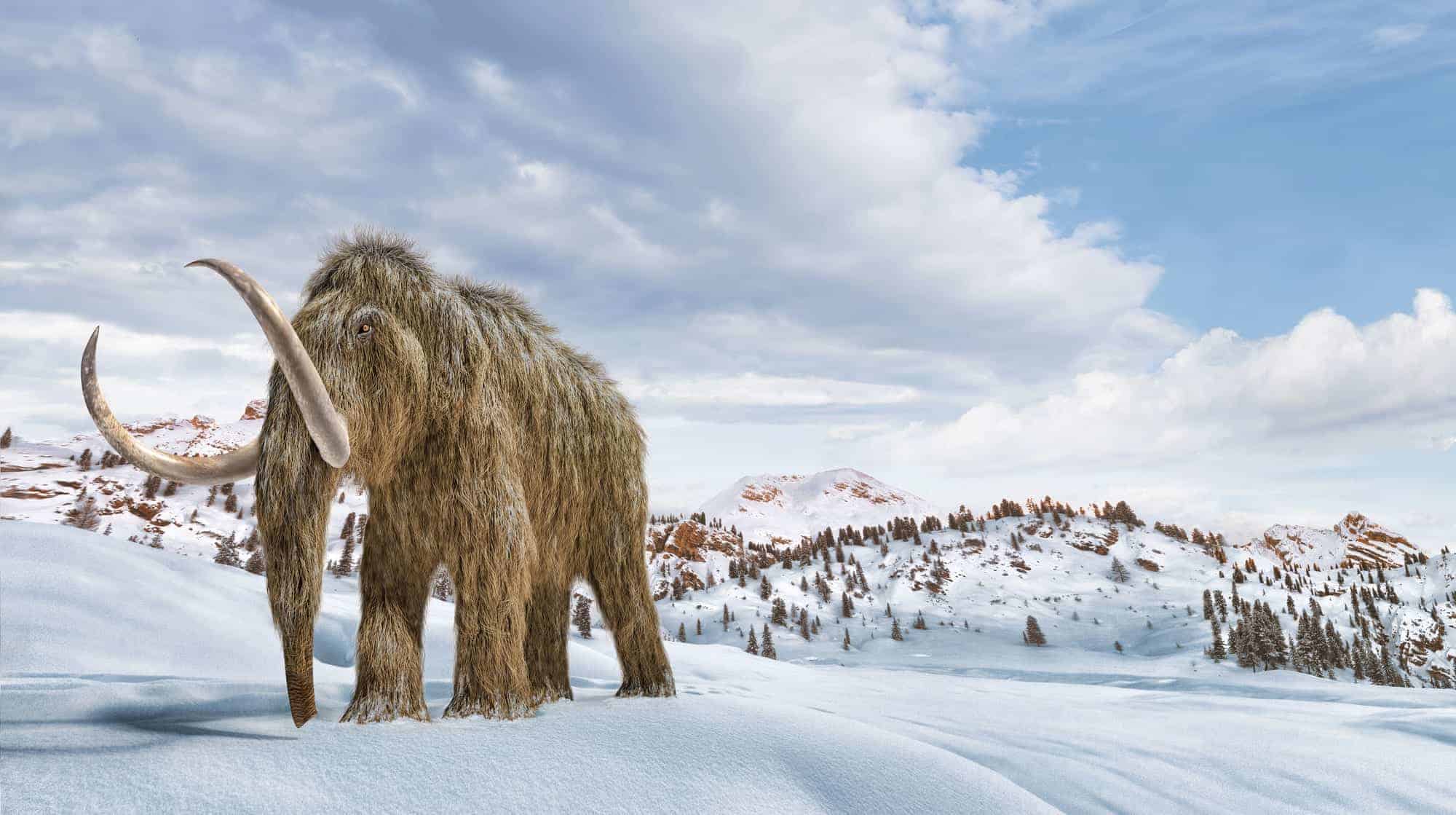
Beyond the fur, other mammoth traits are essential to the hybrid animal’s survival in frigid conditions. These include cold-resistant blood, thick insulating fat layers, and adaptations in the ears and skin to prevent frostbite. The fur seen in mice confirms the functionality of the inserted mammoth DNA, giving researchers confidence in the feasibility of larger-scale integration.
A New Era of Synthetic Biology

The success of this project signals a bold future for synthetic biology. Whether or not the woolly mammoth returns, the experiment has already pushed the boundaries of science, opening the door to restoring lost species, reviving ancient ecosystems, and reshaping how humans interact with nature. As the world watches in awe, the question remains—how far should we go in rewriting the legacy of extinction?

For any feedback please message Feedback@animalsaroundtheglobe.com
- The Largest Hippopotamus on Record - August 17, 2026
- Masters of Camouflage: Torpedo Ray & Octopus - August 13, 2026
- Lion Feels Grass for the First Time - August 13, 2026