

The state of California, with its iconic beaches, bustling cities, and cinematic landscapes, is living with an ever-present shadow looming beneath its picturesque surface. Scientists are sounding the alarms about the potential for a monumental earthquake that could rattle the Golden State to its core. As Californians have a long and storied relationship with earthquakes, this new warning brings both familiar trepidation and urgent precautionary measures to the forefront of public consciousness.
Understanding California’s Seismic Activity

California sits atop a complex tapestry of fault lines, which are fractures in the Earth’s crust where blocks of land move relative to one another. The most notorious of these is the San Andreas Fault, a giant boundary between the Pacific and North American tectonic plates. Over time, these plates shift and accumulate pressure, leading to seismic activity that can manifest as earthquakes.
The Historical Context of California Earthquakes

Earthquakes have significantly impacted California throughout history. The devastating 1906 San Francisco earthquake, for instance, destroyed over 80% of the city. More recently, the 1994 Northridge earthquake resulted in significant damage and loss of life. These events serve as a stark reminder of the potential destructiveness of seismic activity in the region.
What Scientists Are Predicting

Recent studies by seismologists suggest that California is heading towards a significant seismic event. According to the United States Geological Survey (USGS), there is a 72% chance that an earthquake of magnitude 6.7 or greater will occur in the next 30 years along the San Andreas Fault or its adjacent fault lines.
The Role of the San Andreas Fault

The San Andreas Fault is a transforming boundary where the Pacific Plate and the North American Plate grind past each other. Researchers are particularly concerned about the southern portion of this fault, which hasn’t experienced a major earthquake for over 150 years. This region now has a high potential for a “locked” fault to suddenly release, triggering a massive earthquake.
Technological Advances in Earthquake Prediction

Scientists are utilizing cutting-edge technology to monitor seismic activity more closely than ever before. Tools such as GPS stations, satellite imagery, and deep-earth sensors are employed to detect minor movements in the Earth’s crust, allowing researchers to better understand stress accumulation along fault lines.
Earthquake Preparedness: What Residents Can Do

Californians are urged to stay informed and prepared. Personal and community preparedness include crafting emergency plans, securing heavy furniture, storing emergency supplies, and attending community earthquake drills. These actions, while simple, can save lives when seconds count.
The Importance of Infrastructure Modernization

Officials and city planners are also focusing on infrastructure resilience. Retrofitting bridges, buildings, and utilities to withstand major seismic events is crucial. New construction employs innovative engineering designs aimed at minimizing damage and ensuring that critical infrastructure remains operational following a quake.
The Economic Impact of a Major Earthquake
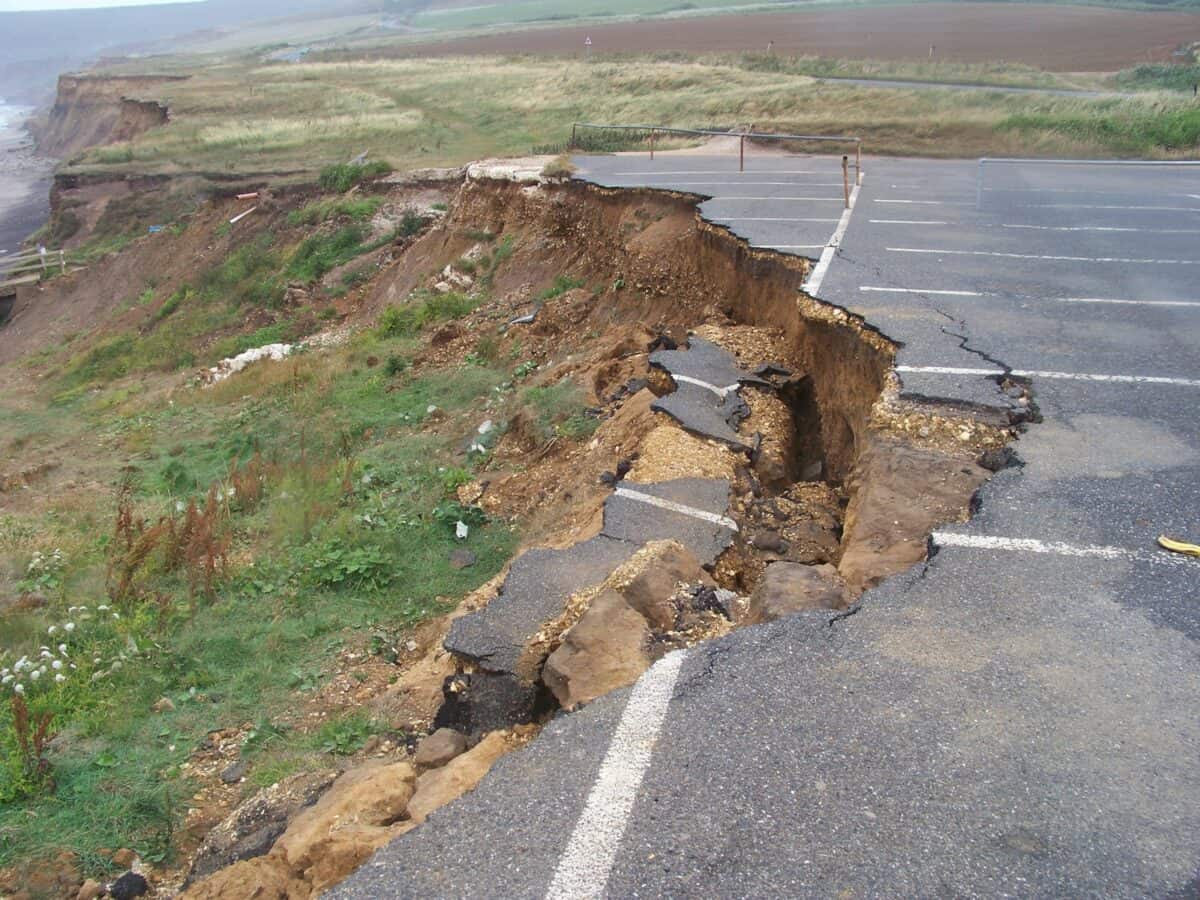
Beyond the immediate physical destruction, a significant earthquake in California could have profound economic impacts. Damage to infrastructure, homes, and businesses will likely lead to billions of dollars in costs, overshadowed only by the potential disruption to the global economy, given California’s role in technology and agriculture industries.
The Environmental Consequences

An earthquake could trigger secondary environmental issues, such as landslides, tsunamis, and soil liquefaction. These phenomena not only pose direct risks to life and property but can also disrupt ecosystems and local biodiversity.
The Psychological Toll on Residents

Evidently, the constant threat of an earthquake weighs heavily on the mental well-being of residents. Anxiety about potential seismic activity can be pervasive, affecting daily life and community dynamics. Public education efforts aim to address these fears through preparedness and resilience training.
Lessons from Past Earthquakes

Each earthquake provides valuable lessons in preparedness and response. By studying past events, researchers and policymakers develop better forecasting models and strategies, which in turn enhance community resilience against future seismic events.
Conclusion: An Ongoing Vigilance

While the threat of a giant earthquake beneath California remains, innovation in monitoring and preparedness can mitigate its effects. It is critical for standing communities, local governments, and the scientific community to collaborate and foster resilience. The message from researchers is clear: while an earthquake might be inevitable, its consequences are not if we maintain an ongoing commitment to vigilance and preparedness.

- This River Delta Is a Magnet for Endangered Birds - July 17, 2026
- New Fossils in Baja California Reveal a Never-Before-Seen Grouper - July 17, 2026
- The Most Venomous Animal on Land—And How It Kills - July 17, 2026