
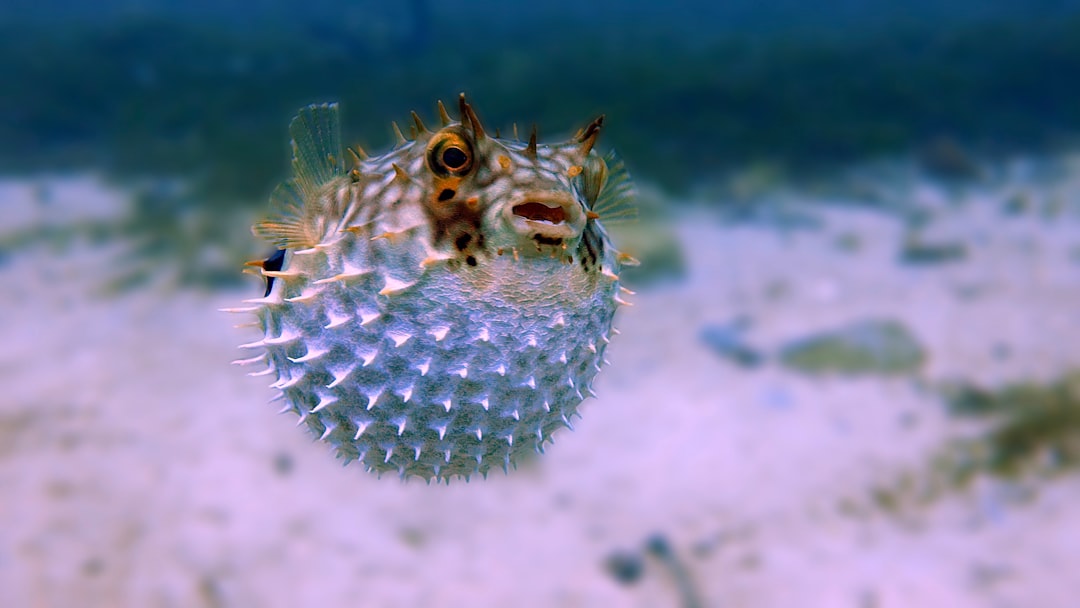
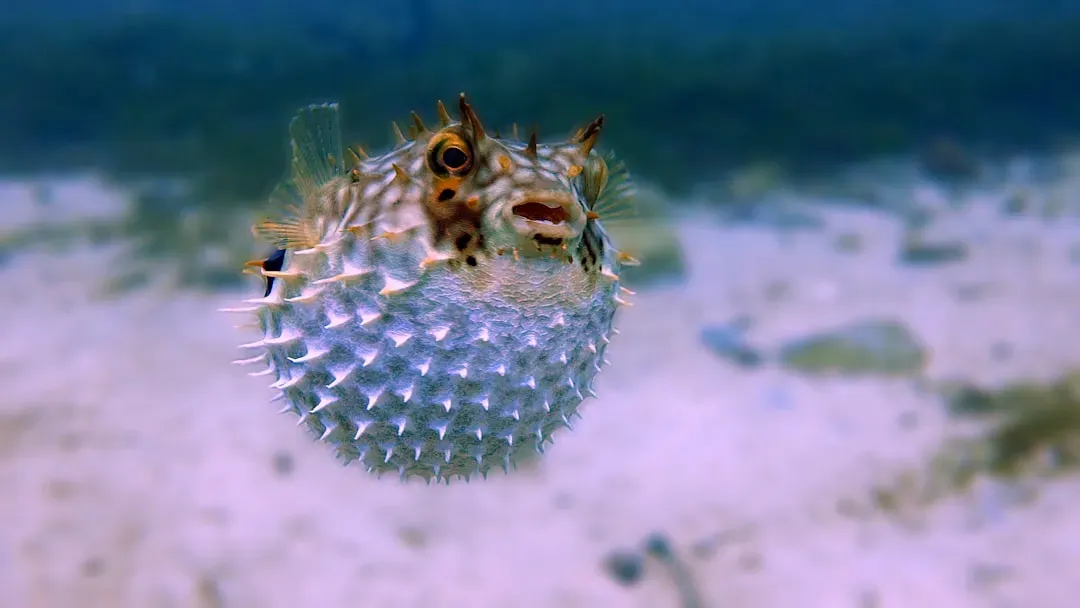
Off the coast of the Red Sea, a group of young bottlenose dolphins gathered around something unusual in the water. They took turns nudging and passing a small, spiky creature that most animals would avoid at all costs. What unfolded next caught the attention of observers in ways few marine encounters have before.
The scene involved careful manipulation rather than quick consumption. Dolphins held the fish gently between their snouts and passed it along to companions in a slow, repeated cycle. This kind of interaction stood out because it differed sharply from typical feeding or play patterns seen in the same waters.
The Initial Footage Capture
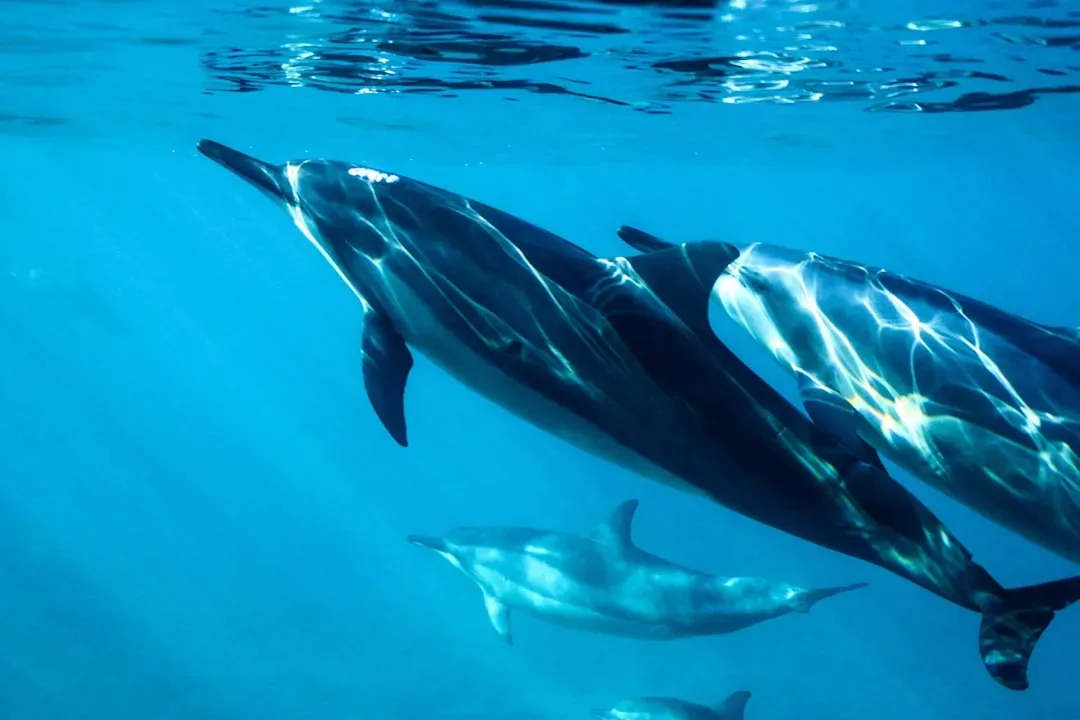
Camera teams working on a documentary series placed remote devices in areas known for dolphin activity. The equipment recorded extended sequences without human presence nearby. Those recordings revealed the dolphins returning to the same pufferfish multiple times over several minutes.
Each pass lasted long enough for the fish to remain inflated yet unharmed. The animals avoided the quick bites used on regular prey. Instead, they maintained a steady rhythm that suggested coordination among the group members involved.
Understanding Pufferfish Defenses
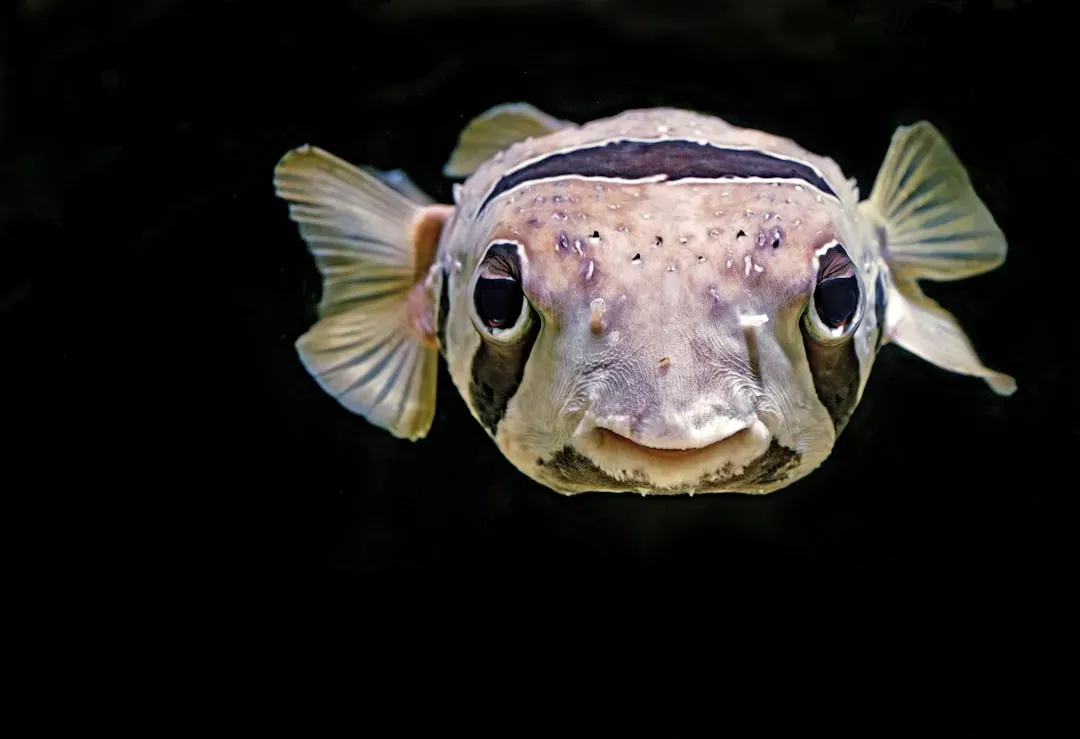
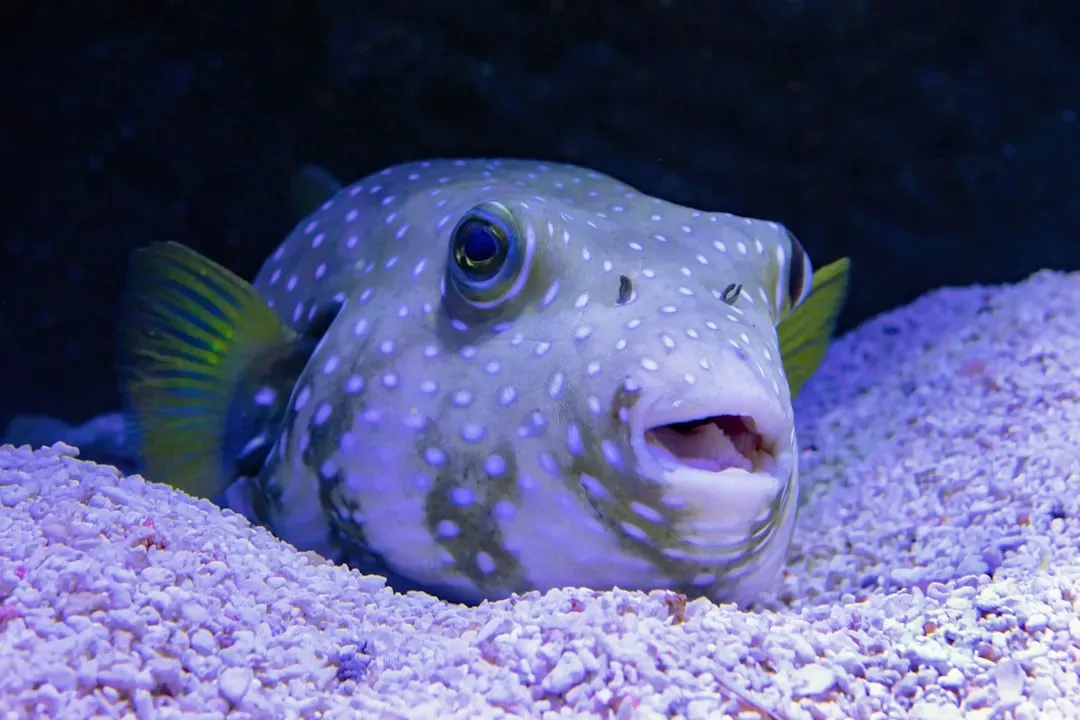
Pufferfish carry a potent neurotoxin that serves as protection against predators. In larger amounts the substance can shut down nerve signals entirely. Smaller exposures, however, produce different effects on the nervous system of various species.
Marine biologists note that the toxin influences muscle control and sensory perception when encountered in trace quantities. Dolphins appear to trigger just enough release through their handling to create noticeable changes. The fish survives these encounters in many observed cases.
Dolphin Handling Techniques
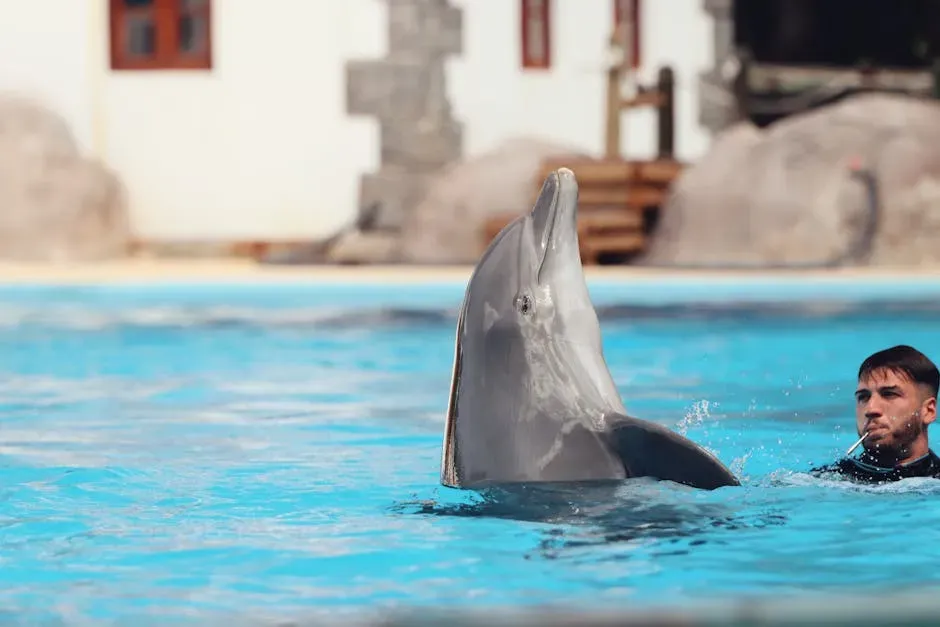
The dolphins used precise movements to keep the pufferfish from escaping while avoiding its spines. They passed the animal from one individual to another without dropping it or causing visible injury. This level of control required repeated adjustments as the fish attempted to swim away.
Observers recorded sessions lasting twenty to thirty minutes at a stretch. The same group returned to similar interactions on different days. Such repetition points to a learned pattern rather than a one time event.
Signs of Altered States
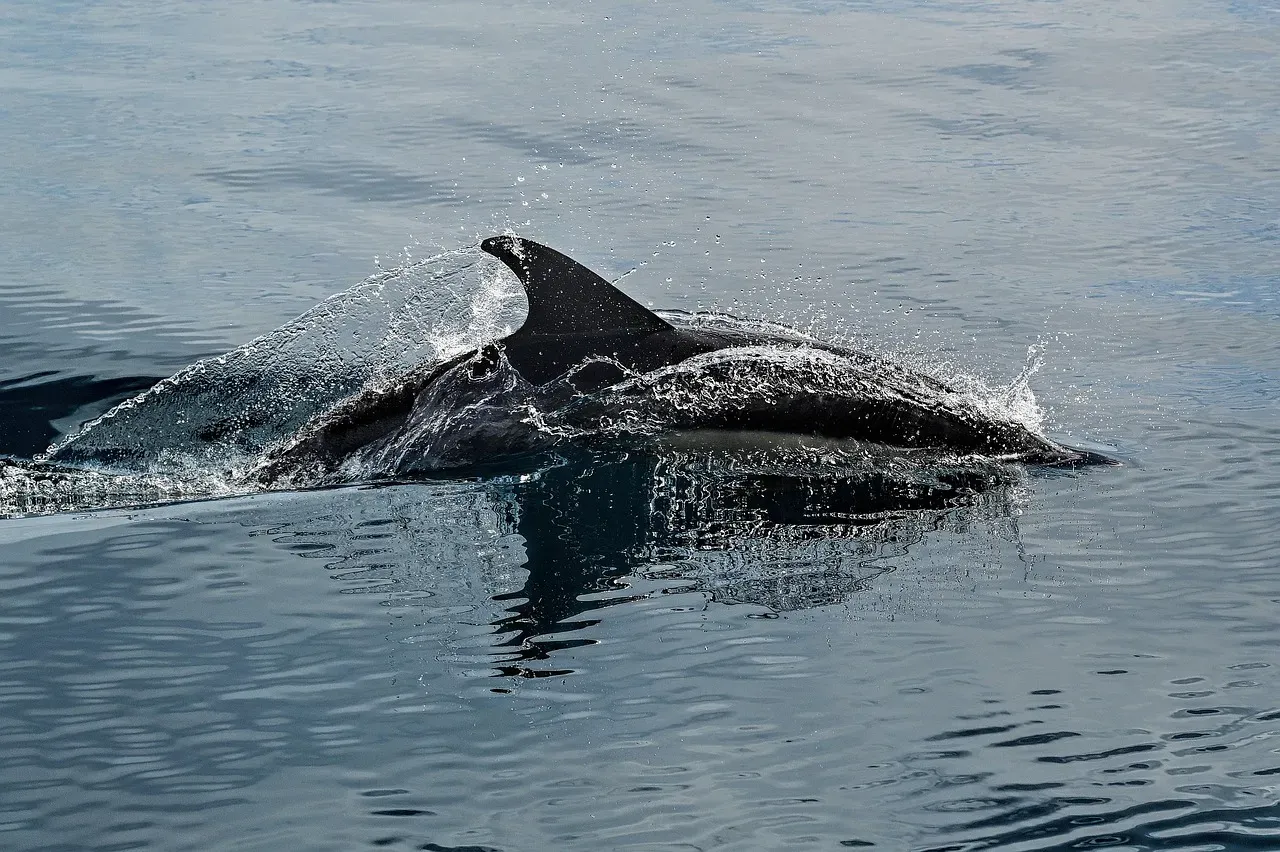
After handling the pufferfish, some dolphins floated near the surface with minimal movement. Their bodies appeared relaxed, and they sometimes gazed at reflections on the water. These periods of stillness contrasted with their usual energetic swimming.
Other members of the group showed slower responses to nearby stimuli during the same sessions. The changes lasted only briefly before normal activity resumed. Researchers tracked these shifts across multiple recordings to identify consistent patterns.
Social Aspects of the Interaction
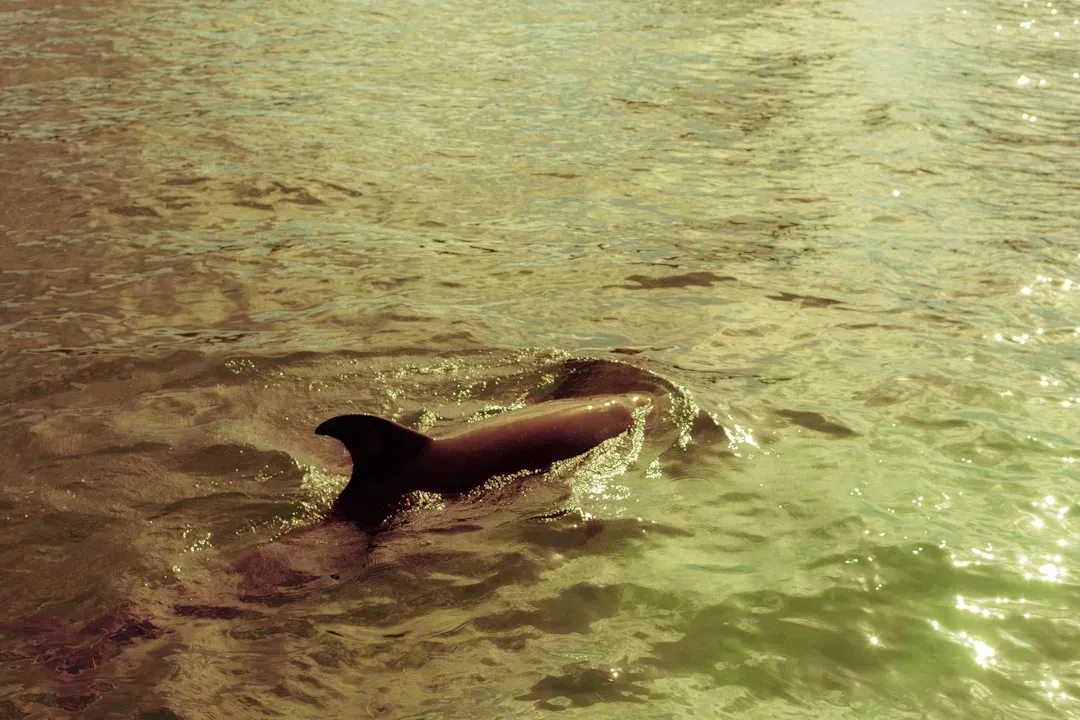
The passing behavior involved several dolphins at once, creating a shared activity. Younger animals participated alongside adults in some sequences. This group dynamic added a layer of social exchange to the encounter.
Similar object passing occurs with other items in dolphin groups, yet the pufferfish version stood apart due to the risk involved. The deliberate nature suggested awareness of the fish as something special. Companions waited their turn without interrupting the flow.
Alternative Explanations Considered
Some researchers propose the activity functions mainly as exploratory play. Dolphins investigate many objects in their environment through touch and manipulation. The pufferfish simply offers a novel texture and reaction compared with seaweed or shells.
Others point to possible sensory stimulation from the toxin without assuming intentional intoxication. The behavior could serve as practice for dealing with unfamiliar prey or as a form of social bonding. Evidence remains limited, and interpretations continue to evolve with additional observations.
Broader Implications for Animal Intelligence
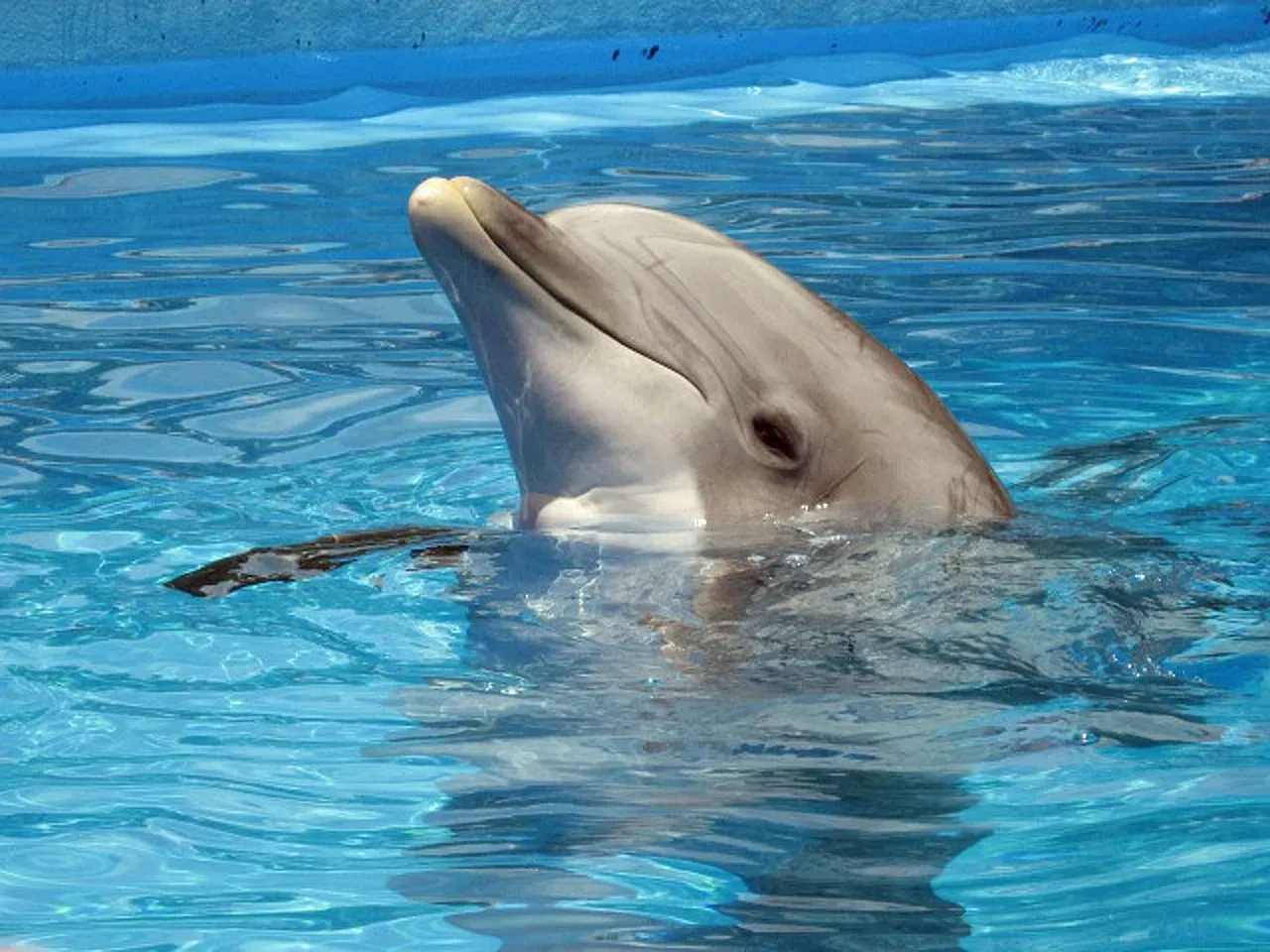
Encounters like this highlight how dolphins adapt tools and substances from their surroundings. The careful dosing implied by repeated gentle contact shows problem solving skills. Such traits appear across several cetacean populations in different oceans.
Understanding these interactions helps scientists map cognitive abilities in wild marine mammals. It also raises questions about how environmental chemicals influence behavior in natural settings. Continued monitoring may reveal whether the pattern appears in other dolphin communities worldwide.
Conclusion
The documented dolphin and pufferfish exchanges remind us that animal behavior often defies simple categories. What looks like recreation from one angle may serve multiple purposes at once. Future studies will likely refine our picture of these moments without rushing to dramatic conclusions.
In the end, the real surprise lies in how much remains open to discovery beneath the waves. These observations encourage a measured curiosity about the lives of creatures we share the planet with. Paying attention to such details keeps the door open for genuine insight rather than quick assumptions.
