


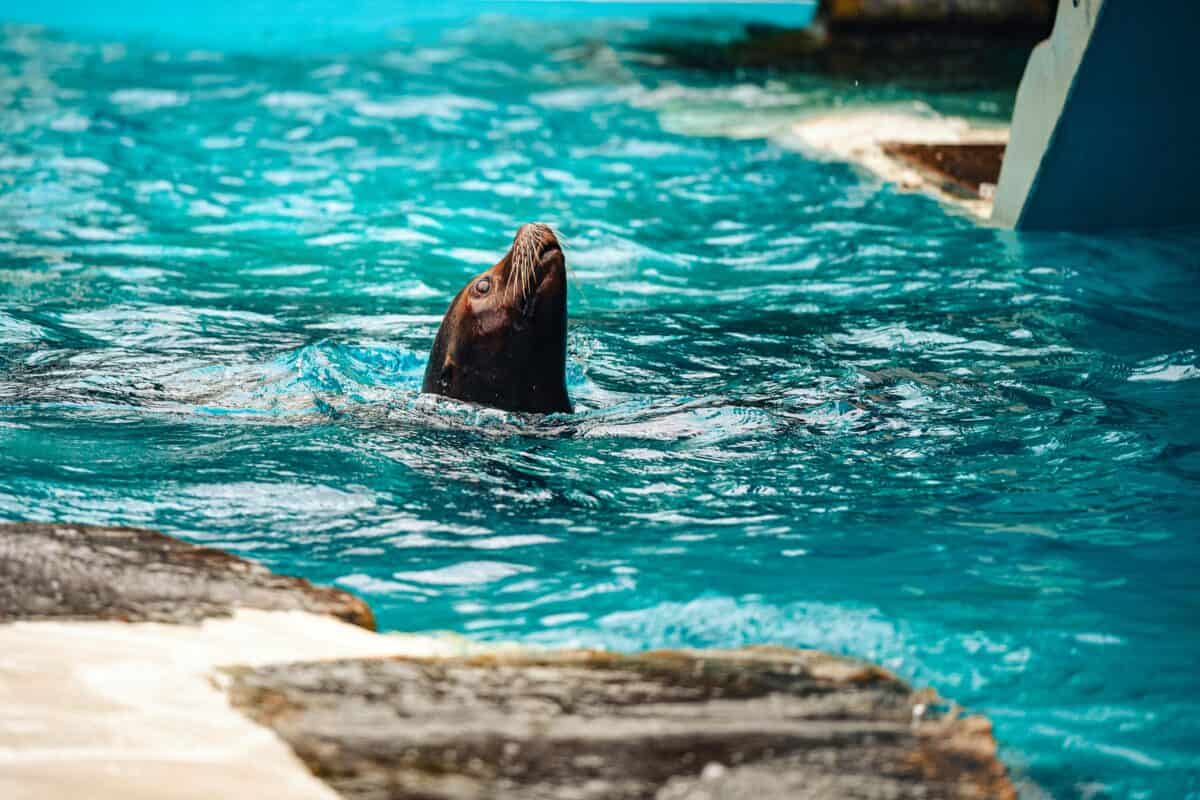
In a twist no one saw coming, a rescued sea lion named Ronan is changing what scientists thought they knew about animals and music. Rescued by the University of California, Santa Cruz, Ronan isn’t just living a comfortable life—she’s also bobbing her head in time to music.
What started as a simple observation has turned into a full-blown scientific revelation. Researchers played different rhythms and tempos through speakers, and to their surprise, Ronan matched the beat with remarkable accuracy—sometimes better than the humans participating. In one trial, she hit her rhythm marks within 15 milliseconds of a 120 BPM beat. That’s faster than most people can react to a text.
Smashing Scientific Assumptions
For years, scientists believed only humans and a select few animals had vocal mimicry skills. It is like parrots and dolphins—could follow a beat. That’s because the brain wiring needed to mimic sounds was thought to be a key part of rhythm recognition.
But Ronan doesn’t mimic vocal sounds, and she certainly doesn’t sing. Her ability to sync to a beat suggests something deeper may be going on—something rooted in brain regions tied to motor coordination and pattern recognition.
According to researchers, this might mean more animals out there are capable of beating perception than we’ve realized. They just haven’t been tested yet. Or maybe they’ve been too shy to dance in public.
No Pressure—Just Good Vibes
What makes Ronan’s case especially fascinating is that she wasn’t trained with treats or pushed into rhythmic “performance.” Her participation in the beat trials was voluntary. She seemed to enjoy it, moving her head in sync with music ranging from pop to classical drum patterns.
And before anyone asks—no, she wasn’t raised with constant background music. Ronan had little exposure to songs or metronomes before the study began, which makes her rhythmic responses even more surprising.
A Deeper Look at Sea Lion Brains

Sea lions are intelligent and social animals, and Ronan’s behavior is giving scientists new insight into how complex their cognitive abilities might be. Brain scans of sea lions show significant areas linked to timing, memory, and movement. All of which could play a role in rhythm tracking.
While she’s not exactly a backup dancer for Beyoncé, Ronan may be the first of her kind to prove that musical timing isn’t just a human trait—or a parrot party trick.
What It Means for Us
If Ronan, a non-vocal mimicking sea lion, can naturally pick up a beat, scientists are now questioning how far back in evolution rhythm perception goes. This raises questions like: Did early mammals rely on rhythmic cues to communicate or survive? Could beat-keeping be tied to survival instincts like group movement or predator awareness?
And more importantly, should we be inviting sea lions to our next dance party?

- Coatimundi Attacks Arizona Hiker in Rare Desert Confrontation - July 17, 2026
- Rabid Bat Bites Texas Man—Fourth Kerr County Case This Year - July 17, 2026
- Colorado’s Rattlesnake Den Livestreams 2,000 Snakes - July 15, 2026