


In a strange twist to a sunny hike, a man exploring Ash Canyon—tucked just south of Sierra Vista in Arizona’s Cochise County—was attacked by a coatimundi, an animal rarely associated with aggression. The hiker, whose name hasn’t been released, was bitten and scratched during the incident and required medical attention. The attack is raising eyebrows among local residents and wildlife officials.
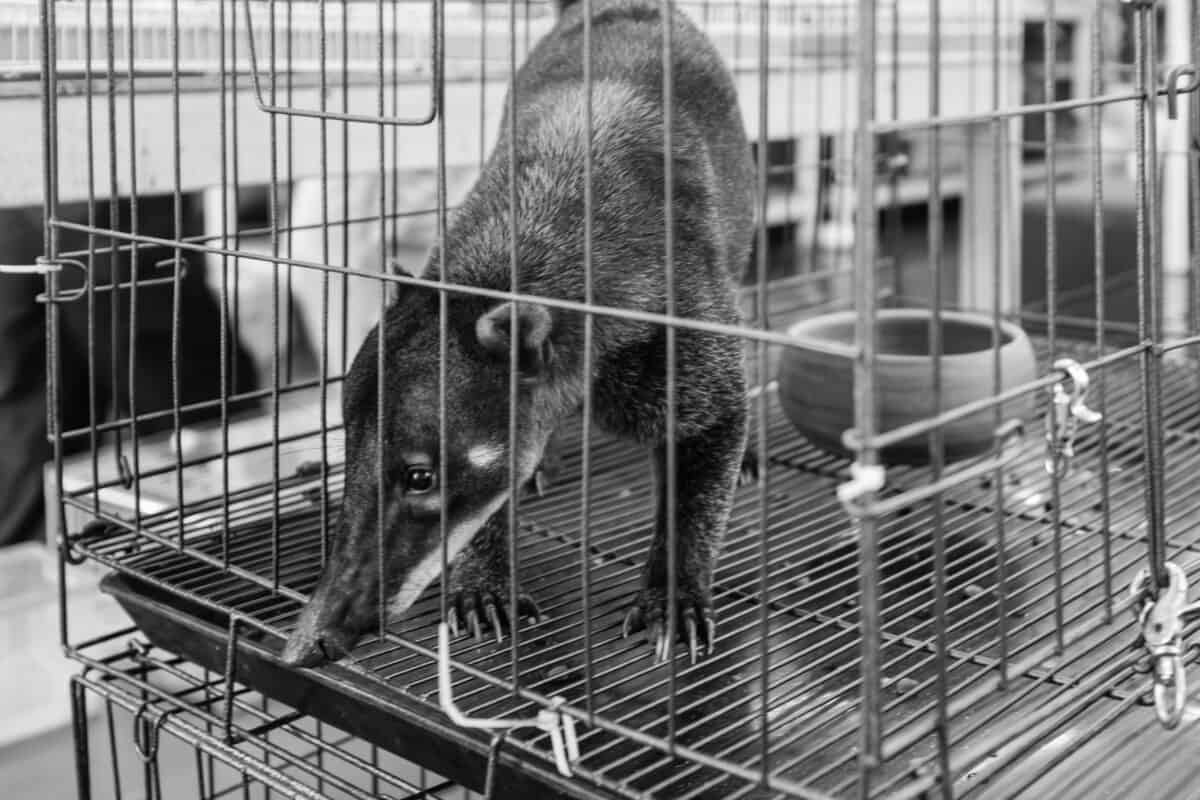
Coatimundis, often mistaken for odd-looking raccoons with long snouts and banded tails, typically steer clear of humans. They’re known more for raiding campsites than throwing punches. But this encounter? Way out of the ordinary.
Officials Investigate Unusual Behavior
Cochise County Sheriff’s deputies responded to the scene soon after the man reported the attack. Wildlife officials with the Arizona Game and Fish Department are now patrolling the area, urging people to stay alert and keep their distance from all wildlife, especially if the animal seems overly bold or aggressive.
There’s also concern that the coatimundi may have been sick or injured, as these animals are not naturally hostile. Rabies is a possibility, though officials have yet to confirm any test results or capture the animal involved.
What Exactly Is a Coatimundi?

Not everyone in Arizona has come face-to-face with a coatimundi, also known simply as a “coati.” Native to Central and South America and the southern tip of the U.S., coatis are part of the raccoon family. Adults weigh around 4–8 kilograms (9–18 pounds) and usually forage for insects, fruit, and small vertebrates.
Unlike raccoons, which are largely nocturnal, coatis are active during the day. They’re curious, intelligent, and sometimes a bit too fearless around people if they’ve learned to associate humans with food.
Tips for Staying Safe on Arizona Trails
This incident is a reminder that even familiar trails can hold surprises. If you’re hiking in Arizona or anywhere near known wildlife habitats, here’s what experts suggest:
- Don’t feed wild animals—ever.
- Carry a walking stick or trekking pole to help deter unexpected encounters.
- If an animal approaches you, make noise, back away slowly, and never turn your back.
- Report strange or aggressive animal behavior to local rangers or animal control.
Stay alert, stay respectful, and give nature the space it needs.

- Coatimundi Attacks Arizona Hiker in Rare Desert Confrontation - July 17, 2026
- Rabid Bat Bites Texas Man—Fourth Kerr County Case This Year - July 17, 2026
- Colorado’s Rattlesnake Den Livestreams 2,000 Snakes - July 15, 2026
Leave a comment
You must be logged in to post a comment.