
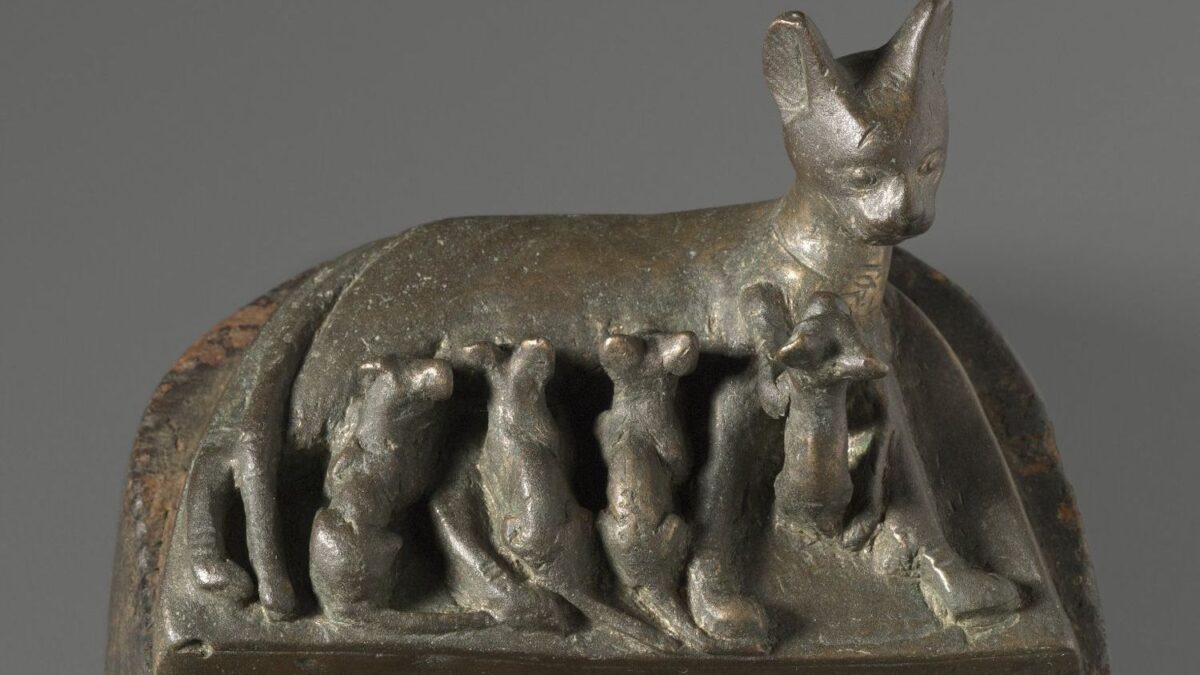
Have you ever felt watched when walking through an ancient temple? Perhaps those eyes belong to more than just stone statues. Across continents and centuries, remarkable creatures have stood as sentinels at humanity’s most sacred places. They’re not security guards in the traditional sense. These animals embody something deeper, a connection between the physical and spiritual worlds that transcends simple protection.
From the misty mountains of Tibet to the sun-baked temples of Egypt, animals have served roles far beyond companionship or utility. They’ve been honored, revered, sometimes even worshipped for their unique ability to sense what humans cannot. Whether it’s a cat padding silently through Egyptian corridors or a massive dog standing watch at a monastery gate, these creatures have become woven into the very fabric of sacred spaces. Their presence isn’t accidental. It’s deliberate, meaningful, and often steeped in centuries of belief and tradition.
The Stone Lions That Never Sleep
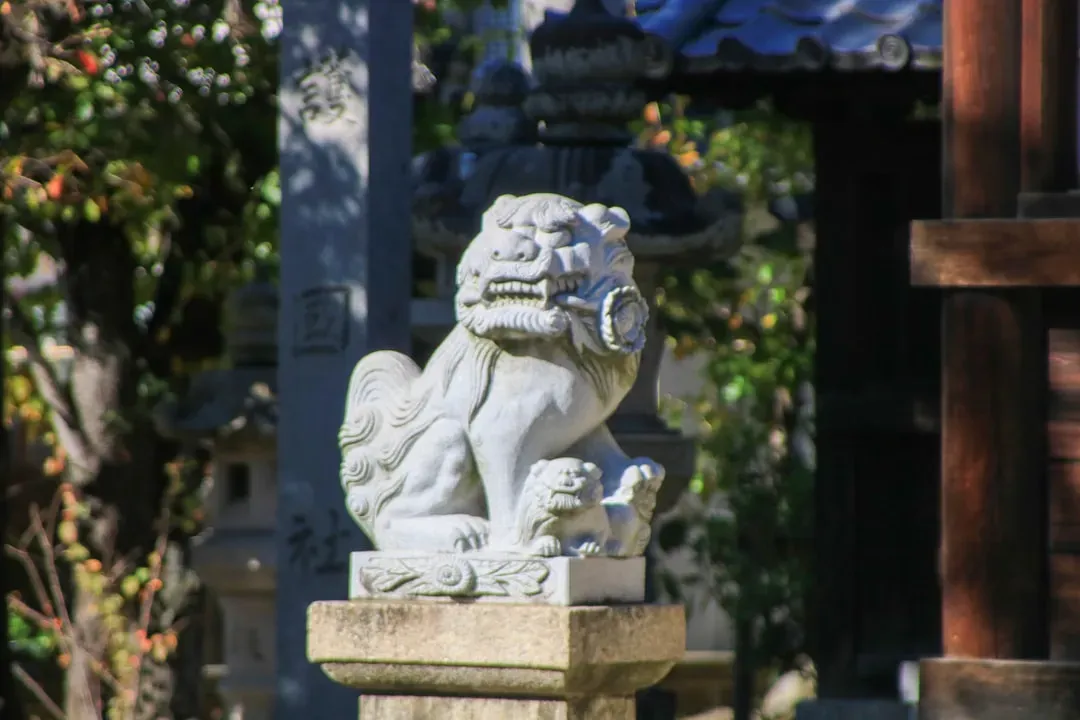
In Japan, imposing lion-like statues called komainu flank the entrances to Shinto shrines and Buddhist temples, serving as fierce guardians of sacred spaces. Yet their story begins far from Japanese shores. These guardian figures strongly resemble Chinese guardian lions and originated from Tang dynasty China, later being exported to Korea, Japan, and Okinawa.
Walk up to any shrine and you’ll notice something curious about these paired protectors. Modern komainu statues are usually nearly identical except for the shapes of their mouths: one has it open, the other closed. There’s profound symbolism here that most visitors miss. The open-mouthed statue is called a-gyō, symbolically representing the beginning of all things, while the closed-mouth statue is called un-gyō, representing the end of all things.
With their intimidating expressions and muscular physiques, komainu are believed to ward off evil spirits and protect holy grounds. Honestly, standing before these ancient sentinels, you can almost feel their watchful energy. They’ve witnessed countless prayers, festivals, and pilgrimages.
Starting from the Edo period, other animals besides lions or dogs were used as guardians, including wild boars, tigers, dragons and foxes. A variant is the fox, acting as guardian of shrines dedicated to the Inari deity, with about 30 thousand Inari shrines in Japan each guarded by a pair of fox statues.
Monkeys: The Sacred Messengers of Temple Grounds
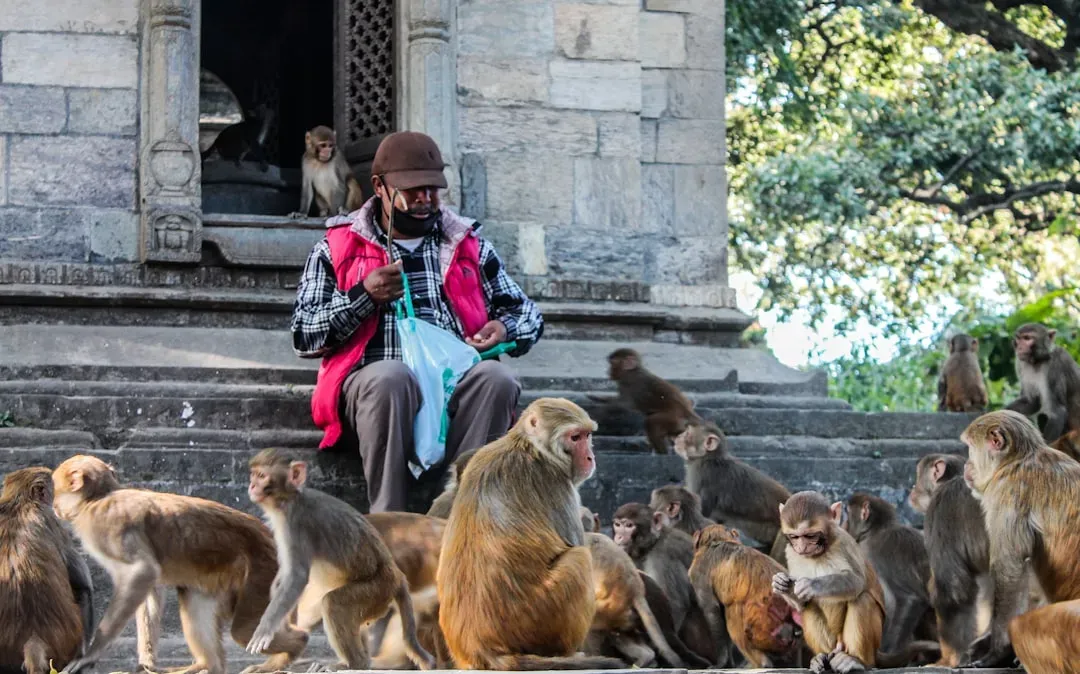
At Swayambhunath in Kathmandu, Nepal, hundreds of monkeys are considered holy to Tibetan Buddhists and Hindus at this sacred pilgrimage site. These aren’t just wild animals tolerated by monks. They’re viewed as something more profound. According to legend, the bodhisattva of wisdom Manjushree was raising the temple hill when the lice in his hair transformed into these monkeys.
The relationship between monkeys and sacred spaces runs deep in multiple Asian cultures. In Bali’s Sacred Monkey Forest Sanctuary, more than 500 Macaques live among three temples and are revered as manifestations of the Hindu monkey god Hanuman. Here’s the thing: visitors often find these monkeys mischievous, sometimes even aggressive. The monkeys’ famously naughty behavior is in stark contrast to their seemingly tranquil home life, as they often engage in fights, break-ins, robberies, and general havoc-wreaking, yet are lucky to be protected by their sacred status.
In Japan, monkeys were given the important role of horse guardians, and numerous ema from various periods depict monkeys pulling horses, providing evidence that monkeys functioned as guardians of horses. Monkeys are believed to deflect misfortune and protect households, making them popular guardian symbols.
The most iconic representation might be the Three Wise Monkeys. The Three Wise Monkeys, displayed at the Tōshō-gū shrine in Nikkō with elaborate relief carvings, are a widely known example of monkeys in traditional Japanese culture.
Egyptian Cats: Divine Energy in Feline Form
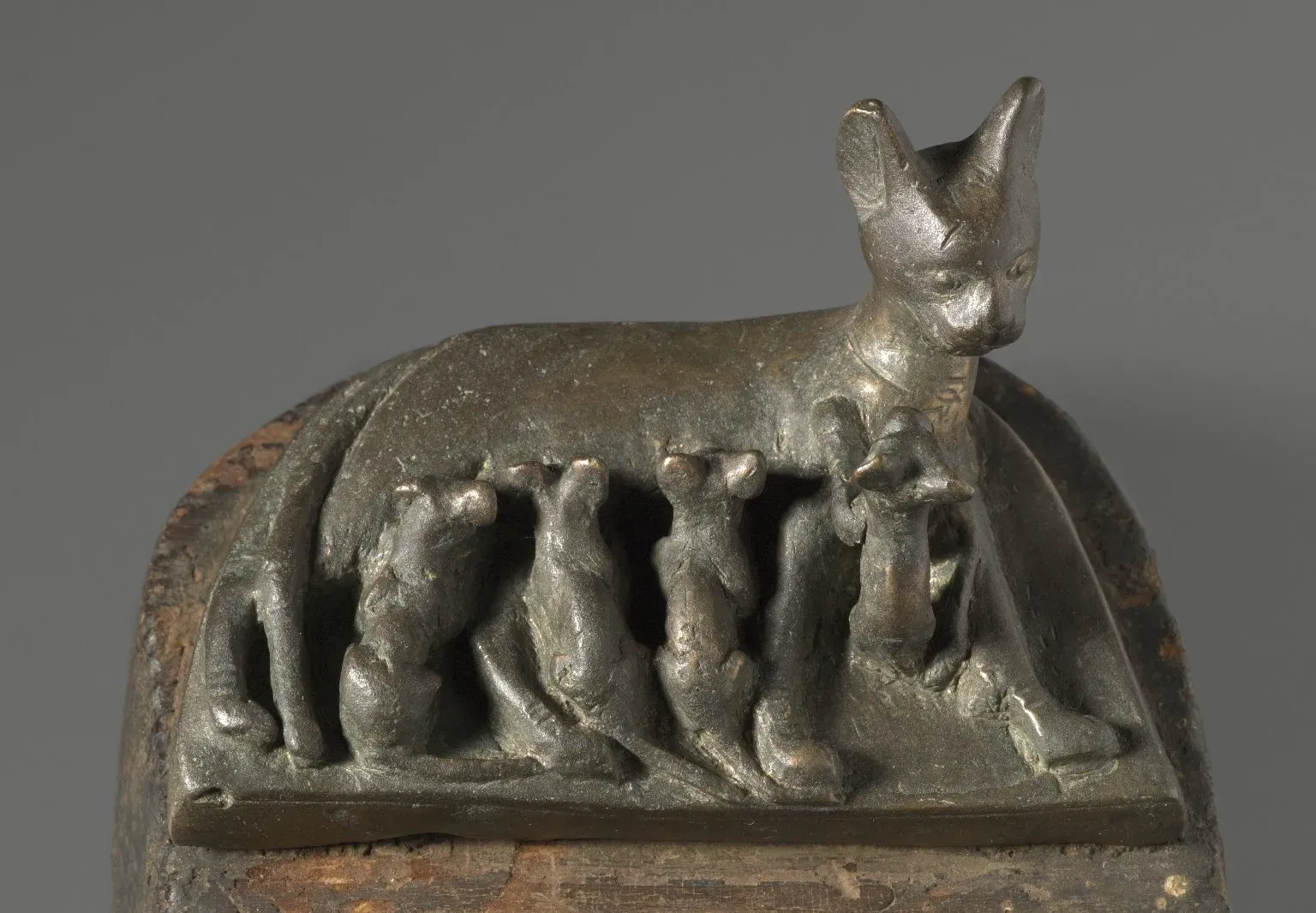
In ancient Egypt, cats were revered as temple guardians, embodying a spiritual link between the earthly and divine, with their watchful eyes and graceful presence signifying them as spiritual sentinels dedicated to upholding temple sanctity. Let’s be real, the ancient Egyptians didn’t just like cats. They saw them as vessels of divine power.
The domestic cat was regarded as living incarnation of Bastet who protects the household against granivores, whereas the lion-headed deity Sekhmet was worshipped as protector of the pharaohs. Cats were praised for killing venomous snakes, rodents and birds that damaged crops, and protecting the Pharaoh since at least the First Dynasty of Egypt. Think about it: in an agricultural society where grain was wealth and survival, cats were literally saving lives.
Egyptians did not worship cats, but they did believe that cats held a bit of divine energy within them, with the most widespread belief being that domestic cats carried the divine essence of Bastet, the cat-headed goddess who represented fertility, domesticity, music, dance and pleasure. Cats were primarily raised and kept in the temples of their special deities.
The ancient Egyptians’ belief in cats’ divine energy led them to treat cats with great respect and veneration, as cats were protected by law, with harming one considered a grave offense, potentially punishable by death. Hundreds of thousands of mummified cats have been recovered from burial sites including the catacombs of Saqqara and Tell-Basta, where priests maintained large catteries that supplied a thriving trade in cat mummies.
Tibetan Mastiffs: Fortress Guardians of the Himalayas
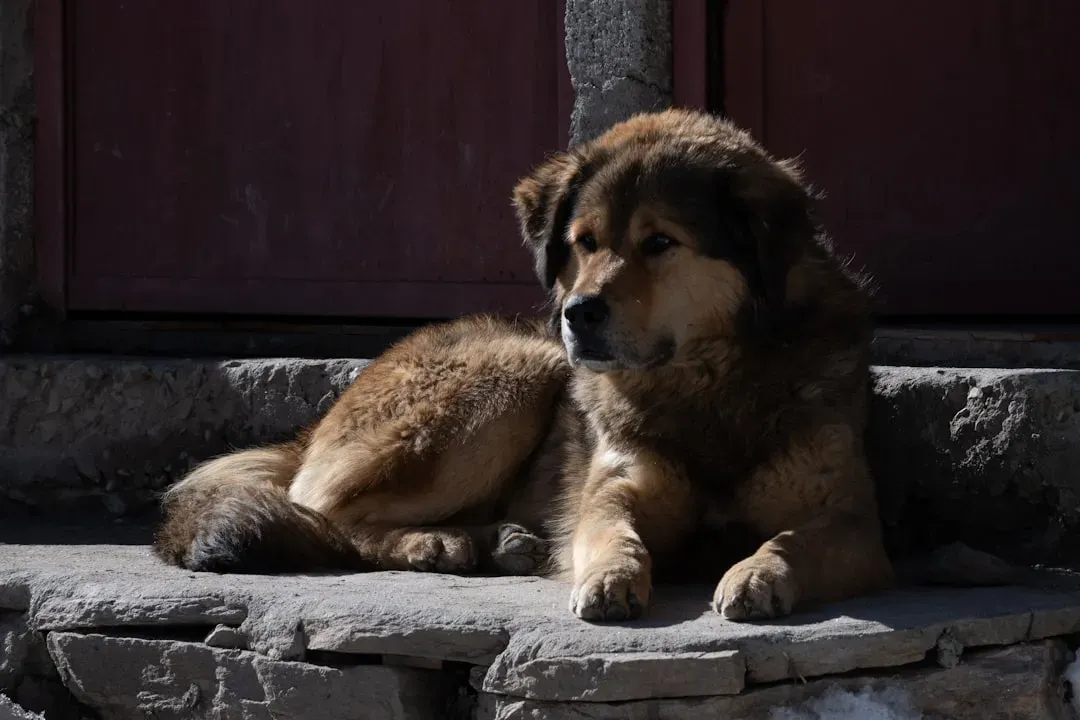
Tibetan Mastiffs have been bred by Tibetan nomads since time immemorial and were given to high lamas to guard the great monasteries of Tibet. Picture this: a massive dog with a lion-like mane, standing watch at impossibly high altitudes where the air is thin and the cold bites deep. In Tibet, to this day, the Tibetan Mastiff is used as a guard dog, tied to the gates of a monastery or home, or tied to a stake in the center of a nomad encampment.
The Do Khyis are kept at monasteries for protection from thieves and other attacks, attached on both sides of the entrance, and it is impressive to pass near these big animals barking with their thunderous voices, jumping up and down, held back only by chains. You can almost hear their deep, intimidating bark echoing through mountain valleys.
Through hundreds of years of selective breeding for a protective flock and family guardian, the breed has been prized for being a nocturnal sentry, keeping would-be predators and intruders at bay, and barking at unidentified sounds throughout the night. These large, yet relatively quiet, dogs do not bark unnecessarily, making the Tibetan Mastiff a perfect companion and guardian of Buddhist monks and nuns posted in remote mountainous locations of Tibet.
Generations of working as a guardian of yak and sheep has produced a disposition of controlled strength, initiative, and fearlessness, tempered with patience, loyalty, and gentleness. I think that’s what makes them such remarkable protectors: they don’t attack indiscriminately. They assess, they warn, they defend only when necessary.
Lhasa Apsos and Tibetan Spaniels: The Small Sentinels Within

While massive mastiffs guarded monastery gates, smaller dogs held equally important roles inside sacred walls. Large Tibetan mastiffs guarded entrances to monasteries, but the Lhasa apso’s acute hearing and sharp barks warned residents when an intruder managed to get past the outside sentries. In its native land, the Lhasa Apso is called Apso Seng Kyi, which roughly translates to bearded lion dog, serving primarily as an indoor sentinel for Tibetan nobility and Buddhist monks.
These small guard dogs were highly prized by Buddhist monks and the wealthy, and it was also believed that they were temporary vessels for the souls of deceased Dalai-Lamas who were waiting to be reborn as humans. That’s a heavy spiritual responsibility for such a small creature. In Tibet, Lhasa apsos were never sold but could only be obtained as gifts.
For centuries, the Tibetan Spaniel has been a fixture in thousands of monasteries across Tibet, serving as both watchdog and constant companion, working in tandem with the Tibetan Mastiff at many monasteries. Alert and intelligent, with keen eyesight and hearing, Tibetan Spaniels would perch on tall monastery walls, barking at anything out of the ordinary.
Referred to as Simkyi, meaning house dog or bedroom dog, these treasured companions accompanied monks on meditative walks and warmed their beds at night, and because Buddhist belief holds that humans could be reincarnated as dogs, monks found in the Tibetan Spaniel a highly evolved soul that was a kindred spirit.
The Enduring Legacy of Sacred Animal Guardians
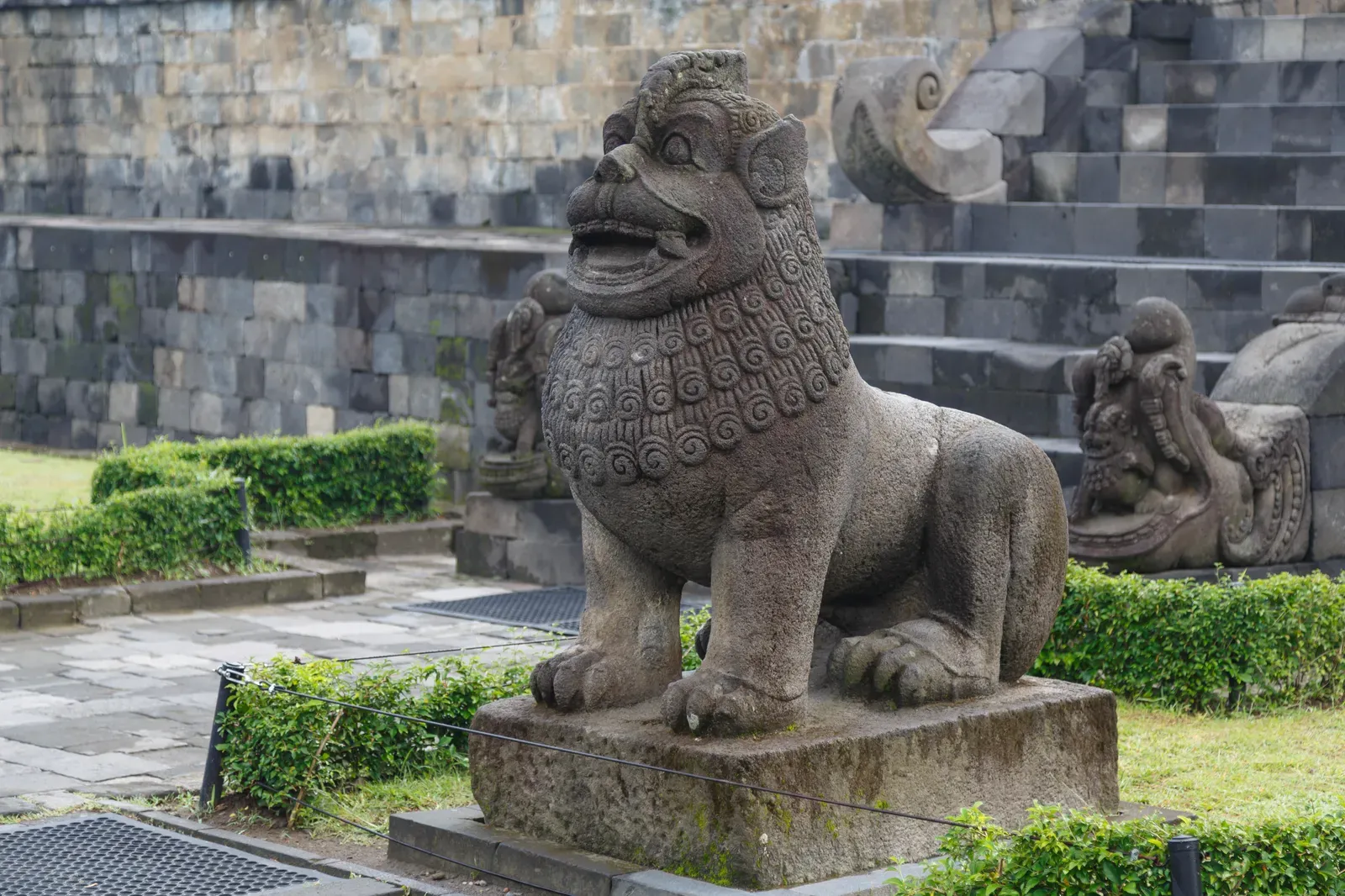
Animals have long played an integral role in spiritual celebrations, from fierce tigers to mysterious foxes and cherished deer. What connects all these guardian animals across cultures is something harder to quantify than their physical protective abilities. It’s their perceived connection to the divine, their ability to exist between worlds.
Yali figures in South Indian temples are believed to act as guardians and protectors, shielding temples from threats, while also being considered divine vehicles for deities and used to signify heroism and elemental forces of nature. Whether stone or flesh, massive or tiny, these protectors share a common thread: they embody the threshold between the mundane and the sacred.
Today, many of these traditions continue. According to legend, the first god of Kasugataisha Shrine traveled from Ibaraki to Mt. Mikasa on a white deer, and deer are considered divine servants of the gods, treated as sacred, roaming freely around forest paths. Modern visitors still encounter these living guardians, connecting us to ancient beliefs.
The relationship between humans and sacred animal guardians teaches us something profound about reverence, protection, and the unseen. These creatures, whether they’re real animals roaming temple grounds or stylized statues standing eternal watch, remind us that sacred spaces require vigilance. They need protectors who don’t sleep, don’t waver, and remain connected to something greater than themselves. In our modern world of cameras and alarms, perhaps we’ve lost something valuable that these ancient traditions understood: that true guardianship requires more than technology. It requires spirit, devotion, and an unwavering presence that transcends the merely physical.
What’s your take on these ancient guardians? Have you encountered any sacred animals during your travels?

- Why Wolves Were Reintroduced to Yellowstone - July 15, 2026
- The Resurgence of America’s Wild Horses: A Symbol of Freedom and Hope - July 15, 2026
- 10 Cat Breeds That Tolerate Dogs Surprisingly Well - July 15, 2026